
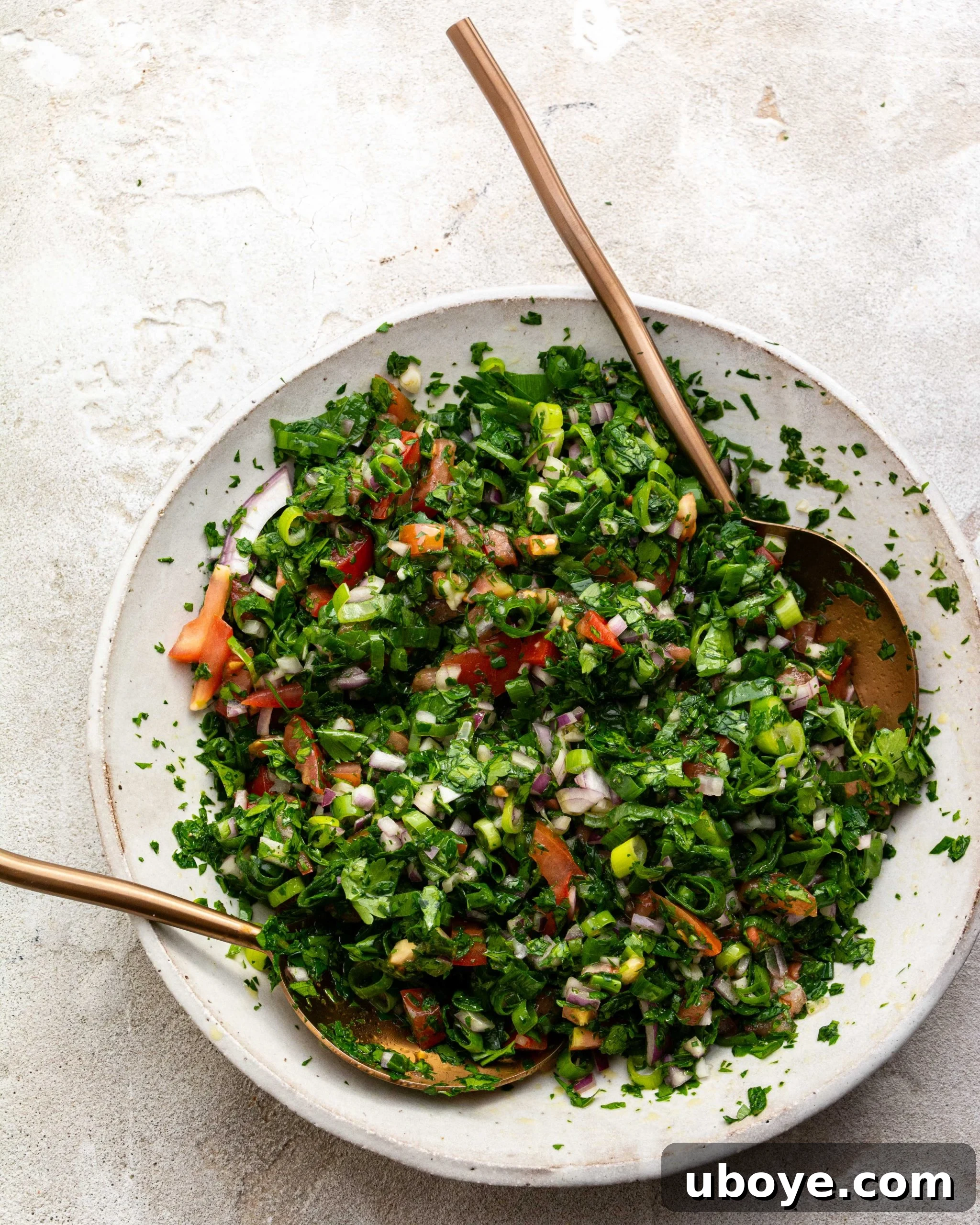
Salads are far more than just a side dish; they can be the vibrant centerpiece of your next dinner party, a refreshing light lunch, or the perfect accompaniment to almost any meal. With a world of choices, it’s easy for some truly remarkable salads to be overlooked. But allow me to introduce you to a salad that consistently steals the show with its simplicity, freshness, and utterly satisfying flavor: Tabouli (also commonly spelled Tabbouleh).
Jump to Recipe
What is Tabouli (Tabbouleh) & Its Origins?
Tabouli, or Tabbouleh as it’s often known, is an iconic, exquisitely fresh, and deeply satisfying salad that hails from the heart of Mediterranean and Middle Eastern cuisine. More than just a dish, it’s a staple, deeply embedded in the culinary traditions of countries like Lebanon, Syria, Jordan, and Palestine, often enjoyed as part of a mezze (a selection of small dishes served as appetizers).
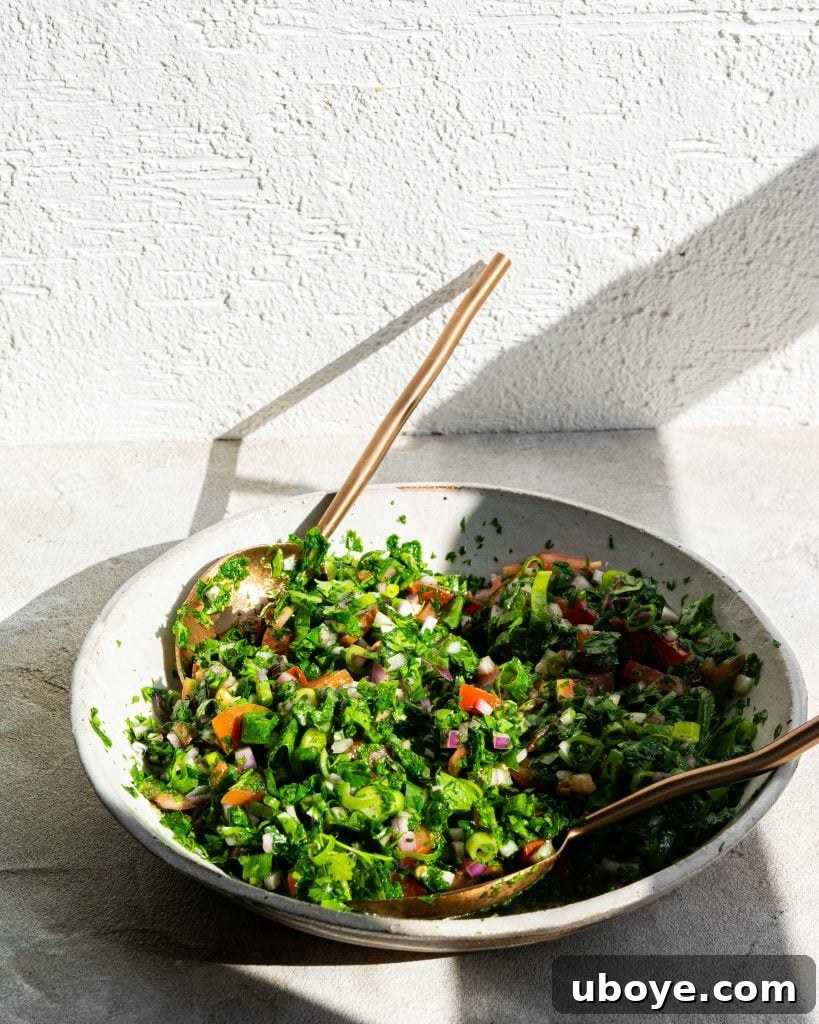
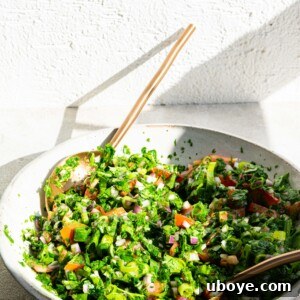
At its core, Tabouli is a vibrant herb salad, predominantly featuring finely chopped fresh parsley. It’s traditionally combined with diced tomatoes, crisp spring onions (scallions), and a hint of fresh mint. The classic version also includes a small amount of fine bulgur wheat, which is soaked rather than cooked, adding a delightful chewiness and body to the salad. However, many modern interpretations, including the one I’m sharing, focus purely on the fresh vegetables and herbs, making it naturally gluten-free and even lighter.
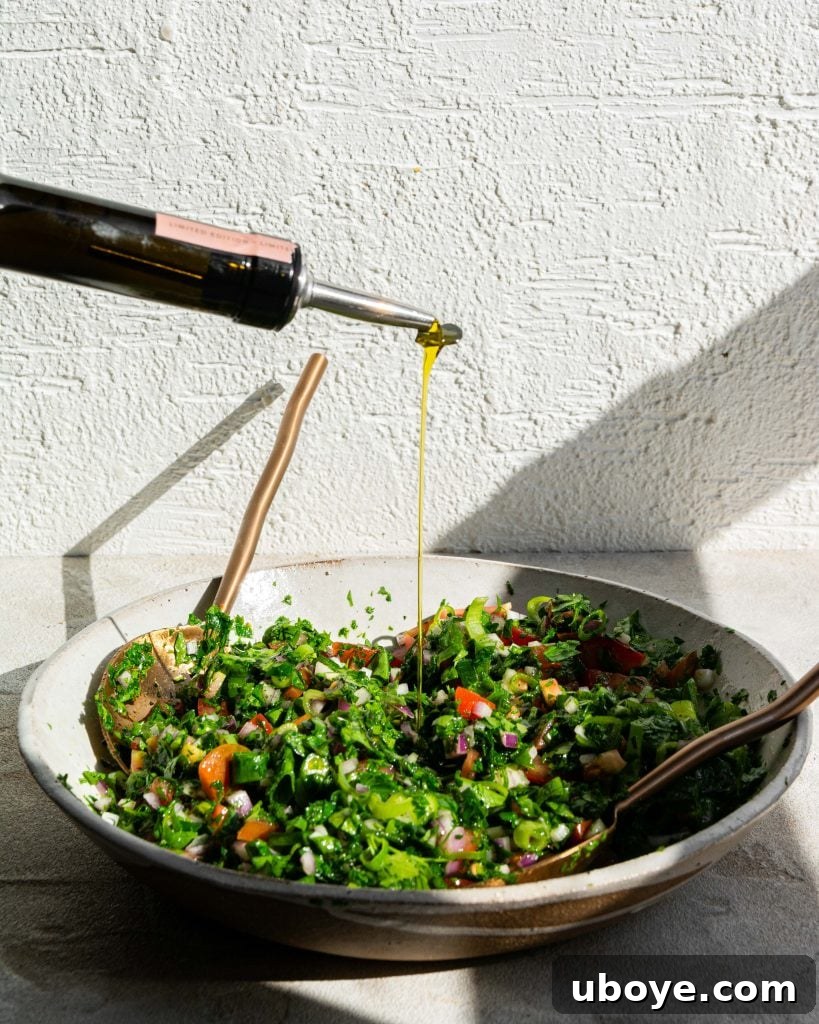
What truly elevates Tabouli is its bright and tangy dressing: a simple yet potent mix of good quality extra virgin olive oil and freshly squeezed lemon juice, seasoned generously with salt and pepper. This dressing not only coats the ingredients beautifully but also enhances their natural flavors, creating a harmonious balance that is both refreshing and invigorating.
Known for its crisp textures, aromatic herbs, and invigorating citrus notes, Tabouli is not merely delicious but also incredibly healthy. It’s a testament to the power of fresh, simple ingredients coming together to create something extraordinary. Whether you’re a seasoned chef or a home cook, understanding what Tabouli is and how to make it opens up a world of fresh, healthy eating.
Why Tabouli is a Culinary Essential
Beyond its traditional roots, Tabouli has earned its place as a beloved dish for numerous reasons. It’s a culinary essential that offers much more than just a pleasant taste experience. Here’s why it should be a regular feature on your table:
- Unrivaled Freshness: In an era where processed foods often dominate, Tabouli stands out as a beacon of natural freshness. Every bite is a burst of garden-fresh flavors, dominated by the herbaceous notes of parsley and mint, complemented by juicy tomatoes and zesty lemon.
- Incredibly Healthy: Packed with nutrient-dense ingredients, Tabouli is a powerhouse of vitamins, minerals, and antioxidants. It’s low in calories, high in fiber (especially if bulgur is included), and boasts healthy fats from olive oil. It’s a guilt-free pleasure that nourishes your body from the inside out.
- Remarkably Versatile: Tabouli’s light and refreshing profile makes it an incredibly versatile dish. It pairs seamlessly with a vast array of cuisines and meals, from rich meats to delicate fish, and even as a standalone vegetarian delight. It’s an adaptable chameleon in the culinary world.
- Simple to Prepare: Despite its sophisticated flavors, Tabouli is surprisingly straightforward to make. The key lies in selecting high-quality, fresh ingredients and a bit of precise chopping. There’s no cooking involved (aside from potentially soaking bulgur), making it a quick and easy option for busy weeknights or impromptu gatherings.
- Crowd-Pleaser: From casual family dinners to elegant dinner parties, Tabouli consistently wins over palates. Its vibrant colors make it visually appealing, and its fresh taste appeals to a wide range of tastes, including those looking for vegetarian or vegan options.
If you’ve ever wondered what makes a salad truly special, Tabouli embodies all the qualities that make it a favorite go-to for many chefs and a staple in countless kitchens. My take on this classic recipe is designed to be effortlessly delicious and will surely not disappoint.
The Anatomy of a Perfect Tabouli Salad: Ingredients & Preparation
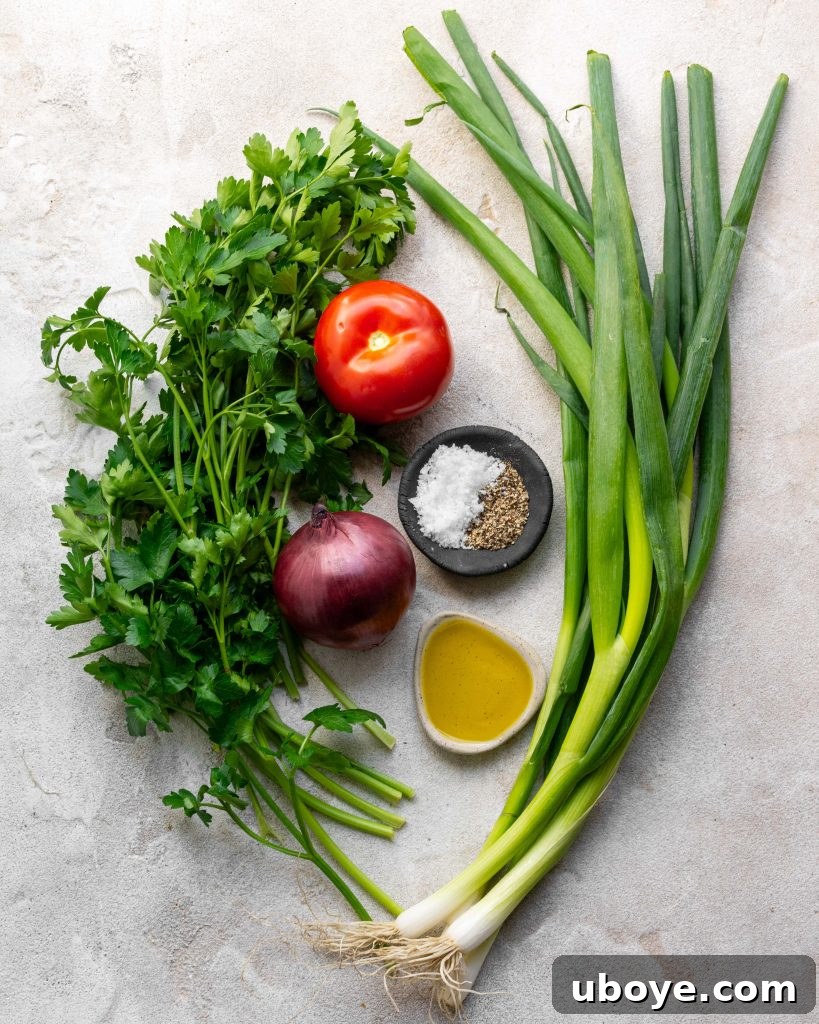
Creating a truly delicious Tabouli salad is an art that begins with reverence for fresh, high-quality ingredients. Each component plays a vital role in building the symphony of flavors and textures that define this Mediterranean masterpiece. Here’s a detailed look at what you’ll need and how to prepare each element:
Selecting the Freshest Ingredients
- Parsley (The Star): The undisputed hero of Tabouli. Opt for large, vibrant bunches of fresh flat-leaf parsley (also known as Italian parsley). Look for deep green leaves that are crisp and free from any yellowing or wilting. Avoid curly parsley, as its texture can be tougher and its flavor less pronounced for this dish. Freshness is paramount here, as it forms the bulk of the salad’s body and flavor.
- Tomatoes (Juicy Sweetness): Choose firm, ripe tomatoes that are heavy for their size and have a deep red color. Roma tomatoes or grape tomatoes work wonderfully due to their lower water content and intense flavor. The goal is to get a sweet, slightly acidic burst that contrasts beautifully with the herbs.
- Spring Onions (Delicate Fragrance): Also known as scallions, spring onions provide a milder, sweeter onion flavor than their larger counterparts. Look for bright green tops and firm white bulbs. They add a subtle pungent kick and a refreshing crunch.
- Red Onion (Sharp Bite, Optional Depth): While spring onions handle most of the onion duties, a small amount of finely sliced red onion can introduce a sharper, more complex bite and a beautiful pop of color. It’s optional, but highly recommended for those who appreciate a bolder flavor profile.
- Fresh Mint (Aromatic Lift): Though not explicitly listed in the original recipe excerpt, a small amount of fresh mint is a classic addition to Tabouli. It provides an invigorating coolness and a fragrant lift that brightens the entire salad. Use only the leaves, and chop them finely alongside the parsley.
- Bulgur Wheat (Optional Texture): Traditionally, Tabouli includes fine bulgur wheat. If you choose to add it, soak about 1/4 to 1/2 cup of fine bulgur in hot water for 15-20 minutes until tender, then squeeze out all excess water thoroughly before adding it to the salad. This adds a lovely, slightly nutty chewiness, but the recipe also shines without it.
The Art of Chopping
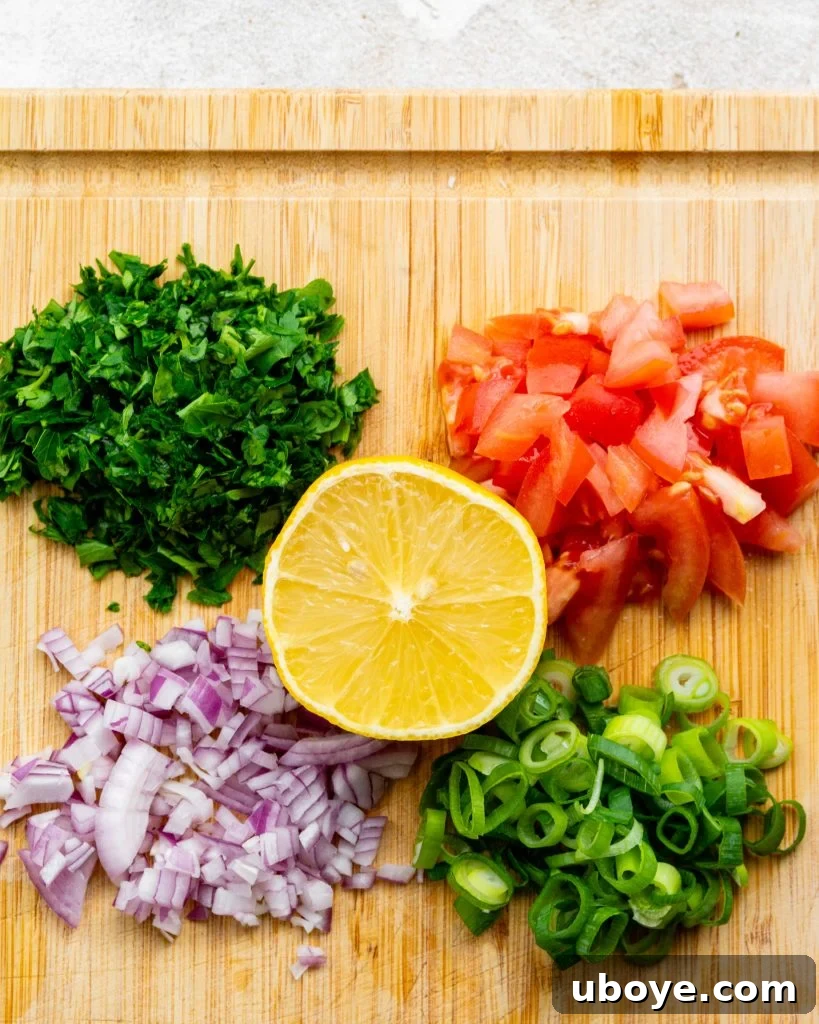
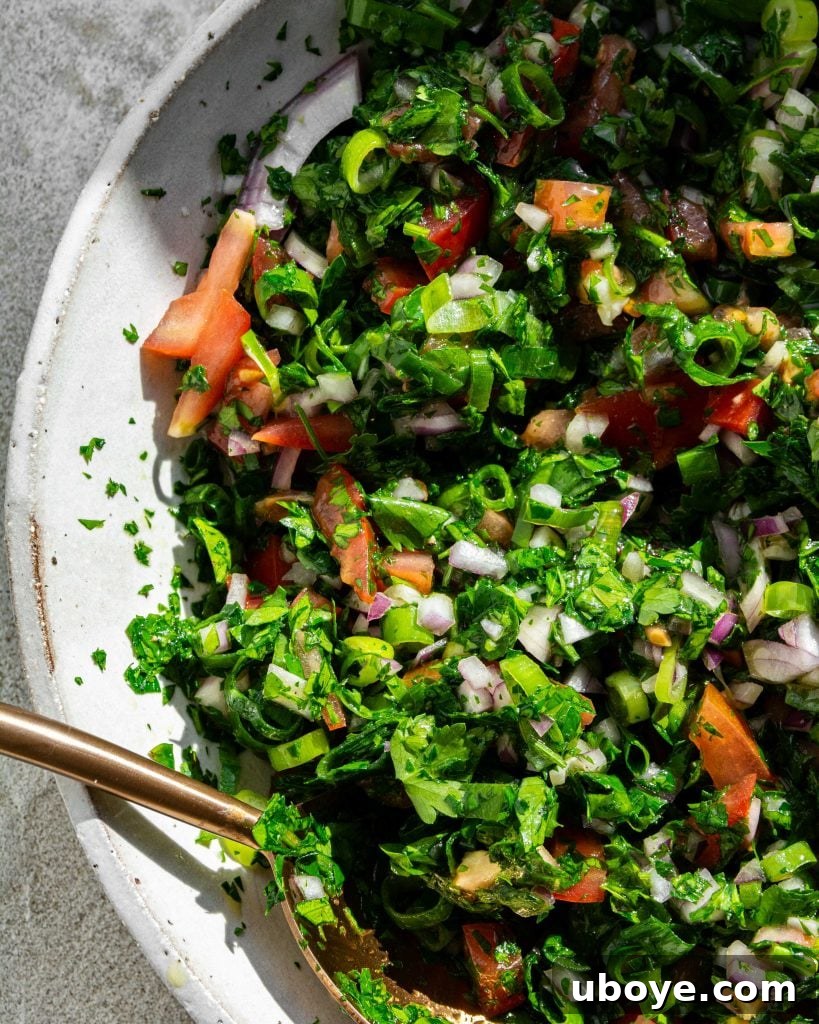
The texture of Tabouli is just as crucial as its flavor, and this is where precise chopping comes into play. All your herbs and vegetables should be very finely chopped, almost to a mince, but not so fine that they become a paste. This ensures that every spoonful offers an even distribution of flavors and a delightful, uniform texture. Spend a little extra time on this step – it makes all the difference.
- Parsley and Mint: Remove the leaves from their stems (you can keep a small portion of the tender top stems for parsley). Bunch them tightly and chop repeatedly with a sharp knife until very fine.
- Tomatoes: Dice them into small, uniform pieces. If your tomatoes are very watery, gently scoop out some of the seeds and excess liquid to prevent the salad from becoming soggy.
- Onions: Both spring onions and red onions should be finely sliced or minced to integrate smoothly into the salad without overpowering other ingredients.
Crafting the Zesty Lemon-Olive Oil Dressing
The dressing for Tabouli is elegantly simple, allowing the fresh ingredients to truly shine. You’ll need just a few key components to create a balanced and flavorful dressing:
- Smooth, Rich Olive Oil: Invest in a good quality extra virgin olive oil. Its fruity, peppery notes will beautifully complement the fresh herbs and vegetables.
- Freshly Squeezed Lemon Juice: This is the backbone of the dressing’s tanginess. Always use fresh lemons; bottled juice simply won’t yield the same vibrant flavor.
- Generous Amount of Salt and Pepper: These seasonings are crucial for bringing out and enhancing all the other flavors. Don’t be shy, but always taste and adjust.
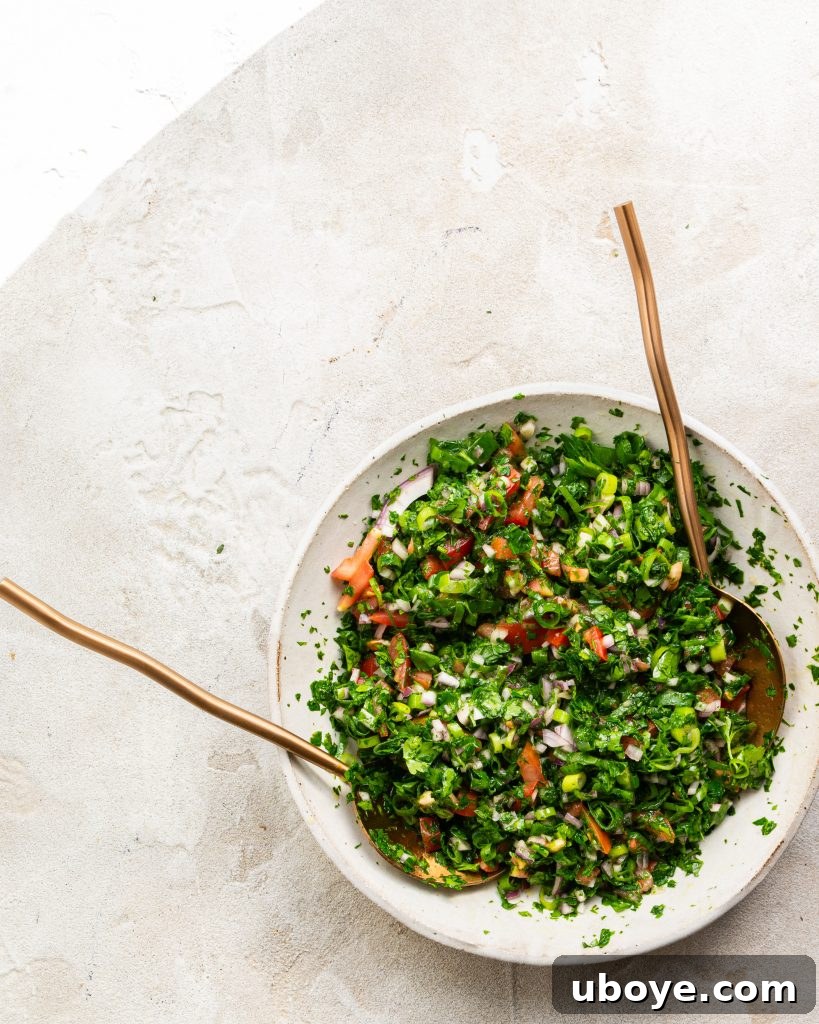
Combine the olive oil and lemon juice, then whisk well. Season with salt and freshly ground black pepper to taste. If you prefer more tanginess, add more lemon juice gradually until you achieve your desired balance. The key is to create a dressing that brightens without overwhelming. Once the dressing is ready, combine it with all your finely chopped ingredients in a large bowl. Toss gently to ensure everything is evenly coated.
Finally, here’s my top tip: Remember to let the salad sit for at least 10-15 minutes (or even longer, up to an hour) before serving. This crucial step allows the flavors to meld together beautifully, intensifying their depth and making each bite even more delicious.
Elevate Your Meals: Versatile Pairings for Tabouli Salad
One of the most remarkable qualities of Tabouli salad is its incredible versatility. Its bright, clean flavors and refreshing profile make it an ideal companion to an astonishing array of dishes, effortlessly enhancing almost any meal. Whether you’re planning a full Mediterranean feast or simply looking for a fresh side to your everyday cooking, Tabouli fits right in.
Mediterranean Feast Inspirations
Given its rich Mediterranean heritage, Tabouli naturally shines when paired with other dishes from the region. Imagine a grand mezze spread, where Tabouli offers a cool, herbaceous counterpoint to richer, savory elements:
- Grilled Meats: The zesty freshness of Tabouli cuts beautifully through the richness of grilled lamb, chicken souvlaki, or beef kebabs. The tanginess helps cleanse the palate, making each bite of meat more enjoyable. For instance, try serving it alongside slow-roasted lamb souvlaki for a hearty and satisfying dinner that feels both authentic and incredibly flavorful.
- Falafel and Hummus: A classic pairing! Tabouli adds a fresh, crisp texture and vibrant flavor to the creamy textures of hummus and the earthy crunch of falafel. It completes a perfect vegetarian or vegan platter.
- Fish and Seafood: Grilled or baked fish, especially white fish like snapper or sea bass, benefits greatly from Tabouli’s brightness. The lemon in the salad complements seafood wonderfully, creating a light and healthy meal.
- Other Mezze Items: Serve Tabouli alongside baba ghanoush, tzatziki, olives, and warm pita bread for an authentic Mediterranean experience. It adds a crucial fresh element to balance the spread.
Beyond Mediterranean: Global Inspirations
Don’t limit Tabouli to only Mediterranean fare! Its adaptable nature allows it to complement a surprisingly wide range of international and everyday dishes:
- Tacos and Burrito Bowls: Use Tabouli as a fresh topping for fish tacos or as a refreshing component in a deconstructed burrito bowl, replacing traditional salsa or adding an extra layer of freshness.
- Breakfast Scramble: A spoonful of Tabouli can brighten up a morning egg scramble or omelet, adding a burst of fresh herbs and vegetables.
- Sandwiches and Wraps: Add Tabouli to your chicken salad sandwich or layer it into a veggie wrap for an extra layer of flavor and moisture.
- Grain Bowls: Integrate Tabouli into your favorite grain bowl alongside roasted vegetables, protein, and a complementary dressing for a complete and wholesome meal.
From a quick and healthy lunch to an elaborate dinner party spread, Tabouli consistently proves its worth as an incredibly versatile, flavor-packed addition to almost any table. It truly is a salad for all occasions.
The Abundant Health Benefits of Tabouli
Tabouli is not only a delight for your taste buds but also a powerhouse of nutrition that offers significant health benefits. It’s truly a dish you can feel good about eating, packed with fresh, wholesome ingredients that contribute to overall well-being.
Nutritional Powerhouse Ingredients
The magic of Tabouli’s health benefits lies in its core ingredients:
- Parsley: As the primary ingredient, parsley is far more than just a garnish. It’s an incredible source of Vitamin K, essential for blood clotting and bone health. It also provides significant amounts of Vitamin C, a powerful antioxidant that supports the immune system, and Vitamin A, vital for vision and skin health. Parsley also contains various antioxidants and anti-inflammatory compounds.
- Tomatoes: These juicy red gems are rich in Vitamin C and lycopene, a potent antioxidant known for its potential role in reducing the risk of certain cancers and promoting heart health. Tomatoes also provide Vitamin K, folate, and potassium.
- Lemon Juice: Bursting with Vitamin C, lemon juice boosts immunity, aids in iron absorption, and acts as a natural detoxifier. Its acidity also helps with digestion.
- Olive Oil: A cornerstone of the Mediterranean diet, extra virgin olive oil is loaded with monounsaturated fatty acids (MUFAs), known as “healthy fats.” These fats are celebrated for their benefits to heart health, including lowering bad cholesterol levels and reducing inflammation. Olive oil also contains antioxidants like Vitamin E.
- Spring Onions/Red Onions: Onions, in general, are a good source of Vitamin C, B vitamins, and potassium. They also contain quercetin, an antioxidant that has anti-inflammatory properties.
- Mint (if included): Fresh mint is known for its digestive benefits, helping to soothe indigestion and relieve bloating. It also contains small amounts of vitamins and antioxidants.
Overall Dietary Impact and Digestive Wellness
Beyond individual ingredients, Tabouli’s combined profile offers holistic health advantages:
- Rich in Antioxidants: The abundance of fresh vegetables and herbs means Tabouli is packed with various antioxidants that help combat free radicals, protecting your cells from damage and supporting anti-aging processes.
- Excellent Source of Fiber: All the fresh vegetables contribute to a high fiber content, which is crucial for digestive health. Fiber aids in regular bowel movements, prevents constipation, and can help regulate blood sugar levels. If you include bulgur, the fiber content increases even further.
- Hydrating: With a high water content from tomatoes and fresh herbs, Tabouli contributes to your daily hydration, which is essential for all bodily functions.
- Supports Heart Health: The healthy fats from olive oil combined with the antioxidants and fiber from vegetables contribute to a heart-healthy diet, helping to maintain healthy cholesterol levels and reduce cardiovascular risk.
- Weight Management Friendly: Low in calories and high in fiber and nutrients, Tabouli is a satisfying and filling salad that can aid in weight management by promoting satiety and providing essential nutrients without excess calories.
Incorporating Tabouli into your diet is an easy and delicious way to boost your intake of fresh vegetables, healthy fats, and vital nutrients, making it a fantastic choice for anyone seeking a wholesome and balanced lifestyle.
Tips for Making and Storing Tabouli
To ensure your Tabouli salad is always at its best, consider these practical tips for preparation and storage:
- Ingredient Temperature: For the best flavor, ensure all your vegetables are at room temperature before mixing. This helps them better absorb the dressing.
- Chop Dry Ingredients: Make sure your parsley and other herbs are thoroughly dry after washing. Excess water can dilute the dressing and make the salad watery. A salad spinner is very useful here.
- Don’t Over-Dress Initially: While the flavors meld when sitting, it’s sometimes best to add about 80% of the dressing initially and then adjust just before serving. This prevents the salad from becoming overly soggy, especially if you’re making it ahead.
- Make Ahead (with caution): Tabouli is often best made a few hours in advance to allow flavors to meld. However, if using bulgur, be mindful that it will continue to absorb liquid, so you might need to refresh with a splash of olive oil and lemon juice before serving. If you’re not using bulgur, it holds up even better.
- Storage: Store leftover Tabouli in an airtight container in the refrigerator for up to 2-3 days. The parsley will soften slightly over time, but the flavors generally deepen. Avoid freezing Tabouli, as the fresh vegetables will lose their crispness and texture upon thawing.
- Rejuvenate Leftovers: If your Tabouli seems a bit dull or dry the next day, a fresh squeeze of lemon juice and a drizzle of extra virgin olive oil can work wonders to revive its vibrancy.
By following these tips, you can ensure your homemade Tabouli is consistently fresh, flavorful, and enjoyable!
Frequently Asked Questions About Tabouli
Here are answers to some common questions about this popular Mediterranean salad:
- Can I make Tabouli gluten-free?
Absolutely! The recipe shared here is naturally gluten-free as it omits bulgur wheat. If you wish to add a grain-like texture, you can substitute bulgur with cooked quinoa or even finely riced cauliflower for a grain-free, low-carb option.
- What is the difference between Tabouli and Fattoush?
While both are popular Lebanese salads, they are distinct. Tabouli is an herb-heavy salad, with finely chopped parsley and mint as its main components, dressed simply with lemon and olive oil. Fattoush, on the other hand, is a mixed green salad featuring larger pieces of lettuce, cucumbers, tomatoes, radishes, and typically includes toasted or fried pita bread pieces, dressed with a sumac-infused vinaigrette.
- How finely should I chop the parsley?
Very finely! The ideal Tabouli texture requires the parsley to be minced to almost the size of couscous or fine bulgur. This prevents stringiness and ensures an even distribution of flavor in every bite.
- Can I add other vegetables?
While the classic recipe is focused, some variations include finely diced cucumbers or bell peppers. Just remember to keep them finely diced to maintain the characteristic texture of Tabouli.
- Is Tabouli traditionally vegan?
Yes, traditional Tabouli is inherently vegan, made entirely from plant-based ingredients like herbs, vegetables, lemon juice, and olive oil. This makes it an excellent choice for vegan and vegetarian diets.
Conclusion: Your New Go-To Salad
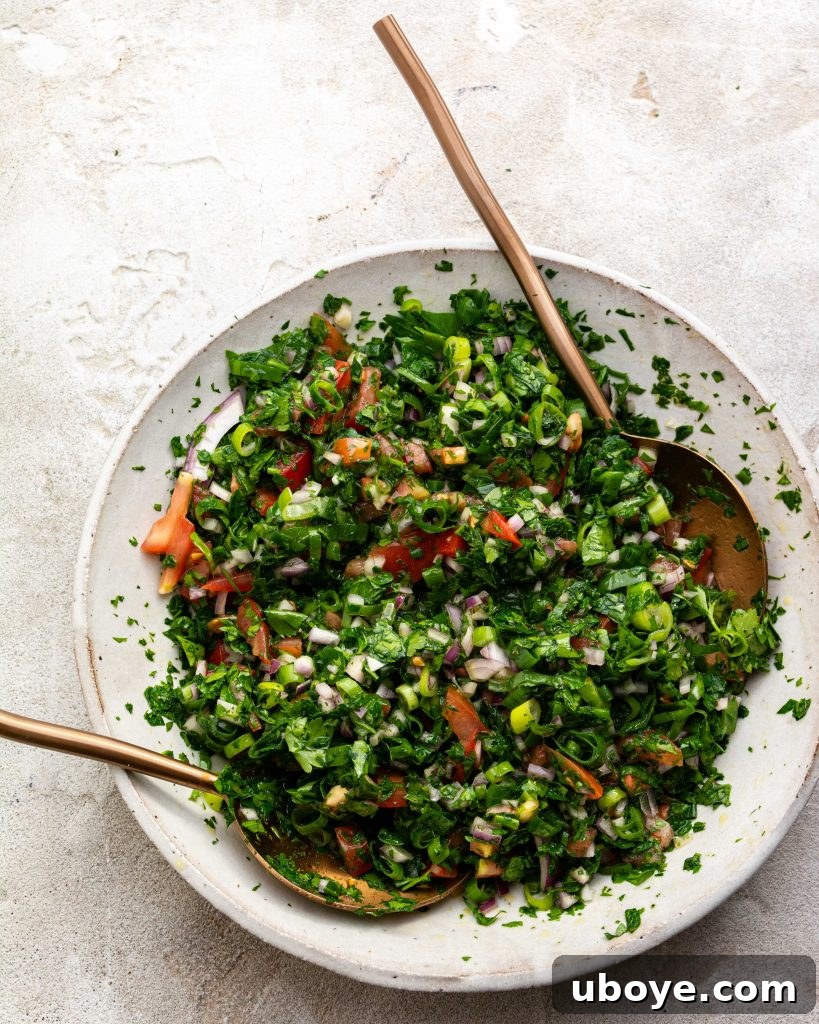
My Tabouli salad recipe is more than just a dish; it’s a fresh, flavorful, and incredibly versatile addition to any meal, promising a delightful culinary experience. Whether you’re seeking a healthy side dish to brighten your table, a vibrant salad to complement robust mains, or simply a refreshing standalone meal, Tabouli is the perfect choice. Its simplicity in preparation belies its complex and satisfying flavors, making it a recipe you’ll find yourself returning to again and again.
Embrace the freshness, savor the zesty notes, and enjoy the nutritional benefits packed into every spoonful. So, gather your fresh ingredients, sharpen your knife, and get ready to enjoy this delightful Mediterranean classic that truly everyone loves. It’s time to let Tabouli become your new favorite go-to salad!
The Ultimate Tabouli (Tabbouleh) Recipe
By Daen Lia
Ingredients
- 2 large parsley bunches, leaves removed from stems and finely chopped
- 1 bunch spring onions, sliced
- 2 tomatoes, diced
- 1/2 red onion, finely sliced (optional, for a sharper bite)
- 1/4 cup fresh mint leaves, finely chopped (optional, for extra freshness)
- 1/2 cup extra virgin olive oil
- 1 lemon, juiced
- Salt and freshly ground black pepper, to taste
Instructions
- Wash and thoroughly dry all herbs and vegetables. This is crucial for a crisp salad.
- Finely chop the parsley, mint (if using), spring onions, tomatoes, and red onion (if using). Ensure all ingredients are chopped to a similar, very fine consistency.
- Place all chopped ingredients into a large mixing bowl.
- In a small separate bowl, whisk together the olive oil and fresh lemon juice. Season generously with salt and pepper.
- Pour the dressing over the chopped vegetables and herbs in the large bowl. Mix gently to combine all ingredients thoroughly.
- Taste the salad to ensure you have enough seasoning and dressing. Adjust salt, pepper, or lemon juice to your liking.
- For the best flavor, allow the salad to sit for at least 10-15 minutes before serving. This crucial step lets all the flavors meld together beautifully.
- Serve chilled or at room temperature as a refreshing side dish or part of a larger meal.

Like this recipe? Leave a comment below! Share your thoughts and tell me how it turned out.