
Jump to Recipe Print Recipe Jump to Video
The Ultimate Easy Lemon Butter Cake: A Zesty Classic for Every Occasion
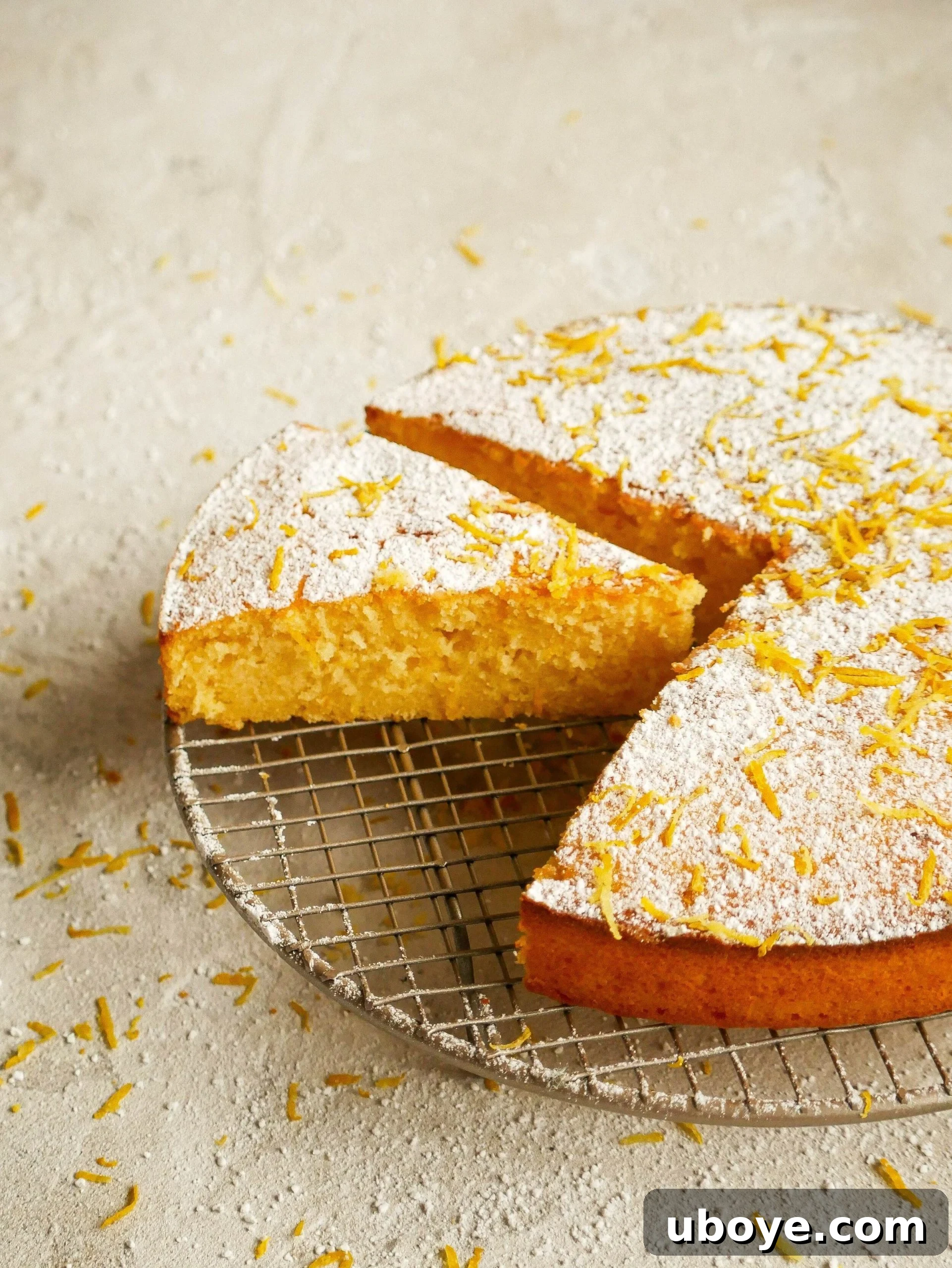
There’s an undeniable charm and timeless appeal to a perfectly baked lemon butter cake. It’s a dessert that effortlessly combines simplicity with profound flavor, making it a beloved staple in kitchens worldwide. This particular recipe for a sweet little lemon butter cake may appear unassuming, but its straightforward nature is precisely what makes it extraordinary. Often, the most uncomplicated treats are the ones that truly shine, modestly capturing hearts with their inherent goodness. Picture a cake with a remarkably light and tender crumb, generously infused with bright, tangy lemon notes, and boasting a rich, inviting golden color thanks to the thoughtful use of premium butter. It’s more than just a cake; it’s a comforting embrace, a slice of pure joy that proves you don’t need intricate designs or complex steps to create a truly memorable dessert.
This versatile classic is delightful whether enjoyed in its pure form, allowing its natural flavors to take center stage, or enhanced with a simple accompaniment. A dollop of freshly whipped cream, a delicate dusting of powdered sugar, or a vibrant lemon glaze can elevate its appeal, but the cake’s inherent perfection shines through regardless. This recipe has garnered immense popularity, quickly becoming a cherished favorite, and its widespread acclaim is a testament to its irresistible taste and foolproof method. It’s an ideal choice for a casual afternoon tea, a festive family gathering, or simply as a comforting treat to brighten any day, promising to become a go-to recipe in your baking repertoire.
The Secret Behind This Cake’s Irresistible Flavor and Texture
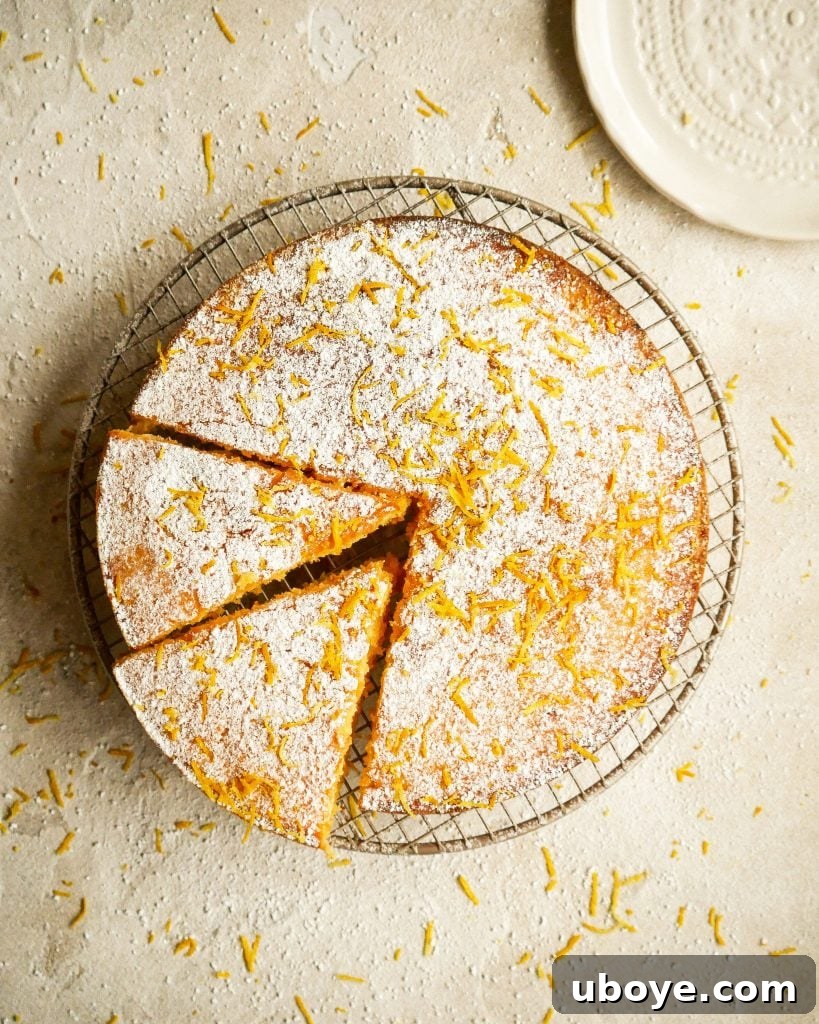
What makes this lemon butter cake such a standout recipe? It’s all in the details – a combination of careful ingredient selection and a clever technique that truly maximizes its vibrant citrus character. The batter is meticulously crafted using both fresh lemon juice and a generous amount of finely grated lemon zest. A unique aspect of this recipe involves whipping the lemon zest together with the caster sugar right at the start of the baking process. This crucial step helps to release the aromatic essential oils from the zest, infusing the sugar with an intense lemon fragrance and flavor. The result is a cake where every single bite is permeated with bright, zesty notes, creating a multi-layered citrus experience that’s truly delightful.
Beyond the lemon, this recipe ingeniously incorporates milk, which, when combined with the acidic lemon juice, swiftly transforms into a homemade buttermilk within the batter. This chemical reaction is instrumental in contributing to the cake’s incredibly tender, moist, and fine crumb. The buttermilk also imparts a subtle tang that beautifully complements the sweet and zesty lemon profiles, adding another dimension of flavor complexity. The resulting batter is remarkably smooth, light, and full of flavor, setting the perfect foundation for a dessert that is not only simple to prepare but also exceptionally delicious and consistently impressive. It’s this thoughtful synergy of ingredients and techniques that cements its status as an enduring favorite for home bakers looking for the best lemon butter cake.
Elevating Your Bake: Why Quality Butter Matters (Featuring Westgold)
For a recipe as delightfully straightforward as this lemon butter cake, the quality of each ingredient truly stands out. When a cake relies on just a few core components, each one must be exceptional to deliver the desired depth, richness, and overall sensory experience. This is precisely why we highly recommend using high-quality butter, such as Westgold. Butter is far more than just a fat in this creation; it is a fundamental flavor builder, a primary contributor to the cake’s character.
Premium butter, with its superior creamy texture, rich golden hue, and exquisite flavor profile, elevates the entire cake to new heights. It plays a pivotal role in achieving that inviting golden crust, a wonderfully velvety and tender crumb, and a deeply satisfying, luxurious mouthfeel that simply cannot be replicated by lesser alternatives. Using the finest butter available ensures that every forkful of your lemon butter cake is a truly indulgent affair, celebrating the pure, unadulterated goodness and artisanal quality that classic baking embodies. It’s an investment in flavor that truly transforms a simple cake into a gourmet experience.
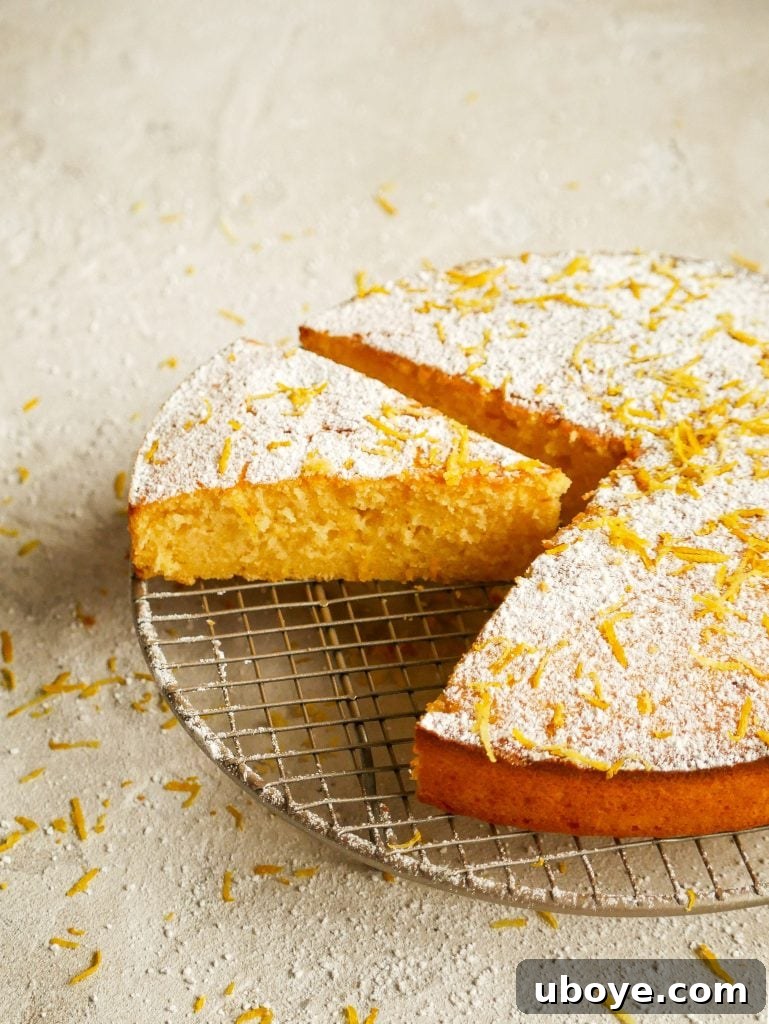
Beyond the butter, the freshness of your lemons is equally non-negotiable. Fresh lemon zest, rich in aromatic oils, provides an authentic and vibrant citrus punch that far surpasses any bottled extracts. Similarly, fresh, large eggs contribute significantly to the cake’s structure, richness, and moisture, while good quality all-purpose flour ensures a tender crumb. Think of each ingredient as a critical building block; the stronger and more premium each block is, the more robust, flavorful, and ultimately delicious your final lemon butter cake will be. By prioritizing quality in these key components, you’re setting yourself up for an unparalleled baking success, creating a cake that truly tastes divine.
Frequently Asked Questions for Baking Your Lemon Butter Cake
Can I make this cake in a loaf or bundt tin?
Absolutely! While this lemon butter cake boasts a classic and elegant presentation when baked in a standard 23cm (9-inch) round cake tin, its versatility allows it to be baked successfully in a bundt tin or a loaf tin, depending on your preference or what you have available. If you opt for a bundt tin, which often features intricate patterns, it is incredibly important to grease it exceptionally well. Use softened butter and ensure every groove and crevice is thoroughly coated, then dust lightly with flour or use a baking spray containing flour. This meticulous preparation is crucial for preventing the cake from sticking and ensuring a clean release, preserving its beautiful design. Keep in mind that baking times may vary slightly with different tin shapes and sizes; bundt cakes might require a bit longer, while a loaf cake could be quicker. Always test for doneness by inserting a wooden skewer into the center – it should come out clean. A loaf cake will yield a wonderfully moist, dense loaf, perfect for everyday slicing, while a bundt cake makes for a stunning centerpiece with minimal decorating effort.
Do my eggs and butter need to be at room temperature?
Yes, bringing your eggs and butter to room temperature is a foundational step that significantly impacts the final texture and quality of your lemon butter cake. This is critical for proper emulsification during the creaming process. When cold ingredients are added to creamed butter and sugar, they can cause the mixture to seize and curdle, leading to a lumpy, separated batter. While the cake might still bake, the resulting texture could be denser, less even, and potentially tougher. Room temperature ingredients, on the other hand, blend seamlessly, creating a smooth, light, and airy batter that incorporates air effectively. This aeration is key to a cake with a wonderfully tender, consistent crumb and a beautiful rise. Plan ahead by removing these ingredients from the refrigerator at least 1-2 hours before you intend to start baking.
What do I do if I forgot to take my butter out to bring it to room temperature?
It’s a common oversight for even experienced bakers! If you’ve forgotten to soften your butter overnight, there’s a quick and effective trick to get it to room temperature without accidentally melting it. First, place a microwave-safe bowl filled with water into your microwave and heat it until the water is boiling and steamy – usually 1-2 minutes on high power. Carefully remove the bowl of hot water. Immediately place your cold butter (either unwrapped or in its original packaging) into the microwave, then quickly close the door. Do NOT turn the microwave on again. The residual heat and steam trapped inside the microwave will create a warm, gentle environment that will gradually soften the butter within several minutes. Check its consistency periodically; it should be soft enough to leave an indentation when gently pressed with your finger, but crucially, not melted. Alternatively, you can cut the cold butter into small cubes and spread them on a plate, allowing the increased surface area to speed up the softening process on the counter. For cold eggs, placing them in a bowl of warm (not hot) tap water for 5-10 minutes can also quickly bring them to the ideal temperature.
What eggs do you use in this recipe?
For consistent and reliable baking results across all our recipes, including this delightful lemon butter cake, we specifically recommend using large eggs. In many regions, this corresponds to eggs sourced from a 700g egg carton. Using eggs of a consistent size is vital because it ensures that the delicate balance between the wet and dry ingredients in the recipe is perfectly maintained. This precision directly contributes to the ideal rise, moisture, and overall tender texture of your finished cake. If your eggs happen to be smaller than the specified “large,” you might consider adding an additional egg to compensate for any potential lack of liquid, ensuring adequate moisture and structural integrity. Conversely, if your eggs are significantly larger, a slight adjustment to other wet ingredients might be considered for extreme precision, though for most home baking, standard large eggs will yield excellent results. Consistency in egg size helps eliminate variables, making your baking experience more predictable and successful.
Expert Baking Tips for a Flawless Lemon Butter Cake
Achieving a truly flawless lemon butter cake is incredibly satisfying and entirely within your grasp by following a few expert baking tips. Beyond the critical steps of using quality, room-temperature ingredients, precision in your technique will significantly enhance your final results. Firstly, always measure your ingredients accurately. Baking is often likened to a science, where even small deviations can subtly alter the outcome. Use proper measuring cups and spoons, and for flour, either weigh it using a kitchen scale for the most accurate measurement or spoon it lightly into the cup and level it off with a straight edge to avoid a dense, heavy cake. Over-packed flour can add too much dry ingredient.
Secondly, once you begin incorporating the dry ingredients into the wet batter, resist the temptation to overmix. Overmixing flour develops gluten, which can lead to a tough, chewy, and dry cake, rather than the desired tender and delicate crumb characteristic of a good butter cake. Mix only until the ingredients are just combined and no visible streaks of flour remain in the batter. This gentle approach is especially important for maintaining the cake’s light texture. Thirdly, ensure your oven is accurately preheated. An oven thermometer can be an invaluable tool to verify your oven’s true temperature, as many home ovens can run hotter or cooler than their display indicates. An oven that is too hot can cause the cake to brown too quickly on the outside before the inside is cooked, while a too-cool oven can result in a flat or dense cake. Lastly, try to avoid opening the oven door frequently, particularly during the first 30-40 minutes of baking. Each time the door is opened, the oven temperature drops, which can cause the cake to sink in the middle. Patience is a virtue in baking!
Delicious Serving Suggestions and Creative Variations
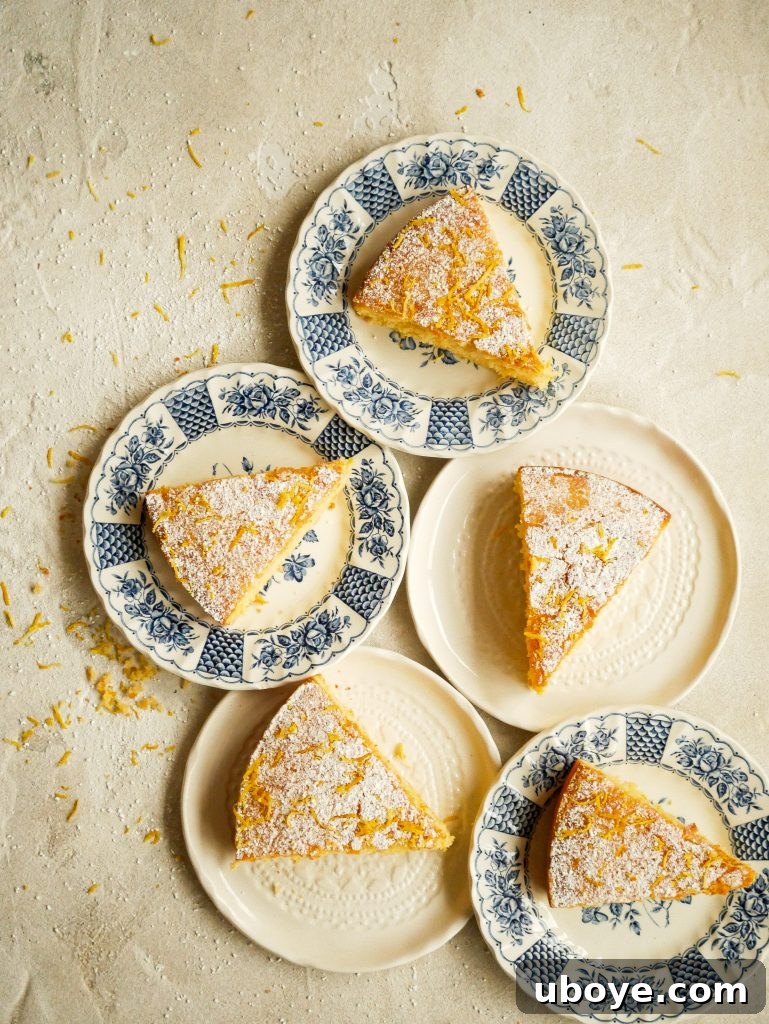
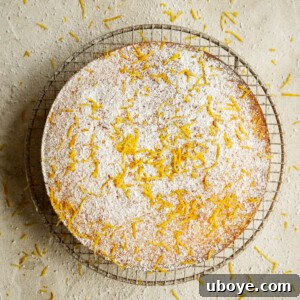
This lemon butter cake is wonderfully versatile and perfectly adaptable for almost any serving scenario. While it’s utterly delightful when enjoyed simply on its own, a light dusting of icing sugar and a sprinkle of extra fresh lemon zest can dramatically enhance both its visual appeal and its bright, aromatic flavor. For a more indulgent treat, consider pairing a warm slice with a generous dollop of freshly whipped cream or a scoop of velvety vanilla bean ice cream, allowing the cool, creamy elements to beautifully complement the warm, zesty cake. Fresh seasonal berries, such as raspberries, blueberries, or strawberries, or a homemade berry compote, can add a vibrant burst of color and an additional layer of fruity tang, creating a delightful contrast. A simple lemon glaze, easily made by whisking powdered sugar with fresh lemon juice until smooth, can be drizzled over the cooled cake for an extra zesty kick and a beautiful, glossy finish.
Should you feel inspired to experiment and get creative, here are a few delicious variations to try:
- Lemon Poppy Seed Cake: For a delightful textural contrast and a subtle nutty flavor, fold in 2 tablespoons of poppy seeds along with your dry ingredients.
- Almond Lemon Delight: Introduce a sophisticated note by adding ½ teaspoon of almond extract along with the vanilla. For an extra touch of elegance and crunch, sprinkle a handful of sliced almonds over the top of the batter before baking.
- Coconut Lemon Dream: Transport your taste buds to a tropical paradise by gently folding ½ cup of unsweetened shredded coconut into the batter, offering a lovely chewiness and a hint of exotic flavor.
No matter how you choose to present or adapt it, this lemon butter cake is destined to be a crowd-pleaser, earning rave reviews from everyone who tastes it.
Optimal Storage Instructions for Your Lemon Butter Cake
Ensuring your lemon butter cake stays fresh, moist, and delicious for as long as possible requires proper storage. Once the cake has completely cooled to room temperature – this is crucial to prevent condensation and sogginess – it can be stored in an airtight container at room temperature for up to 3 to 4 days. If you wish to extend its freshness, you can refrigerate the cake in an airtight container for up to a week. The chill might slightly alter the texture, but it will still be delicious.
For longer-term preservation, this lemon butter cake freezes beautifully. To freeze, wrap individual slices or the entire cooled cake tightly first in plastic wrap, ensuring no air can get in, and then follow with a layer of aluminum foil. Place the well-wrapped cake in a freezer-safe bag or an airtight container to prevent freezer burn. It can be stored in the freezer for up to 2 to 3 months. When you’re ready to enjoy a slice, simply thaw the frozen cake overnight in the refrigerator or at room temperature for a few hours. This convenient storage method ensures you can savor a piece of this delightful cake whenever a craving for something sweet and zesty strikes, without compromising on flavor or texture.
If you make this beloved lemon butter cake recipe, we would absolutely love to see your wonderful creations! Please don’t hesitate to tag us on Instagram, TikTok, or Pinterest so we can admire your delicious results and share in your baking success!
We always cherish connecting with our community. If you have any questions about this recipe or would like to share your feedback, please feel free to leave a comment or review below. We truly love answering all your food and recipe-related inquiries and hearing your thoughts on our culinary creations.
★
★
★
★
Lemon Butter Cake
Ingredients
- 200 g Westgold unsalted butter, at room temperature and cut into cubes
- 1 cup caster sugar
- 1 tsp vanilla extract
- 1 tbsp lemon zest, finely grated, plus extra to serve
- 4 large eggs, at room temperature (from a 700g carton)
- 1/2 cup fresh lemon juice
- 1/2 cup full cream milk
- 2 cups all purpose flour, sifted
- 2 tsp baking powder
- icing sugar , for dusting
Instructions
-
Preheat your oven to 170 degrees Celsius (conventional) or 150 degrees Celsius (fan forced). Generously grease a standard 23cm (9-inch) round cake tin with softened butter or a baking spray, then lightly dust it with flour, tapping out any excess.
-
In the bowl of an electric mixer fitted with a paddle attachment, combine the softened butter, caster sugar, finely grated lemon zest, and vanilla extract. Beat on medium speed for 3-5 minutes until the mixture is visibly pale, light, and fluffy. Gradually add the room temperature eggs, one at a time, beating thoroughly after each addition. Remember to scrape down the sides of the bowl frequently with a silicone spatula to ensure all ingredients are well combined and the batter remains smooth. Once all eggs are incorporated, gently mix in the full cream milk, followed by the fresh lemon juice. The mixture might appear slightly curdled at this stage due to the lemon juice reacting with the milk, but this is normal and will resolve as you add the dry ingredients.
-
In a separate medium bowl, whisk together the sifted all-purpose flour and baking powder. With your electric mixer on a low speed, add the dry ingredients to the wet mixture in three equal additions. Mix each addition just until they are combined and no streaks of flour remain, being very careful not to overbeat the batter. Overmixing can lead to a tough cake. Scrape down the bowl as needed to ensure a uniform batter. The final batter should be smooth and cohesive.
-
Pour the prepared cake batter evenly into your greased and floured cake tin. Use a spatula to gently smooth out the top surface of the batter. To release any trapped air bubbles and encourage an even bake, gently tap the cake tin firmly onto your kitchen counter several times. This simple step helps to settle the batter and contributes to a perfectly level top on your finished cake. Bake for 50-55 minutes, or until a wooden skewer inserted into the very center of the cake comes out clean. The cake should appear golden brown and spring back lightly when gently touched.
-
Once baked, carefully remove the cake from the oven and allow it to cool in the tin for approximately 10 minutes. This crucial resting period allows the cake to firm up slightly, making it easier to handle without breaking. After 10 minutes, gently invert the cake onto a wire cooling rack and carefully remove the tin. Let the cake cool completely on the rack before attempting to slice or decorate it. Before serving, dust generously with icing sugar and sprinkle with additional fresh lemon zest for an extra vibrant pop of flavor and an appealing visual touch. Enjoy this delectable lemon butter cake on its own, with a dollop of cream, or alongside a scoop of your favorite ice cream for an exquisite treat.
Video
 Like this? Leave a comment below!