
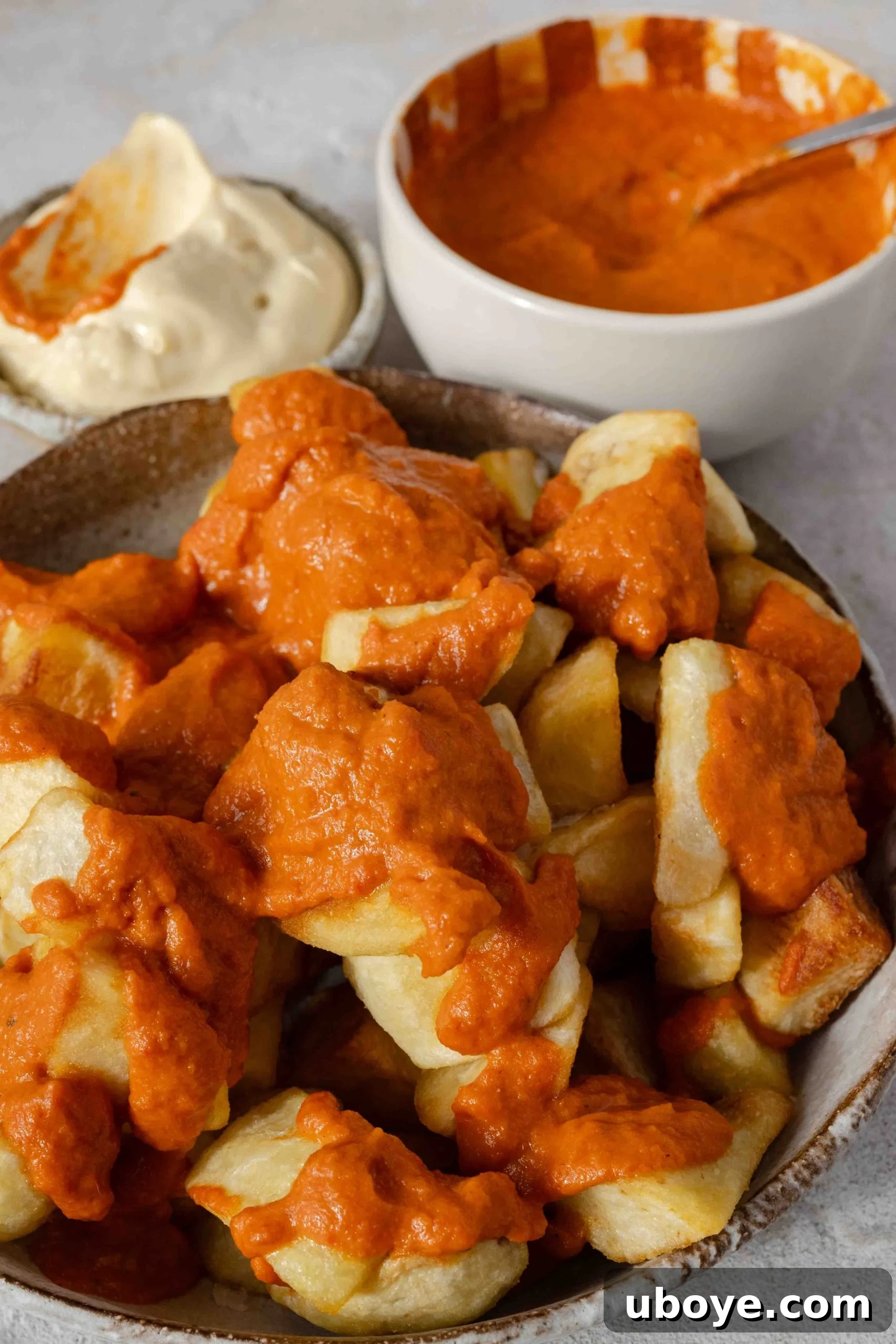
Authentic Patatas Bravas with Homemade Garlic Aioli: Your Ultimate Guide to Spanish Tapas
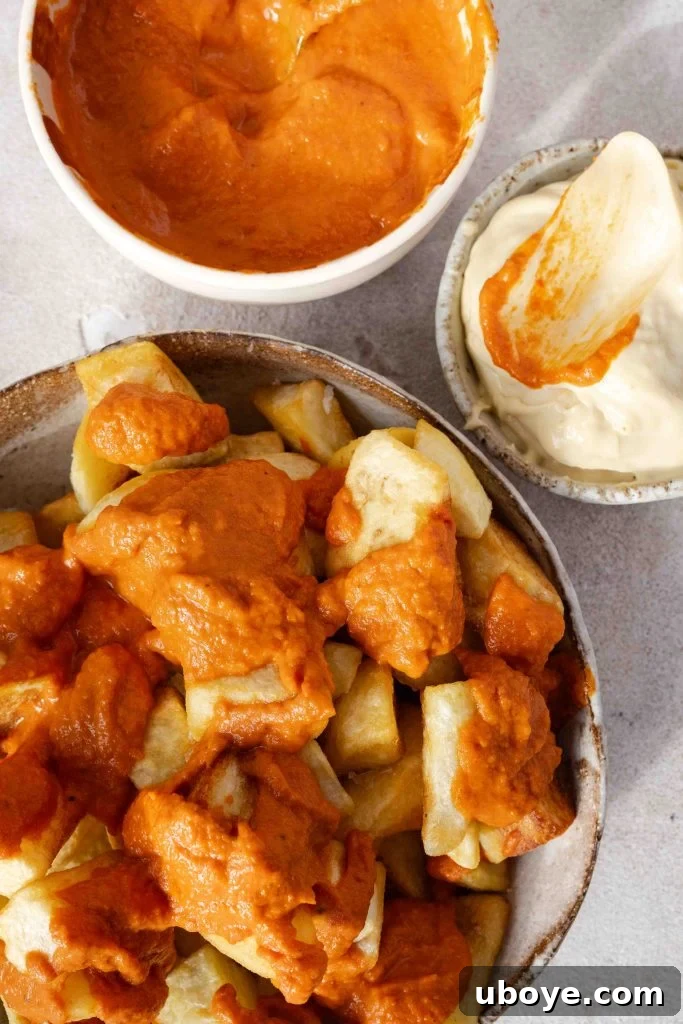
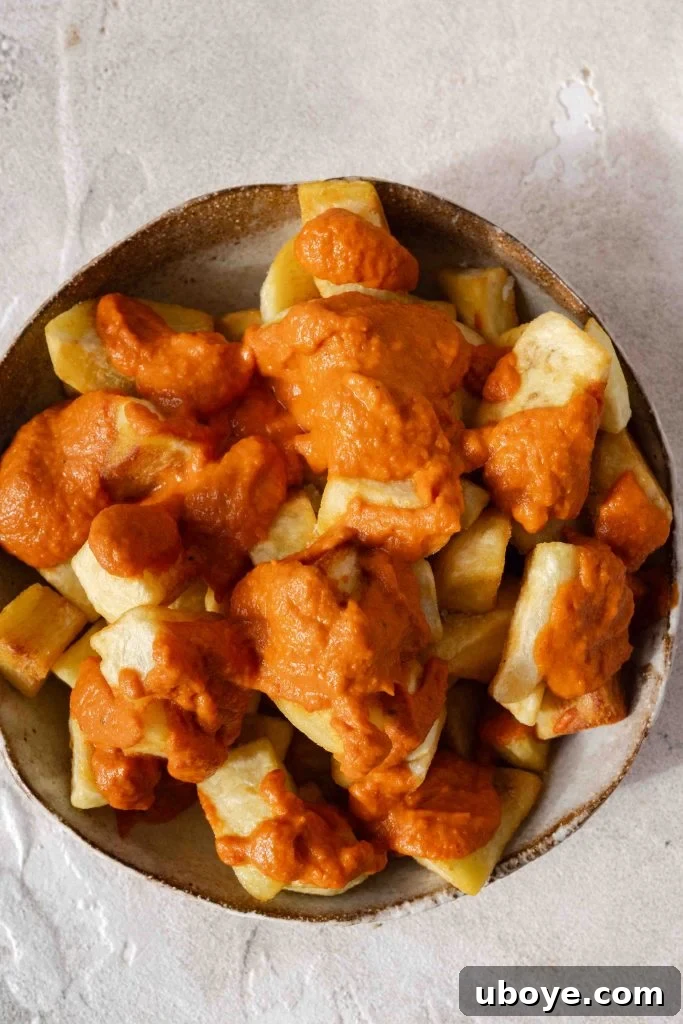
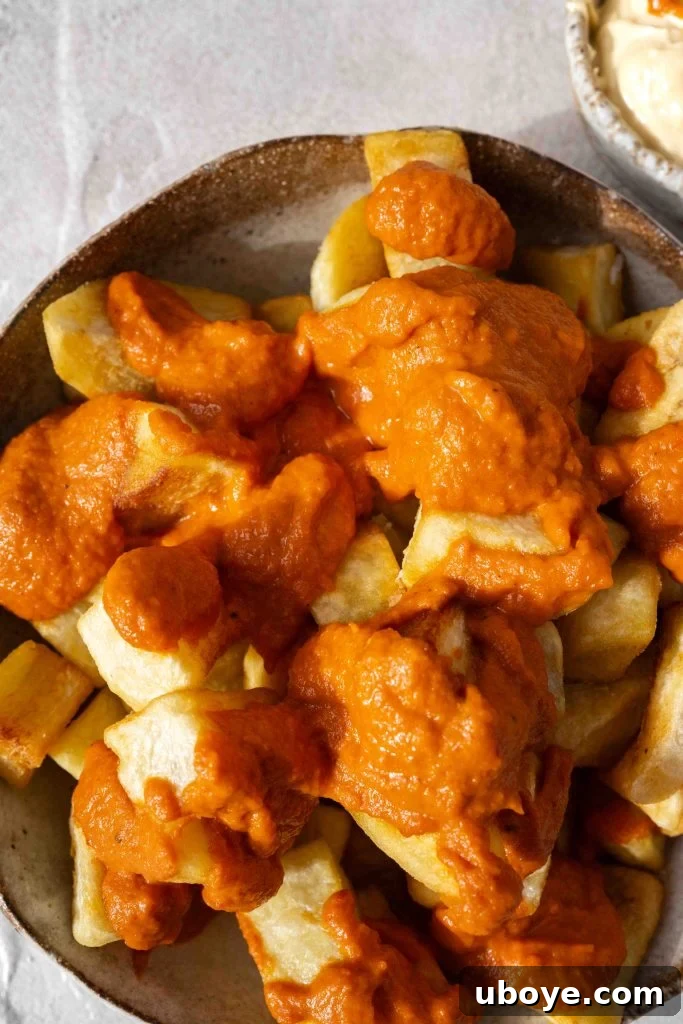
Imagine transporting your senses directly to the vibrant streets of Spain, where laughter echoes and tantalizing aromas fill the air. At the heart of this culinary journey lies Patatas Bravas, a dish that is far more than just fried potatoes. It’s a beloved Spanish solution to fries or potato chips, a holiday favorite, and a quintessential element of any tapas spread. This iconic dish features perfectly crispy potato cubes, generously adorned with a rich, smoky red sauce known as ‘bravas,’ and often elevated by a creamy, pungent garlic aioli. It’s a masterful blend of textures and flavors that truly encapsulates the lively spirit of Spanish cuisine, gracing tapas menus and dining tables across the globe.
While often appearing simple, mastering authentic Patatas Bravas requires a keen eye for detail and a few traditional techniques that transform it from a mere side dish into an unforgettable gastronomic experience. This comprehensive guide, drawing upon time-honored Spanish wisdom and invaluable tips from seasoned home cooks, will empower you to create restaurant-quality Patatas Bravas right in your own kitchen. Prepare to delight your friends and family with a taste of genuine Spain, proving that the best culinary adventures often begin at home.
The Irresistible Allure of Patatas Bravas: A Spanish Culinary Icon
A Glimpse into its History and Cultural Significance
Patatas Bravas, which literally translates to “brave potatoes” or “fierce potatoes,” has a fascinating history rooted in the bustling taverns of Madrid. While its exact origins are debated, the dish gained popularity as an affordable and satisfying tapa, served alongside a glass of beer or wine. Traditionally, the “brave” aspect referred to a spicy kick in the sauce, a characteristic that varies by region and personal preference today. Over time, it evolved into a staple, symbolizing the communal and convivial nature of Spanish dining. It’s not just food; it’s an invitation to share, converse, and savor the moment, embodying the heart and soul of Spanish culture. Its ubiquitous presence on tapas menus worldwide is a testament to its universal appeal and delicious simplicity.
Mastering the Fundamentals: The Perfect Patatas
The foundation of any exceptional Patatas Bravas lies in the potatoes themselves. Achieving that coveted golden, crispy exterior coupled with a tender, fluffy interior is an art, not a fluke. Here are the tried-and-true techniques that will ensure your potatoes are nothing short of perfection, just like a Spanish “mamá” would make them:
- Selecting the Right Potatoes: The choice of potato is paramount. Opt for starchy varieties such as Yukon Gold or Russet (also known as King Edward or Maris Piper in some regions). Their higher starch content is crucial for achieving that desirable fluffy texture after parboiling and optimal crispness once fried. Avoid waxy potatoes, as they tend to hold their shape too well and won’t get as fluffy.
- Thorough Starch Removal: After peeling and cutting your potatoes into generous 2-inch (5cm) cubes, place them in a large bowl and submerge them in cold water. Rinse them thoroughly, changing the water multiple times until it runs completely clear. This crucial step removes excess surface starch, which is a major culprit for gummy or soggy potatoes and hinders the formation of a truly crispy crust.
- The Art of Parboiling: This step is absolutely non-negotiable. Parboiling—boiling the potatoes for just 5 to 7 minutes with a pinch of bi-carb soda (baking soda)—is key. The baking soda slightly breaks down the potato’s surface, creating a rougher texture that will become incredibly crispy when fried. The potatoes should be partially cooked through, firm but not raw in the center, and certainly not soft or mushy. They need to retain some structure for the frying stage.
- The Critical Drying Phase: Patience truly is a virtue here. After parboiling, drain the potatoes immediately and spread them out in a single layer on a clean kitchen towel or several layers of absorbent paper. Gently pat them dry, removing every bit of surface moisture. For the ultimate crispy results, consider boiling your potatoes the night before. After patting them dry, place them uncovered on a baking tray or large plate and refrigerate overnight. This extended cooling and drying period is vital, as moisture is the arch-nemesis of crispiness. Perfectly dry, chilled potatoes will fry up incredibly golden and crunchy.
- Generous Seasoning: Don’t underestimate the power of salt! Once your potatoes are boiled and drained (and ideally dried), sprinkle them generously with good quality kosher or sea salt. Seasoning at this stage allows the salt to penetrate and flavor the potatoes from the inside out, rather than just sitting on the surface.
- Fry in Batches for Optimal Crispness: Resist the common urge to overcrowd your frying pan. Frying potatoes in smaller, manageable batches is essential for maintaining the oil’s temperature. When too many cold potatoes are added at once, the oil temperature drops dramatically, leading to soggy, oil-logged potatoes instead of beautifully crisp ones. Batch frying ensures each potato piece has ample space to fry evenly and reach that perfect, irresistible crunch.
- The Indispensable Olive Oil: While you might be tempted to use a neutral oil, authentic Patatas Bravas truly shines when fried in good quality extra virgin olive oil. This is not merely a cooking medium; it imparts a unique, nuanced flavor and a beautiful golden color to the potatoes that other oils simply cannot replicate. If a pure extra virgin olive oil feels too robust for your taste or budget, a light olive oil blend is a suitable compromise, but try to avoid completely substituting it for bland alternatives.
The Heart of the Dish: The Rich and Smoky Bravas Sauce
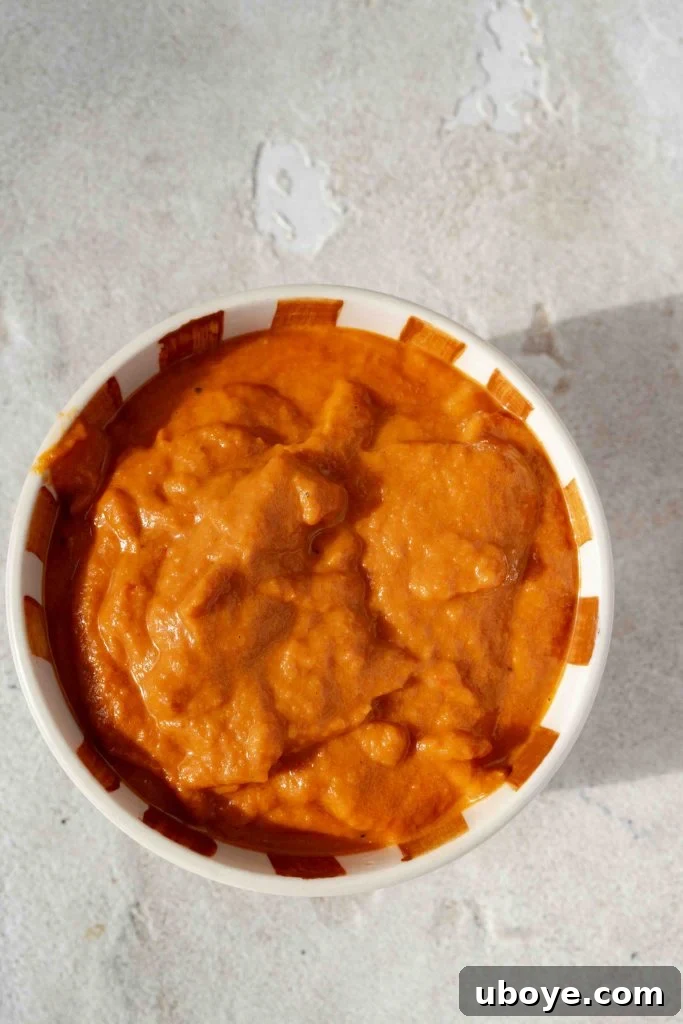
Once you’ve perfected your crispy patatas, it’s time to create the soul of the dish: the legendary bravas sauce. This savory, slightly piquant, and distinctly smoky red sauce is what gives Patatas Bravas its unique character and its “brave” reputation. While some versions can be quite spicy, this recipe focuses on developing a deep, complex flavor with a prominent smoky depth that is incredibly satisfying.
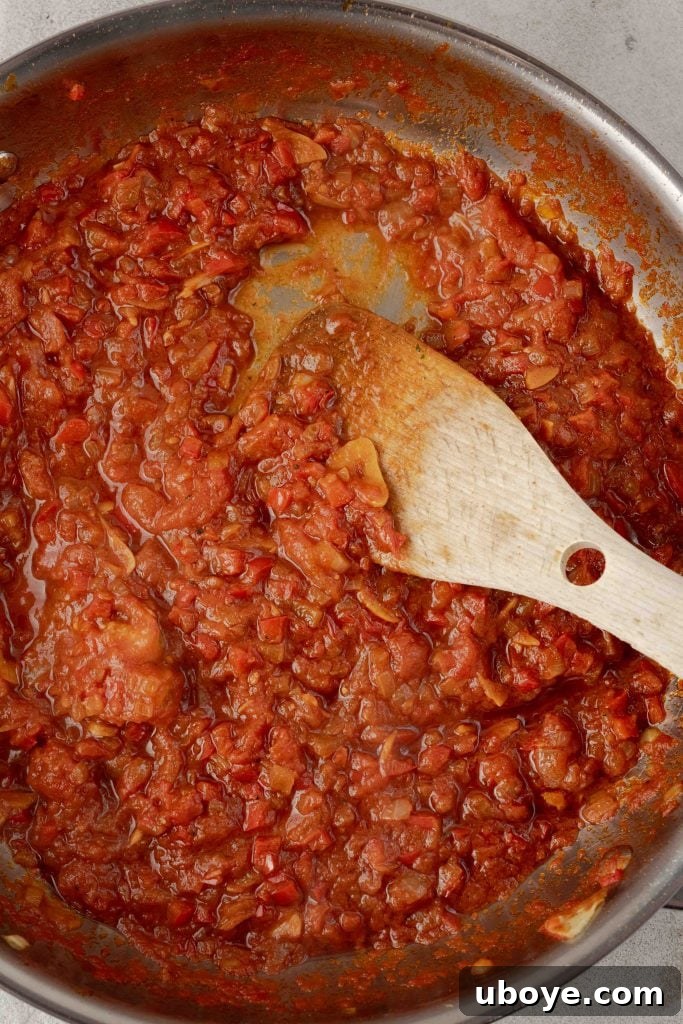
The journey to crafting this magnificent sauce begins with a harmonious blend of carefully selected ingredients and a methodical cooking process. It starts with slowly sautéing aromatics such as finely diced onion, red capsicum (bell pepper), and sliced garlic in fragrant extra virgin olive oil. These ingredients are gently cooked until they become translucent and wonderfully fragrant, forming the essential flavor foundation upon which the iconic red color and rich taste will be built.
The true magic unfolds with the addition of high-quality paprikas. A thoughtful combination of **sweet paprika** provides a gentle, fruity undertone and contributes to the sauce’s vibrant red hue. However, it is the **smoked paprika** (or ‘pimentón ahumado’, ideally from the La Vera region of Spain) that is absolutely critical. This ingredient is a game-changer, lending that unmistakable deep, earthy, and intensely smoky aroma that defines authentic bravas sauce. Do not compromise on the quality of your smoked paprika; it will make all the difference in achieving that signature flavor profile.
To perfectly balance the natural acidity inherent in tinned tomatoes and tomato paste, a touch of brown sugar is introduced. This subtle sweetness rounds out the flavors beautifully, preventing the sauce from being overly sharp and instead enhancing its overall richness and depth. The tomato paste itself is briefly fried in the pan until it darkens to a rich, almost brick-red color and begins to lightly stick to the bottom. This crucial step concentrates the tomato flavor, contributing significantly to that luscious, deep red color that is so synonymous with this classic Spanish side dish. Once all ingredients are combined and simmered to a thick, reduced consistency, blending the sauce until it is perfectly smooth ensures a luxurious texture that elegantly coats and clings to every crispy potato cube.
The Luxurious Twist: Homemade Garlic Confit Aioli
While traditional Patatas Bravas can certainly be enjoyed with just its vibrant red sauce, many contemporary interpretations and regional variations across Spain, particularly in Catalonia and Valencia, include a generous dollop of creamy aioli (garlic mayonnaise). This particular recipe elevates the experience further by introducing a truly luxurious homemade garlic confit aioli. This addition is more than just a mere condiment; it’s a creamy, profoundly flavorful counterpoint that harmoniously balances the smoky bravas sauce and the crispy potatoes, adding an irresistible layer of sophistication in both flavor and texture.
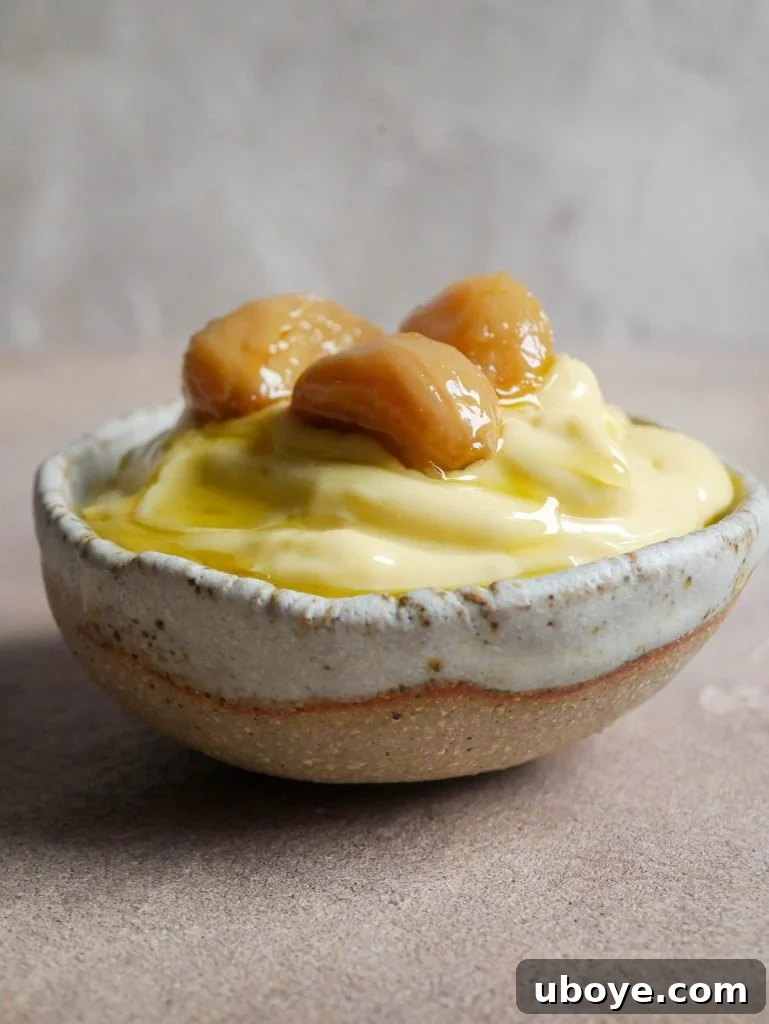
The secret to this exceptionally flavorful aioli lies in the magic of **garlic confit**. This involves slowly cooking whole garlic cloves in a generous amount of olive oil over a very low heat until they become incredibly soft, delightfully sweet, and subtly nutty. This gentle cooking process completely transforms ordinary raw garlic, removing its harshness and leaving behind a mellow, spreadable delicacy. The olive oil itself becomes infused with the garlic’s essence, creating a golden, aromatic oil that is then used as the base for the aioli, ensuring a deep, complex garlic flavor permeates every bite.
Crafting your own aioli from scratch, especially with the sweetness of confit garlic, delivers a vibrant, powerful flavor profile that simply cannot be replicated by store-bought alternatives. The careful emulsion of a fresh egg, tangy Dijon mustard, bright lemon juice, and that glorious garlic-infused olive oil culminates in a rich, thick, and utterly irresistible sauce. The confit garlic is mashed into a smooth paste and then blended seamlessly with the other ingredients using an immersion blender, yielding a stable and beautifully creamy aioli. Remember, the infused oil from the confit process is a treasure – use it in your aioli for maximum flavor impact!
Helpful Tips for Your Aioli:
- When Time is Short: If preparing garlic confit isn’t feasible, you can substitute it with two finely minced raw garlic cloves. While the flavor won’t be as mellow or sweet, it will still provide a delicious and pungent garlic kick to your aioli.
- Oil Selection: If you find light olive oil unavailable or prefer an even milder taste, a great solution is to use equal parts extra virgin olive oil and a neutral-flavored oil (such as canola, grapeseed, or sunflower oil). This balance ensures the garlic shines without the olive oil’s intensity being overwhelming.
- Immersion Blender Technique: For the best and quickest emulsification, use a tall, narrow container that fits your immersion blender snugly. Place all aioli ingredients, including the oil, into the container. Insert the immersion blender, pressing it firmly against the bottom. Begin blending without moving it up and down until a thick, mayonnaise-like emulsion begins to form at the bottom. Once stable, slowly lift and lower the blender to incorporate all the remaining oil. Continue until you achieve a perfectly thick, creamy consistency.
The Authentic Patatas Bravas Recipe
This comprehensive recipe provides a detailed, step-by-step guide to creating Spain’s famous Patatas Bravas, complete with an optional but highly recommended homemade garlic confit aioli. Prepare for a truly rewarding culinary adventure that will bring the flavors of a Spanish tapas bar directly to your home!
Patatas Bravas
By Daen Lia
A classic Spanish tapas dish featuring perfectly crispy potatoes, a rich, smoky bravas sauce, and a creamy garlic confit aioli. This recipe is perfect for entertaining or a delightful family meal at home.
Prep Time: 10 mins
Cook Time: 1 hr 30 mins
Servings: 4
Ingredients
For the Garlic Confit Aioli
- 8 large garlic cloves, peeled
- 1 cup light olive oil (plus extra for confit)
- 1 large egg, at room temperature
- 1 tbsp Dijon mustard
- 1 tsp fresh lemon juice
- Salt, to taste
For the Patatas Bravas
- 1 kg (approx. 2.2 lbs) Yukon Gold or Russet potatoes
- 1 tsp bicarbonate of soda (baking soda)
- 8 cups (approx. 1L) extra virgin olive oil, for frying (plus 2 tbsp for sauce)
- 1 medium onion, finely diced
- 1 large red capsicum (bell pepper), finely diced
- 4 garlic cloves, thinly sliced
- 1 tbsp smoked paprika (essential for authentic flavor)
- 1 tbsp sweet paprika
- 1 tbsp light brown sugar
- 1 tbsp tomato paste
- 400 mL (approx. 14 oz) tinned tomatoes, crushed or diced
- Salt and freshly ground black pepper, to taste
Instructions
Part 1: Preparing the Garlic Confit Aioli
- Preheat your oven to 120°C (250°F).
- Place the peeled garlic cloves in a small heatproof bowl. Submerge them in boiling hot water for 5 minutes, then drain. This helps to loosen the skins, making them very easy to peel.
- Transfer the peeled garlic cloves to a small ovenproof dish and fully submerge them in about 1 cup of light olive oil. Ensure all garlic is completely covered to prevent burning. Bake for approximately 1 hour, or until the garlic cloves are wonderfully golden brown and incredibly soft. Carefully drain the oil from the garlic (make sure to reserve this highly flavorful garlic-infused oil!) and mash the confit garlic cloves into a smooth paste using the back of a spoon or a flat knife.
- In a tall glass container or a jug that is just wide enough to accommodate an immersion blender, combine the mashed garlic confit, the room-temperature egg, Dijon mustard, fresh lemon juice, and a pinch of salt. Pour in the reserved garlic-infused olive oil. Insert the immersion blender, resting it firmly at the bottom of the container. Begin blending without moving the blender up and down until a thick, creamy emulsion starts to form at the base. Once a stable emulsion has begun, slowly lift and lower the blender to gradually incorporate all the remaining oil. Continue blending until you achieve a thick, smooth, and creamy aioli consistency. Taste and adjust for salt if necessary.
Part 2: Preparing the Patatas Bravas
- Peel the potatoes and cut them into generous 2-inch (5 cm) cubes. Place the cut potatoes into a large bowl and cover them completely with cold water. Rinse the potatoes thoroughly, changing the water several times until the water runs absolutely clear. This essential step removes excess starch, which contributes significantly to achieving maximum crispiness. Drain the potatoes very well.
- Bring a large pot of heavily salted water to a rolling boil. Add the 1 teaspoon of bicarbonate of soda (baking soda) to the boiling water. Carefully add the drained potatoes to the pot and boil for precisely 5 minutes. The potatoes should be parboiled – they should be firm and still hold their shape, but no longer raw in the center. They should not be soft or fork-tender at this stage. Immediately drain the potatoes.
- Spread the parboiled potatoes onto a clean kitchen towel or several layers of absorbent paper. Gently pat them as dry as possible, removing every bit of surface moisture. Transfer the dry potatoes to a baking tray or large plate and season them generously with good quality sea salt. For the crispiest results, place the potatoes uncovered in the fridge for at least 30 minutes, or ideally overnight, to ensure they are completely cold and bone-dry before frying.
- While the potatoes are cooling, prepare the bravas sauce. In a large saucepan, heat two tablespoons of extra virgin olive oil over medium heat. Add the finely diced onion, red capsicum, and thinly sliced garlic. Sauté for about 7-10 minutes, stirring occasionally, until the vegetables are wonderfully fragrant, softened, and translucent.
- Stir in the smoked paprika and sweet paprika, along with the brown sugar. Cook for an additional 2 minutes, stirring constantly, allowing the spices to toast and release their full aromas.
- Add the tomato paste to the pan. Fry for another 2 minutes, stirring continuously, until the tomato paste deepens in color to a rich, almost brick-red hue and starts to stick slightly to the bottom of the pan. This step is crucial for intensifying the tomato’s flavor.
- Pour in the tinned tomatoes. Bring the sauce to a gentle simmer and continue to cook for 10-15 minutes, stirring occasionally, until the sauce thickens significantly and all the flavors have thoroughly melded. Season with salt and freshly ground black pepper to taste.
- Allow the bravas sauce to cool slightly, then transfer it to a blender or use an immersion blender directly in the saucepan. Blend until you achieve a perfectly smooth and thick consistency. Set aside.
- When you are ready to fry, remove the chilled potatoes from the fridge. Fill a wide, deep frying pan or a Dutch oven with the remaining 8 cups (1L) of extra virgin olive oil. Heat the oil over medium-high heat until it reaches approximately 175-180°C (350-355°F). You can test the oil by inserting a wooden skewer; if small bubbles vigorously form around it, the oil is ready.
- Carefully add the potatoes to the hot oil in batches. It is crucial not to overcrowd the pan, as this will drop the oil temperature and result in soggy potatoes. Fry each batch for 8-10 minutes, or until the potatoes are beautifully golden brown and incredibly crispy on all sides. Use a slotted spoon to transfer the fried potatoes to a wire rack placed over a baking sheet to drain any excess oil.
- Once all potatoes are fried to perfection, place them into a large serving bowl. Drizzle generously with the warm bravas sauce all over the potatoes. You can either drizzle some of the homemade garlic confit aioli directly over the dish or serve it on the side for dipping. Serve immediately and savor your authentic Spanish tapas!
Recipe Video
Serving Suggestions & Enjoyment
Patatas Bravas are incredibly versatile. While they shine as a standalone tapa, they also make a fantastic side dish for grilled meats, seafood, or other Spanish favorites like paella. For a truly authentic tapas experience, serve them alongside other small plates such as gambas al ajillo (garlic shrimp), chorizo a la sidra (chorizo in cider), and a fresh salad. A crisp glass of sangria or a dry sherry would be the perfect accompaniment to complete your Spanish feast.
We truly hope you enjoy making this **Authentic Patatas Bravas recipe**! If you give it a try, please share your wonderful culinary creations and experiences by tagging us on Instagram, TikTok, or Pinterest. We absolutely love seeing your delicious adventures in the kitchen!
Do you have any questions about the recipe or perhaps some valuable feedback to share? Please don’t hesitate to leave a comment below. We always appreciate hearing your thoughts on our recipes and are delighted to answer any food-related queries you might have. Your feedback helps us improve and grow!
Beautifully captured images provided by Alanna Penn Photography.