
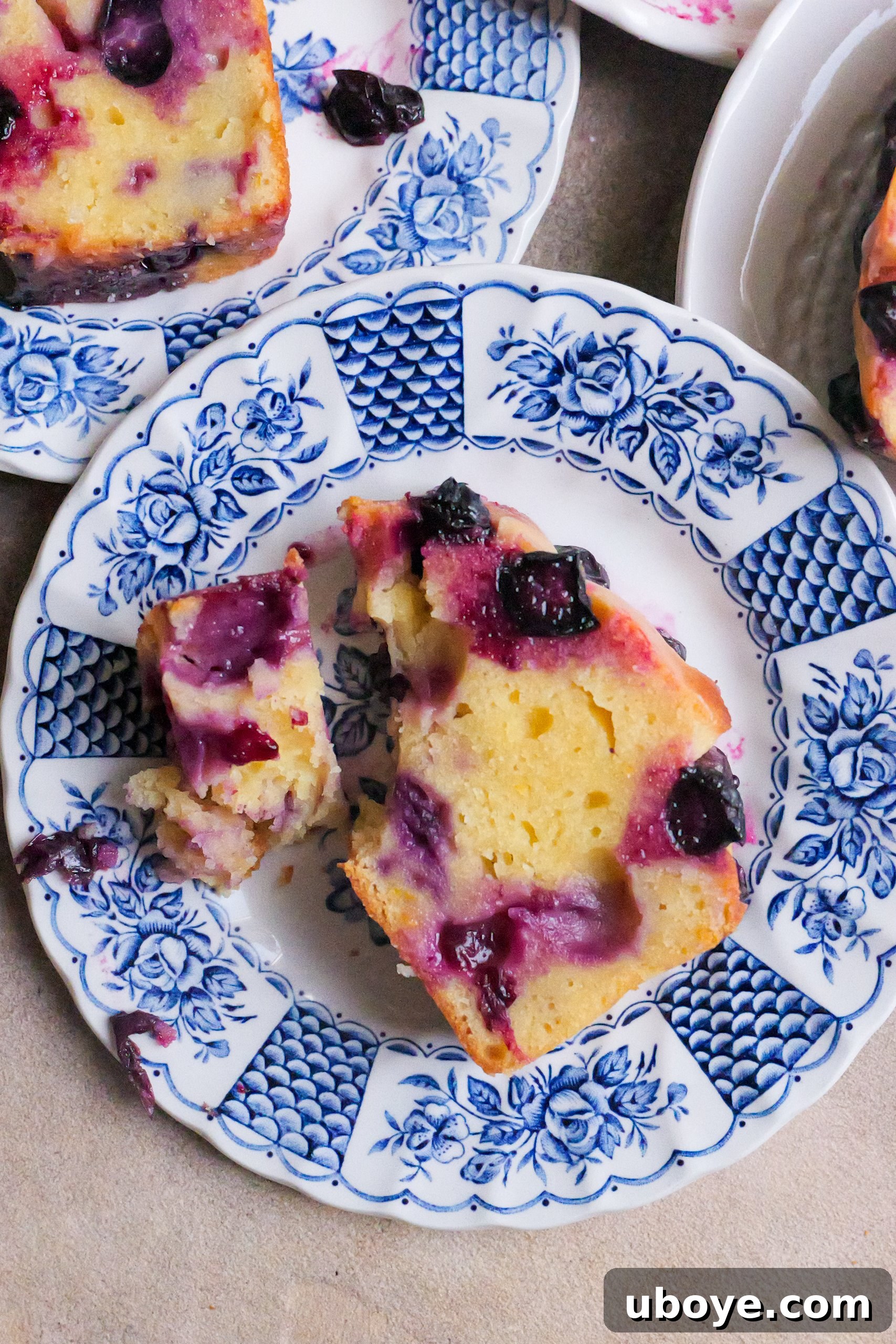
Effortlessly Delicious: The Ultimate Blueberry and Greek Yoghurt Loaf Cake Recipe
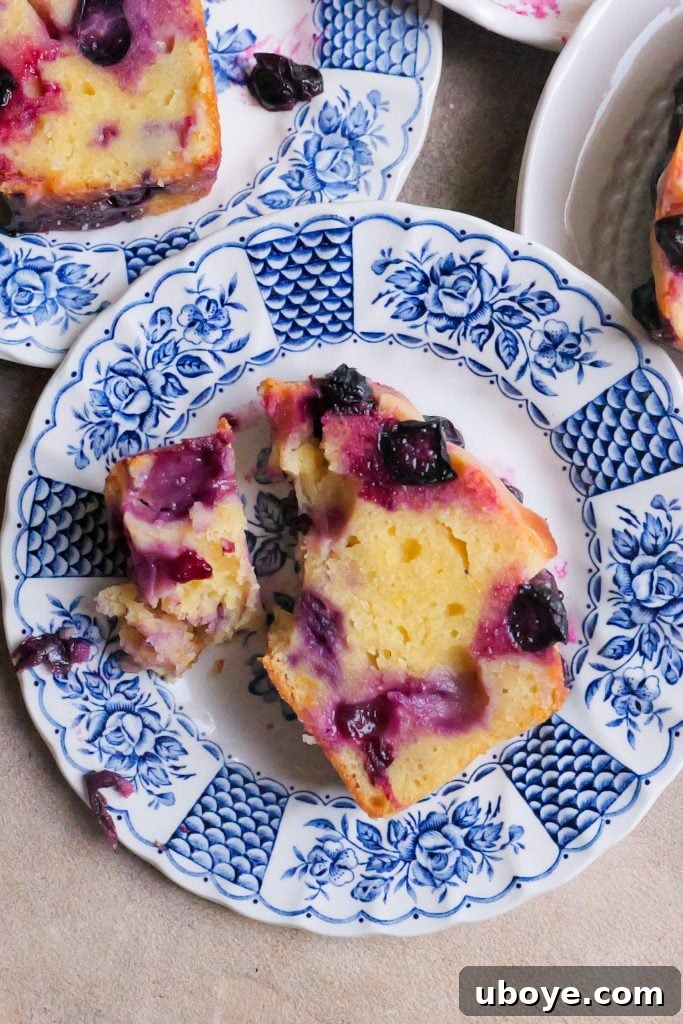
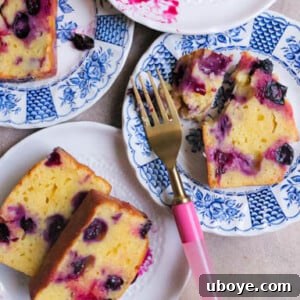
Are you one of those people who proudly claims to be a good cook but shies away from baking? Many believe baking is an intimidating science, but I’m here to prove that anyone can master it. My blueberry and Greek yoghurt loaf cake is the perfect recipe to transform you into a confident baker. It’s incredibly simple to make, yet yields a truly delicious, moist, and fluffy cake that will impress everyone.
Jump to Recipe | Print Recipe
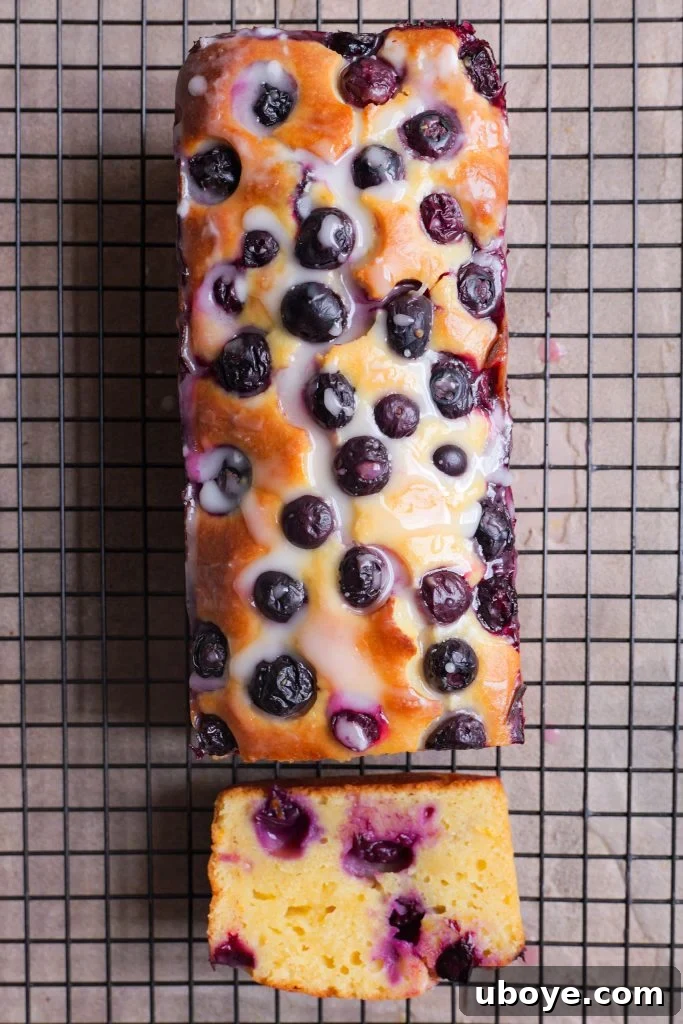
The Secret to a Perfectly Moist Cake: Greek Yoghurt
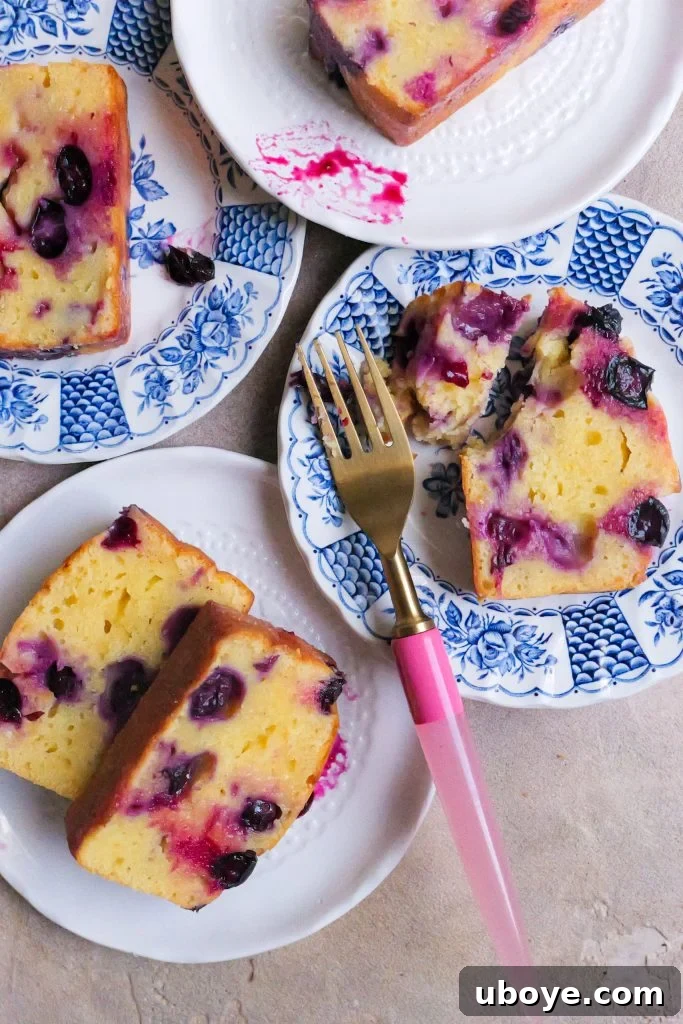
The quest for a perfectly moist, yet wonderfully light and fluffy cake often leads bakers to dairy. But not just any dairy! The secret ingredient for this particular cake’s incredible texture and moist crumb is full-fat Greek yoghurt. While it might seem like an unconventional choice for a cake, its natural fat content and inherent acidity work wonders. Greek yoghurt almost guarantees your cake won’t dry out, making it an excellent trick for novice bakers and seasoned pros alike.
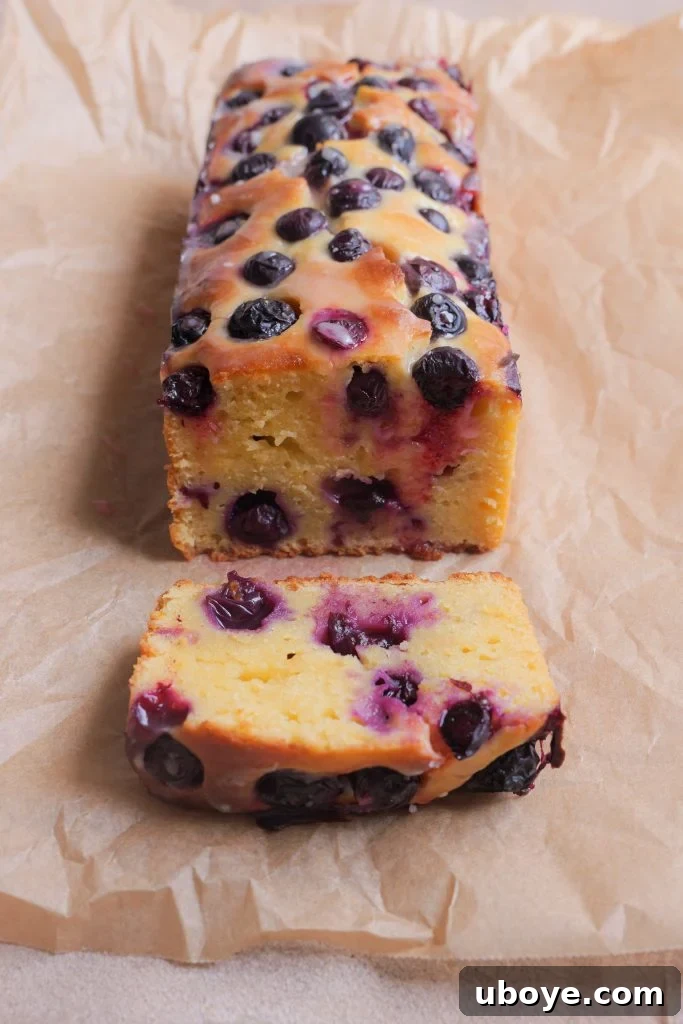
This recipe shines when baked as a loaf cake. Its rectangular shape makes slicing and serving incredibly easy, presenting a charming alternative to a traditional round cake. However, if you don’t own a loaf tin, don’t worry! A standard round cake tin will yield equally delicious results; simply adjust the baking time slightly and monitor for doneness. The crucial element is the batter itself, which remains consistent and forgiving regardless of your chosen bakeware.
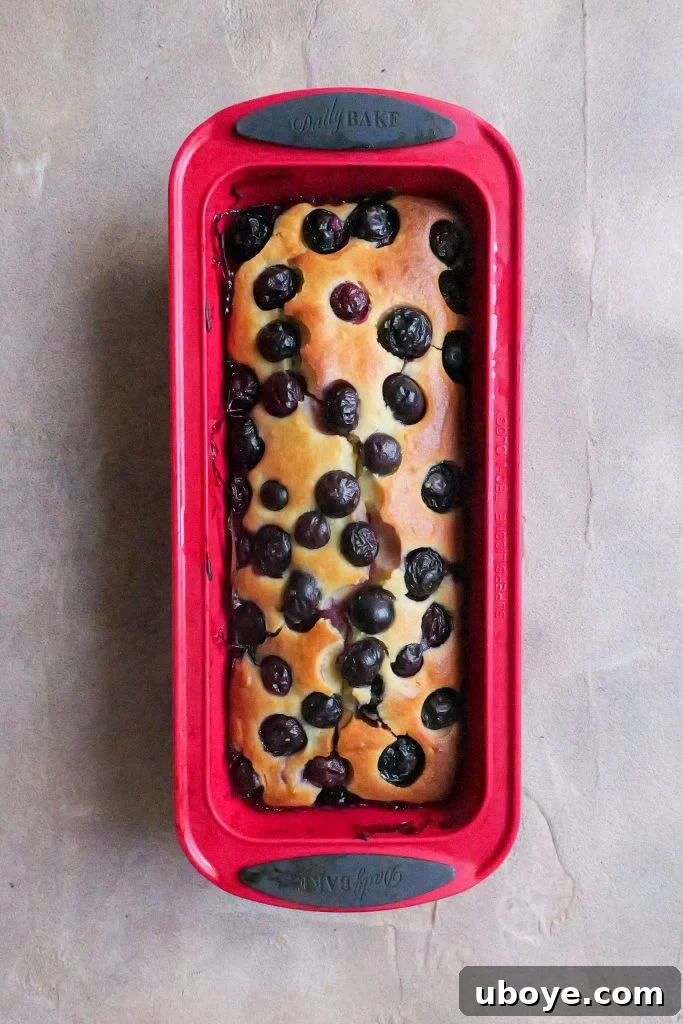
Exquisite Flavour Combinations: Blueberry, Lemon & Beyond
A Greek yoghurt cake provides an incredibly versatile and delicious base for a myriad of flavour profiles. While the possibilities are endless, my personal favorite combination for this loaf cake is the classic pairing of blueberry and lemon. The vibrant sweetness of fresh blueberries perfectly complements the bright, tangy zest and juice of fresh lemons. This delightful duo transforms what could be an overly sweet dessert into a balanced treat with a zesty kick that even those who claim not to have a “sweet tooth” will find irresistible. The lemon zest, in particular, permeates the cake, leaving a lingering fresh aroma that hints at its sophisticated taste.
Beyond blueberry and lemon, consider exploring other flavour harmonies. A hint of vanilla bean paste can elevate the overall aroma, while a touch of cardamom or ginger might introduce a warm, spiced note. For a different fruit experience, raspberries or even thinly sliced peaches can be gently folded into the batter, offering a fresh twist on this beloved recipe. Always remember to adjust for moisture content when experimenting with different fruits to maintain that perfect cake consistency. A sprinkle of chopped nuts like almonds or walnuts could also add a delightful crunch and nutty depth.
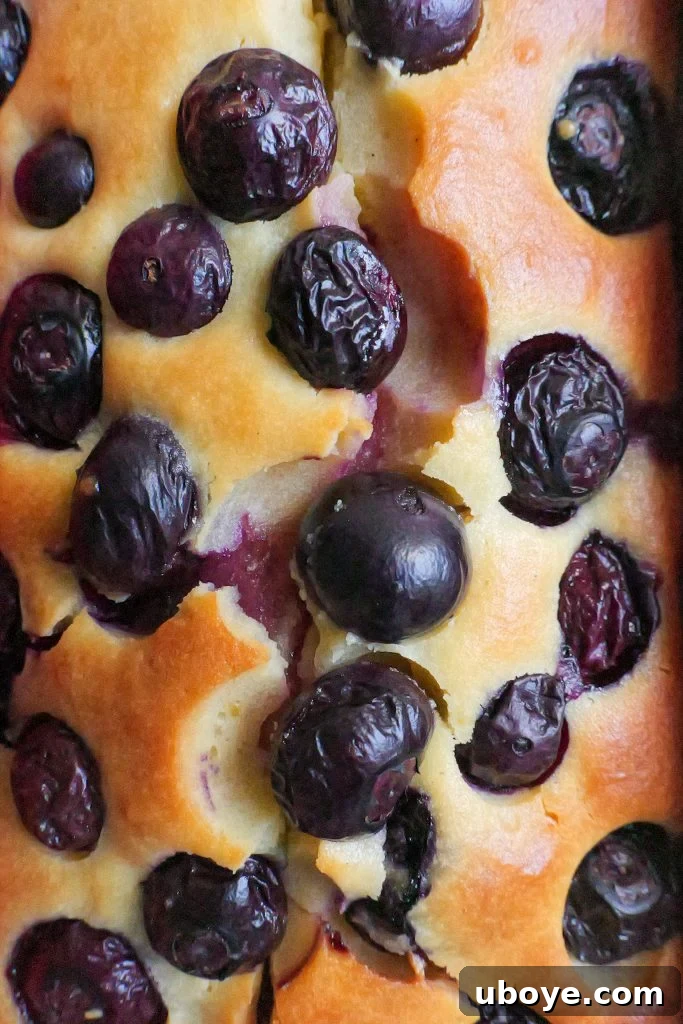
Key Ingredients for Your Loaf Cake Success
One of the beauties of this easy blueberry and yoghurt loaf cake recipe is that it primarily calls for everyday cupboard staples. You’ll likely have many of these ingredients on hand already, making it a spontaneous bake any time the craving strikes. Let’s dive into some of the star components, highlighting why each one is crucial for achieving the best results:
Fresh Blueberries: The Berry Best Choice
- Why fresh? Always opt for fresh blueberries over frozen for this recipe. Frozen blueberries contain a higher moisture content, which can lead to a soggy cake. If you must use frozen, do not thaw them first; toss them lightly in a tablespoon of flour before folding into the batter to help absorb excess moisture and prevent them from sinking to the bottom of your cake.
- Seasonal availability: While blueberries are typically in season during summer months, they are often available year-round in most grocery stores, ensuring you can bake this delightful cake whenever inspiration strikes.
Zesty Lemon: Brightening Every Bite
- Zest and Juice: I believe in utilizing every part of the lemon where possible. This recipe calls for both fresh lemon juice and zest, ensuring a multi-layered citrus flavor profile. The lemon zest, rich in aromatic oils, is first rubbed into the sugar. This crucial step, known as “zesting into sugar,” helps release the intense citrus notes, which then permeates the entire cake batter for an extra vibrant tang. The fresh juice adds acidity and moisture, perfectly balancing the cake’s sweetness.
Full-Fat Greek Yoghurt: Moisture & Tenderness
- Essential for texture: Greek yoghurt is non-negotiable for this recipe. Its thickness and higher fat content are key to achieving the cake’s signature moist and tender crumb. I highly recommend using full-fat Greek yoghurt for the best results, as it contributes significantly to the richness and luxurious texture. Avoid low-fat or fat-free varieties as they may alter the cake’s consistency, potentially leading to a drier result.
Light Olive Oil: A Surprising Game-Changer
- Variety matters: Olive oils come in a wide range of flavors, from robust and peppery to light and fruity. For baking, especially in cakes where you want the olive oil to enhance rather than dominate, a light and fruity olive oil is generally preferred. This ensures the olive oil complements the other flavors without imparting an overpowering savory note, instead contributing to the cake’s delicate fruitiness and incredible moisture.
Other Pantry Essentials:
- All-Purpose Flour: The structural backbone of your cake. Sifting it helps incorporate air and creates a lighter texture, preventing a dense loaf.
- Caster Sugar: Finer than granulated sugar, it dissolves easily and creates a tender crumb, contributing to the cake’s delicate texture.
- Eggs (Room Temperature): Essential for binding ingredients, adding richness, and contributing to the cake’s structure. Room temperature eggs emulsify better with other ingredients, leading to a smoother batter and a more even rise.
- Vanilla Essence: A universal flavor enhancer that adds depth and warmth to almost any sweet treat, rounding out the vibrant fruit and citrus notes.
- Baking Powder: Our primary leavening agent, working in conjunction with the yoghurt’s acidity to create a light and airy texture. Ensure it’s fresh for optimal rise.
The Magic of Olive Oil in Baking
Yes, you read that correctly! This delightful loaf cake embraces the use of olive oil, and it’s a game-changer you’ll quickly come to appreciate. Olive oil is often associated with savory Mediterranean dishes, but it has a long and celebrated history in Mediterranean baking, particularly in cakes. It’s the secret behind an incredibly moist, fluffy, and wonderfully light texture that can be difficult to achieve with butter alone. The monounsaturated fats in olive oil contribute to a cake that stays fresh and moist for longer.
Beyond texture, olive oil imparts a subtle, fruity flavor that beautifully complements the bright notes of blueberries and lemon. It creates a tender, delicate crumb that practically melts in your mouth, elevating the cake from simple to sophisticated. Another fantastic advantage of baking with olive oil instead of butter is the sheer simplicity it brings to the process. There’s no need for fancy equipment like a stand mixer, or the waiting game for butter to soften; all you truly require is a spatula and a large mixing bowl.
This “no-fuss” approach means you can whip up this elegant cake with minimal effort, making it perfect for a quick weekend bake or an impromptu gathering. While it’s simple to make, its flavor profile is anything but. It’s sophisticated enough to be the star dessert at a dinner party, yet equally comforting and easy to enjoy with a casual cup of coffee for breakfast or an afternoon snack. Embrace the olive oil, and prepare for a truly unique and delicious baking experience!
Expert Baking Tips for Your Loaf Cake
Achieving a bakery-worthy loaf cake is easier than you think, especially with a few key tips:
- Room Temperature Ingredients: Ensure your eggs and Greek yoghurt are at room temperature. This allows them to emulsify more effectively with the other ingredients, creating a smoother, more uniform batter and ultimately a more tender crumb. Cold ingredients can lead to a lumpy batter and a denser cake.
- Don’t Overmix: Once you add the dry ingredients, mix just until combined. Overmixing can overdevelop the gluten in the flour, resulting in a tough, chewy cake. A light hand and gentle folding are key to maintaining a tender texture.
- Prevent Blueberries from Sinking: If using fresh blueberries, you can toss them in a tablespoon of all-purpose flour before adding to the batter. This light coating helps them suspend more evenly throughout the cake, rather than sinking to the bottom during baking.
- Test for Doneness: The best way to check if your loaf cake is fully baked is by inserting a wooden skewer or toothpick into the very center. If it comes out clean or with only a few moist crumbs attached, it’s ready. If it’s still wet, continue baking for a few more minutes, checking periodically.
- Cooling is Crucial: Allow the cake to cool in the tin for about 15-20 minutes after removing it from the oven before carefully transferring it to a wire rack. This allows the cake to set properly and prevents it from breaking or crumbling when unmoulded. Cooling completely on a wire rack ensures air circulation around all sides, preventing a soggy bottom.
- Enhance the Drizzle: For an extra boost of lemon flavor, consider adding a pinch of lemon zest to your lemon drizzle mixture. This adds a beautiful aromatic finish.
Frequently Asked Questions About This Loaf Cake
Why is Greek yoghurt so important in this recipe?
Greek yoghurt plays a dual role in this blueberry loaf cake. Firstly, its natural acidity reacts with the baking soda in the recipe, creating carbon dioxide bubbles that contribute to a superior rise and an incredibly light, airy texture. This chemical reaction is essential for a fluffy cake. Secondly, its high fat content ensures the cake remains exceptionally moist and tender, preventing it from drying out, even after a few days. That delightful acidity also imparts a subtle, mellow tang that beautifully balances the sweetness of the cake, adding a layer of complexity to the flavor profile.
Can I use other fruits besides blueberries?
Absolutely! This yoghurt cake batter is wonderfully adaptable and serves as a fantastic base for various fruits. Just be mindful of the moisture content of your chosen fruit to ensure it doesn’t make the cake overly wet. I’ve had fantastic results using fresh sliced strawberries, raspberries, blackberries, and even dried fruits like raisins, chopped apricots, or cranberries. If using very juicy fresh fruits, you might consider gently patting them dry or tossing them in a small amount of flour before adding them to the batter to help absorb any excess moisture and prevent them from sinking.
How should I store this blueberry and yoghurt loaf cake?
Once cooled and drizzled, store the loaf cake in an airtight container at room temperature for up to 3-4 days to maintain its freshness and moisture. For longer storage, you can refrigerate it for up to a week. To freeze, wrap individual slices or the whole cooled loaf tightly in plastic wrap and then in aluminum foil. It will keep beautifully in the freezer for up to 3 months. Thaw frozen cake slices at room temperature for a few hours or overnight in the refrigerator before serving.
Can I make this cake gluten-free?
While this specific recipe uses all-purpose flour, you can often substitute it with a good quality gluten-free all-purpose baking blend (one that contains xanthan gum) in a 1:1 ratio. Results may vary slightly in texture and rise, but it’s a common and usually successful modification for many cake recipes. Always follow the specific recommendations of your chosen gluten-free flour blend for best results.
Explore More Sweet Indulgences
If you loved this simple yet sophisticated blueberry and yoghurt loaf cake, I invite you to explore more delightful sweet recipes on Daen’s Kitchen. From fruity galettes to creamy cheesecakes, there’s something to satisfy every sweet craving and expand your baking repertoire:
- Blueberry, Lemon and Ricotta Olive Oil Cake
- No Bake Mango Cheesecake
- Blueberry and Lemon Galette
- Strawberry Galette with Cream Cheese Puff Pastry
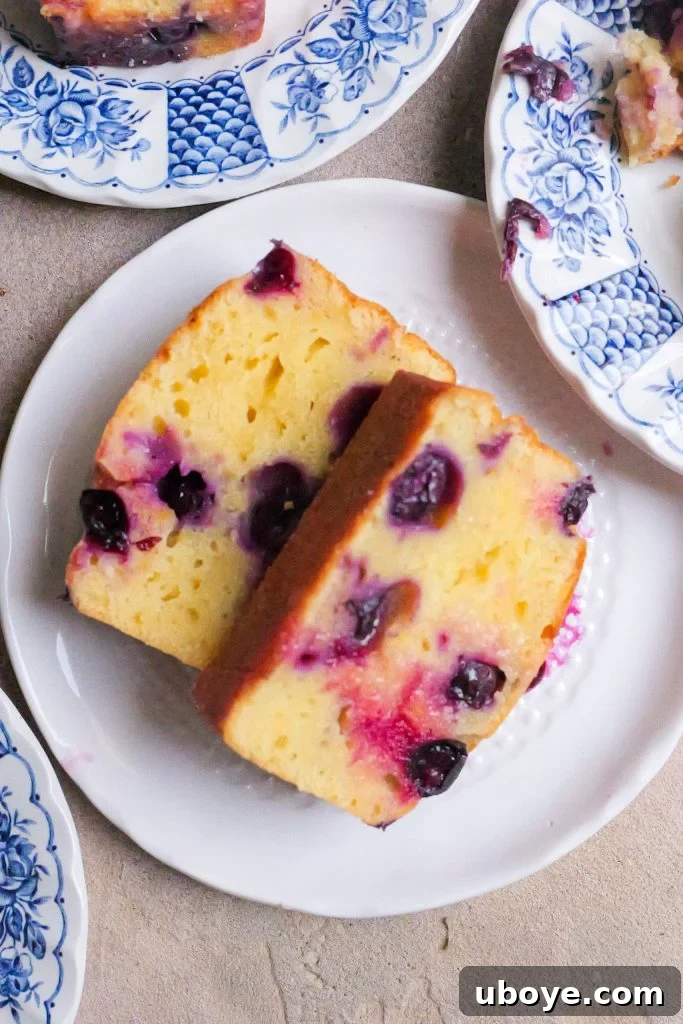
I absolutely adore seeing your culinary creations! If you make this blueberry and yoghurt loaf cake, please share your wonderful results by tagging me on Instagram, TikTok, or Pinterest. Your photos inspire me and the community, and I love to see how you bring these recipes to life in your own kitchens!
Do you have any questions about this recipe, or would you like to share your feedback? Please don’t hesitate to leave a comment or review below. I genuinely enjoy answering your food and recipe-related questions and hearing your thoughts and experiences with my creations. Your feedback helps me improve and continue sharing delicious recipes.
Print Recipe
Blueberry and Greek Yoghurt Loaf Cake
Daen Lia
5 mins
1 hr
6 people
Ingredients
Cake
- 1 cup caster sugar
- 2 tbsp lemon zest
- 3 eggs, room temp
- 1/2 cup lemon juice
- 3/4 cup light olive oil
- 200 g Greek yoghurt
- 1 tsp vanilla essence
- 2 cups white all-purpose flour
- 2 tsp baking powder
- 400 g fresh blueberries
Lemon Drizzle
- 1/2 tbsp lemon juice
- 1 cup icing sugar, sifted
Instructions
Cake
- Preheat your oven to 170 degrees C (340 degrees F). Grease and flour a 24 x 10cm (9×4 inch) loaf tin, or line with parchment paper to prevent sticking.
- In a large mixing bowl, combine the lemon zest and caster sugar. Use your fingers to rub them together vigorously for a few minutes. This crucial step helps release the aromatic oils from the zest, deeply infusing the sugar with bright lemon flavor. Add the room temperature eggs and whisk until the mixture is pale, smooth, and frothy, approximately for 2-3 minutes.
- Into the same bowl, pour in the lemon juice, light olive oil, full-fat Greek yoghurt, and vanilla essence. Whisk thoroughly until all these wet ingredients are fully combined and the mixture is smooth and homogenous. Sift in the all-purpose flour and baking powder directly into the wet ingredients. Using a spatula, gently fold the wet and dry ingredients together until just combined; be careful not to overmix, as this can lead to a tough cake. Add approximately half (200g) of the fresh blueberries and gently fold them into the batter until evenly distributed.
- Transfer the prepared cake batter into your greased and floured loaf tin, smoothing the top with a spatula or the back of a spoon. Scatter the remaining blueberries (200g) on top of the batter. Gently press them down slightly so their tops are just exposed, creating a beautiful visual effect and ensuring berries in every bite.
- Bake for 55 minutes, or until the top is golden brown and a wooden skewer inserted into the center comes out clean. If the top is browning too quickly during baking, you can loosely tent it with aluminum foil to prevent over-browning. Let the cake cool in the tin for 15-20 minutes after removing it from the oven before carefully transferring it to a wire rack to cool completely. This cooling period is vital for the cake to set properly. Drizzle generously with the prepared lemon drizzle just before serving. Enjoy on its own, with a refreshing cup of coffee or tea, or even with a scoop of vanilla ice cream for a delightful dessert.
Lemon Drizzle
- In a small bowl, whisk together your sifted icing sugar and fresh lemon juice until you achieve a smooth, pourable consistency. If the drizzle is too thick, add a few more drops of lemon juice gradually. If it’s too thin, sift in a little more icing sugar, one tablespoon at a time, until the desired consistency is reached.

Loved this recipe? Leave a comment below! Your feedback is invaluable!