
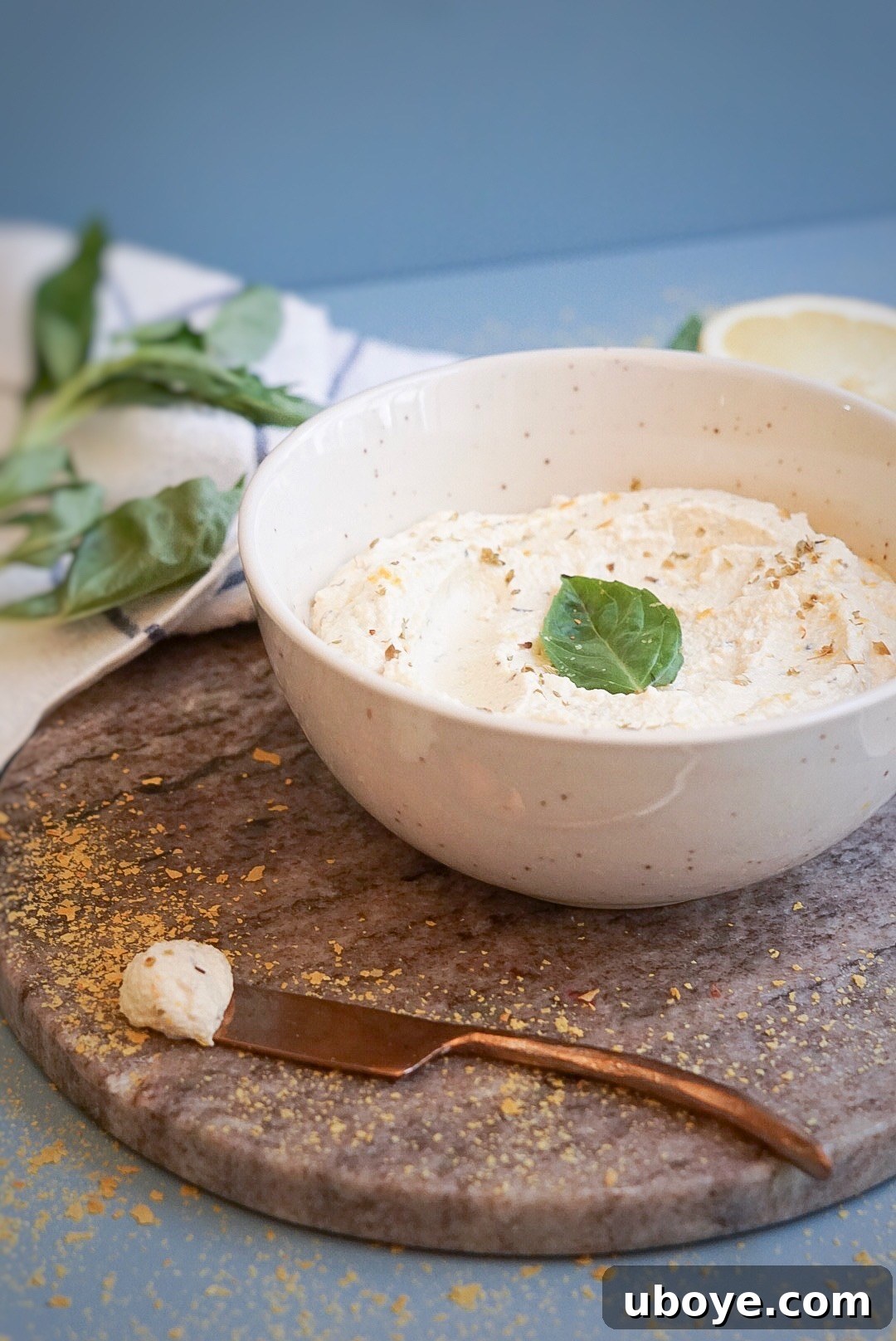
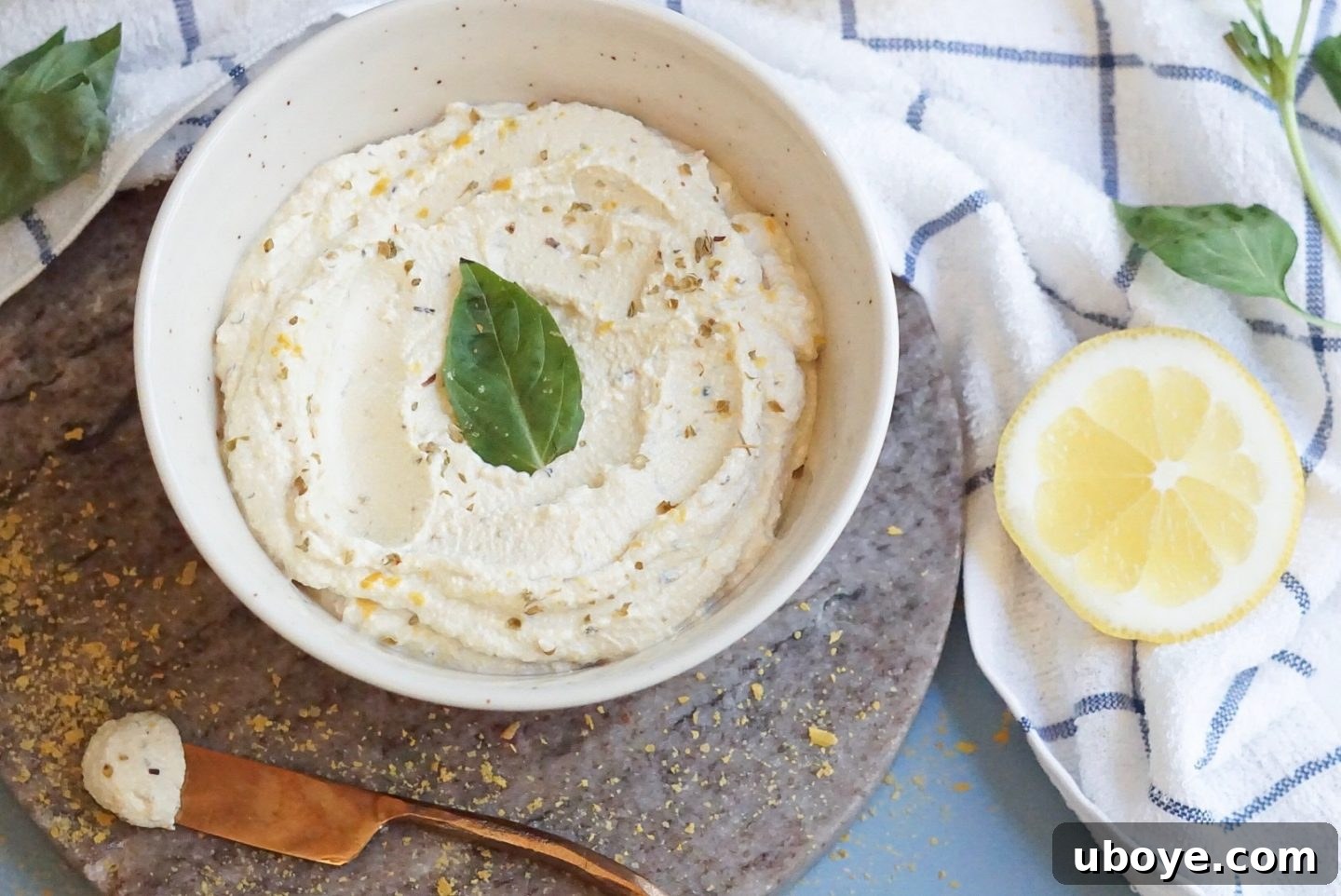
Homemade Vegan Ricotta Cheese: Your Essential Plant-Based Staple
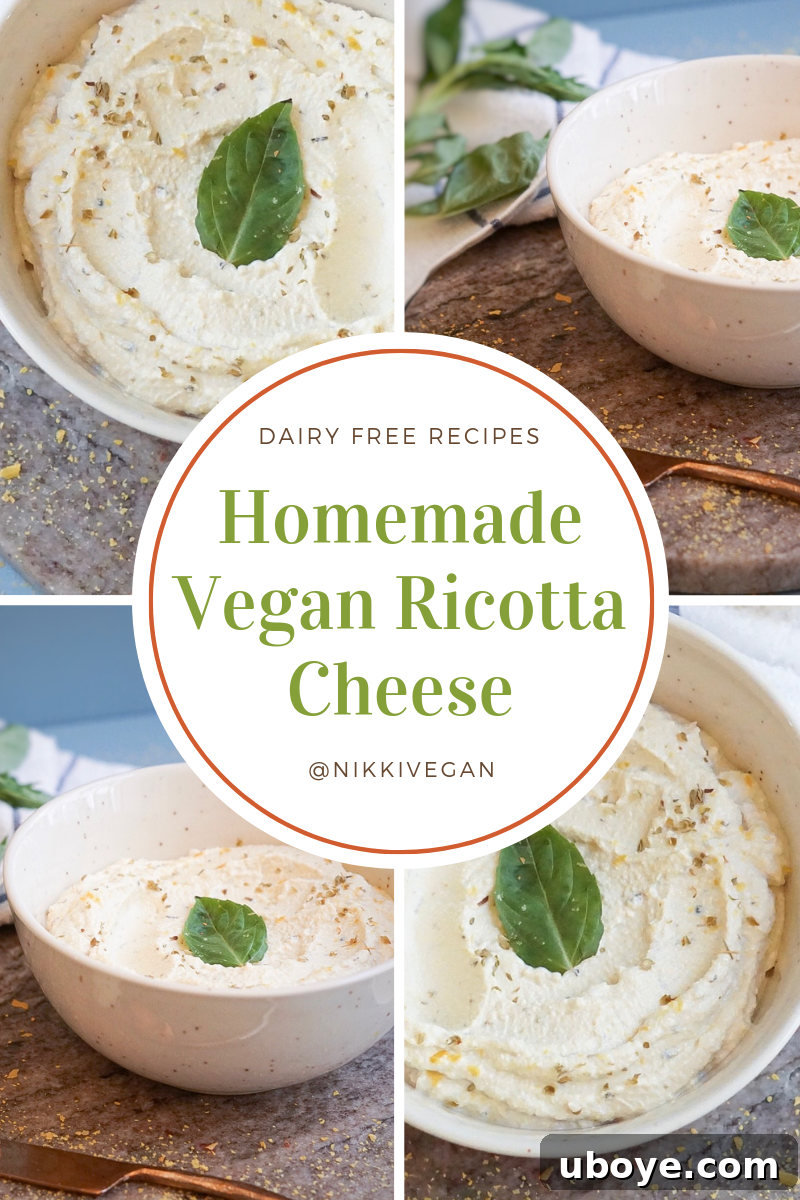
Welcome to the ultimate guide for crafting the most delicious and incredibly easy homemade vegan ricotta cheese right in your own kitchen! If you’re looking for a versatile, creamy, and dairy-free spread that elevates virtually any dish, you’ve hit the jackpot. This plant-based ricotta is a true game-changer, quickly becoming a staple in my fridge due to its adaptability and the sheer simplicity of its preparation. With just a handful of straightforward ingredients, you can whip up a batch that rivals traditional ricotta in both texture and flavor.
Whether I’m preparing a hearty Vegan Lasagna Soup (remember that fantastic throwback video?) or crafting delightful Mediterranean Veggie Roll Ups, this homemade ricotta brings a luxurious creaminess and a boost of plant-based protein to the table. Beyond its culinary uses in complex dishes, I often find myself simply spreading it on crackers for a quick, satisfying snack – it’s just that good!
I’m also eagerly planning to incorporate this creamy creation into vegan stuffed shells soon, and I promise to keep you updated on the delicious outcome. For now, I invite you to dive into the joyous process of making this flavorful plant-based cheese at home. Get ready to discover a new favorite that will revolutionize your vegan cooking!
Why Make Your Own Vegan Ricotta? The Benefits Are Endless!
While store-bought vegan ricotta alternatives are becoming more common, there are numerous compelling reasons to embrace the DIY approach. Making your own offers unparalleled advantages that go beyond just saving a few dollars:
- Unmatched Freshness and Flavor: When you make ricotta from scratch, you control the quality and freshness of every ingredient. This translates into a superior taste that is vibrant, clean, and perfectly seasoned to your preference.
- Simple, Wholesome Ingredients: Our recipe uses minimal, whole-food ingredients you likely already have in your pantry. No obscure additives, no artificial flavors – just pure, natural goodness.
- Cost-Effective: Tofu, nutritional yeast, and common spices are generally inexpensive, making homemade vegan ricotta a much more budget-friendly option compared to specialty store brands.
- Dietary Control: For those with specific allergies, sensitivities, or dietary preferences, making your own ensures you know exactly what goes into your food. It’s naturally dairy-free, gluten-free, and oil-free (if you omit the olive oil for an even lighter version).
- Customizable to Your Palate: Want more garlic? A hint of chili flakes? More lemon zest? When you’re the chef, you can tweak the seasonings to perfectly match your culinary vision for any dish.
- Empowering Experience: There’s a certain satisfaction that comes from creating something so delicious and versatile from scratch. It’s a rewarding experience that builds confidence in the kitchen.
The Magic Behind the Creaminess: Firm Tofu
The star ingredient in our vegan ricotta is undoubtedly firm tofu. Tofu, made from condensed soy milk that is pressed into solid white blocks, is an incredible plant-based ingredient for many reasons, especially for creating cheese substitutes:
- Protein Powerhouse: Tofu is an excellent source of plant protein, making this ricotta not just delicious but also highly nutritious and satiating.
- Neutral Flavor Profile: Firm tofu has a mild, almost neutral taste, which makes it an ideal canvas for absorbing the flavors of the herbs, spices, and lemon juice we add.
- Perfect Texture Base: When blended, firm tofu transforms into a wonderfully creamy, slightly crumbly texture that mimics traditional ricotta beautifully. It holds its shape well, making it perfect for filling pasta or layering in baked dishes.
- Versatility: Beyond ricotta, tofu can be used to create scrambles, stir-fries, desserts, and even vegan “eggs.”
While firm tofu is recommended for the ideal texture, you could experiment with extra-firm tofu for a denser ricotta or silken tofu for a much smoother, almost whipped consistency, though the latter might be too soft for applications like stuffed shells. Remember to always drain your tofu well, and for an even firmer result, you might consider pressing it for 30 minutes to an hour to remove excess water, although for this recipe, a good drain from the package is often sufficient.
Key Flavor Enhancers: Crafting the Authentic Ricotta Taste
Beyond the tofu, it’s the carefully selected blend of seasonings that truly brings this vegan ricotta to life, infusing it with that familiar, tangy, and savory profile we all love:
- Nutritional Yeast: This is a non-negotiable ingredient for any serious vegan cheese maker! Nutritional yeast provides a distinct, savory, umami flavor often described as “cheesy.” It’s packed with B vitamins and adds incredible depth.
- Dried Oregano: A classic Italian herb, oregano brings a warm, earthy, slightly peppery note that is essential for a ricotta meant for Italian-inspired dishes. Its aromatic qualities are paramount.
- Sea Salt: Essential for enhancing all the other flavors. Use fine sea salt for easy dissolving and even distribution. Adjust to taste, but start with the recommended amount.
- Garlic Powder: A foundational flavor in countless savory recipes, garlic powder provides a mild, aromatic punginess without the raw bite of fresh garlic, ensuring a smooth, consistent flavor throughout the cheese.
- Lemon Juice: The juice of half a large lemon is crucial for mimicking the characteristic tang and slight acidity found in traditional dairy ricotta. It brightens the flavors and adds a refreshing zest.
- Olive Oil: Just a tablespoon of good quality olive oil adds a touch of richness and helps to achieve that silky-smooth texture, contributing to the overall mouthfeel.
Each ingredient plays a vital role in creating a balanced and authentic flavor profile, transforming simple tofu into a sophisticated plant-based cheese.
The Endless Versatility of Homemade Vegan Ricotta
One of the greatest joys of this homemade vegan ricotta is its incredible versatility. Once you have a batch ready, the culinary possibilities are virtually limitless. Here are just a few ideas to get your inspiration flowing:
- Classic Italian Dishes: This is where vegan ricotta truly shines! Use it as a luscious layer in your favorite vegan lasagna, stuff it into jumbo pasta shells, or swirl it into manicotti for a dairy-free take on comfort food classics.
- Pasta Sauces and Dressings: Stir a dollop into a marinara sauce for extra creaminess, or thin it out slightly with a bit of plant milk to create a rich, savory pasta sauce on its own. It can also be the base for creamy salad dressings.
- Savory Tarts and Pizzas: Spread a layer of this ricotta on a pizza crust before adding your other toppings, or use it as a base for savory galettes and tarts, paired with roasted vegetables like spinach, sun-dried tomatoes, or zucchini.
- Spreads and Dips: Enjoy it simply spread on toasted crusty bread, bagels, or crackers. You can also mix in fresh herbs like chives or basil, or a pinch of red pepper flakes for an extra kick, creating an instant gourmet dip.
- Breakfast Bowls and Toasts: For a savory breakfast, spread it on avocado toast, or add a dollop to a savory quinoa or grain bowl for an extra creamy element.
- Stuffed Vegetables: Use it to fill bell peppers, zucchini boats, or mushrooms before baking for a healthy and satisfying meal.
- Mediterranean Inspired Dishes: As mentioned, it’s perfect in Mediterranean Veggie Roll Ups, or mixed with chopped olives and fresh mint for a unique twist.
This ricotta isn’t just a substitute; it’s an ingredient that brings its own unique character and deliciousness to the table, making it an indispensable part of your plant-based cooking repertoire.

Homemade Vegan Ricotta Cheese Recipe
Click here to download or print this recipe PDF.
Ingredients:
- 1 package (typically 14-16 oz / 400-450g) firm tofu: Ensure it’s well-drained.
- 1 tbsp nutritional yeast: For that essential cheesy, umami flavor.
- 1 tsp dried oregano: Aromatic herb for an authentic Italian touch.
- 1 tsp sea salt: To enhance all the flavors. Adjust to your preference.
- 1 tsp garlic powder: Adds a mellow, savory depth.
- The juice of half of a large lemon (approx. 1-2 tbsp): For tanginess and brightness.
- 1 tbsp olive oil: For richness and a smooth texture. Use good quality extra virgin olive oil.
Equipment:
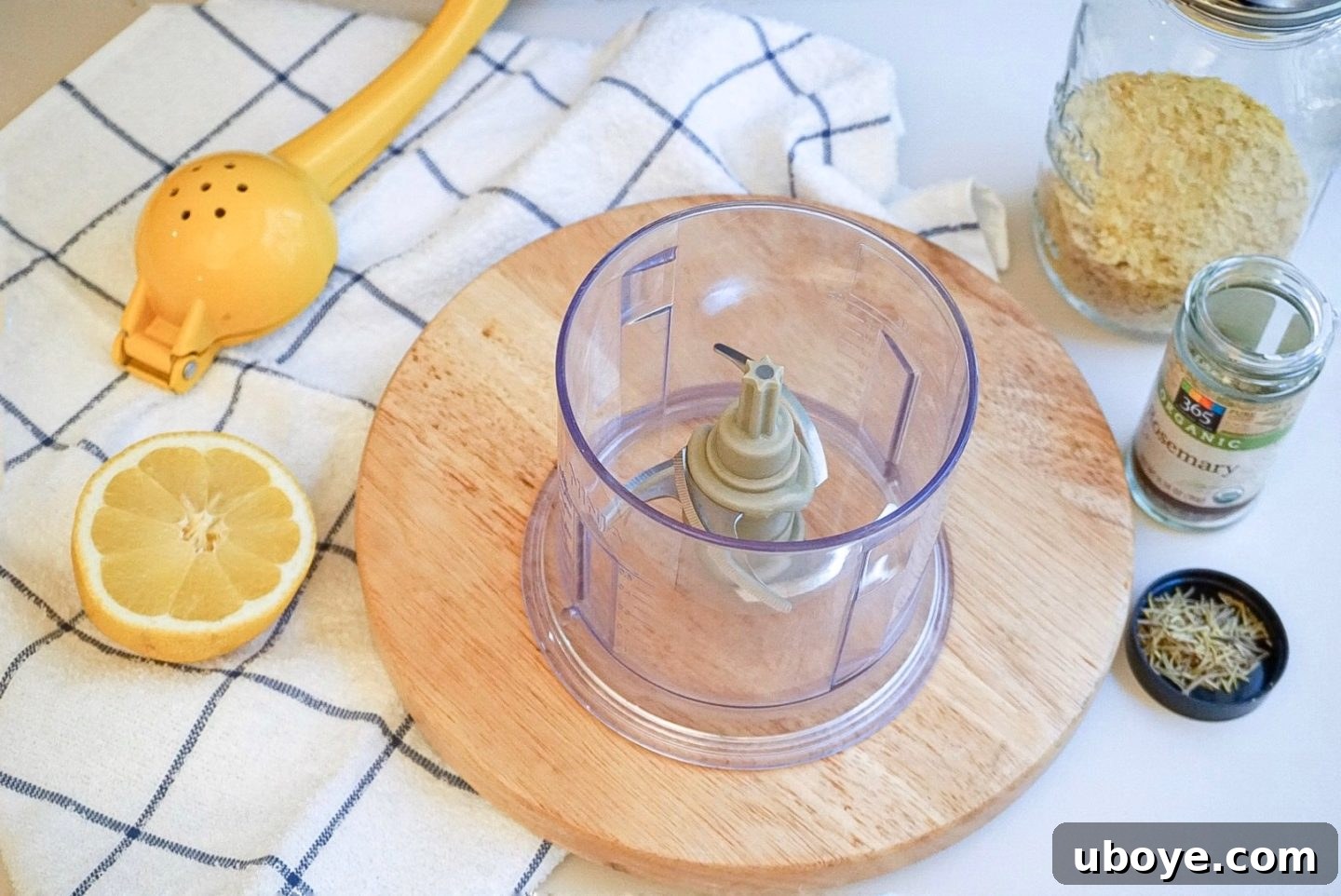
- Food processor
- Spatula
- Airtight container for storage

Instructions:
- Prepare the Tofu: Begin by carefully draining any excess water from the package of firm tofu. You can gently press it between paper towels or use a tofu press if you have one, although for this recipe, a thorough drain is usually sufficient.
- Combine Ingredients: Transfer the drained tofu block into the bowl of your food processor. Add the nutritional yeast, dried oregano, sea salt, garlic powder, fresh lemon juice, and olive oil.
- Blend Until Smooth and Creamy: Secure the lid on your food processor and blend the mixture. Start on a low setting and gradually increase the speed. Process until the mixture is incredibly smooth and creamy, with no visible lumps of tofu. This may take a few minutes, requiring you to pause and scrape down the sides of the bowl with a spatula once or twice to ensure everything is evenly incorporated. The consistency should resemble a thick, spreadable ricotta cheese.
- Chill and Serve: Once blended to perfection, transfer the vegan ricotta to an airtight container. Chill it in the refrigerator for a minimum of 30 minutes. This allows the flavors to meld beautifully and helps the ricotta firm up slightly, enhancing its texture.
- Enjoy!: Once chilled, your homemade vegan ricotta cheese is ready to be enjoyed! Use it in your favorite recipes, spread it on toast, or savor it as a dip.
Tips for the Perfect Homemade Vegan Ricotta
- Adjust Consistency: If your ricotta seems too thick, add a tiny splash of water or plant-based milk (like unsweetened almond milk) until you reach your desired consistency. If it’s too thin, a bit more nutritional yeast can help, or you can let it chill longer to firm up.
- Taste and Adjust Seasoning: Always taste your ricotta before chilling. Feel free to add more salt, lemon juice, or herbs to suit your personal preference. A pinch of black pepper can also be a nice addition.
- Herbal Variations: Don’t be afraid to experiment with other dried or fresh herbs. Fresh basil, chives, or parsley can add another layer of freshness, especially if using the ricotta as a spread.
- Make Ahead: This vegan ricotta is excellent for meal prepping. You can prepare it a day or two in advance, and the flavors will only deepen as it chills.
- Storage: Store your homemade vegan ricotta in an airtight container in the refrigerator for up to 5-7 days.
Common Questions About Vegan Ricotta Cheese
Can I use other types of tofu?
Firm tofu is generally recommended for the best texture, mimicking traditional ricotta well. Extra-firm tofu can also work, resulting in a denser ricotta. Silken tofu will produce a much smoother, softer, almost whipped consistency, which might be lovely for a dip but perhaps too runny for stuffed shells or lasagna layers. If using silken, you might need to reduce any added liquids slightly.
How long does homemade vegan ricotta last?
When stored in an airtight container in the refrigerator, your homemade vegan ricotta cheese will typically last for 5 to 7 days. Always trust your senses – if it smells or looks off, it’s best to discard it.
Can I freeze vegan ricotta?
Yes, you can freeze vegan ricotta! Place it in a freezer-safe, airtight container or a heavy-duty freezer bag. It can be frozen for up to 2-3 months. When you’re ready to use it, thaw it overnight in the refrigerator. The texture might be slightly different upon thawing (sometimes a bit crumbly or watery), so give it a good stir, and if needed, re-blend briefly in the food processor to restore its creaminess. A little extra lemon juice or olive oil can also help.
What if I don’t have nutritional yeast?
While nutritional yeast is highly recommended for its unique cheesy flavor, if you absolutely don’t have it, you can still make a delicious ricotta. However, the “cheesy” depth will be missing. You might try adding a very small amount of white miso paste for an umami boost, but be aware it will subtly alter the flavor profile. Ultimately, nutritional yeast is worth seeking out for the most authentic taste.
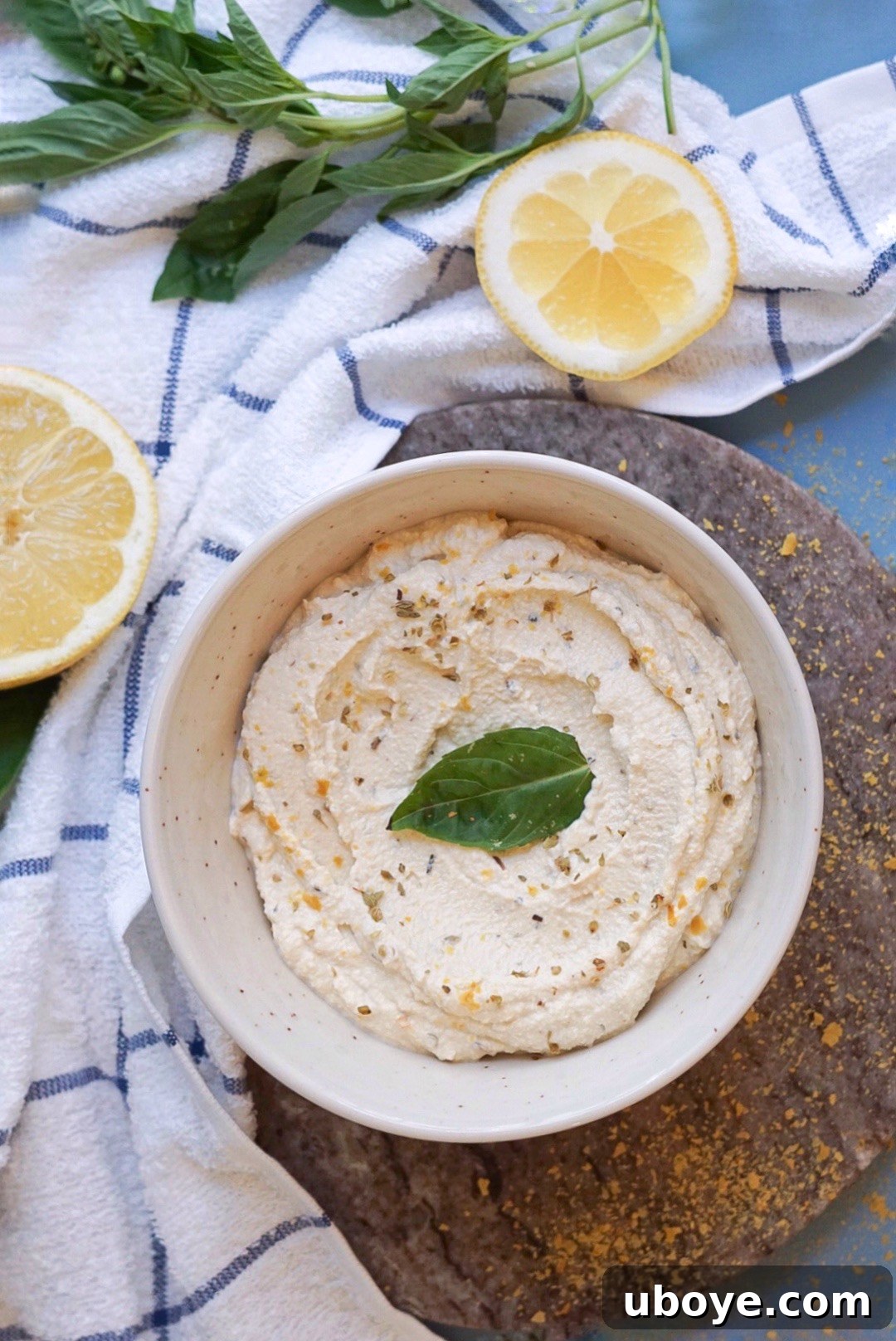
Embrace the Creamy Goodness!
There you have it – a comprehensive guide to making your own spectacular homemade vegan ricotta cheese. This recipe is more than just a dairy-free alternative; it’s a testament to how simple, wholesome ingredients can be transformed into something truly extraordinary. Its creamy texture and savory, tangy flavor make it an indispensable component in a vast array of dishes, from comforting pasta bakes to light and refreshing spreads.
By choosing to make your own vegan ricotta, you’re not only opting for a healthier, more cost-effective, and customizable option, but you’re also taking an active step towards more conscious and delicious plant-based eating. I encourage you to try this recipe and experience the difference yourself. Get creative in the kitchen, share your delicious creations, and let this versatile vegan ricotta become your new favorite secret ingredient. Happy cooking!