
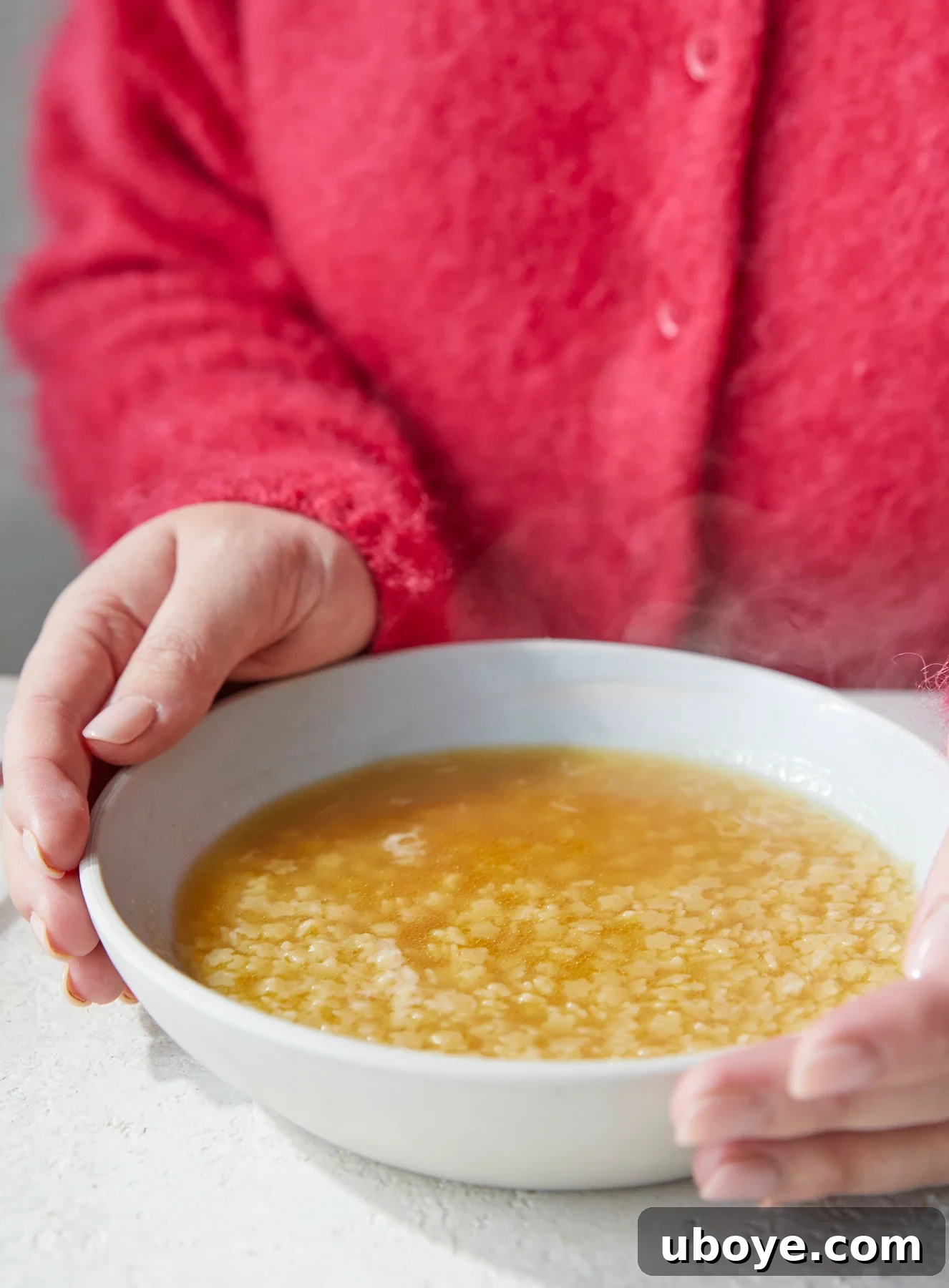
Pastina with Chicken Broth: The Ultimate Italian Comfort Food
There’s nothing quite like a steaming bowl of Pastina with Chicken Broth to wrap you in a comforting embrace. This beloved Italian classic is often hailed as Italy’s answer to chicken soup, offering a unique blend of warmth, nourishment, and simplicity. Unlike some creamy pastina dishes that cook down into a rich, almost risotto-like consistency, this version is beautifully light, brothy, and profoundly soothing. Imagine delicate, tiny pasta stars simmering gently in a deeply flavorful, homemade chicken broth until they become tender and silky, creating a meal that feels less like food and more like a warm hug. It’s the perfect remedy for a chilly evening, a comforting companion on a sick day, or simply an easy, wholesome dish when you crave something genuinely restorative.
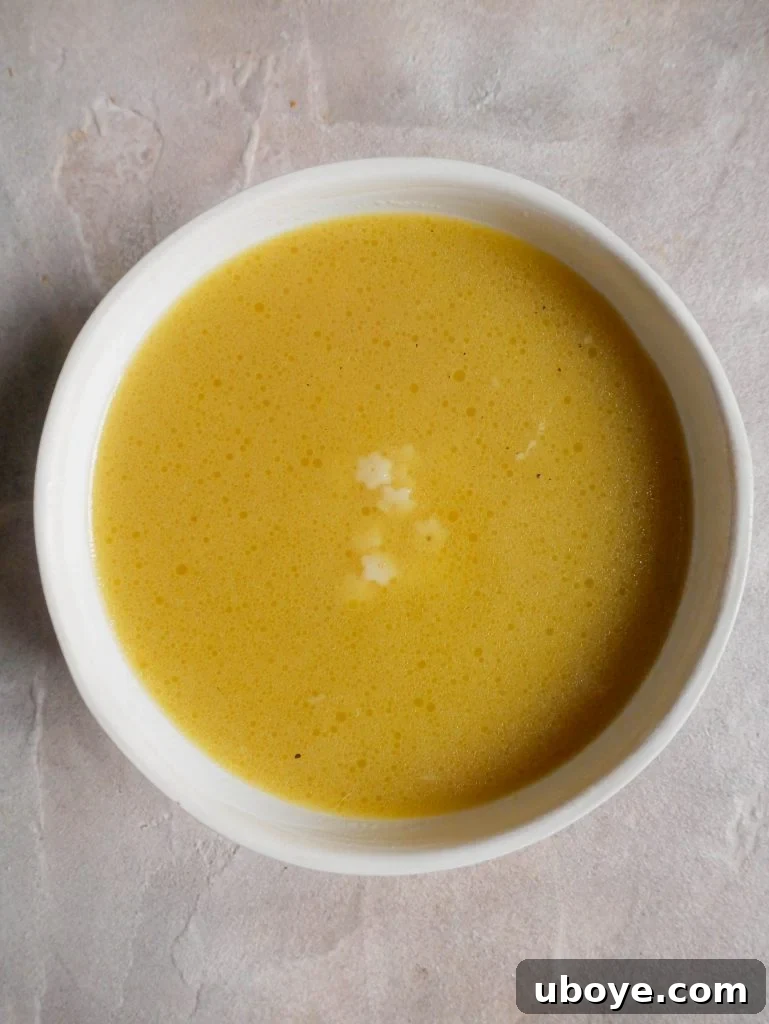
Why You’ll Fall in Love with This Pastina in Chicken Broth!

Curling up on the couch with a generous bowl of pastina in chicken broth, or “brodo” as it’s known in Italy, instantly warms both my heart and soul. Each spoonful is a journey back to my childhood, recalling countless memories of my mum lovingly preparing this dish whenever we felt under the weather. In our Italian family, it was more than just food; it was believed to be a potent cure, a magic potion capable of soothing almost any ailment. Much like other beloved comfort foods such as one-pot creamy orzo, hearty roasted pumpkin pasta, or classic tomato and butter pasta, this traditional version of pastina offers unparalleled coziness and profound comfort. It’s a dish that transcends mere sustenance, becoming a cherished ritual and a taste of home.
The name “pastina” itself is beautifully descriptive, literally translating to “little pasta,” while “brodo” simply means broth. These tiny pasta shapes are a staple in Italian culinary traditions, and almost every Italian family holds their own unique method for preparing this dish. From the thicker, creamier styles, akin to my classic creamy pastina, to this lighter, more soup-like, brothy rendition, the variations are endless, yet the essence of comfort remains constant. This particular recipe is a true labor of love, especially when you commit to making the broth from scratch. And let me assure you, the depth of flavor and richness that comes from a homemade chicken broth is simply unmatched by anything store-bought. A truly exceptional homemade chicken broth elevates this simple dish into an extraordinary culinary experience.
Essential Ingredients for the Perfect Pastina with Chicken Broth
Crafting the most nourishing and comforting bowl of pastina with chicken broth requires only a handful of humble yet powerful ingredients. While I wholeheartedly recommend and will guide you through the process of making a rich, deeply flavorful chicken broth from scratch, a good quality store-bought broth can certainly be used if time is a constraint. Once your warm, aromatic broth is ready and your tiny pasta stars are on hand, the remaining ingredients are likely already staples in your pantry, making this a wonderfully accessible meal.
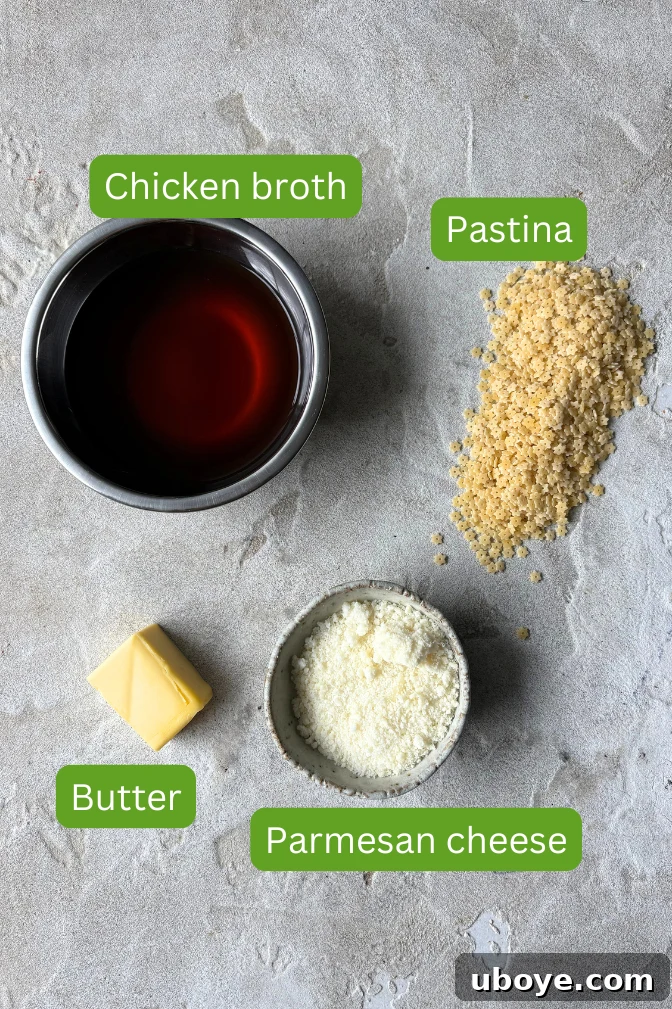
- Pastina: These are the iconic tiny Italian “little pasta” shapes that cook incredibly quickly, usually in just a few minutes. As they simmer in the broth, they absorb its flavors, softening into a wonderfully silky, soothing, and almost creamy texture. You can choose any small pastina shape you prefer, whether it’s classic stars (stelline), alphabet shapes (alfabeto), or even miniature rice-shaped pasta like orzo (risoni).
- Chicken Broth (Brodo): This is the soul of the dish. While a deeply satisfying homemade broth provides the most profound, rich flavor and nutritional benefits, a high-quality store-bought chicken broth will still yield a delicious and comforting bowl. For a vegetarian alternative that’s equally soothing, you can easily substitute with a robust vegetable broth.
- Chicken Pieces (for broth): To create the most flavorful and gelatinous broth, I recommend using a whole chicken. Alternatively, a combination of chicken wings, thighs, and drumsticks works exceptionally well. These parts contribute rich flavor and body to the broth.
- Aromatics: A classic Italian-style broth is built on a foundation of aromatic vegetables. Onion, carrots, celery (the “soffritto” base), garlic, and fresh parsley are essential. They infuse the broth with layers of warm, earthy, and savory notes, making it truly nourishing.
- Seasonings & Spices: Simple additions like black peppercorns, bay leaves, and a good quality salt are crucial for balancing and enhancing the deep flavors of the broth.
- Optional Enhancements: Butter adds a touch of richness and helps create that silky texture in the finished pastina. Grated Pecorino Romano (or Parmesan) cheese is essential for serving, adding a salty, umami kick that perfectly complements the delicate pasta and broth.
Crafting Your Own Pastina in Chicken Broth: A Step-by-Step Guide
The beauty of this recipe lies in its elegant simplicity. The process involves first creating a remarkably flavorful chicken broth, then gently cooking the tiny pastina directly within that golden liquid until it achieves a tender, silky perfection. It’s an easy, comforting culinary journey that comes together with gratifying speed, culminating in a bowl that truly embodies the feeling of a warm, nurturing embrace.
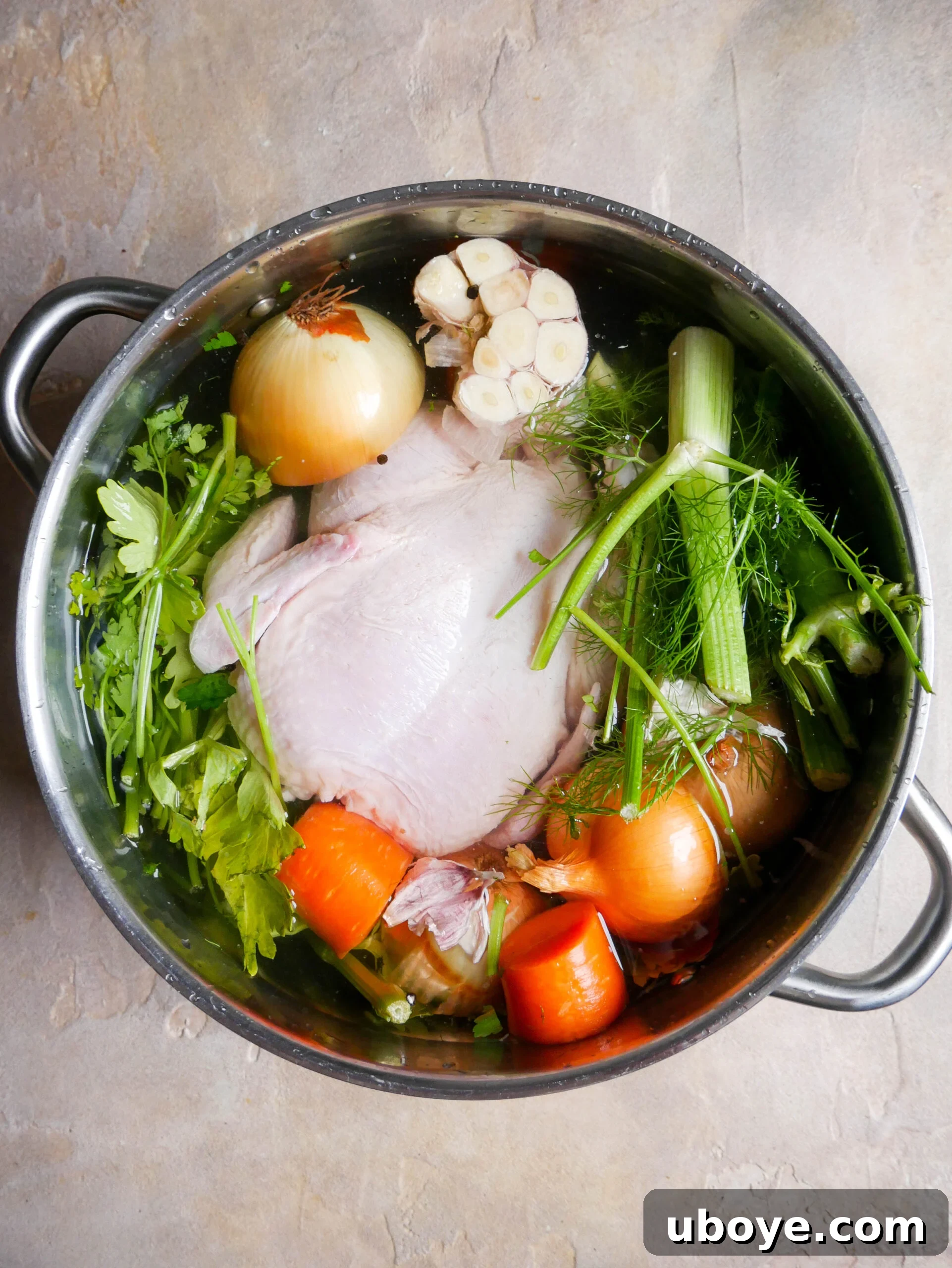
Step 1: Initiate the Broth Simmer
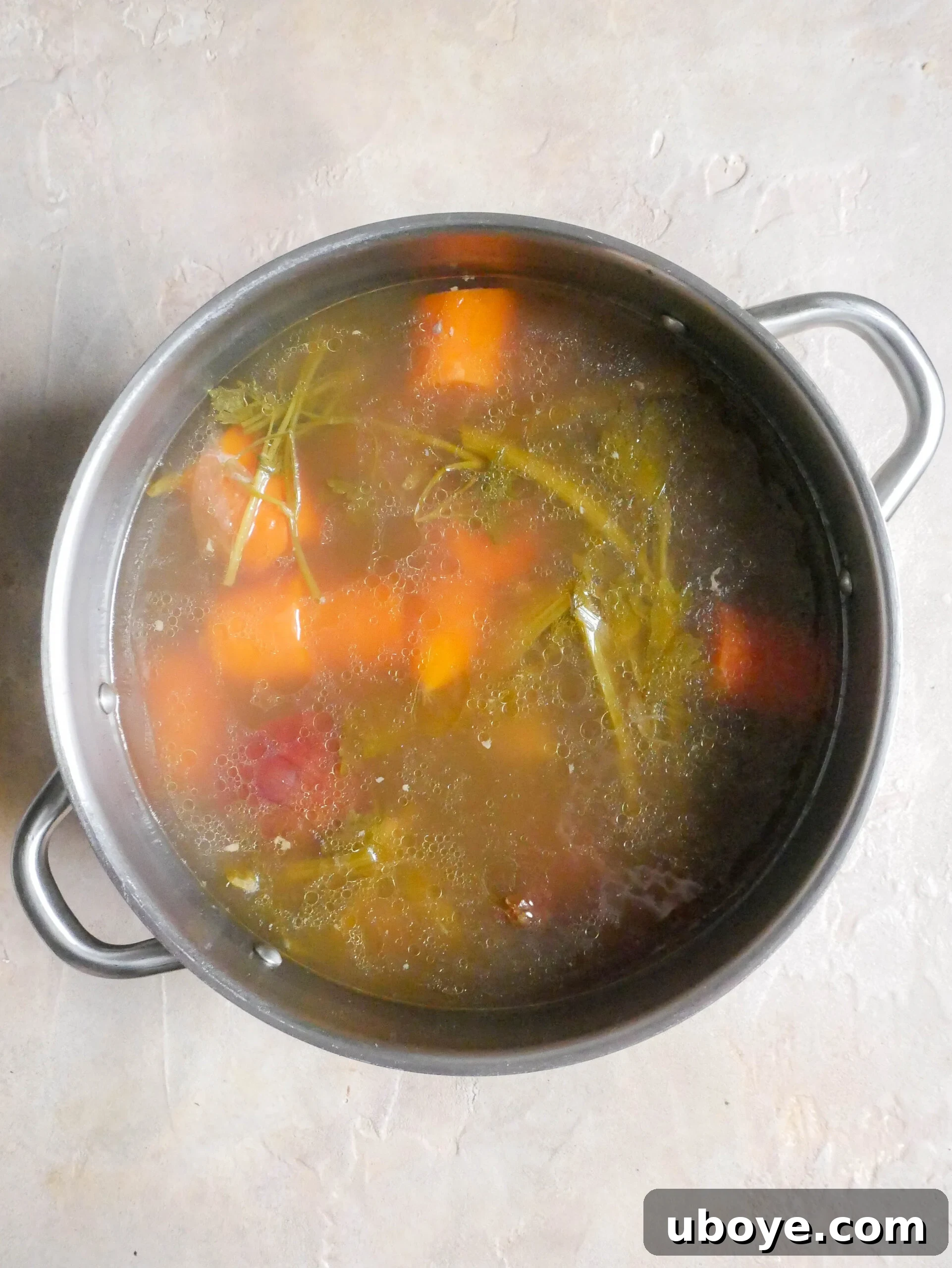
Gather all your chicken broth ingredients – the whole chicken or chicken pieces, roughly chopped carrots, celery stalks, quartered brown onions (with skins on for color), black peppercorns, halved garlic head, parsley stalks, fennel fronds, salt, bay leaves, and water. Place all of these into a very large stockpot. Leave the pot uncovered and bring the contents to a rolling boil over high heat. Once boiling vigorously, reduce the heat to its lowest setting, ensuring the stock maintains a gentle, barely perceptible simmer. Continue to simmer for 1 hour. This initial simmer extracts a foundational layer of flavor from the chicken and vegetables.
Step 2: Retrieve Chicken and Continue Simmering
After the initial hour of simmering, carefully remove the whole chicken or larger chicken pieces from the pot. Allow the chicken to cool slightly until it’s comfortable enough to handle. Using a fork or your hands, expertly pick all the tender meat off the bones. This shredded chicken can be stored in an airtight container for later use, perhaps to be added back into the finished pastina, or used in other recipes. Return the chicken carcass and any remaining bones to the stockpot. Cover the pot, and continue to cook the broth on a very low heat, maintaining a gentle simmer, for a minimum of 2 hours and ideally up to 6 hours. This extended simmering time is crucial for extracting maximum flavor, collagen, and nutrients, resulting in a deeply rich and restorative broth.
Step 3: Strain and Clarify Your Broth
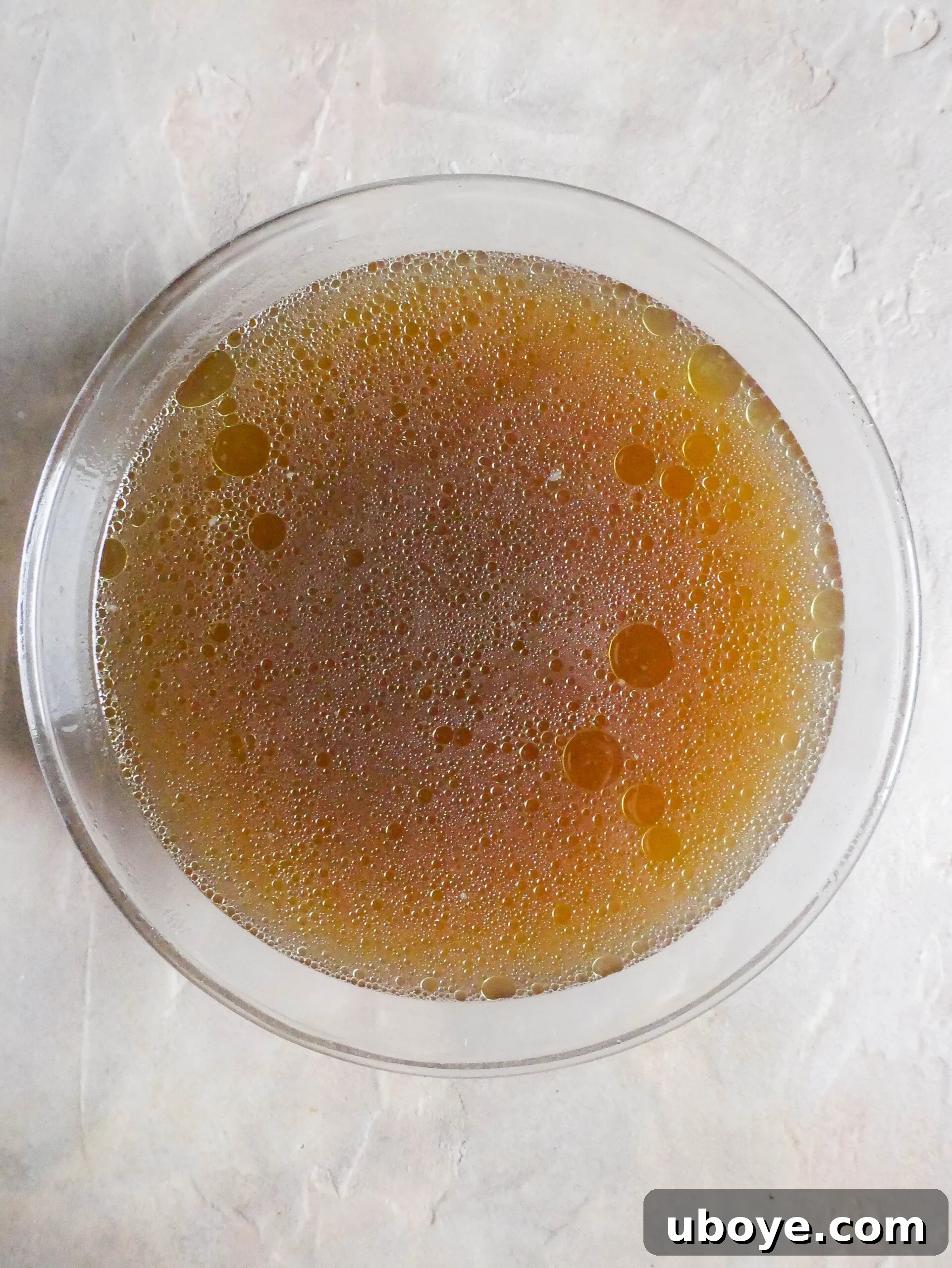
Once the broth has simmered for the desired duration, remove it from the heat and allow it to cool slightly. This makes the straining process safer and easier. Carefully pass the entire contents of the pot through a fine-mesh strainer, positioned over another large bowl or pot. This will separate all the solids (bones, vegetables, herbs) from the liquid gold. For an exceptionally clear broth, you may find it beneficial to repeat this straining step, perhaps lining the strainer with cheesecloth or a clean kitchen towel for an even finer filtration. You should be left with approximately 3 to 4 liters of pristine, richly flavored chicken stock, ready to transform into pastina.
Step 4: Cook the Pastina and Serve
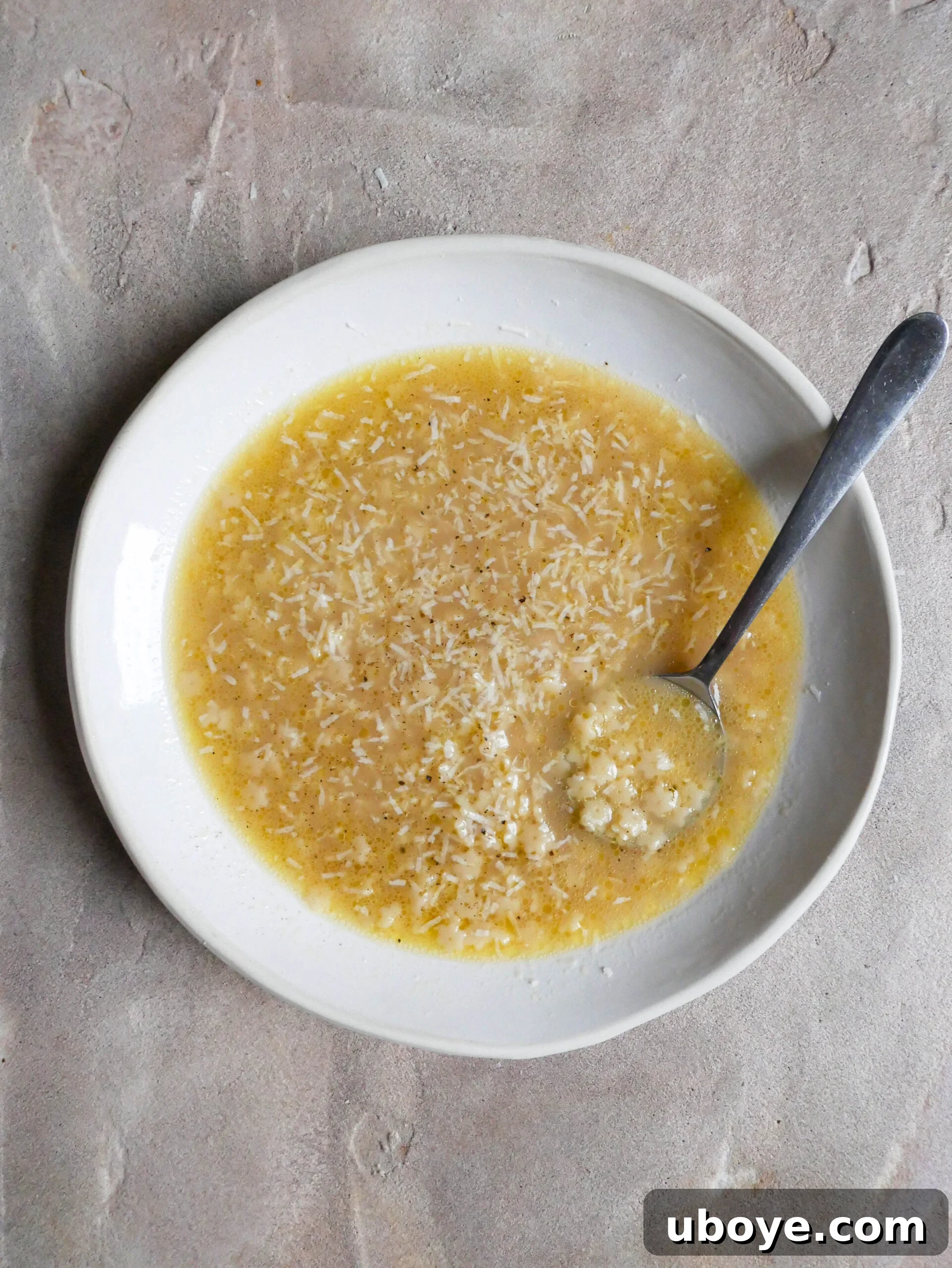
In a medium-sized pot, bring 4 cups of your freshly made (or quality store-bought) chicken stock to a vigorous boil over high heat. Once boiling, add the ½ cup of pastina and 2 tablespoons of butter directly into the simmering broth. Immediately reduce the heat to low-medium. Stir continuously to prevent the pastina from sticking, and allow it to cook until it is plump, tender, and beautifully silky, typically 5-7 minutes. The pastina should have absorbed much of the broth while still leaving a generous, comforting liquid. Remove the pastina from the heat, season it generously to taste with salt, and stir through ½ cup of grated Pecorino Romano cheese until melted and incorporated. Serve piping hot, finishing with an extra sprinkling of cheese and a pinch of freshly ground black pepper for an added layer of flavor.
Expert Tips for Crafting the Best Homemade Chicken Brodo
Creating an outstanding chicken broth (brodo) is the secret to an unforgettable pastina. These tips will help you achieve maximum flavor, richness, and depth:
- Utilize a Whole Chicken for Depth: Starting with a whole chicken provides a comprehensive range of flavors and textures, including meat, fat, and bones. For the most nourishing broth and to ensure the chicken meat doesn’t become overcooked and stringy, remove the cooked chicken after the first hour of simmering. Pick off the tender meat for your soup or other uses, then return the bare carcass and bones to the pot. This allows the bones to continue rendering collagen and flavor for a truly rich, nutrient-dense broth without compromising the meat’s texture.
- Keep the Onion Skins On: This simple trick is a game-changer for the visual appeal of your broth. The outer skins of brown onions contain natural pigments that will slowly leach into the simmering liquid, imparting a gorgeous, deep golden color to your homemade broth. Just ensure they are clean before adding them to the pot.
- Incorporate Leftover Vegetables and Herbs: Don’t let those vegetable scraps go to waste! The ends of onions, carrot peels, celery leaves, wilting herb stems, or even vegetable odds and ends from your freezer can be added to the broth. They contribute additional layers of flavor and nutrients, enhancing the complexity of your brodo while simultaneously reducing food waste.
- Boost Flavor with Extra Chicken Bones: If you have any leftover chicken bones from a roasted chicken, raw chicken wings, or even chicken feet, throw them into the pot! These components are rich in collagen and marrow, which dissolve into the broth during the long simmer, resulting in a more gelatinous, full-bodied, and deeply satisfying texture that coats the mouth beautifully.
- Consider Dried Mushrooms for Umami (Optional): For an even deeper, more complex umami flavor profile, add a few dried shiitake mushrooms to your simmering broth. Their earthy, savory notes can transform the broth. However, exercise caution and stick to five or fewer mushrooms, as their flavor can quickly become overpowering if used in excess.
- A Gentle Simmer is Key: Avoid a rolling boil during the extended simmering phase. A gentle simmer, with just a few bubbles breaking the surface, is crucial for producing a clear, flavorful broth. Rapid boiling can agitate impurities, leading to a cloudy broth and a less refined taste.
- Don’t Skimp on Salt (to taste): While you want to be careful not to oversalt initially, taste your broth throughout the simmering process, especially towards the end. A well-seasoned broth is vital for a flavorful pastina. Remember that the salt content will concentrate as the water evaporates, so adjust carefully at the end.
Frequently Asked Questions About Pastina in Chicken Broth
Can I use store-bought broth?
Absolutely! While a homemade brodo undeniably offers the most profound and authentic flavor, a high-quality store-bought chicken broth is a perfectly acceptable and delicious alternative, especially when you’re pressed for time. Opt for low-sodium varieties to better control the seasoning.
What type of pastina should I use?
Any tiny pasta shape will work wonderfully! Common choices include stars (stelline), alphabet shapes (alfabeto), or even small rice-shaped pasta like orzo (risoni). The key is their small size, which allows them to soften beautifully into the broth, creating that signature silky, cozy texture that pastina is celebrated for.
Can I add cooked chicken back into the soup?
Yes, definitely! If you’ve made your broth from scratch and have shredded chicken meat from the carcass, it’s a fantastic idea to stir it through the pastina at the very end. This adds extra protein and makes the soup even heartier and more substantial, turning it into a complete meal.
How do I prevent the pastina from absorbing too much broth?
Pastina, like all small pasta, will continue to absorb liquid as it sits, making the dish thicker over time. If you prefer a soupier consistency, simply add an extra splash of warm chicken broth or even a little hot water when you reheat or serve the leftovers. Cook the pastina to al dente for a slightly firmer texture that resists absorption longer.
Can I use vegetable broth instead of chicken?
You certainly can! Using a good quality vegetable broth will yield a lighter yet still incredibly comforting and delicious soup. It’s an excellent option for vegetarians or when you simply prefer a less rich flavor profile. Ensure your vegetable broth is savory and robust to stand up to the pastina.
Serving Suggestions for Your Perfect Pastina
Pastina with Chicken Broth is wonderful on its own, but a few simple additions can elevate it even further:
- Drizzle of Extra Virgin Olive Oil: Serve your pastina piping hot with a generous drizzle of high-quality extra virgin olive oil. This adds a subtle fruitiness and a silky mouthfeel that enhances the overall richness.
- Freshly Grated Cheese: A sprinkle of freshly grated Pecorino Romano or Parmesan cheese is almost mandatory. It melts into the hot broth, adding a wonderful salty, umami depth and an extra layer of creamy comfort.
- Shredded Chicken: For a more substantial and protein-rich meal, stir through some of the shredded chicken meat that you picked off during the broth-making process. This transforms it into a hearty chicken noodle soup, Italian style.
- Fresh Herbs and Pepper: Finish your bowl with a grind of fresh black pepper, a sprinkle of finely chopped fresh parsley, or a squeeze of fresh lemon juice. The lemon juice adds a bright, zesty counterpoint that can cut through the richness and invigorate the flavors.
- Crusty Bread for Dipping: Pair your pastina with a slice of warm, crusty bread or a piece of homemade focaccia. It’s perfect for soaking up every last drop of the delicious, nourishing broth.
Storage Tips for Leftover Pastina with Chicken Broth
Proper storage ensures you can enjoy your comforting pastina for days to come:
- Refrigeration: Store any leftover pastina in an airtight container in the refrigerator for up to 3 days. Ensure it’s fully cooled before transferring to the container.
- Rehydration During Reheating: Be aware that the pastina will continue to absorb the broth as it sits in the fridge, resulting in a much thicker consistency. When reheating, simply add a splash of extra chicken broth, water, or even milk (for a creamier texture) to loosen it up and restore its soupy nature.
- Gentle Reheating: Reheat leftovers gently on the stove over low heat, stirring occasionally, until warmed through. Avoid boiling vigorously, as this can cause the delicate pasta to become mushy.
- Freezing Recommendations: This soup does not freeze well once the pastina has been cooked, as the pasta tends to become very soft and loses its desirable texture after thawing. If you wish to freeze this dish for future enjoyment, it is highly recommended to freeze the chicken broth only. You can then cook fresh pastina directly in the thawed, reheated broth when you are ready to serve, ensuring the best possible texture and flavor.
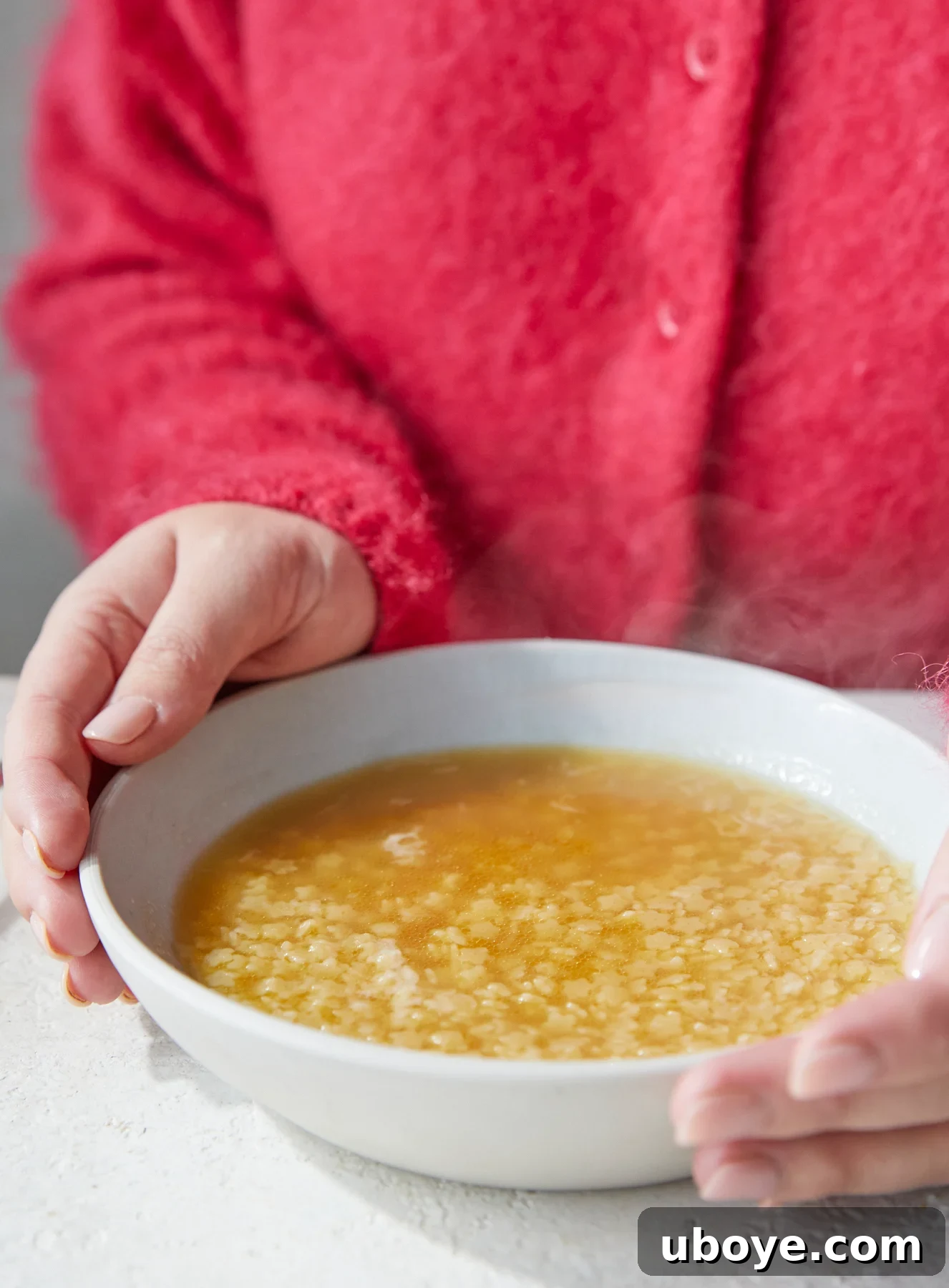
We hope you enjoy making and savoring this comforting Pastina in Chicken Broth recipe. It’s more than just a meal; it’s a timeless tradition that brings warmth and comfort to any home.
If you create this wonderful dish, please share your culinary masterpieces! Tag us on Instagram, TikTok, or Pinterest – we absolutely love seeing your delicious creations and sharing them with our community.
Do you have any questions, tips, or would you like to leave a review? Please don’t hesitate to do so in the comments section below! Your feedback on our recipes is invaluable, and we always enjoy answering your food and cooking-related inquiries.
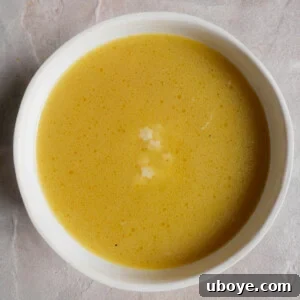
Pastina in Chicken Broth Recipe
Daen Lia
5 mins
3 hrs
2
Ingredients
For the Chicken Broth (Brodo)
- 3.3 lbs whole chicken
- 3 carrots, roughly chopped
- 3 celery stalks, roughly chopped
- 2 brown onions, quartered and with skin on
- 1/2 tbsp black peppercorns
- 1 head garlic, halved
- Parsley stalks
- Fennel fronds
- 1 tbsp salt
- 2 bay leaves
- 2 gallons water
- 5 dried shiitake mushrooms, optional
For the Pastina
- 4 cups chicken stock (from above recipe, or good quality store-bought)
- 1/2 cup pastina
- 2 tbsp butter
- 1/2 cup Pecorino Romano, grated (plus extra to serve)
- Pinch of freshly ground black pepper
- Pinch of flaky sea salt
Instructions
Chicken Broth (Brodo)
-
Make the Stock: Place all chicken broth ingredients into a very large pot. Leave uncovered. Bring to a boil, then reduce heat to low for a gentle simmer. Simmer for 1 hour.
-
Prepare Chicken Meat: Remove the chicken from the pot and pick off the meat with a fork. Allow the meat to cool slightly and store in an airtight container for later use. Return the chicken carcass to the stock and cover. Cook on low heat at a very gentle simmer for a minimum of 2 hours and a maximum of 6 hours to develop deep flavor.
-
Strain Broth: Allow the stock to cool slightly, then pass it through a fine-mesh strainer until your broth is clear. You may need to do this step twice for ultimate clarity. You should be left with approximately 3-4 liters of rich stock.
Pastina
-
Cook Pastina: In a medium-sized pot, bring 4 cups of your chicken stock to a boil over high heat. Add the pastina and butter to the chicken stock and immediately turn the heat down to low-medium. Continuously stir the pastina until it’s plump, tender, and cooked through, roughly 5-7 minutes.
-
Season & Serve: Remove the pastina from the heat. Season to taste with salt and stir through the grated Pecorino Romano cheese until it melts. Finish off with an extra sprinkling of cheese and a pinch of black pepper, then serve immediately.
Notes
Pastina: Any tiny pasta shape works — stars, alphabet, or even orzo/risoni. They all soften into the broth and create that silky, cozy texture pastina is known for.
Nutrition
Carbohydrates: 76g
Protein: 96g
Fat: 79g
Saturated Fat: 29g
Polyunsaturated Fat: 13g
Monounsaturated Fat: 30g
Trans Fat: 1g
Cholesterol: 341mg
Sodium: 5095mg
Potassium: 1775mg
Fiber: 7g
Sugar: 19g
Vitamin A: 16309IU
Vitamin C: 25mg
Calcium: 538mg
Iron: 7mg
Nutrition information is automatically calculated, so should only be used as an approximation.
 Like this? Leave a comment below!