
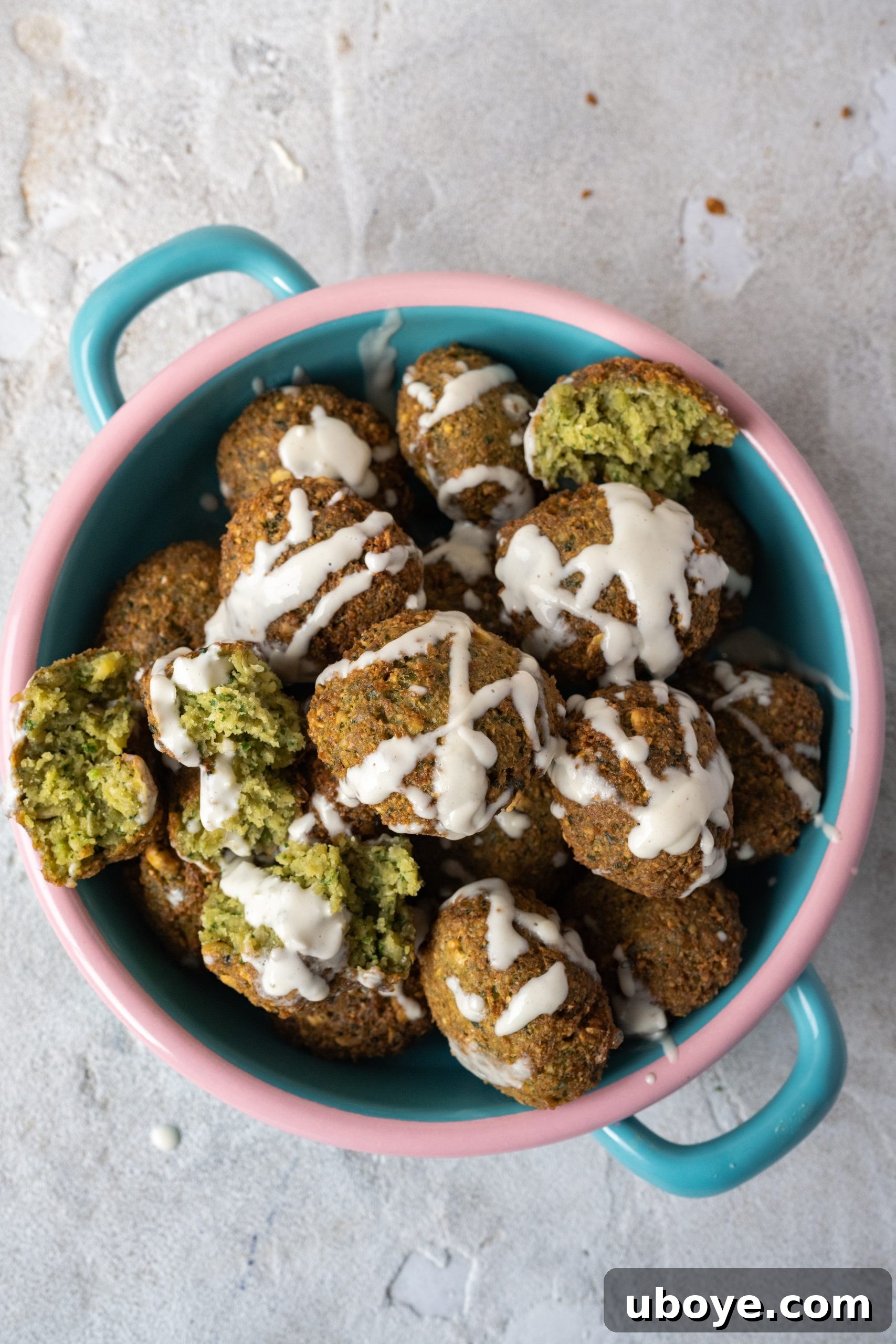
Journey into the heart of Middle Eastern cuisine with falafel, a beloved street food celebrated globally for its irresistible texture and aromatic flavors. Imagine sinking your teeth into a golden-brown shell, perfectly crispy on the outside, giving way to a soft, fluffy interior bursting with fresh herbs and earthy spices. Falafel, a name derived from the Arabic word for “pepper,” is more than just a snack; it’s a cultural icon, a testament to simple ingredients transformed into culinary magic.
This humble yet magnificent dish has captivated taste buds far beyond its traditional origins, establishing itself as a staple in kitchens and eateries worldwide. Whether nestled in warm pita bread, served alongside vibrant salads, or enjoyed on its own, falafel offers a versatile and deeply satisfying experience. This comprehensive guide will walk you through crafting your own batch of delicious, easy homemade falafel, ensuring every bite is a celebration of authentic Middle Eastern flavors.
Jump to Recipe Print Recipe
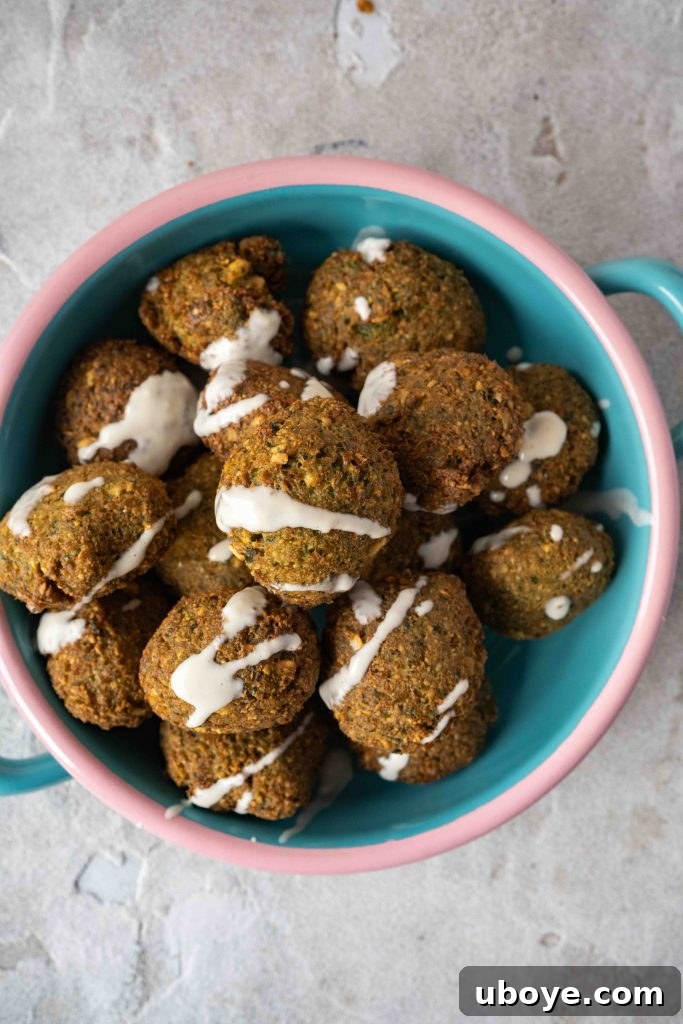
The Enduring Allure of Falafel
Falafel stands as a culinary bridge, connecting ancient traditions with modern palates. Its appeal lies not only in its delightful taste and texture but also in its versatility as a vegetarian and often vegan-friendly option, making it accessible to a wide audience. From bustling Middle Eastern souks to trendy international food trucks, falafel has cemented its status as a global favorite. This guide empowers you to bring the authentic taste and rich heritage of falafel directly into your home kitchen with an easy-to-follow recipe, ensuring a delightful cooking experience for both novice and experienced chefs.
Essential Falafel Ingredients: The Heart of the Flavor
The magic of falafel begins with a carefully selected blend of core ingredients, each contributing to its distinctive flavor and texture. At its foundation are dried chickpeas (or sometimes fava beans), which are crucial for achieving the perfect consistency. Unlike their tinned counterparts, dried chickpeas, when properly soaked, provide the necessary dryness and starchy binder that prevents the falafel from becoming soggy and ensures a beautiful crisp exterior. Fresh herbs are another cornerstone, with vibrant parsley and bright cilantro infusing the mixture with their aromatic essence. The pungent notes of fresh onions and garlic provide depth and warmth, while a medley of traditional Middle Eastern spices, including earthy cumin and fragrant coriander, elevates the flavor profile to create a truly authentic taste experience. To achieve that signature light and airy texture, a touch of corn flour and baking soda is incorporated into the mix, helping the falafel puff up and become wonderfully tender on the inside. Understanding the role of each component is key to mastering this beloved dish.
Mastering the Art of Homemade Falafel
Crafting homemade falafel is a rewarding process that begins the day before you plan to cook. The most critical first step is to soak dried chickpeas overnight. This prolonged soak, typically 12-18 hours, rehydrates the chickpeas, softening them enough for processing while retaining their firmness, which is essential for the falafel’s structure. **It is absolutely crucial to use dried chickpeas, not tinned ones.** Tinned chickpeas are pre-cooked and too wet, leading to a mushy falafel mixture that won’t hold its shape or crisp up properly. Once thoroughly soaked, drain and rinse the chickpeas well before transferring them to a robust food processor.
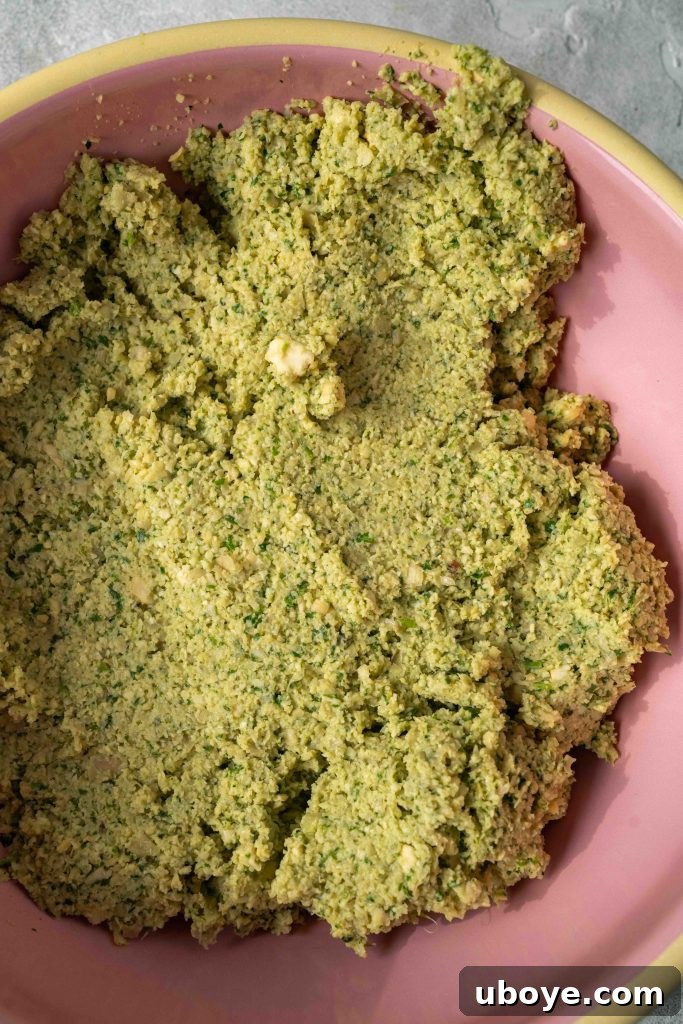
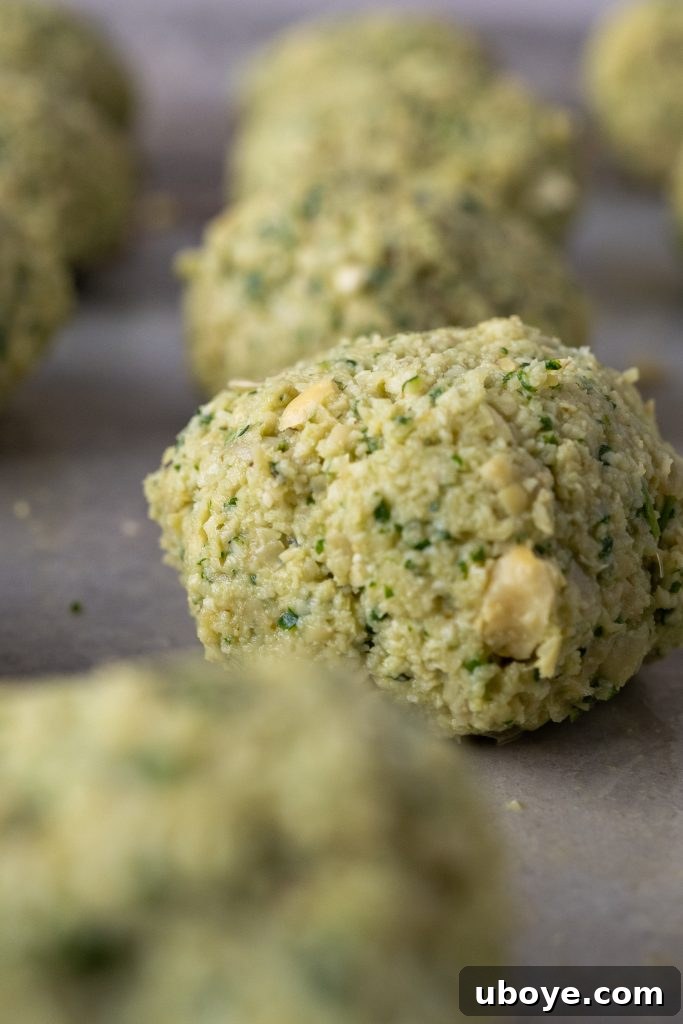
Next, add your fresh aromatics and spices to the food processor. This includes generous amounts of fresh parsley and cilantro, quartered onions, peeled garlic cloves, ground cumin, and coriander. Season generously with salt and pepper, and add a touch of baking powder, which aids in creating a lighter, fluffier interior. Pulse the mixture in short bursts, typically 45-60 seconds at a time, making sure to scrape down the sides of the bowl between pulses. The goal is to achieve a coarse, granular consistency—not a smooth paste. Over-processing will result in a dense, heavy falafel. A slightly chunky texture ensures that classic falafel feel, where you can discern the individual components and enjoy a satisfying bite. The mixture should be firm enough to hold its shape when pressed together, with a hint of moisture. If it appears too dry, a small amount of water can be added gradually, a tablespoon at a time, until the desired consistency is achieved. Always taste the mixture and adjust seasonings as needed before chilling.
Fried vs. Baked Falafel: Your Choice for Perfection
While this recipe primarily focuses on the traditional fried method to achieve that signature crispy exterior, you absolutely have the option to bake your falafel for a lighter, healthier alternative. Baking significantly reduces the oil content without sacrificing too much of the delicious, savory flavor. The choice between frying and baking often comes down to personal preference for texture and dietary considerations.
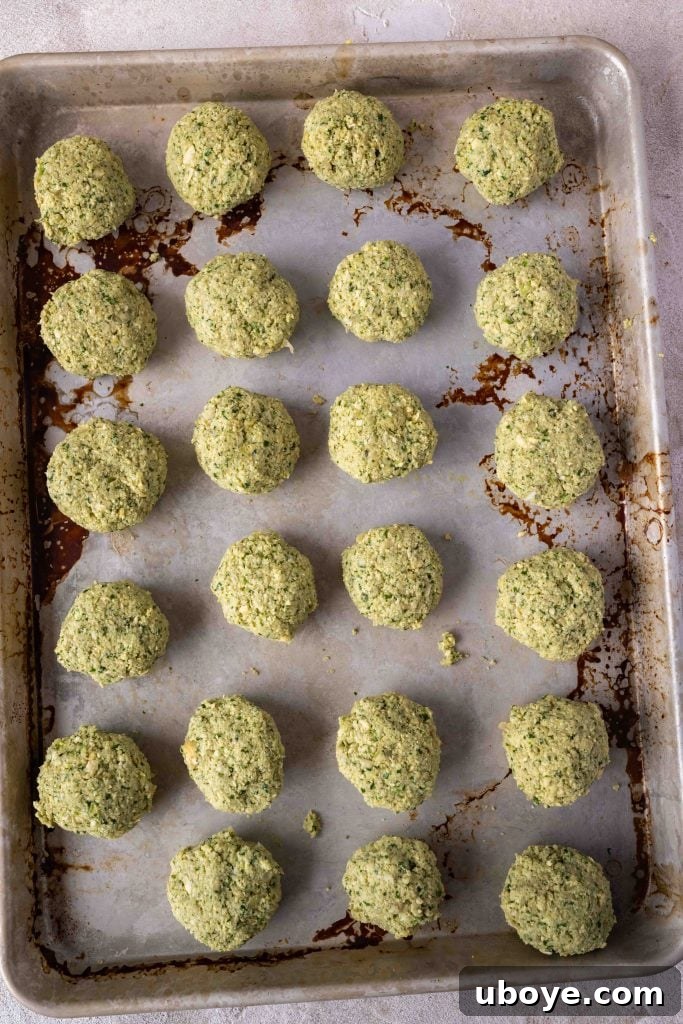
If you opt for a baked falafel recipe, the process is straightforward. First, preheat your oven to a moderate 180-190°C (355-375°F). Shape the falafel mixture into uniform balls or patties, just as you would for frying. Arrange them in a single layer on a parchment-lined baking sheet to prevent sticking and ensure even cooking. Lightly brush or spray the falafel with olive oil; this helps them achieve a golden-brown hue and a pleasant crispiness without deep-frying. Bake for approximately 25-30 minutes, remembering to flip them halfway through the cooking time to ensure all sides are evenly browned and cooked through. Baked falafel will be tender on the inside with a satisfyingly firm exterior, offering a delightful contrast to their fried counterparts while being a fantastic option for those seeking a less indulgent meal.
Expert Tips for Perfect Homemade Falafel
- Thorough Chickpea Soaking is Non-Negotiable: This is perhaps the most crucial step. Ensure your dried chickpeas are soaked for the recommended 12-18 hours. This process hydrates them without cooking, yielding the perfect dry, firm texture needed for falafel that holds its shape and crisps beautifully. Never substitute with canned chickpeas, as their high moisture content will result in a crumbly, soggy mess.
- Embrace Fresh Herbs: The vibrant flavor profile of falafel relies heavily on fresh parsley and cilantro. Use generous amounts to infuse the mixture with their bright, aromatic notes. Avoid dried herbs here, as they simply won’t deliver the same punch.
- Texture Matters: Don’t Over-Process: When blending the mixture in your food processor, resist the urge to create a smooth paste. Pulse in short intervals, scraping down the sides, until you achieve a coarse, slightly grainy texture. This ensures that classic falafel mouthfeel – a tender interior with a satisfying bite.
- Optimal Frying Oil Blend: For the best flavor and a gorgeous golden-brown color, fry your falafel in a mixture of neutral oil (like grapeseed, canola, or vegetable oil) and a good quality olive oil. The neutral oil provides a high smoke point, while the olive oil contributes a subtle, desirable flavor. Ensure the oil is heated to the correct temperature (180-190°C / 355-375°F) before adding the falafel; too cool, and they’ll absorb too much oil; too hot, and they’ll burn outside before cooking inside.
- Chill the Mixture for Stability: After preparing your falafel mixture, it’s highly recommended to refrigerate it for at least 30 minutes, or even an hour. This chilling period allows the flavors to meld and, more importantly, helps the mixture firm up. A chilled mixture is much easier to shape into uniform balls or patties, and they will hold their form better when they hit the hot oil, preventing them from falling apart.
- Don’t Overcrowd the Fryer: Fry falafel in small batches (e.g., 6-8 at a time) to maintain the oil’s temperature. Overcrowding the pot will cause the oil temperature to drop, leading to greasy, less crispy falafel.
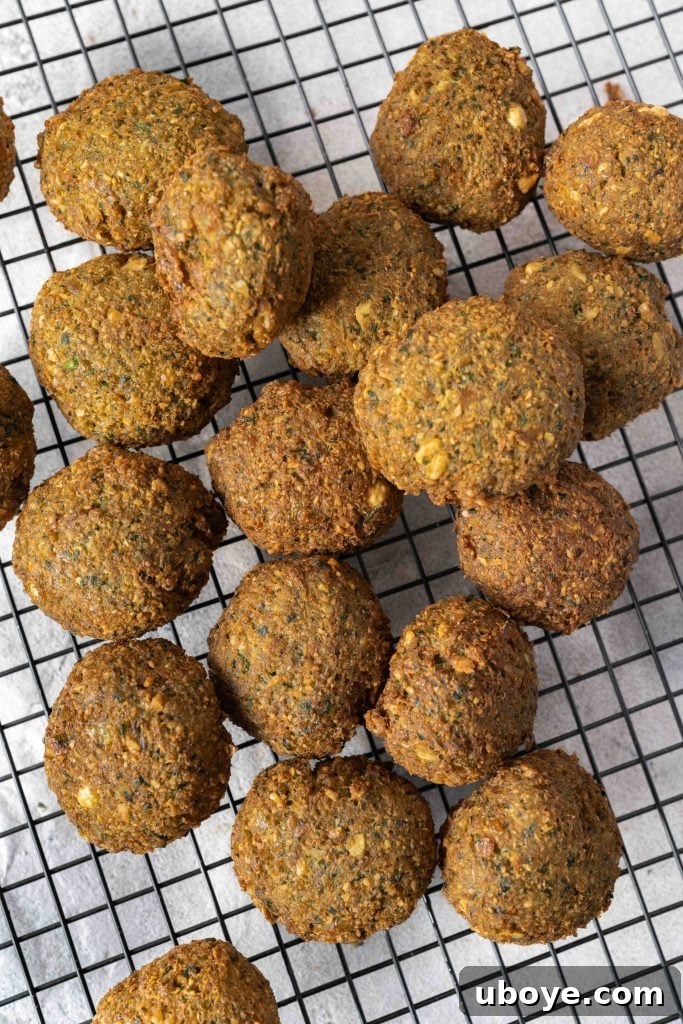
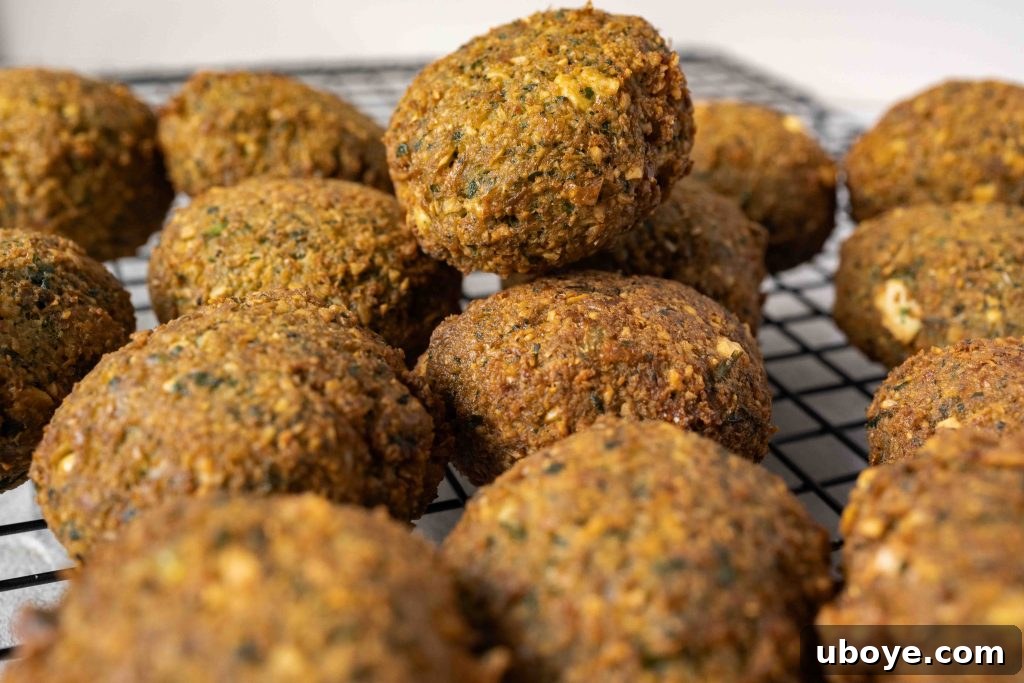
- Drain Properly: Once cooked, use a slotted spoon to transfer the falafel to a wire cooling rack placed over a paper towel-lined baking sheet. This allows excess oil to drain away, keeping your falafel perfectly crisp.
Demystifying Falafel: What’s Inside?
At its core, falafel is a vibrant and flavorful fritter primarily made from ground chickpeas (garbanzo beans) or, in some regional variations, fava beans. These legumes are blended with a robust mix of fresh herbs, most notably parsley and cilantro, which impart its characteristic green hue and fresh aroma. Onions and garlic provide a savory depth, while a carefully balanced blend of spices like cumin, coriander, and sometimes a hint of cayenne pepper adds warmth and complexity. The mixture is then typically seasoned with salt and pepper. This well-combined concoction is shaped into small balls or patties, which are then either deep-fried to a golden crisp perfection or baked for a lighter finish. The beauty of falafel lies in this harmonious blend of simple, wholesome ingredients.
Is Falafel Good For You or Bad For You? Understanding Its Nutritional Value
Falafel can indeed be a very healthy and nutritious option, particularly when prepared mindfully. It is inherently rich in protein and dietary fiber, primarily owing to its chickpea base, which contributes to satiety and digestive health. Furthermore, the fresh herbs and spices add a wealth of vitamins, minerals, and antioxidants to the dish. While traditional falafel is often deep-fried, which can increase its calorie and fat content, the type of oil used plays a significant role. This recipe utilizes healthy olive oil for frying, which is a good source of monounsaturated fats. For those seeking to further reduce oil content, baking falafel is an excellent alternative that retains all the delicious flavors and nutritional benefits of the ingredients with significantly less fat. When paired with fresh salads, vegetables, and light sauces, falafel makes for a wholesome and balanced meal.
Where Does Falafel Originate From? A Culinary History
The origins of falafel are deeply embedded in the culinary history of the Middle East, making it a traditional Arab dish with a rich cultural tapestry. While its exact birthplace is debated among scholars and food historians, with theories pointing to Egypt (where it’s traditionally made with fava beans), Lebanon, or Palestine, it has been embraced and adapted across various countries in the region. Today, falafel is a cherished street food and a staple of everyday meals across the Levant, Egypt, and beyond, and is also widely associated with Israeli cuisine. Its widespread popularity has made it an iconic representation of Middle Eastern culinary heritage worldwide, transcending borders and becoming a beloved dish for many cultures.
Perfect Pairings: What to Serve with Falafel
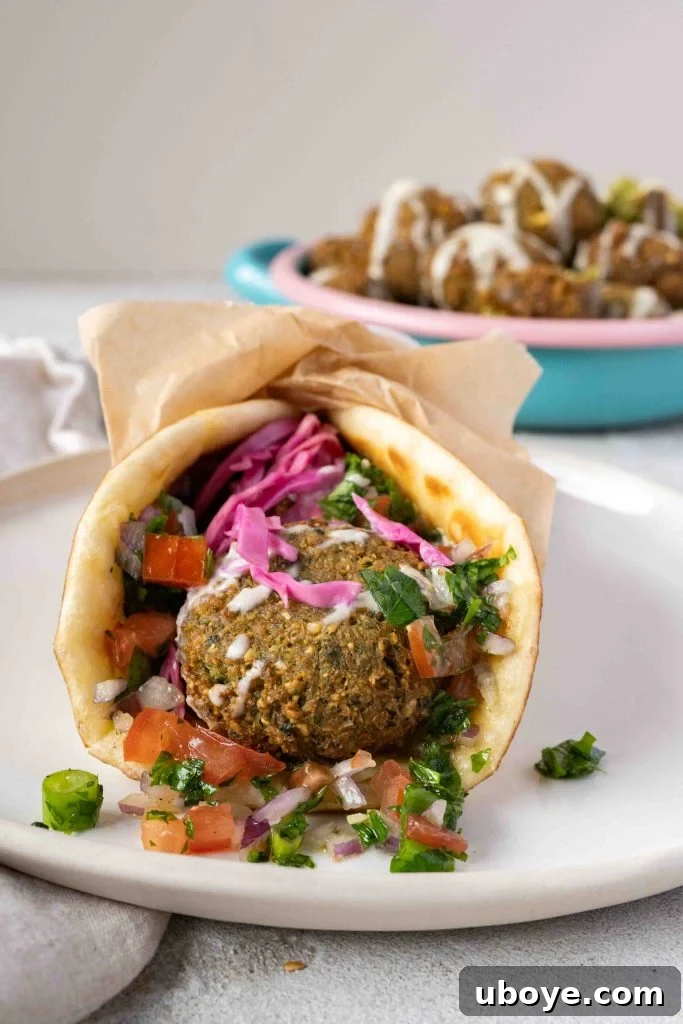
The versatility of falafel makes it an ideal centerpiece or accompaniment for a wide array of dishes. Its savory, herbaceous notes pair beautifully with fresh, bright flavors. For a classic and refreshing side, consider a vibrant tabouli salad recipe, where the fresh herbs, crisp vegetables, and zesty lemon dressing perfectly complement the rich flavors of the falafel. Another fantastic option is a creamy burrata salad, offering a delightful contrast of textures and temperatures with its soft cheese and fresh greens. Beyond salads, falafel shines when served with a drizzle of homemade tahini sauce, pickled turnips or cabbage, fresh pita bread, and a spread of hummus. For those who appreciate Mediterranean cuisine, explore other delightful options such as our easy spanakopita recipe, a savory Greek spinach pie that brings another layer of flaky pastry and savory filling to your table. Whether you prefer a light accompaniment or a hearty spread, falafel adapts beautifully to create a memorable meal.
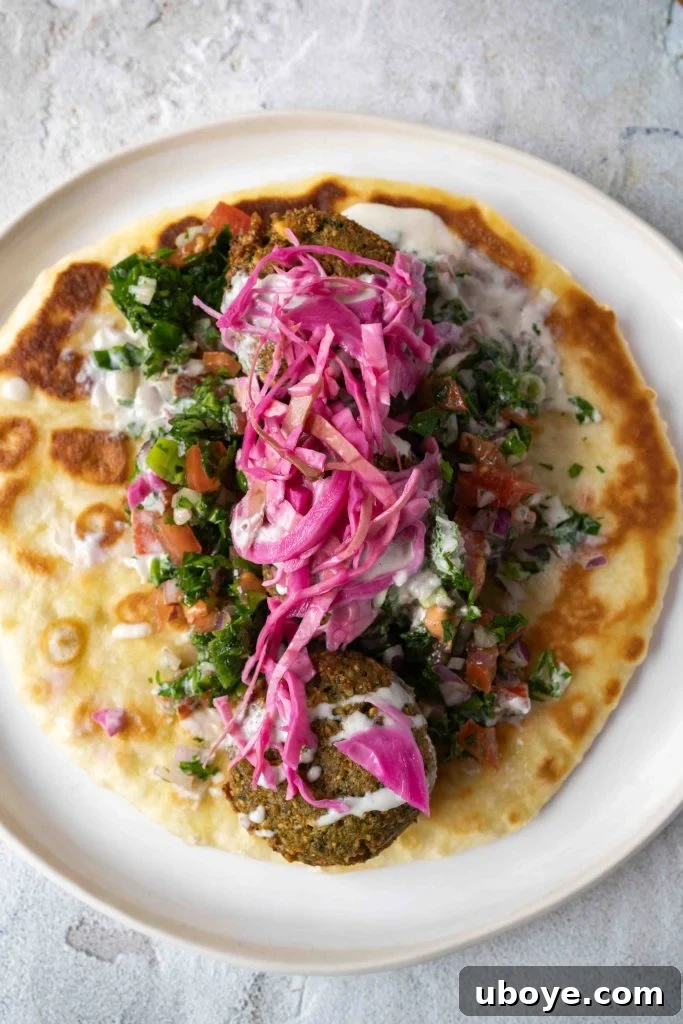
Whether you’re a long-time falafel enthusiast or simply curious to try your hand at this Middle Eastern delight, this easy falafel recipe promises a tasty, healthy, and incredibly satisfying culinary adventure. Packed with wholesome ingredients and bursting with flavor, it’s perfect for any occasion – from a casual weeknight dinner to an impressive party spread. Don’t stop at just the falafel balls; transform them into a quick and delicious on-the-go snack with my falafel wrap recipe. Craving more Mediterranean inspiration? Try making spanakopita, a savory Greek spinach pie, or complement your falafel feast with my refreshing tabouli recipe. Enjoy the process of creating these wonderful dishes and savor the rich flavors of the Mediterranean at home!
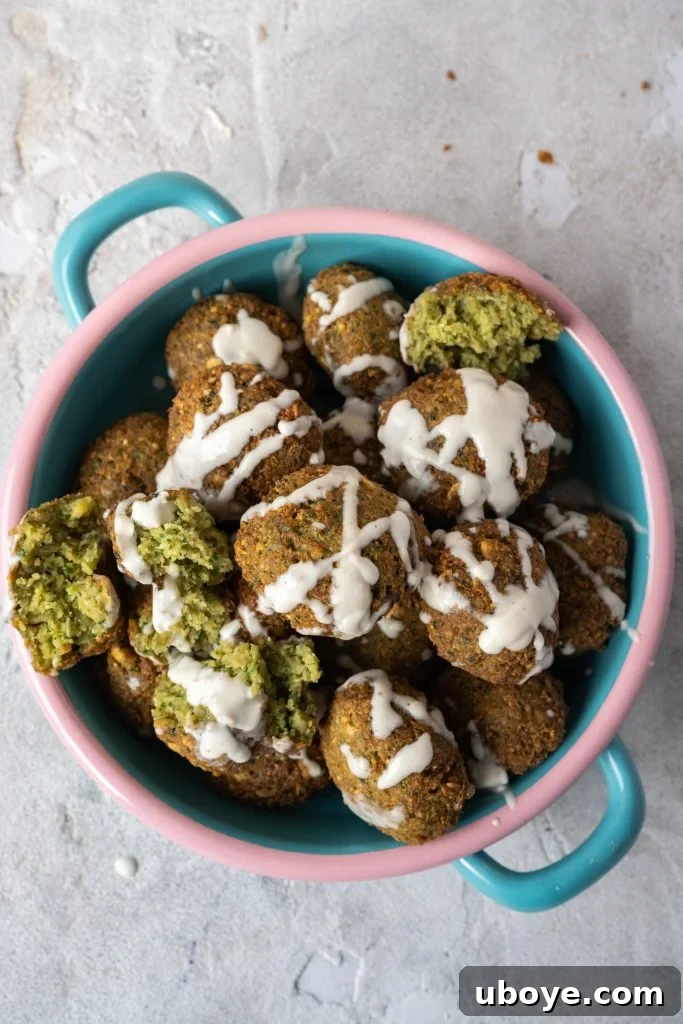
If you create this delightful falafel recipe, please share your culinary masterpieces by tagging me on Instagram, Tik Tok, or Pinterest! I truly love seeing your wonderful creations. Should you have any questions or wish to share your feedback, please don’t hesitate to leave a review here. Your thoughts on my food and recipes are always valuable and appreciated!
Images by Alanna Penna Photography.
Easy Falafel Recipe
Ingredients
- 3 cups Dried chickpeas
- 1 brown onion, peeled and quartered
- 6 garlic cloves, peeled
- 1 bunch flat leaf parsley
- 1 cup cilantro / coriander
- 1 tbsp baking soda
- 1 tbsp corn flour
- ½ tbsp dried coriander
- ½ tbsp cayenne pepper, (optional)
- 1 tbsp cumin
- 2 tbsp water, (optional, adjust as needed for consistency)
- salt and pepper to taste
- olive oil and neutral oil for frying
Tahini sauce
- 1/4 cup tahini
- 1/2 lemon, juiced
- 1/2 tsp white pepper
- 4-6 tbsp water, (adjust for desired consistency)
- kosher sea salt to taste
Instructions
-
Preparation (The Day Before): Place the dried chickpeas into a large bowl and cover generously with cold water. Allow them to soak overnight for 12 to 18 hours. This crucial step ensures they rehydrate sufficiently. When ready, drain the chickpeas thoroughly and pat them dry with a clean towel.
-
Making the Falafel Mixture: Transfer the soaked chickpeas to a food processor. Add all the remaining falafel ingredients: brown onion, garlic cloves, flat leaf parsley, cilantro/coriander, baking soda, corn flour, dried coriander, cayenne pepper (if using), and cumin. Season with salt and pepper. Pulse the mixture in 60-second increments, stopping to scrape down the sides of the bowl each time, until all ingredients are well combined and a coarse, firm texture is achieved. Avoid over-processing; you want a slightly grainy consistency, not a smooth paste. The mixture should be moist enough to hold its shape when pressed. If it feels too dry, slowly add the suggested amount of water, one tablespoon at a time, until the desired texture is reached. Taste and adjust seasoning as necessary.
-
Chilling the Mixture: Transfer the falafel mixture to a bowl, cover it, and place it in the refrigerator for at least 1 hour. Chilling helps the mixture firm up, making it easier to shape and preventing it from falling apart during cooking.
-
Shaping the Falafel: Using a tablespoon or a small falafel scoop, scoop out portions of the mixture. Roll each portion into a small ball, then slightly flatten it into a patty, roughly 2 inches thick. Place the shaped falafel onto a plate as you continue to prepare the remaining mixture. This recipe should yield approximately 28 to 30 falafel pieces.
-
Preparing for Frying: Fill a large, sturdy pot halfway up with a mix of olive oil and a neutral oil (like grapeseed or vegetable oil), ensuring there is enough depth for the falafel to be fully submerged. Heat the oil over high heat until it reaches a temperature of 180-190°C (355-375°F). You can test the oil’s readiness by dropping a tiny amount of the falafel mixture into it; if it sizzles vigorously and floats to the surface, the oil is ready.
-
Frying the Falafel: Carefully lower one falafel at a time into the hot oil using a slotted spoon. It’s always a good practice to cook one test falafel first to check the cooking time and flavor. Fry in batches of no more than 6-8 falafels at a time to avoid overcrowding the pot, which can lower the oil temperature. Cook each batch for about 4 minutes, or until they are deeply golden brown and wonderfully crunchy on the outside.
-
Draining and Serving: Using a slotted spoon, carefully remove the cooked falafel from the oil and place them on a wire cooling rack set over a paper towel-lined baking sheet to drain any excess oil. Repeat with the remaining falafel mixture. Serve your fresh, crispy falafel immediately with a generous drizzle of homemade tahini sauce, a side of refreshing tabouli salad, and some tangy red pickled cabbage.
Tahini Sauce
-
Preparing the Tahini Sauce: In a small bowl, combine the tahini, fresh lemon juice, and white pepper. Gradually whisk in the water, starting with 4 tablespoons, until you achieve a smooth, runny consistency that is easy to drizzle. Tahini has a naturally strong flavor, and the water helps to lighten its texture without diluting its rich taste. Taste the sauce and season with kosher sea salt accordingly.
 Like this? Leave a comment below!