
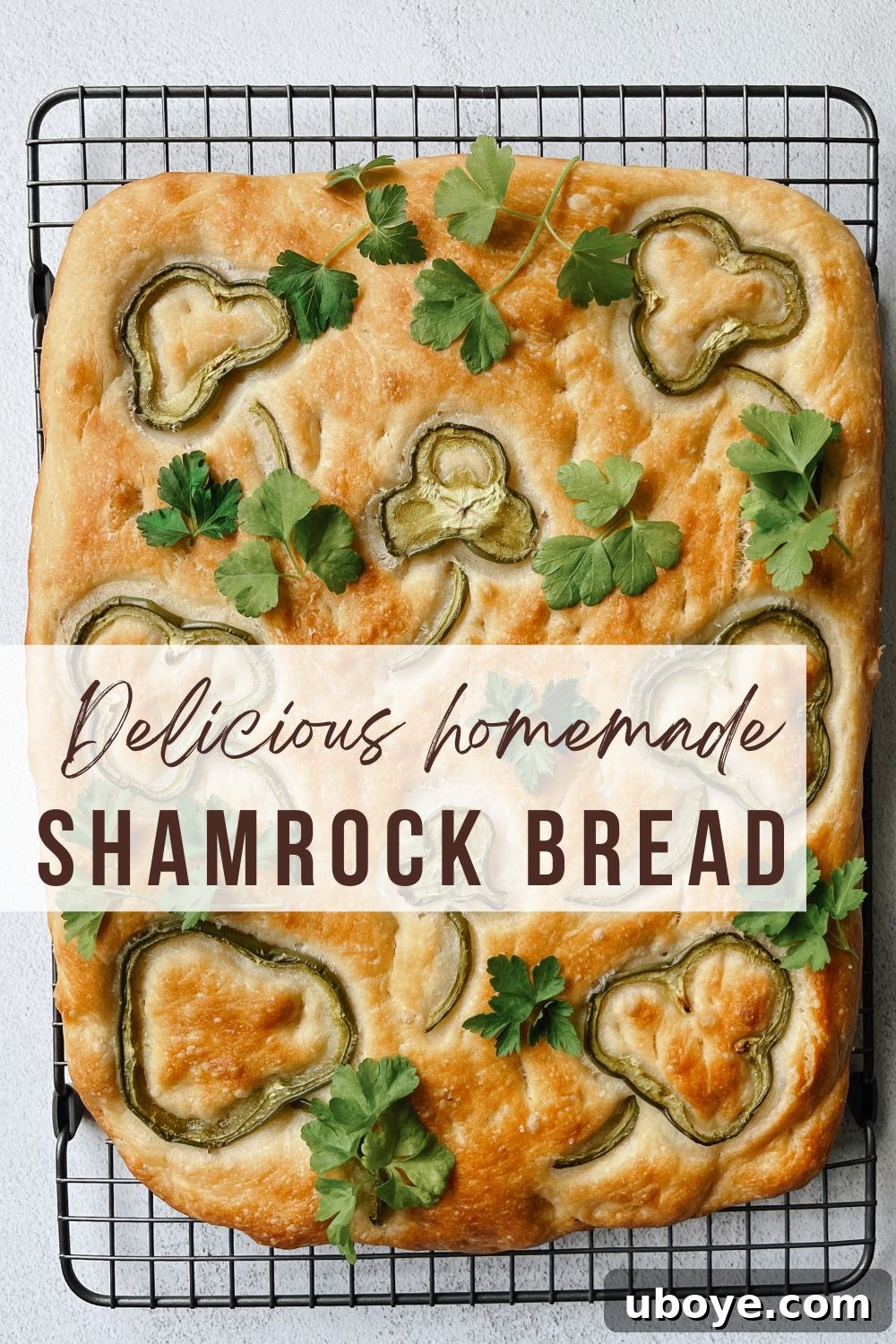
Festive Shamrock Focaccia Bread: Your Ultimate St. Patrick’s Day Recipe
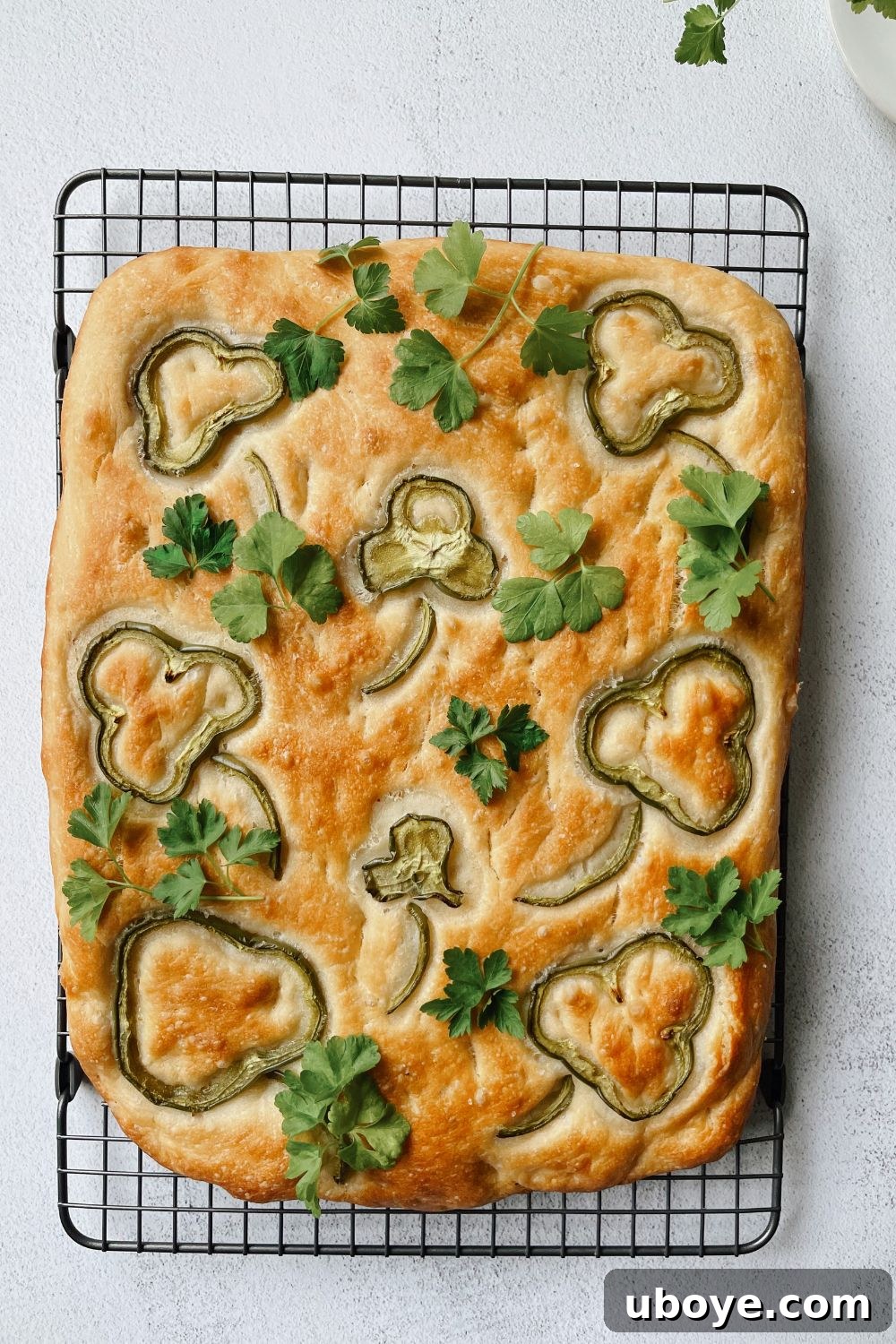
Get ready to infuse your St. Patrick’s Day celebrations with a touch of homemade magic! This year, move beyond the usual green treats and impress your guests with our stunning Shamrock Focaccia Bread. Imagine a soft, airy, and flavorful focaccia, topped with adorable, edible shamrocks crafted from vibrant green bell peppers and a sprinkle of fresh parsley. It’s not just a dish; it’s a festive centerpiece that tastes as incredible as it looks!
Our recipe starts with a surprisingly simple focaccia dough, perfect even for beginner bakers. Requiring just five basic ingredients, this homemade bread is designed to be accessible, enjoyable, and utterly delicious. We’ll guide you through each step, from activating the yeast to achieving that perfect golden crust and creating the charming shamrock design. The result is a truly special bread that’s sure to bring a smile to everyone’s face on St. Patty’s Day ☘️
Why You’ll Adore This Shamrock Focaccia
This Shamrock Focaccia Bread isn’t just another recipe; it’s an experience waiting to happen. Here’s why it’s destined to become your new St. Patrick’s Day tradition:
- Beginner-Friendly: Don’t let the thought of baking bread intimidate you! Our focaccia recipe is designed with simplicity in mind, requiring minimal kneading and straightforward steps. If you’ve always wanted to try baking your own bread, this is the perfect place to start.
- Visually Stunning: The adorable shamrock design, crafted from fresh green bell peppers, makes this bread an instant showstopper. It’s a creative way to celebrate St. Patrick’s Day and a guaranteed conversation starter at any gathering.
- Incredibly Delicious: Beyond its festive appearance, this focaccia boasts a beautiful texture – a crispy, golden crust gives way to a soft, airy, and tender interior. The subtle hint of olive oil and the freshness of the bell peppers create a truly irresistible flavor profile.
- Perfect for Celebrations: Whether you’re hosting a St. Patrick’s Day party, bringing a dish to a potluck, or simply enjoying a festive meal at home, this focaccia adds a celebratory touch to any table.
- Naturally Vegan: This recipe is entirely plant-based, making it suitable for a wide range of dietary preferences without compromising on taste or texture.
What is Focaccia Bread?
Focaccia is a beloved Italian flatbread, known for its dimpled surface, generous olive oil content, and irresistibly chewy texture. Traditionally, it’s baked in a rectangular pan, creating a relatively thin loaf with a perfectly golden-brown crust and a soft, airy crumb. It can be topped with a variety of ingredients, from simple herbs and flaky sea salt to olives, tomatoes, and, in our festive case, green bell peppers to create charming shamrock designs. Focaccia is incredibly versatile, serving as a delightful appetizer, a side dish for soups and salads, or even as the base for sandwiches.
Essential Ingredients for Your Shamrock Focaccia
Crafting this delightful Shamrock Focaccia requires just a handful of straightforward ingredients. Each one plays a crucial role in developing the bread’s flavor and texture, ensuring a perfect loaf every time.
For the Flavorful Focaccia Dough:
- Warm Water (2½ cups, about 110°F/43°C): The exact temperature of the water is vital for activating the yeast. Too hot, and it can kill the yeast; too cold, and the yeast won’t activate properly. Think comfortably warm to the touch.
- Maple Syrup (2½ tsp): A touch of natural sweetness helps “feed” the yeast, encouraging it to bloom and rise. It also contributes to the focaccia’s golden color and adds a very subtle depth of flavor.
- Active Dry Yeast (1 packet, about 2¼ tsp): This is the leavening agent that makes your bread rise, creating that signature airy and chewy texture. Ensure your yeast is fresh for the best results.
- Bread Flour (5 cups, 625g): Bread flour has a higher protein content than all-purpose flour, which helps develop more gluten. This gluten structure is essential for giving focaccia its characteristic chewiness and elasticity.
- Kosher Salt (1 tbsp): Salt is crucial for flavor, but it also plays a role in controlling yeast activity and strengthening the gluten network. Don’t skip it!
- Extra Virgin Olive Oil (5 tbsp, divided): High-quality extra virgin olive oil is fundamental to focaccia. It adds rich flavor, contributes to the crust’s crispness, keeps the dough moist, and prevents sticking. We’ll use it in multiple stages of the recipe for maximum effect.
For the Festive Shamrock Topping:
- Large Green Bell Pepper (1, sliced into rings): The star of our St. Patrick’s Day design! When sliced into rings, the bell pepper pieces can be arranged to perfectly mimic the shape of shamrocks. They add a fresh, slightly sweet flavor and a beautiful pop of green.
- Flakey Sea Salt: A generous sprinkle of flakey sea salt on top before baking is non-negotiable for focaccia. It provides a delightful textural contrast and a burst of salty flavor that enhances every bite. We highly recommend using a good quality flakey sea salt for the best finish.
- Fresh Parsley (optional, for garnish): A light scattering of chopped fresh parsley after baking can enhance the green theme and add another layer of freshness and visual appeal to your shamrocks.
Equipment You’ll Need
You don’t need fancy gadgets to bake this incredible focaccia. Here’s the simple equipment list to get you started:
- 2 Large Mixing Bowls: Essential for combining ingredients and allowing the dough to rise without overflowing.
- 1 Small Bowl: Perfect for activating the yeast.
- Cookie Sheet or Baking Pan (approx. 9×13 inches): This size is ideal for achieving a good focaccia thickness and the perfect canvas for your shamrock design.
- Silicone Spatula or Wooden Spoon: For initial mixing of the dough.
- Measuring Cups and Spoons: For accurate ingredient measurements.
- Whisk: To combine dry ingredients evenly.
- Kitchen Scale (optional but recommended): While not strictly necessary, an inexpensive food scale can significantly improve baking accuracy, especially for flour, ensuring consistent results.
Step-by-Step Guide to Crafting Shamrock Focaccia
Follow these detailed instructions to create a beautiful and delicious Shamrock Focaccia Bread that will be the highlight of your St. Patrick’s Day celebration.
Step 1: Activate Your Yeast for a Perfect Rise
- In a small bowl, combine the 2½ cups of warm water (aim for around 110°F or 43°C), 2½ teaspoons of maple syrup, and the entire packet of active dry yeast.
- Stir gently until the yeast and maple syrup are mostly dissolved.
- Allow the mixture to rest for 5-10 minutes. During this time, the yeast should become foamy and bubbly on the surface. This indicates that your yeast is active and ready to make your bread rise. If it doesn’t foam, your water might have been too hot or too cold, or your yeast might be expired.
- 👩🏻🍳Tip: The water should be warm but not hot. Test it with your finger; it should feel like a warm bath, not scalding.
Step 2: Mixing and Initial Kneading of the Dough
- In one of your large mixing bowls, combine the 5 cups of bread flour and 1 tablespoon of kosher salt. Whisk these dry ingredients together thoroughly to ensure the salt is evenly distributed.
- Pour the activated yeast and water mixture into the flour and salt mixture.
- Using a silicone spatula or a sturdy wooden spoon, mix until a shaggy, wet dough forms and no dry streaks of flour remain. The dough will be sticky, which is perfectly normal for focaccia.
- Once combined, switch to clean, lightly oiled hands and knead the dough in the bowl for just one minute. This brief kneading helps to start developing the gluten.
- 👩🏻🍳Tip: While not strictly necessary, an inexpensive food scale can make a big difference in the accuracy of your baking, especially for flour. Precision helps ensure consistent results!
Step 3: The First Knead and Olive Oil Bath
- To perform the kneading, simply pull the dough upwards from the top edge of the bowl, then fold it downwards towards the center.
- Rotate the bowl a quarter turn and repeat the lifting and folding motion. Continue this for about 1-2 minutes, stretching out the dough as you go. This gentle process helps to build the dough’s structure without extensive traditional kneading. Watch a visual demonstration of this technique here if needed.
- 👩🏻🍳Tip: It’s a good idea to lightly oil your hands with a little olive oil before doing this step, as the dough will be quite sticky. This prevents it from sticking to your hands.
- Next, add 4 tablespoons of extra virgin olive oil to your second large mixing bowl. Generously rub the olive oil all over the inside surfaces of the bowl. This not only prevents the dough from sticking but also infuses it with flavor.
- Transfer your dough to this well-oiled bowl, turning it once to coat all sides with the olive oil.
- 👩🏻🍳Tip: This might look like an excessive amount of olive oil, but trust the process! It’s an integral part of what makes focaccia so delicious and contributes significantly to its signature texture and flavor, not just for preventing stickiness. Don’t skimp on this step!
Step 4: The First Rest – Let the Dough Work Its Magic
- Tightly cover the bowl containing the dough with plastic wrap or a damp kitchen towel.
- Allow the dough to rest and rise in a warm, draft-free place for 2 hours. This initial long rise is crucial for developing flavor and texture.
- 👩🏻🍳Tip: A great warm spot for rising dough is often your oven. Make absolutely sure the oven is turned OFF, then simply turn on the oven light for warmth. This creates a cozy, consistent environment for the yeast to thrive ☀️.
Step 5: Second Knead and Pan Prep
- After the first rise, gently remove the cover. You’ll notice the dough has significantly expanded and become bubbly.
- Perform another brief kneading session for about one minute, following the same lift and fold method from before. As you knead, gently incorporate any remaining olive oil from the sides of the bowl into the dough.
- Generously grease a 9×13-inch cookie sheet or baking pan with the remaining 1 tablespoon of extra virgin olive oil. Ensure the entire surface of the pan is well coated.
- Carefully transfer the dough to the prepared pan. Do not try to stretch or shape it aggressively at this stage. Just let it relax and settle into the pan naturally.
- Cover the pan loosely with plastic wrap or a kitchen towel and allow the dough to rest for another hour. This second rest will help the dough relax and become easier to stretch.
Step 6: Decorate and Bake to Golden Perfection
- After the second rest, pre-heat your oven to 425°F (220°C).
- Once the dough has rested, it should be much more pliable. Gently use your fingertips to stretch the dough towards the edges of the pan, forming an even 9×13-inch rectangle. Avoid tearing the dough.
- Now, use your fingers to create characteristic dimples all over the surface of the bread. Press down firmly but gently, ensuring you don’t poke all the way through the dough. These dimples are essential for focaccia as they prevent large air bubbles from forming and create pockets for the olive oil and toppings.
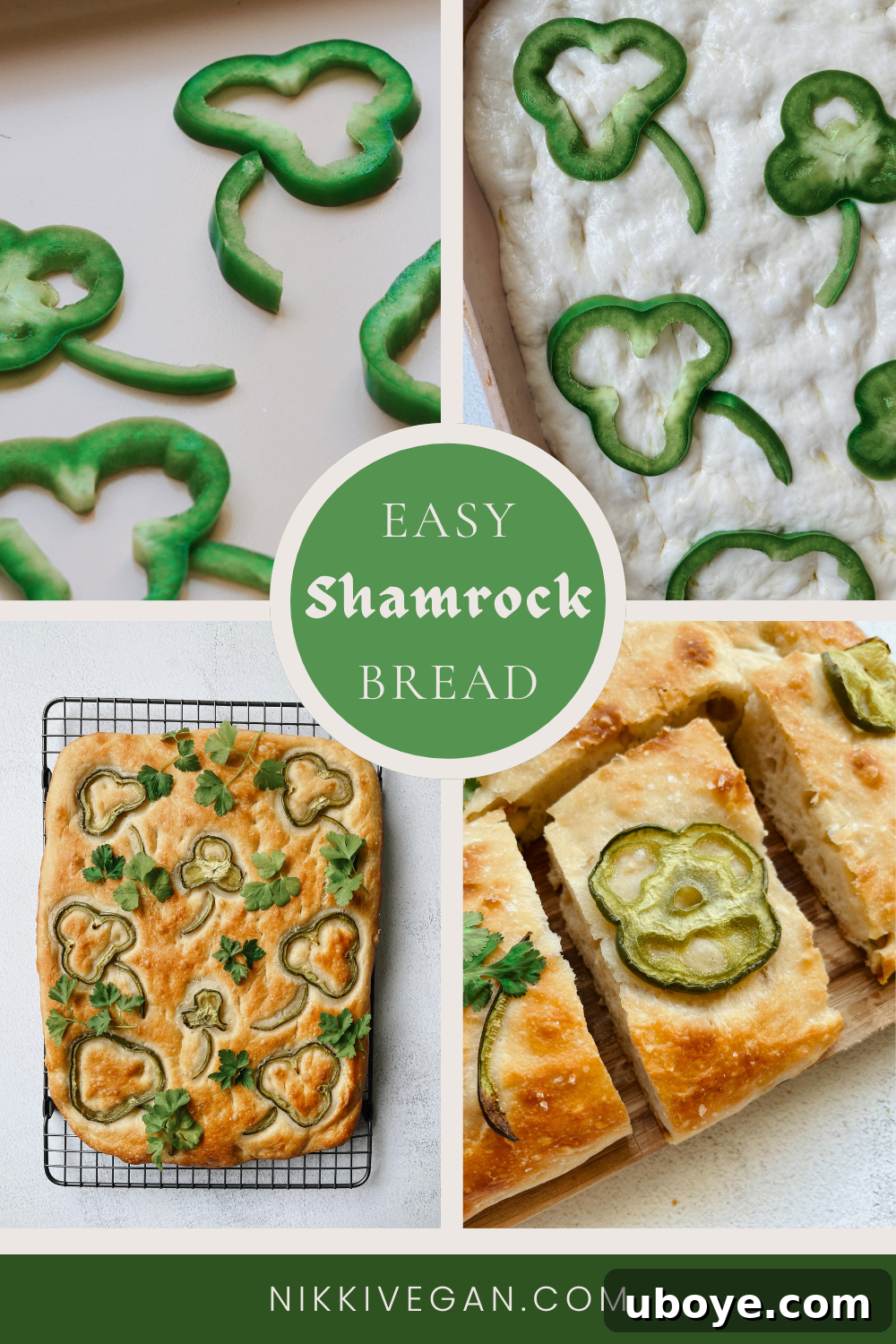
- Arrange your sliced green bell pepper rings on top of the dough to create charming shamrock designs. You can also add a few fresh parsley leaves for extra green.
- Generously sprinkle the entire surface with 2 big pinches of flakey sea salt. This salt will adhere beautifully to the dimpled, oily surface.
- Bake for 35-40 minutes, or until the focaccia is deeply golden brown on top and feels firm to the touch. The color is key to flavor and a good crust!
Step 7: Slice, Serve, and Savor
- Once baked, remove the focaccia from the oven and allow it to cool in the pan for at least 15-20 minutes before attempting to slice it. Cooling allows the bread to set and prevents it from becoming gummy.
- Transfer the cooled focaccia to a cutting board and cut it into long strips or squares using a serrated knife.
- Enjoy your homemade Shamrock Focaccia as is, or serve it alongside your favorite St. Patrick’s Day soups, stews, vibrant salads, or a platter of crudités for a delicious and festive snack or appetizer!
Tips for Focaccia Perfection
- Patience is Key: Don’t rush the rising times. The long rests are crucial for developing flavor and texture.
- Quality Olive Oil: Since olive oil is such a prominent ingredient, using a good quality extra virgin olive oil will significantly enhance the flavor of your focaccia.
- Dimple with Confidence: Don’t be shy with the dimples! They are characteristic of focaccia and help create those lovely pockets for toppings and flavor.
- Don’t Overbake: While you want a golden crust, be careful not to overbake, which can dry out the bread. Keep an eye on it during the last 10 minutes.
- Experiment with Toppings: While bell peppers are perfect for shamrocks, focaccia is incredibly versatile. For future bakes, consider adding rosemary, olives, cherry tomatoes, or caramelized onions.
Serving Suggestions for Your St. Patrick’s Day Loaf
This Shamrock Focaccia is incredibly versatile and pairs wonderfully with a variety of dishes. Serve it warm alongside a hearty bowl of vegan Irish stew, a creamy leek and potato soup, or a fresh, crisp green salad. It’s also fantastic for dipping in olive oil and balsamic vinegar, or as part of a festive antipasto platter. Cut into smaller squares, it makes an excellent appetizer for a St. Patrick’s Day gathering. Its vibrant green design makes it a natural fit for any holiday spread!
Storage and Make-Ahead Options
Focaccia is always best enjoyed fresh on the day it’s baked, but if you have leftovers, they can be stored. Wrap cooled focaccia tightly in plastic wrap or aluminum foil and store at room temperature for up to 2-3 days. To reheat, simply warm slices in an oven or toaster oven until lightly crispy. You can also freeze baked focaccia for longer storage; wrap it tightly and place in a freezer-safe bag for up to 1 month. Thaw at room temperature and reheat as desired.
Beyond Shamrocks: Focaccia Variations
Once you master this basic focaccia recipe, the possibilities for customization are endless! While our shamrock design is perfect for St. Patrick’s Day, you can easily adapt this bread for any occasion. Try topping it with fresh rosemary and coarse sea salt for a classic Italian flavor, or use cherry tomatoes, olives, and red onion for a Mediterranean twist. Pesto, sun-dried tomatoes, or even roasted garlic cloves make excellent additions. Feel free to get creative and use your favorite herbs and vegetables!
A Nod to Inspiration: The Veganized Bon Appetit Classic
This particular Shamrock Focaccia recipe was lovingly inspired by an old favorite Bon Appetit recipe. While that original is a fantastic, highly recommended starting point for focaccia enthusiasts, my version offers some key adaptations. I’ve veganized it completely, streamlined the ingredient list, and adjusted the method. Instead of their overnight resting process, I prefer a quicker, targeted kneading approach with shorter resting times, making it more accessible for bakers who want delicious focaccia without the extended wait. Think of this as a simpler, vegan-friendly interpretation of their beloved No-Knead Focaccia, delivering equally fantastic results in a slightly different way.
Share Your Creation!
We absolutely love seeing your culinary creations! If you give this festive Shamrock Focaccia Bread a try, please take a moment to rate and review the recipe below. Your feedback truly helps support our website and ensures that more wonderful home bakers can discover and enjoy these recipes. Feel free to share your photos and tell us how your St. Patrick’s Day focaccia turned out. Happy baking, and we can’t wait to hear from you! ❤️ Nicole