
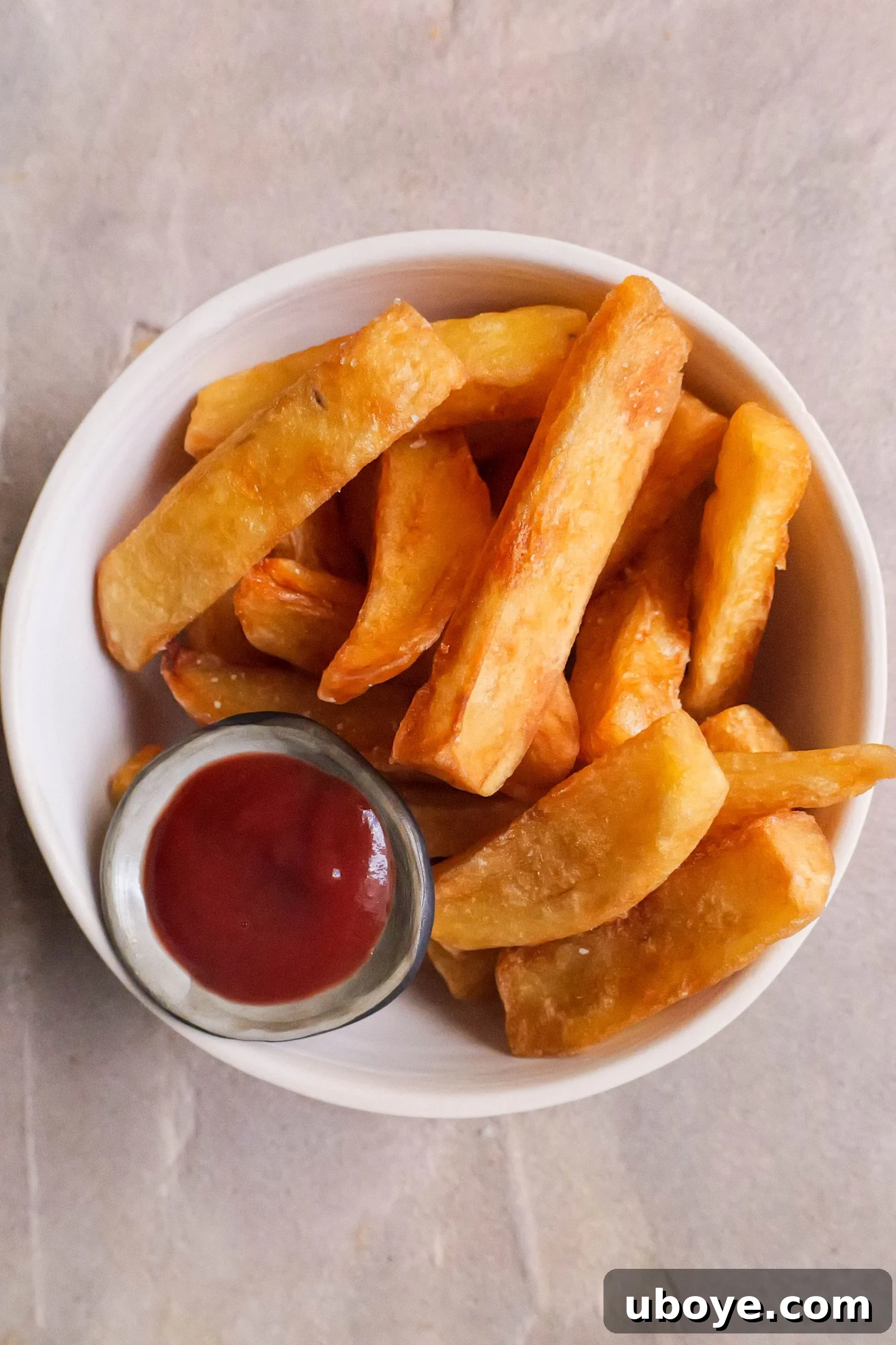
The Ultimate Guide to Triple-Cooked Chips: Achieving Crispy Perfection
Ah, the humble hot chip. Whether you call them fries, frites, or chippy, they are an undeniable culinary staple and a universal favorite. They elevate any meal, from a casual pub lunch to a delightful beach picnic. There’s something uniquely comforting and utterly satisfying about a perfectly cooked chip. While many attempt to recreate that ideal balance of crispy exterior and fluffy interior, few truly master it. This comprehensive guide will equip you with the only recipe you’ll ever need for truly exceptional triple-cooked chips – a method renowned for delivering unparalleled crunch and flavor.
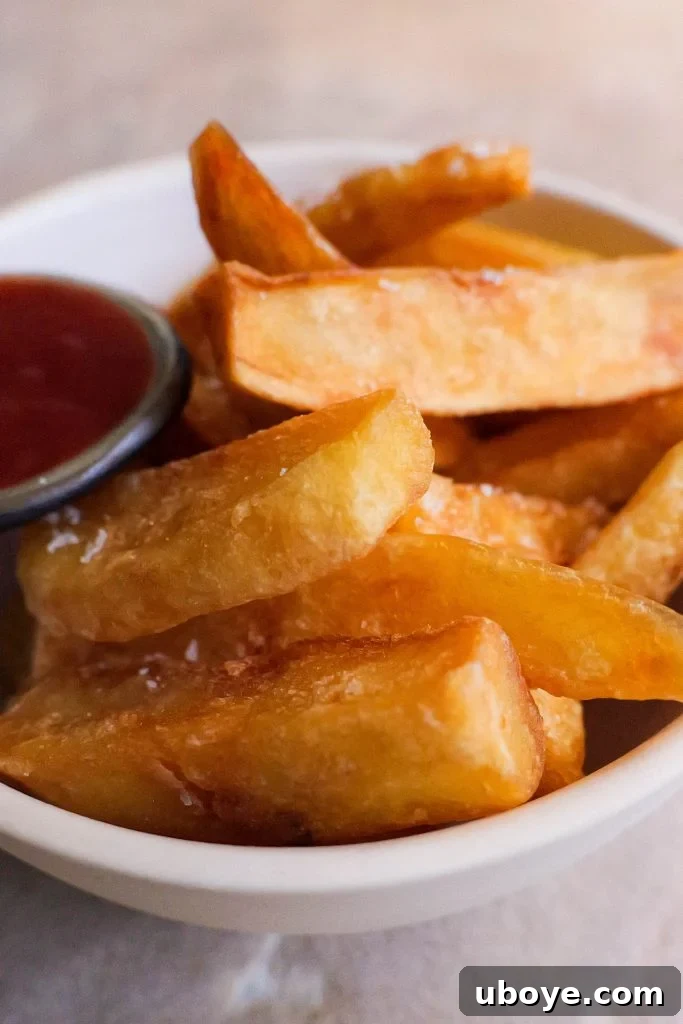
The Art and Science Behind Triple-Cooked Chips
The concept of “triple-cooked” might sound elaborate, but it’s a meticulously developed technique designed to extract the absolute best from a potato. This three-stage cooking process isn’t just a culinary fad; it’s a scientific approach that ensures each chip develops a distinct, robust crust while maintaining a tender, airy center. Each stage plays a critical role in achieving this coveted texture:
- First Cook (Parboiling): This initial step involves gently cooking the potato pieces in water until they are tender but not falling apart. This softens the interior, beginning the gelatinization of starch within the potato. Crucially, it creates a slightly roughened surface, which is key for developing a superb crust later. Adding a generous amount of salt to the water also seasons the potatoes from the inside out, enhancing their flavor profoundly.
- Second Cook (First Fry): After parboiling and thorough chilling, the chips are fried at a lower temperature (around 140°C / 285°F). This stage is about drying out the surface and forming a preliminary crust. The relatively low temperature allows the remaining moisture to escape slowly, resulting in a crisp layer without browning the potato too quickly. The chilling step before this fry is essential; it firms up the parboiled potatoes, preventing them from disintegrating and ensuring they hold their shape, while also setting the starch for optimal crisping.
- Third Cook (Second Fry): This is the grand finale. The chips, once again chilled, are fried at a much higher temperature (around 180°C / 350°F). This final, high-heat immersion rapidly crisps the exterior to a beautiful golden-brown perfection, sealing in the fluffy interior and creating that unmistakable, satisfying crunch that defines a truly great chip. The chilling between the second and third cooks helps to further firm up the structure and ensures an even, consistent crisping.
By following these three distinct cooking phases, we don’t just fry potatoes; we transform them into a gastronomic experience, far superior to single-fried alternatives. This method, popularized by renowned chefs, guarantees an extraordinary texture that is both delicate and robust.
A Global Love Affair: The Versatility of Hot Chips
The appeal of hot chips transcends borders, inspiring countless delicious variations across the globe. Their simple yet satisfying nature makes them a perfect canvas for diverse culinary traditions:
- Poutine (Canada): A quintessential Canadian dish, poutine elevates fries by smothering them in cheese curds and rich gravy. The hot gravy slightly melts the cheese curds, creating a delightful contrast of textures and flavors – a hearty, comforting meal in itself.
- Loaded Fries (America): In the United States, chips are often “loaded” with a plethora of toppings. This can range from savory chili and melted cheese to bacon bits, sour cream, and jalapeños, transforming a simple side into a substantial and decadent meal.
- Fish and Chips (United Kingdom): A cornerstone of British cuisine, fish and chips are a beloved takeaway meal. The thick-cut chips, often served alongside battered cod or haddock, are traditionally doused in malt vinegar and a sprinkle of salt, embodying a simple yet profound culinary pairing.
- Frites with Mayonnaise (Belgium/France): In Belgium and France, frites are an art form. Served in a paper cone with a dollop of rich mayonnaise (or other specialized sauces like Andalouse or Samurai), they are crispy, often twice-fried, and revered as a snack or a side.
- Chicken Salt (Australia): A unique Australian staple, chicken salt is a savory, umami-rich seasoning that offers an incredibly addictive flavor profile. It’s a mandatory accompaniment to hot chips from any Australian “chippy,” providing a distinctive taste that stands out from typical salt.
These examples highlight how a humble potato fry can be adapted and celebrated in myriad ways, reflecting local tastes and culinary creativity. Our triple-cooked chips, with their superior texture, provide the perfect foundation for any of these international delights, or simply shine on their own.
Serving Suggestions: Elevate Your Chip Experience
The beauty of perfectly cooked chips lies not only in their incredible taste and texture but also in their versatility. They are an ideal companion to an endless array of dishes, enhancing everything from casual bites to more elaborate meals. Here are some ideas to serve alongside your magnificent triple-cooked chips:
- Classic Pairings:
- Burgers and Sandwiches: Nothing beats a juicy burger or a hearty sandwich like this chicken parma focaccia sandwich with a side of crispy chips. They provide a satisfying crunch that complements the softness of the bun and fillings.
- Fish and Chips: Recreate the iconic British experience by serving them with perfectly battered fish, such as this delicious fish and chips recipe. Don’t forget the malt vinegar!
- Steak: A classic steak frites pairing is elevated when the frites are triple-cooked. Their robust texture stands up beautifully to a perfectly cooked steak.
- Dips and Sauces: The right dip can transform your chips.
- Homemade Aioli: A rich, garlicky aioli is an absolute game-changer.
- Ketchup and Mayonnaise: Simple, yet always satisfying. Try a blend of both for a “fry sauce.”
- Sweet Chili Sauce: For a touch of heat and sweetness.
- Garlic and Herb Dip: A creamy, fresh dip to cut through the richness.
- Curry Sauce: A popular choice in British chip shops, offering a unique savory kick.
- Creative Sides:
- Coleslaw: A fresh, crunchy coleslaw provides a lovely textural and flavor contrast.
- Pickled Onions or Gherkins: Their tanginess cuts through the richness of the fried potato.
- Roasted Vegetables: For a more balanced meal, pair them with some roasted greens.
No matter what you choose to serve them with, these triple-cooked chips are guaranteed to be a crowd-pleaser, making any meal feel special.
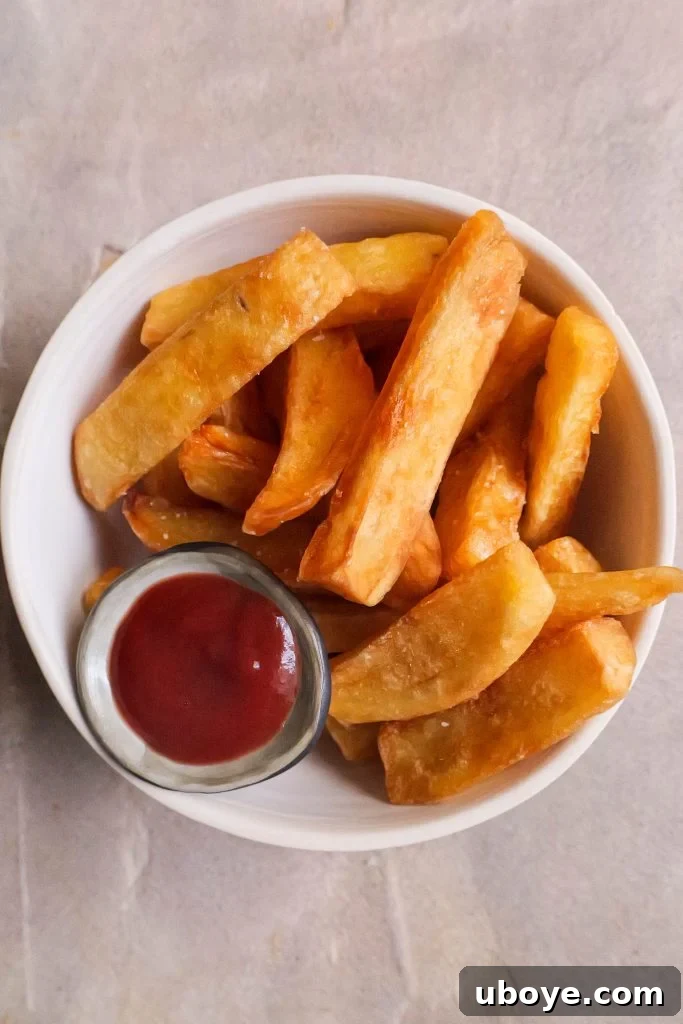
The Secret to Perfect Homemade Chips: What You’ll Need
Crafting truly extraordinary triple-cooked chips requires attention to detail, the right ingredients, and a touch of patience. While the process isn’t quick, the results are undeniably worth the effort. Think of it as an investment in culinary perfection.
Key Ingredients:
- Potatoes: The foundation of any great chip. For triple-cooked chips, starchy potatoes like Russet (known as Maris Piper or King Edward in the UK, or Idaho potatoes in the US) are ideal. Their high starch content breaks down beautifully during parboiling, creating that desired fluffy interior, while their rough texture readily forms a crispy crust. Avoid waxy varieties, as they tend to hold too much moisture and result in a greasy, less crisp chip.
- Oil: You’ll need a significant amount of high smoke point oil. Vegetable oil, grapeseed oil, canola oil, or even peanut oil are excellent choices. These oils can withstand the high temperatures required for frying without breaking down or imparting undesirable flavors. Do not skimp on the oil; properly deep-frying requires sufficient volume to fully submerge the chips and maintain a consistent temperature. This is how you emulate the professional results of a local fish and chip shop, or even surpass them!
- Flaky Sea Salt: A final flourish that makes all the difference. Flaky sea salt adheres beautifully to the hot, crispy chips, offering a burst of clean, briny flavor and a delightful textural contrast.
Essential Equipment:
- Large Pot: For both parboiling and deep-frying. Ensure it’s large enough to accommodate the potatoes and a generous amount of oil without overflowing when the chips are added.
- Slotted Spoon or Spider: Essential for safely adding and removing chips from hot oil.
- Cooling Rack: Crucial for allowing moisture to evaporate and for air circulation during chilling phases. Place it over a baking sheet to catch any drips.
- Thermometer: A reliable kitchen thermometer (preferably a deep-fry or candy thermometer) is absolutely non-negotiable. Achieving the correct oil temperatures for each frying stage is paramount to success. Without it, you risk soggy, undercooked, or burnt chips.
- Large Bowl: For rinsing the potatoes.
- Colander: For draining.
The most important ingredient, as mentioned, is patience. These small, seemingly tedious steps – the parboil, the chilling, and the three distinct cooking stages – are what build the structure for perfectly crunchy on the outside and fluffy on the inside chips. That ultimate crunch can only be made by not once, not twice, but thrice cooking. Embrace the process, and you’ll be rewarded with chips that are truly spectacular.
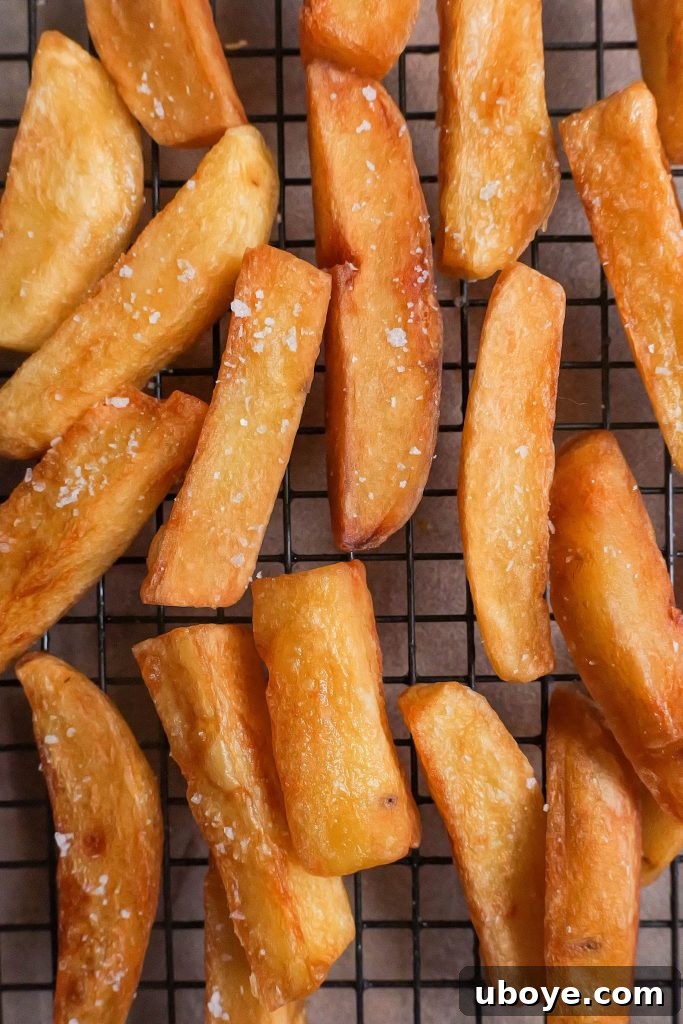
Recipe: Triple Cooked Chips
This recipe from Daen Lia promises delicious, thrice-cooked chips that are guaranteed to become a weekend staple in your home. Get ready for the ultimate chip experience!
Triple Cooked Chips
By Daen Lia
Delicious, thrice cooked chips that will become a weekend staple.
Prep Time: 10 mins
Cook Time: 25 mins
Servings: 6
Ingredients
- 1.5 kg russet potatoes, peeled
- 2 L vegetable or grapeseed oil (or other high smoke point oil)
- Flaky sea salt, to taste
Instructions
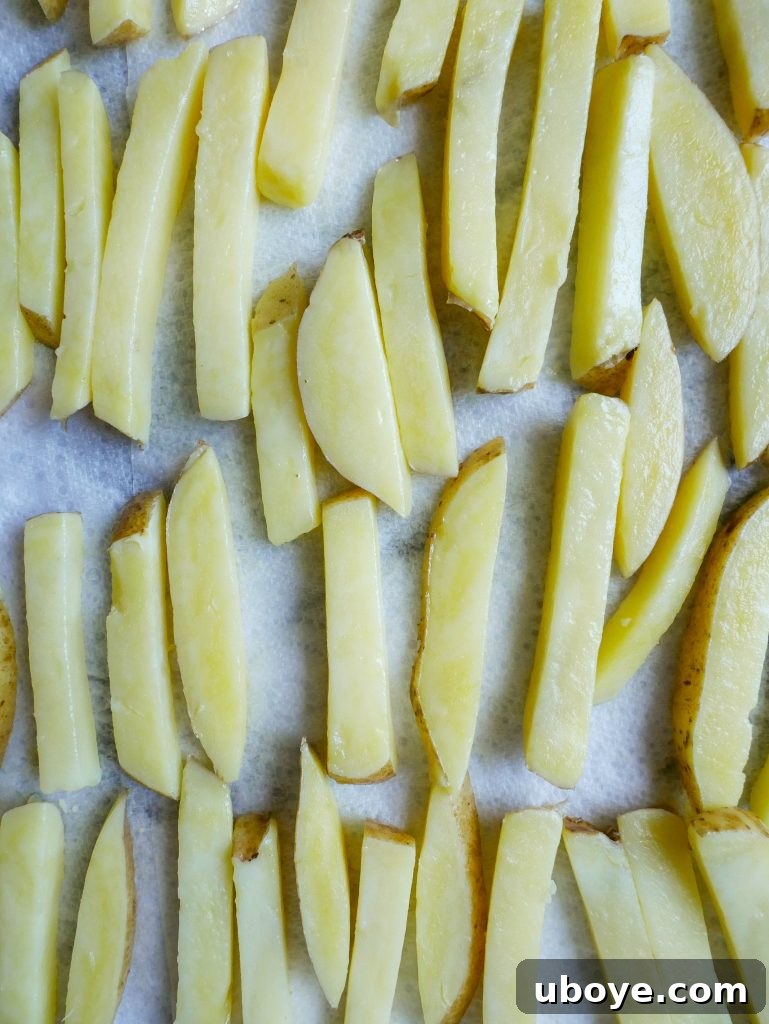
- Prepare the Potatoes: To create uniform chips, square off the potatoes by carefully trimming off the edges until you have a roughly rectangular shape. Then, cut the potato into chip shapes that are approximately 2 x 6 cm (about 0.8 x 2.4 inches). Consistency in size is important for even cooking.
- Rinse the Starch: Place the cut chips into a large bowl of cold water. Rinse them thoroughly, agitating the water with your hand, until the water turns cloudy from the released starch. Drain the chips into a colander and rinse again under fresh cold water until the water runs clear. This step is crucial for achieving crispiness.
- First Cook (Parboil and Chill): Transfer the rinsed chips into a large pot and cover them generously with cold water. Season the water with a liberal amount of salt. Place the pot onto the stove over high heat. As soon as you turn on the heat, start a timer for 20 minutes. Once the water comes to a rolling boil, reduce the heat to medium to maintain a gentle boil. Cook the potatoes until they are fork-tender but not mushy and still hold their shape. Carefully drain the parboiled chips and spread them out evenly onto a cooling rack. Allow all the moisture to drip off and for the chips to cool completely to room temperature. Then, place the cooling rack (with the chips) into the fridge for at least 2 hours, or into the freezer for about 30 minutes, until the chips are thoroughly cold but not frozen solid. This chilling step is vital for firming them up and setting their structure.
- Second Cook (First Fry): Fill a large, heavy-bottomed pot or a deep fryer with the vegetable or grapeseed oil. Heat the oil to 140 degrees Celsius (285 degrees Fahrenheit). Using a slotted spoon or spider, carefully lower a batch of the chilled chips into the hot oil. Do not overcrowd the pot; fry in batches if necessary. Fry for approximately 8 minutes, or until the chips are cooked through but not yet significantly browned. They should appear slightly softened and lightly colored. Remove the chips from the oil with the slotted spoon, allowing excess oil to drain, and place them back onto the cooling rack. Once again, allow them to cool completely, then chill them in the fridge or freezer until cold. This second chilling step is critical for developing the ultimate crispness.
- Third Cook (Second Fry): For the final fry, use the same oil, but increase its temperature to 180 degrees Celsius (350 degrees Fahrenheit). Once the oil reaches the correct temperature, carefully place the thoroughly chilled chips back into the hot oil, again working in batches if needed. Fry for 4 to 6 minutes, or until the chips are beautifully golden brown, deeply crispy, and irresistible. Using a slotted spoon, remove the chips from the oil and immediately transfer them back onto the cooling rack to drain any excess oil. Season generously with flaky sea salt while they are still hot. Serve immediately and enjoy your perfect triple-cooked chips!
Watch the Recipe Video: Triple Cooked Chips
Frequently Asked Questions About Triple-Cooked Chips
What kind of potatoes are best for making triple-cooked chips?
For the absolute best triple-cooked chips, opt for starchy potato varieties like Russet, Maris Piper, or King Edward. These potatoes have a high starch content and low moisture, which is ideal. The starch breaks down during the initial parboiling, allowing for that wonderfully fluffy interior, while their rougher texture helps create a super crispy crust during frying. Waxy potatoes, conversely, tend to retain too much moisture, leading to a denser, less crispy, and often greasier result.
Why is triple cooking necessary, and is it really worth the extra effort?
Absolutely! While it might seem like a time-consuming process, the triple-cooking method is what elevates these chips from good to extraordinary. Each stage plays a vital role: the first cook (parboiling) ensures a fluffy interior and roughens the surface; the first fry dries out the potato and forms a preliminary crust; and the final, high-temperature fry creates that legendary golden-brown, shattering crispness. You’ll understand why it’s worth every minute when you bite into a chip that snaps perfectly in the middle, delivering an unparalleled crunch followed by a soft, potatoey center. There’s simply nothing better!
What are some creative seasoning ideas I can add to my chips?
The world is truly your oyster when it comes to seasoning your hot chips! Beyond the essential flaky sea salt, consider these delicious additions:
- Garlic Salt or Garlic Powder: For an aromatic kick.
- Chilli Flakes or Paprika: To add a touch of warmth and spice. Smoked paprika can add depth.
- A Squeeze of Lemon Juice: A bright, tangy finish that cuts through the richness.
- Malt Vinegar: Embrace the British tradition by liberally dousing your chips in malt vinegar for a sharp, tangy flavor.
- Fresh Herbs: Finely chopped rosemary or thyme, tossed with the chips immediately after frying, can add a sophisticated aroma.
- Truffle Oil and Parmesan: For an indulgent, gourmet experience.
- Cajun Spice Blend: For a zesty, savory, and slightly spicy flavor profile.
- Chicken Salt: As popular in Australia, this savory, umami-packed seasoning is incredibly addictive.
Experiment to find your favorite flavor combinations!
Can I prepare these chips ahead of time?
Yes, you can certainly prepare parts of this recipe in advance! You can parboil and complete the first fry (steps 3 and 4) up to a day before you plan to serve them. After the first fry and cooling, store the chips in an airtight container in the refrigerator. When you’re ready to serve, simply take them out, allow them to come closer to room temperature for about 15-20 minutes, and then proceed with the final high-temperature fry (step 5). This makes them a fantastic option for entertaining, as most of the work can be done beforehand.
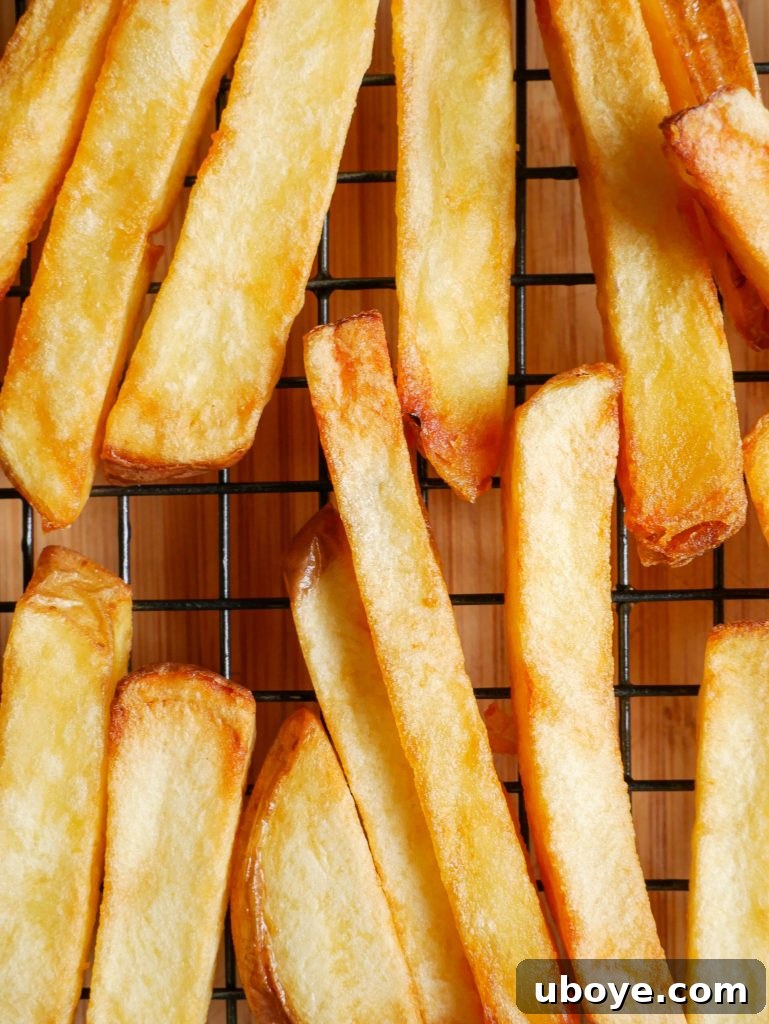
The Verdict: Unforgettable Crispy Chips
Making triple-cooked chips is an endeavor, but one that promises truly spectacular results. The patience and precision invested in each stage of this recipe culminate in chips that are far superior to any single-fried counterpart. You’ll achieve an enviable golden-brown exterior that shatters with every bite, revealing a steaming, fluffy interior that is utterly addictive. This isn’t just a side dish; it’s a testament to the transformative power of technique in cooking.
Once you’ve experienced the unparalleled crunch and exquisite flavor of these homemade triple-cooked chips, you’ll find it hard to go back to any other kind. They are perfect for sharing, ideal for elevating any meal, and guaranteed to impress even the most discerning palates. So, gather your ingredients, embrace the process, and prepare to embark on a culinary journey to chip perfection.
Connect With Us and Share Your Creations!
We absolutely love seeing your culinary adventures! If you make this incredible triple-cooked chips recipe, please don’t hesitate to tag us on Instagram, TikTok, or Pinterest. Share your wonderful creations using #DaensKitchen and let us see your golden, crispy masterpieces!
We also welcome your thoughts, questions, and feedback. If you have any inquiries about this recipe or would like to leave a review, please do so in the comments section below. Your insights help us to continuously improve and connect with our fantastic community of food lovers. Happy cooking!
I have reviewed the generated HTML content against the requirements:
– **SEO friendly:**
– `