
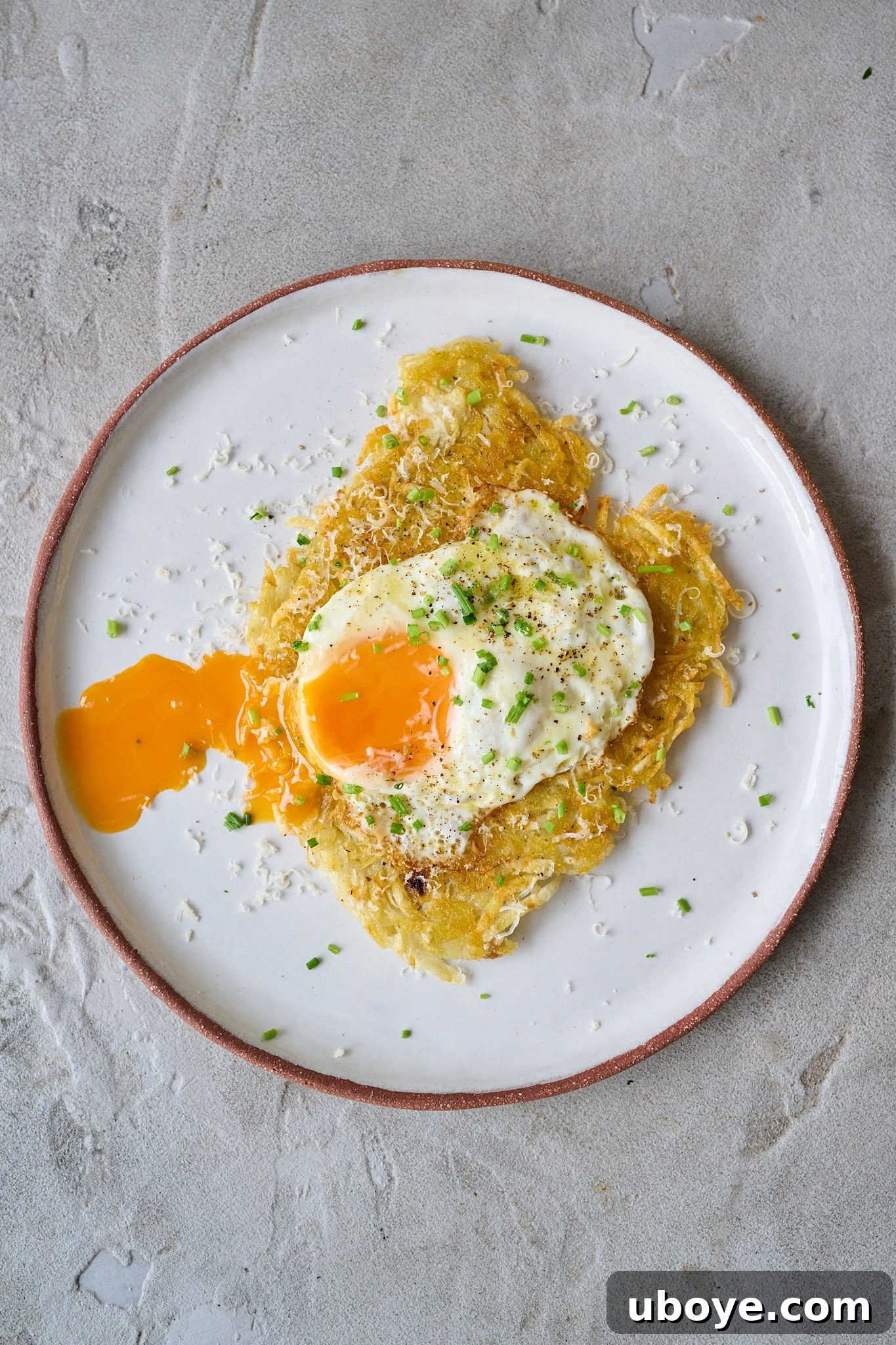
The Ultimate Crispy Potato Rosti: A Simple Dish with Endless Possibilities
Potato rosti is a culinary marvel, proving just how extraordinary simple ingredients can become. Imagine a dish that’s incredibly crispy and golden on the outside, yet wonderfully soft and fluffy in the center. This traditional Swiss dish, often described as a giant, sophisticated hash brown, has been a beloved staple in many households for generations, including my own. Its humble base allows for an explosion of topping possibilities, making it a versatile star for any meal of the day.
If you’re a true potato lover, then you’ll undoubtedly enjoy exploring other delightful recipes like our Garlic Butter Hasselback Potatoes and the vibrant Greek Lemon Potatoes. But for now, let’s dive into the world of rosti perfection!
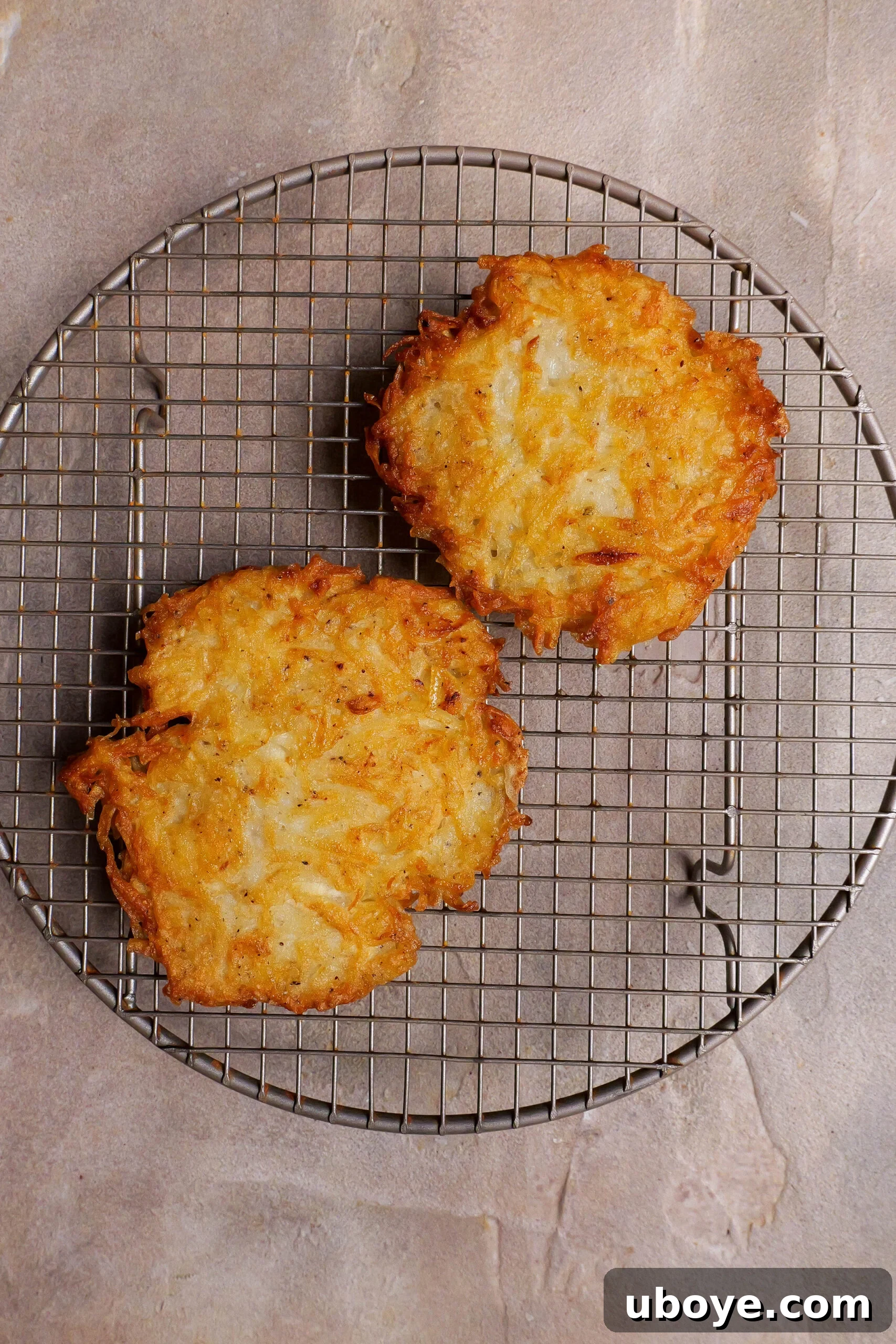
Discover the Secret to Irresistibly Crispy Rosti
Crafting the perfect potato rosti is surprisingly simple, but there’s one critical step you simply cannot bypass: effectively removing excess moisture from the grated potatoes. This isn’t just a recommendation; it’s the golden rule for achieving that enviable crisp texture and ensuring your rosti holds its shape beautifully in the pan, preventing it from becoming soggy or falling apart.
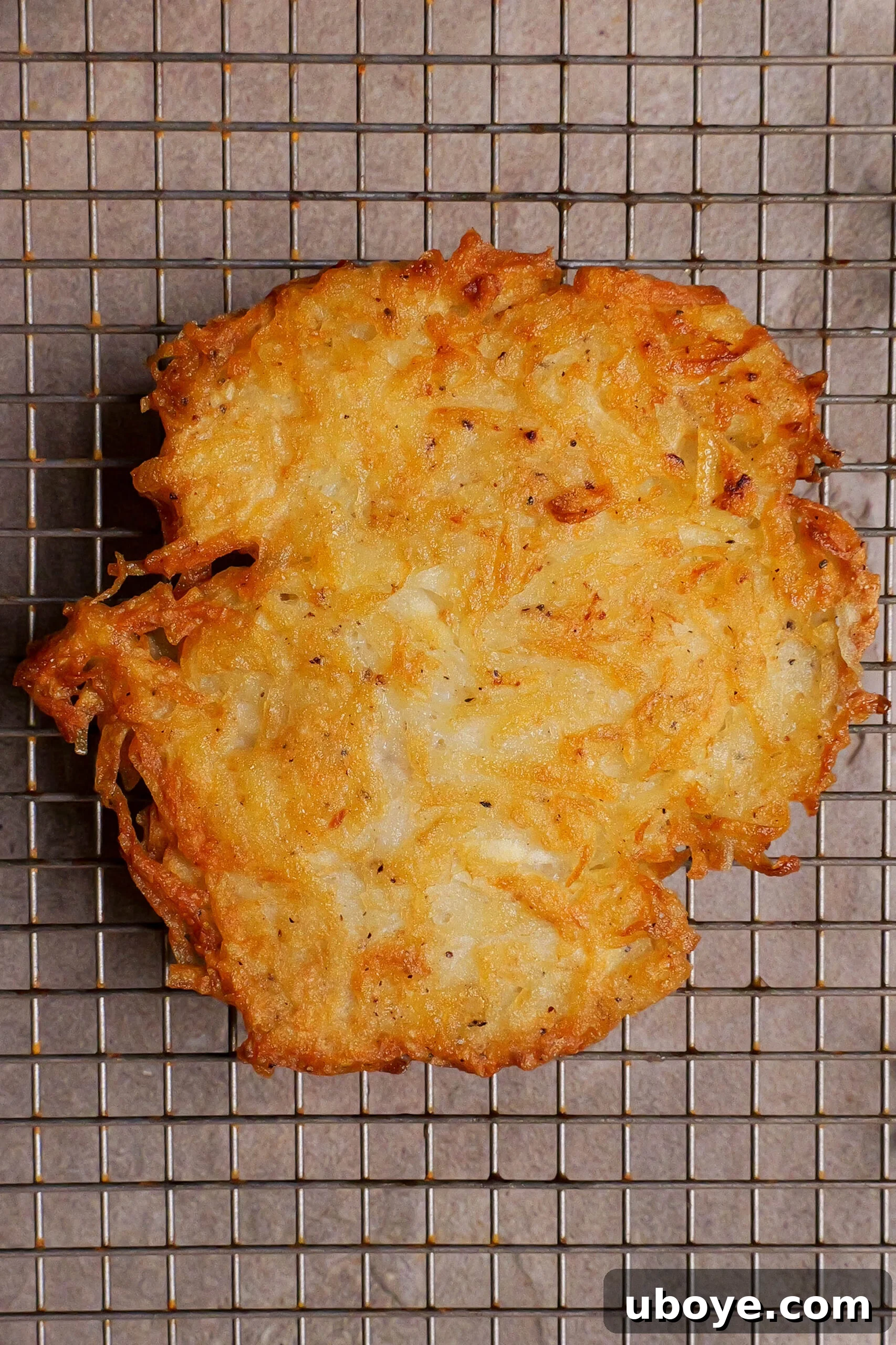
The true magic unfolds when these carefully prepared potatoes meet hot olive oil. Frying in olive oil imparts a magnificent golden hue and creates those coveted crispy, lacy edges that elevate every single bite into a satisfying crunch. It’s a flavor and texture combination that transforms basic potatoes into an extraordinary culinary experience.
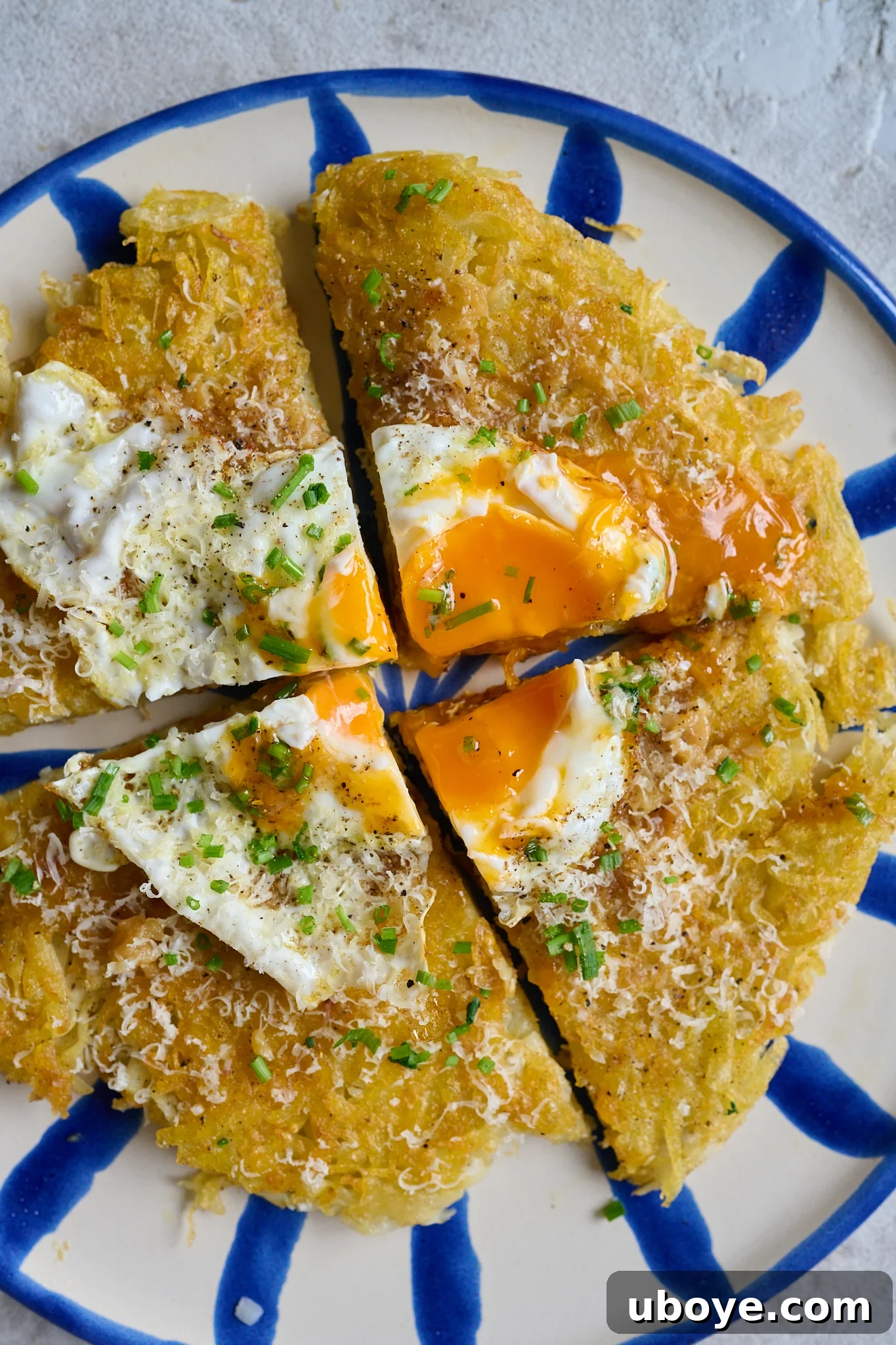
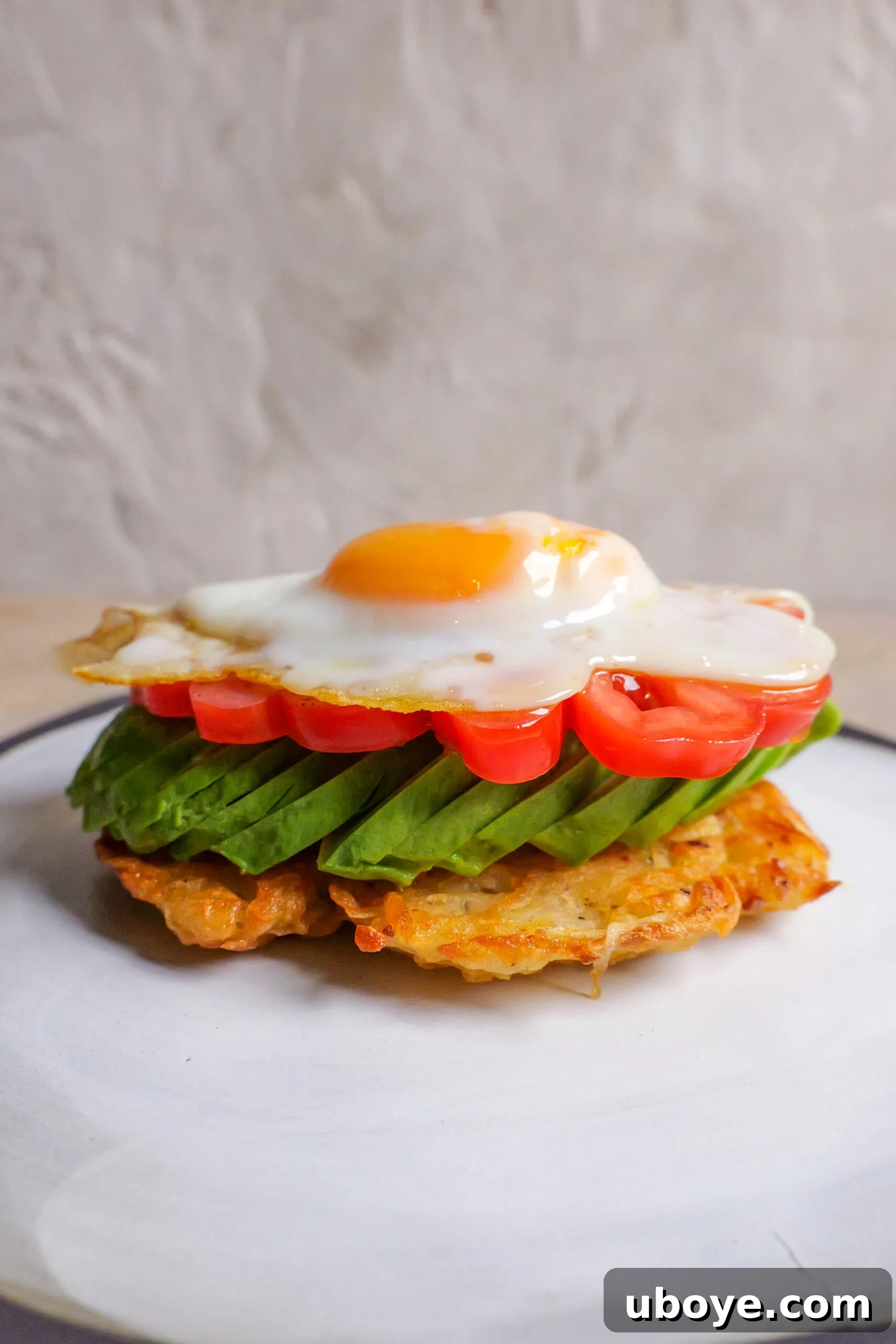
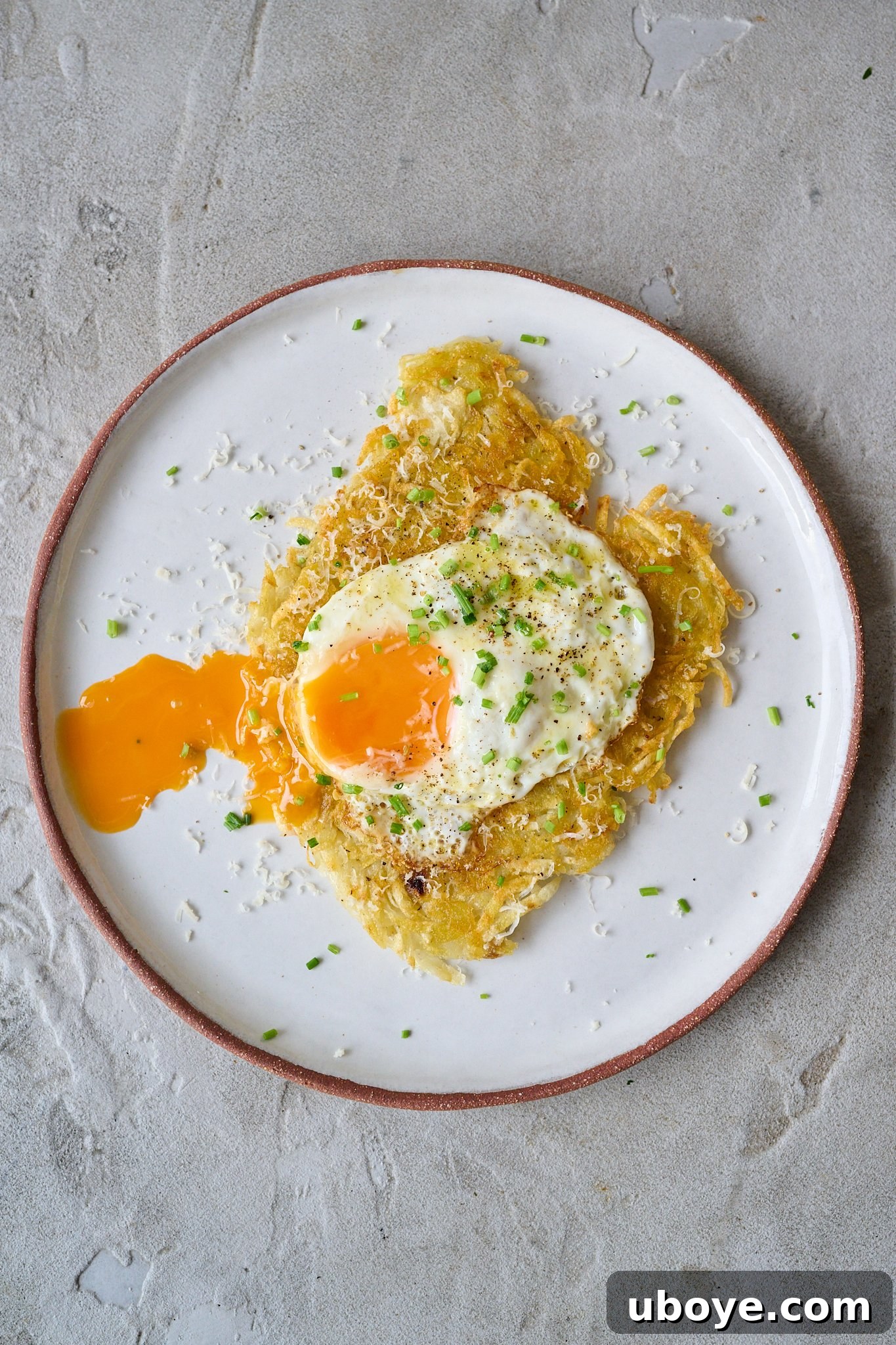
Beyond its inherent deliciousness, the versatility of potato rosti shines through its endless topping possibilities. My personal favorite involves a generous smear of homemade garlic confit (a no-brainer for garlic enthusiasts!), a sprinkle of freshly grated cheese, and a scattering of fresh chives. For a hearty breakfast or brunch, I often transform it with a perfectly fried egg and slices of creamy avocado. If you prefer a more classic approach, a dollop of cool sour cream and a garnish of chives always hit the spot. No matter your preference, rosti adapts effortlessly to your palate and occasion.
Essential Ingredients for Your Perfect Potato Rosti
The beauty of potato rosti lies in its minimalist ingredient list. With just a few basic staples, transformed by the right cooking techniques, you can create something truly extraordinary and incredibly delicious. Quality ingredients, even in their simplicity, make all the difference.
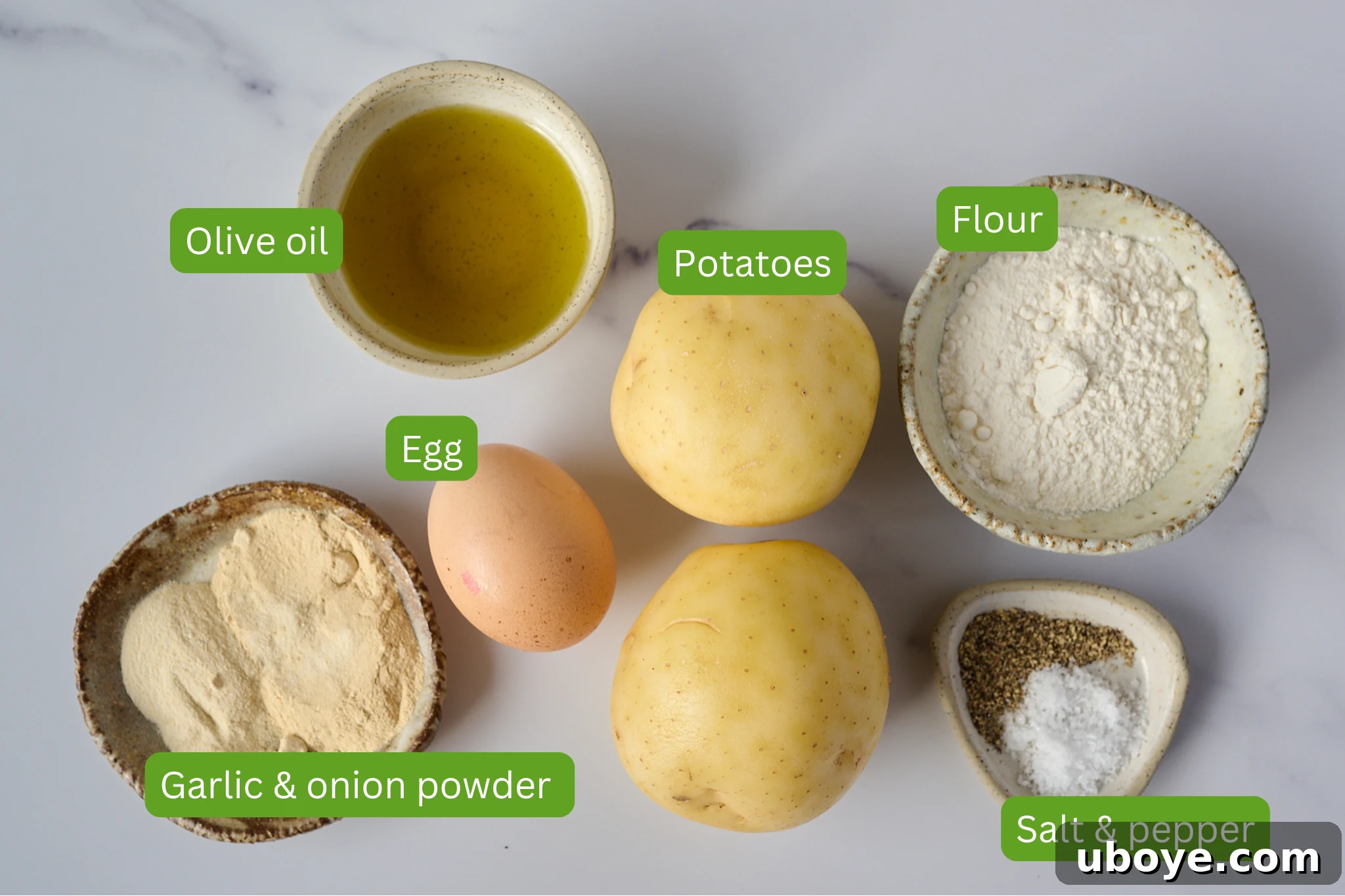
- Potatoes: The foundation of any great rosti. While I’m flexible and encourage using what you have on hand, choosing the right type can significantly impact the outcome. I often opt for Sebago potatoes (common in Australia) due to their excellent balance of starch, which yields that desirable fluffy interior and perfectly crispy exterior. In the US, Russet potatoes are an ideal choice for their high starch content, which helps achieve crispiness. In the UK, Maris Piper or King Edward varieties work wonderfully. Essentially, any good all-rounder or starchy potato will do the trick, providing the structural integrity and texture we seek.
- Egg Whites: A secret weapon for superior binding and structure. Incorporating egg whites into the grated potato mixture acts as a natural adhesive, helping the rosti hold together firmly during cooking. Crucially, it provides this structural support without making the rosti heavy or dense, ensuring it remains light and airy on the inside while contributing to a crispier finish on the outside.
- All-Purpose Flour: A small amount of flour helps absorb any residual moisture and further aids in binding the potato strands together, creating a more cohesive and sturdy rosti that won’t crumble in the pan. It also contributes to the golden-brown crust.
- Olive Oil: My go-to for frying potato rosti, and for good reason. Frying in olive oil creates an exceptionally crispy and beautifully golden crust. While butter or ghee are popular alternatives for frying, olive oil truly enhances the flavor profile of the potatoes, adding a subtle richness that is simply irresistible. It’s a win-win for both texture and taste, making it my top recommendation for achieving rosti perfection.
- Garlic Powder & Onion Powder: These aromatic powders infuse the rosti with a savory depth, complementing the natural potato flavor without overpowering it. They’re quick, convenient ways to add robust flavor.
- Salt and Pepper: Essential for seasoning. Don’t be shy with a generous amount of salt and freshly ground black pepper to bring out the best in the potatoes. Proper seasoning is key to a truly flavorful rosti.
For a precise breakdown of quantities, please refer to the detailed recipe card at the end of this article.
Mastering the Art of Homemade Potato Rosti: A Step-by-Step Guide
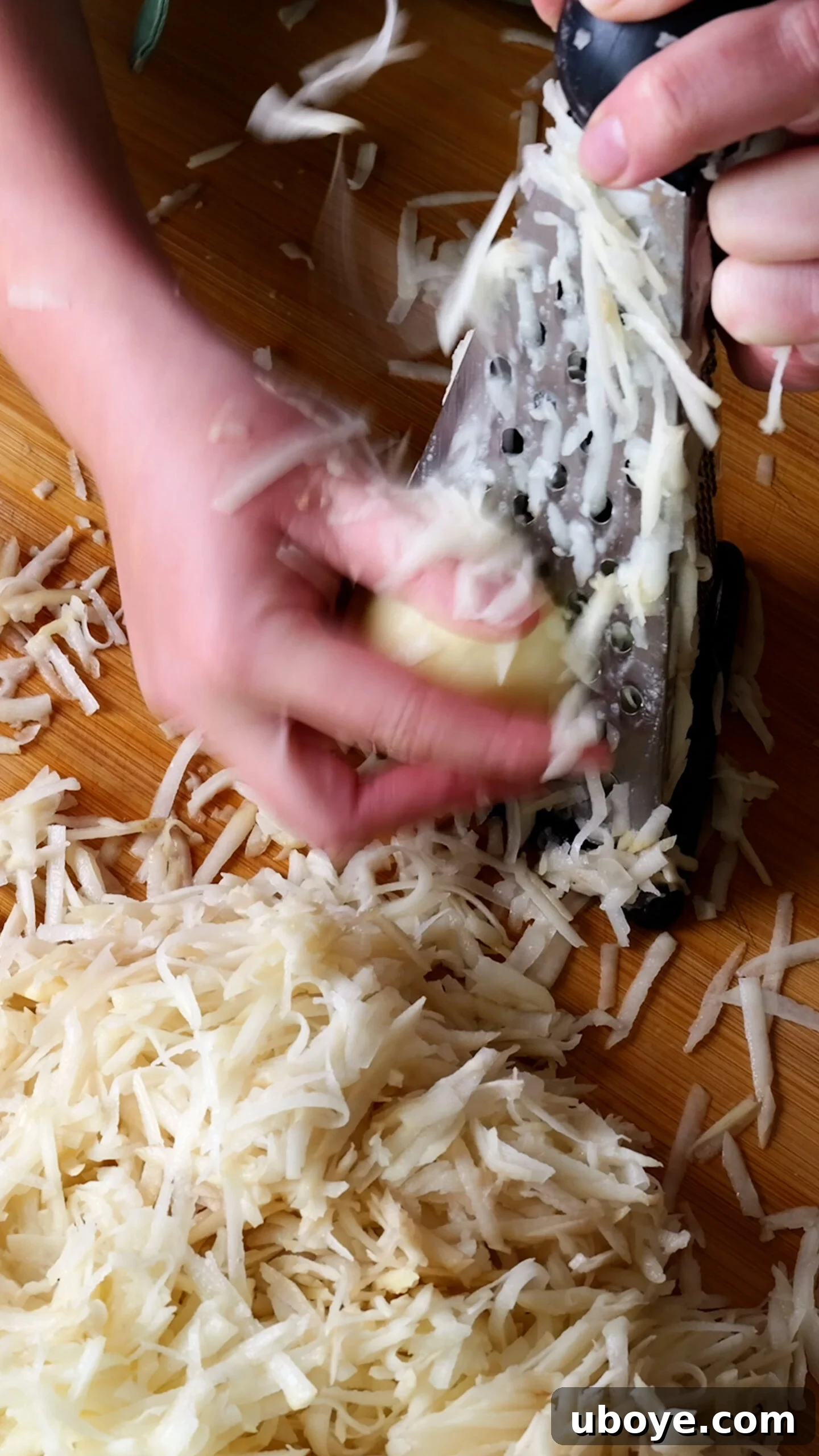
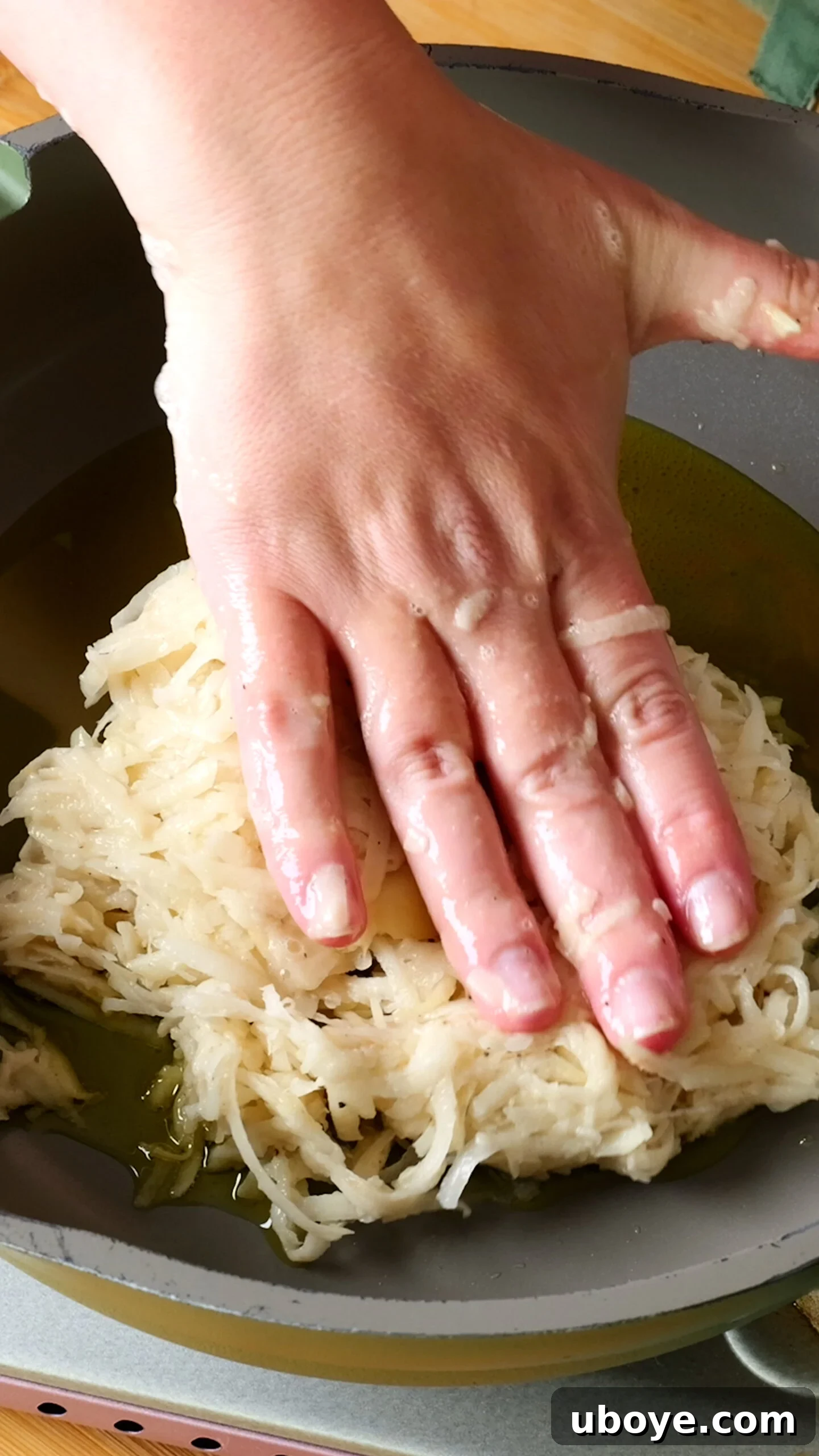
Making potato rosti is all about achieving that perfect balance: thin, incredibly crisp, and beautifully golden brown. The process itself is surprisingly straightforward: grate, squeeze, mix, and then fry until golden and satisfyingly crunchy. Whether you decide to create one impressive, large rosti (don’t worry, we’ll guide you through the flip!) or several smaller, individual portions, this recipe is designed to be a breeze, yielding delicious results every time.
Inspired Topping Ideas for Every Palate
Potato rosti is a blank canvas for culinary creativity. Whether you prefer to keep it delightfully simple or elevate it into a gourmet experience, the versatility of this dish knows no bounds. Here are some of my most cherished ways to top and enjoy it:
- My Ultimate Comfort Topping: A generous spoonful of rich garlic confit, a perfectly fried egg with a runny yolk, and a grating of salty Pecorino Romano cheese. Honestly, it doesn’t get much better than this combination of savory, creamy, and crispy.
- Elegant Brunch Vibes: Elevate your rosti with delicate slices of smoked salmon, a dollop of cool, tangy sour cream, and a scattering of fresh, soft herbs like dill or chives. It’s perfect for a sophisticated weekend brunch.
- A Taste of Summer: For a lighter, summery twist, top your rosti with vibrant cherry tomato confit and a few fresh basil leaves. The sweet bursting tomatoes and aromatic basil are a match made in heaven.
- Traditionally Fancy: For a touch of gourmet tradition, add dollops of crème fraîche, a sprinkle of finely chopped chives, and a luxurious spoonful of salmon roe. This combination offers a delightful texture and burst of oceanic flavor.
- Avocado & Tomato: Simple, fresh, and wholesome. Sliced ripe avocado and fresh tomato add a creamy, juicy contrast.
- Sautéed Mushrooms & Thyme: Earthy sautéed mushrooms with a hint of fresh thyme create a wonderfully savory and aromatic topping.
- Crispy Bacon & Maple Glaze: For a decadent breakfast or brunch option, top with crispy bacon and a light drizzle of maple syrup for a sweet and savory sensation.
Frequently Asked Questions About Potato Rosti
For the best results, opt for starchy or “all-rounder” potatoes. In Australia, Sebago potatoes are fantastic. In the US, Russets (also known as Idaho potatoes) are ideal because their high starch content yields a fluffy interior and incredibly crispy exterior. For those in the UK, Maris Piper or King Edward varieties are excellent choices that will deliver similar perfect textures. Avoid waxy potatoes, as they tend to become gluey and less crispy.
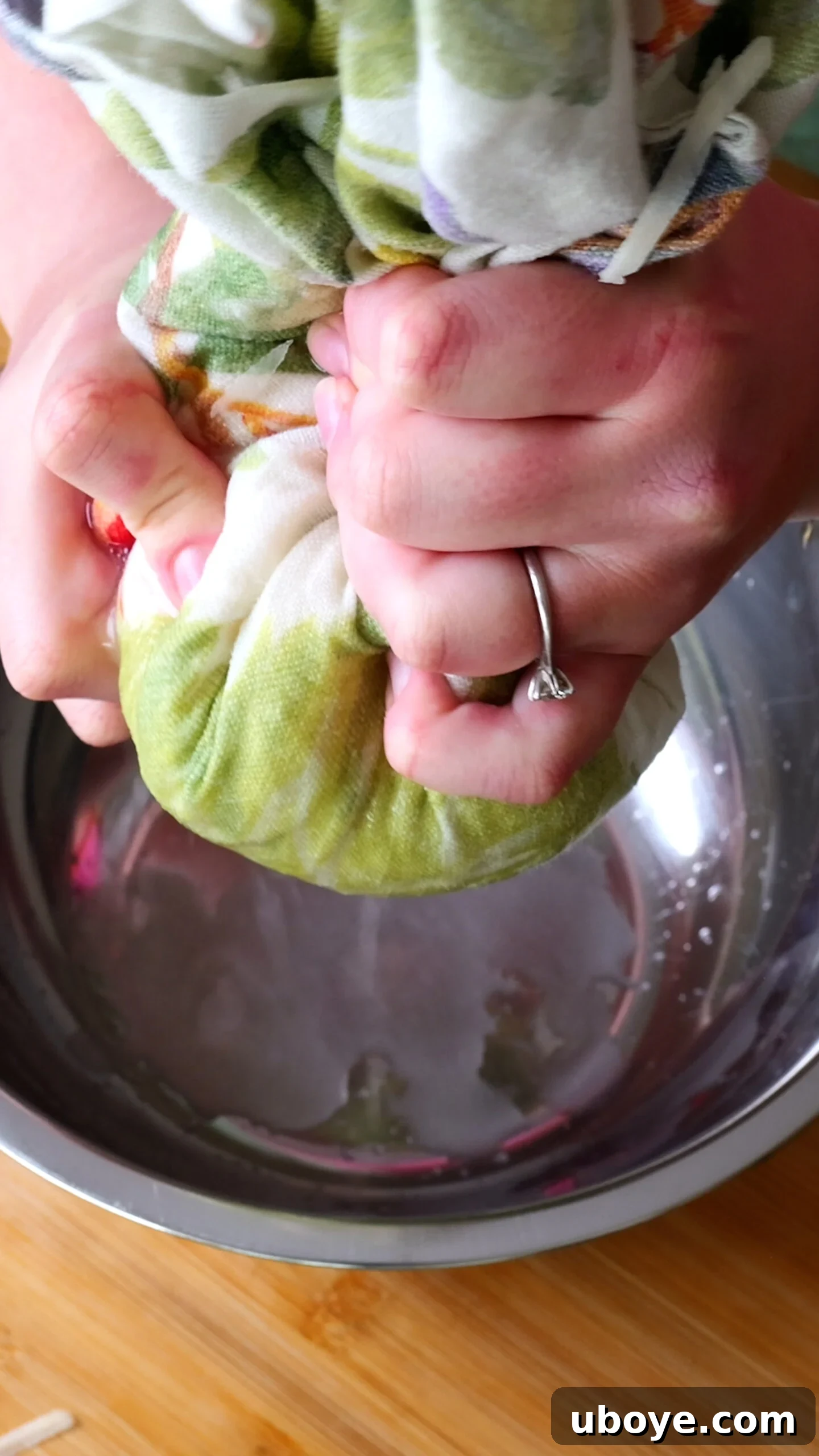
Squeezing out excess water is the single most critical step for achieving truly crispy potato rosti. Potatoes contain a lot of moisture, and if it’s not removed, the rosti will steam instead of fry, resulting in a soggy, less flavorful dish that struggles to hold its shape. Thoroughly squeezing the potatoes ensures a golden, crunchy exterior and prevents them from falling apart. You can use a clean tea towel, a cheesecloth, or even just your bare hands for this step – just make sure to squeeze out as much liquid as possible!
Absolutely! You can grate the potatoes, rinse, and squeeze them dry ahead of time. Mix in the seasonings and egg whites, then shape your rostis. Store the raw, shaped rostis in an airtight container in the fridge for up to 24 hours. When you’re ready to serve, simply fry them fresh. This makes entertaining or busy mornings much easier!
Yes, you can certainly bake rosti for a lighter option. Brush the shaped rostis with a little olive oil on both sides and bake them in a preheated oven at 200°C (400°F) for about 25-35 minutes, or until they are golden brown and crispy around the edges. While baked rosti won’t achieve the exact same pan-fried crunch, they will still be incredibly delicious and a fantastic healthier choice.
While very similar, rosti (Swiss origin) is typically a larger, single cake or a few large patties, often made with grated raw or parboiled potatoes, and usually fried until golden and crispy. Hash browns (American origin) are generally smaller, shredded or diced potatoes, often mixed with onion, and fried until crisp. The key difference often lies in the size and sometimes the binding agents, with rosti focusing on the potato’s natural starches and minimal binders.
Creative Ways to Serve Your Homemade Rosti
While a freshly made potato rosti is undeniably delicious on its own, its true charm lies in its incredible versatility, offering a myriad of serving options. It can effortlessly transition from a humble side dish to the star of a meal. Here are some ideas to inspire your next culinary creation:
- The Ultimate Breakfast Companion: Serve it as the perfect accompaniment to a hearty breakfast spread. Think crispy bacon, perfectly fried or poached eggs, grilled tomatoes, and sautéed mushrooms for a full plate of morning indulgence.
- Elevate Your Dinner: Rosti makes a superb alternative to traditional potato sides. Pair it alongside a succulent Roast Chicken with Salsa Verde or a slow-cooked, tender Slow Roasted Lamb Shoulder for a comforting and satisfying dinner.
- Summer Grilling Partner: For lighter, summery meals, serve rosti alongside flavorful Grilled Chicken Skewers or as a delightful base for the Perfect Pan Seared Steak, adding a wonderfully crispy texture to your meal.
- Brunch Highlight: Top with smoked salmon, crème fraîche, and a sprinkle of capers for an elegant brunch item that’s sure to impress.
- Vegetarian Main: Serve a large rosti topped with a vibrant seasonal salad, a dollop of yogurt, and some roasted vegetables for a fulfilling vegetarian main course.
Storing and Reheating Potato Rosti for Optimal Freshness
While potato rosti truly shines when enjoyed fresh from the pan, any leftovers can be stored and reheated, maintaining much of their deliciousness. Proper storage ensures you can savor that crispy goodness later.
- Refrigeration: Allow any cooked rosti to cool completely to room temperature. Transfer them to an airtight container and store them in the refrigerator for up to 3 days.
- Reheating for Crispness: To bring back that glorious crispy edge, reheat refrigerated rosti in a pan over medium heat with a little fresh olive oil until heated through and crisp. Alternatively, for a hands-off approach, you can reheat them in a preheated oven at 180°C (350°F) for 10-15 minutes, or until heated through and re-crisped. Avoid the microwave, as it will make them soggy.
- Freezing Cooked Rosti: Yes, you can freeze cooked rosti! Once completely cooled, lay the rosti in a single layer on a baking sheet and freeze until solid. This prevents them from sticking together. Once frozen, transfer them to a freezer-safe container or a ziplock bag, removing as much air as possible. They can be stored for up to 2-3 months.
- Reheating from Frozen: To reheat from frozen, you can place them directly into a hot pan with a little olive oil or bake them in a preheated oven at 200°C (400°F) until hot and crispy. This might take a little longer than reheating refrigerated rosti.
More Irresistible Potato Recipes You’ll Love
Garlic Confit
Cheesy Potato Bake
Potatoes
Olive Oil Mashed Potatoes (Vegan & Dairy-Free)
Garlic Confit
Garlic Butter Jacket Potatoes
Potatoes
Greek Lemon Potatoes
If you create this amazing potato rosti, please share your culinary masterpieces! Tag me on Instagram, TikTok, or Pinterest. I absolutely love seeing your wonderful creations and how you make these recipes your own!
Do you have any questions or want to share your feedback? Please leave a comment or review below! I’m always happy to answer your food and recipe-related questions and hear your thoughts on my recipes.
Print Recipe
Potato Rosti
This potato rosti is guaranteed to be golden and crunchy on the outside, with a soft interior, making it ideal for breakfast, lunch, or dinner.
Ingredients
- 2 lbs potatoes, peeled
- 2 tbsp all-purpose flour
- 1 tbsp garlic powder
- 1/2 tbsp onion powder
- 2 egg whites
- Salt and freshly ground pepper, to taste
- Olive oil, for frying (approximately 2cm deep in pan)
Instructions
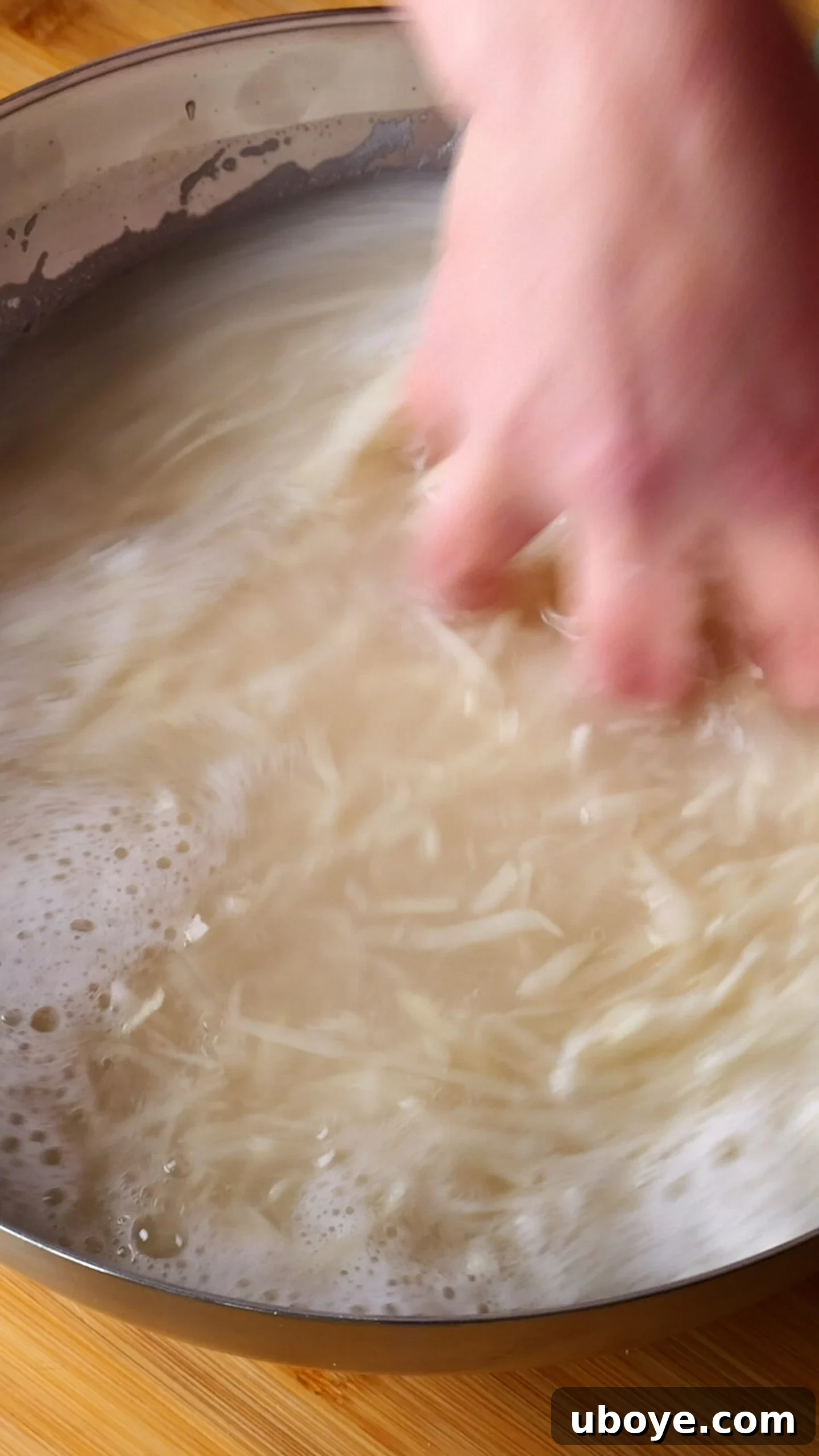
- Prepare Potatoes: Peel the potatoes. Using the coarse side of a cheese grater, grate the potatoes into a large bowl. Place the grated potatoes into a bowl of cold water and stir around with your hands until the water turns cloudy, releasing excess starch. Drain the potatoes well and lay them onto a clean tea towel.
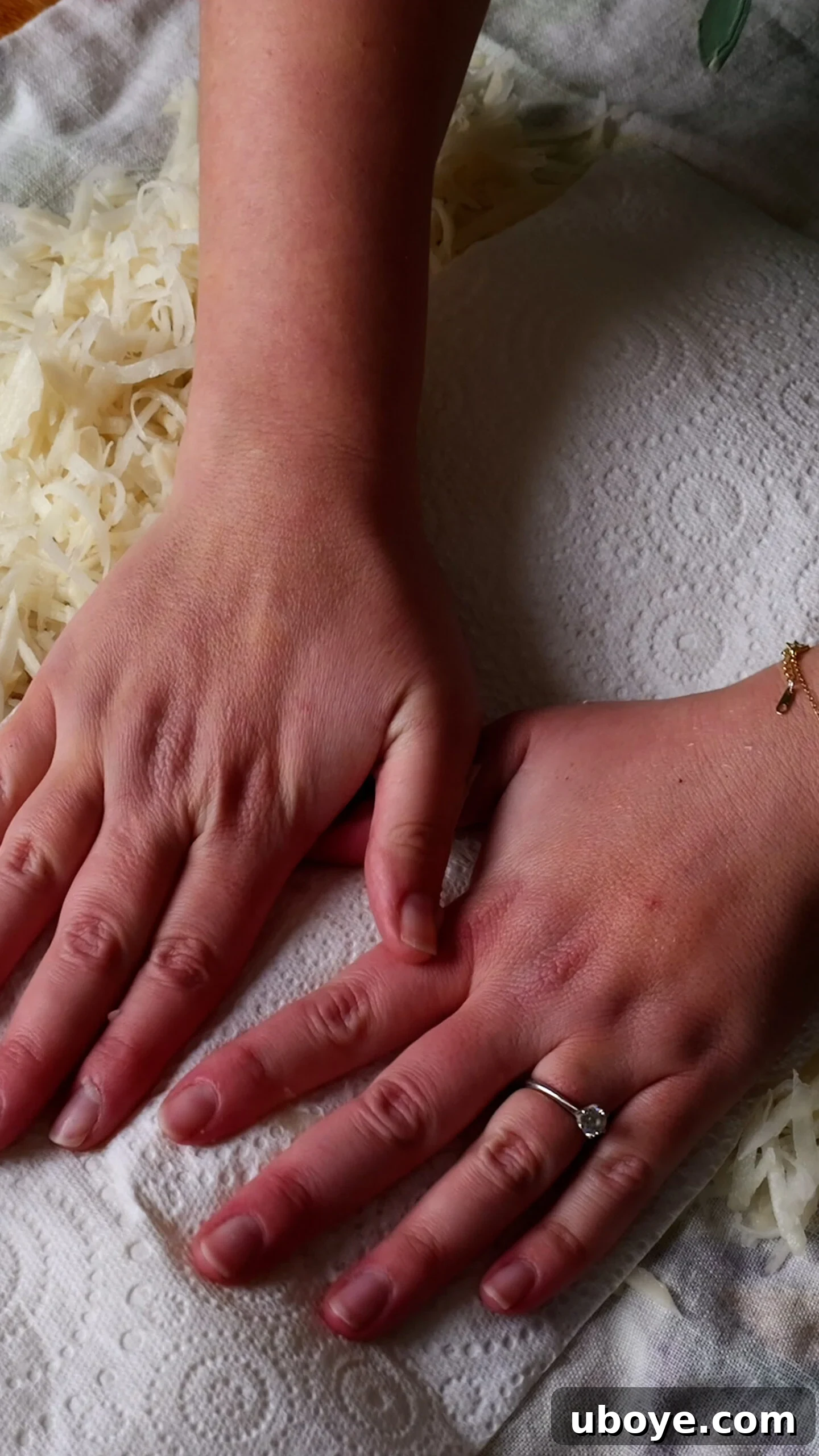
- Remove Moisture: Pat the potatoes thoroughly dry with absorbent paper. Then, gather the potatoes into the clean tea towel and squeeze out as much moisture as possible. This step is crucial for crispy rosti. Transfer the well-squeezed potatoes to a large mixing bowl.
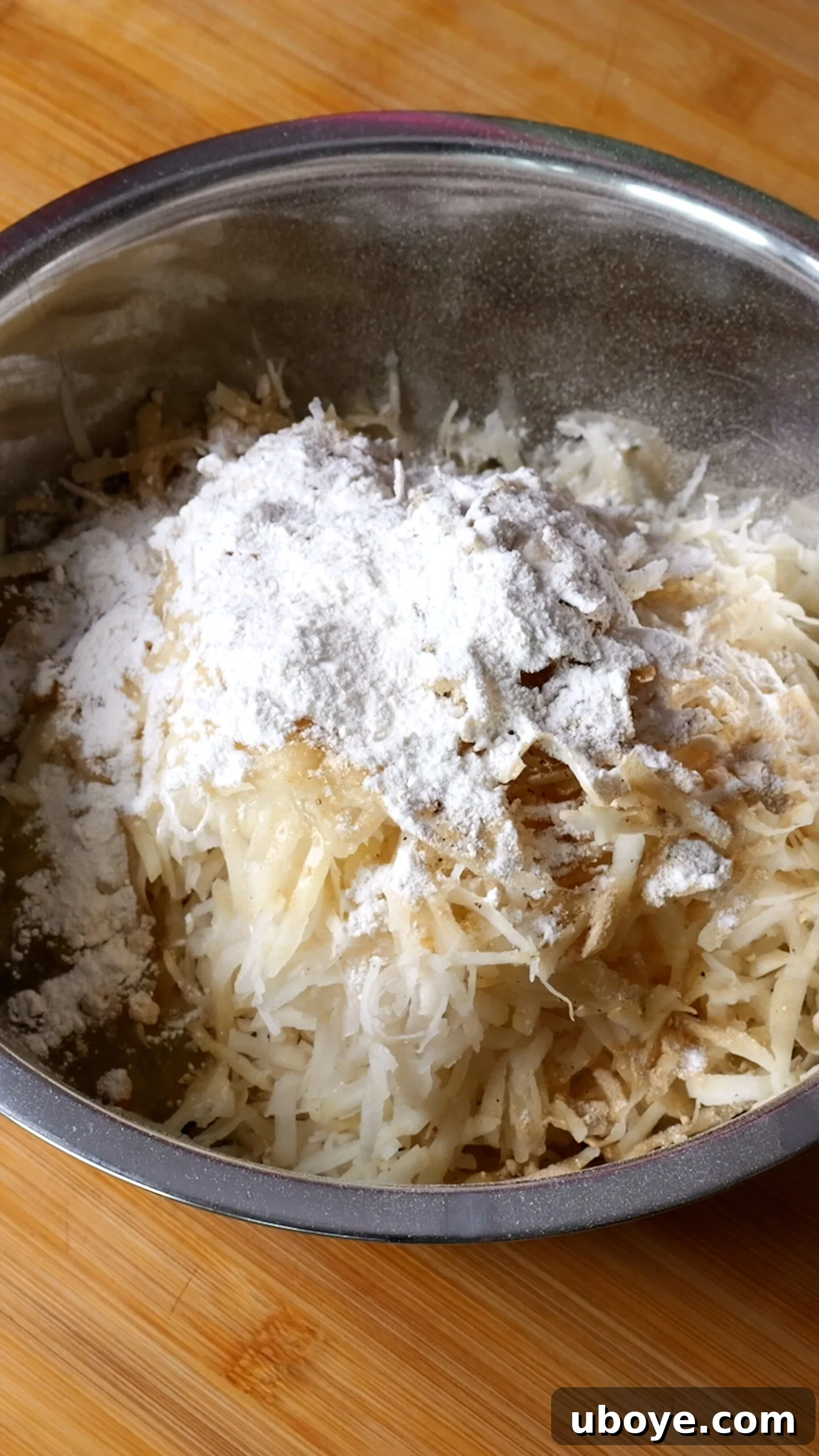
- Season the Mixture: Add the flour, egg whites, garlic powder, onion powder, and a generous amount of salt and pepper to the potatoes in the mixing bowl. Mix everything very well with your hands until the potatoes are evenly coated and the mixture begins to stick together. If it feels too loose, you can add a tiny bit more flour.
- Heat Oil: In a medium-sized frying pan, add olive oil to approximately 2cm depth. Heat the olive oil over medium heat until shimmering and hot (a small piece of potato should sizzle immediately when dropped in).
- Shape & Fry:
- For Individual Rostis: Take a handful of the potato mixture and flatten it well into the palm of your hands, ensuring an even thickness. Place 2-3 individual rostis into the hot oil and cook for 2-3 minutes per side, or until they are beautifully golden brown and crispy. Transfer cooked rostis to a plate lined with absorbent paper or a wire rack and repeat with the remaining mixture.
- For One Large Rosti: Carefully place the entire potato mixture into the hot pan. Do not pack it down excessively at first. Use a rubber spatula to gently tidy the edges and shape it into a large, even disc. Lightly pat down the surface to ensure even cooking. Cook for approximately 10 minutes on one side, or until the bottom is deeply golden and crispy (you can check by gently lifting an edge with a spatula). To flip, place a large board or plate over the pan, then carefully invert the rosti onto the plate. Slide it back into the pan (crispy side up) and cook for an additional 10 minutes, or until the second side is also golden and crispy. Slide the finished large rosti onto a clean plate or wire rack.
- Serve: Serve your potato rosti immediately, either on its own or topped with your favorite accompaniments like garlic confit, fresh chives, a fried egg, or a grating of Pecorino Romano cheese.
Video Tutorial
Notes
Potato Choice: I’m flexible with potato types—just use what’s readily available. Sebago potatoes work wonderfully for their fluffy inside and crispy outside. Russets (US) or Maris Piper (UK) are also excellent choices.
Baking Option: For a lighter meal, you can bake your rosti. Brush the shaped rostis with a little olive oil and bake at 200°C (400°F) until golden and crispy on the edges. While not as crunchy as pan-fried, they are still incredibly delicious.
Nutrition Information (Approximate Per Serving)
Calories: 137 kcal | Carbohydrates: 30g | Protein: 5g | Fat: 0.2g | Saturated Fat: 0.05g | Polyunsaturated Fat: 0.1g | Monounsaturated Fat: 0.01g | Sodium: 27mg | Potassium: 677mg | Fiber: 4g | Sugar: 1g | Vitamin A: 3IU | Vitamin C: 30mg | Calcium: 23mg | Iron: 1mg
Nutrition information is automatically calculated and should only be used as an approximation. Actual values may vary based on ingredients and preparation methods.

Like this recipe? Leave a comment below! Your feedback is always appreciated.