
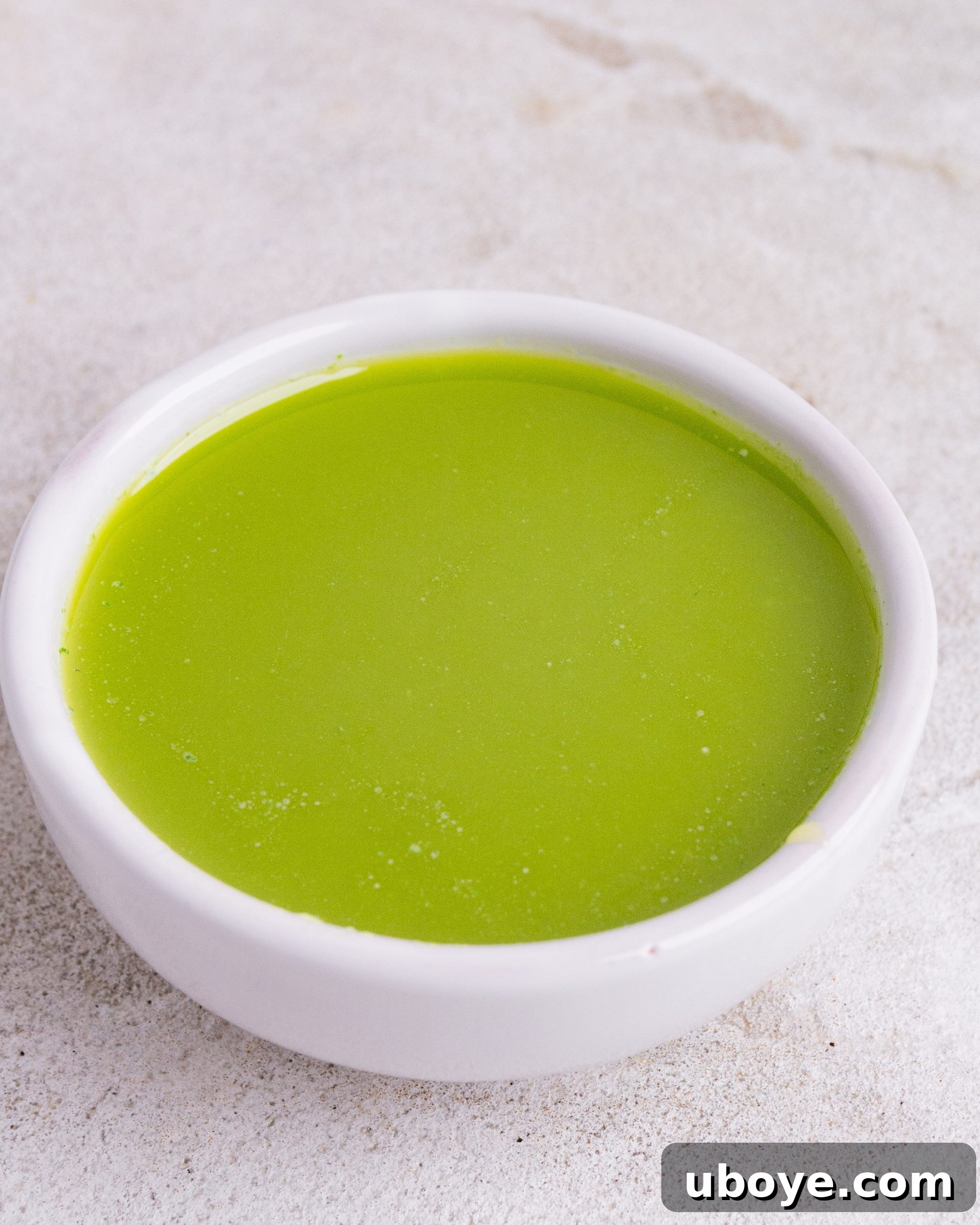
For anyone who knows me, my affection for the herb basil is no secret. It’s so profound, in fact, that I even bestowed its name upon my beloved cat! This aromatic, vibrant herb is a cornerstone in my kitchen, bringing unparalleled freshness to a myriad of dishes. I’ve incorporated it into refreshing summer salads and hearty pasta creations, and even enjoyed its bright notes on simple scrambled eggs. Today, I’m thrilled to share a method that not only elevates basil’s incredible flavor but also makes it more accessible and long-lasting: transforming it into exquisite homemade basil oil.
This simple yet transformative recipe is about to become your new kitchen essential. Forget about letting those beautiful bunches of fresh basil wilt in your refrigerator. With this guide, you’ll harness its essence into a versatile oil that promises to infuse your meals with a burst of summery goodness, no matter the season. It’s a culinary secret weapon that’s surprisingly easy to make and endlessly rewarding, perfect for enhancing everything from a gourmet dinner to a quick weeknight meal.
Print Recipe Jump to Recipe
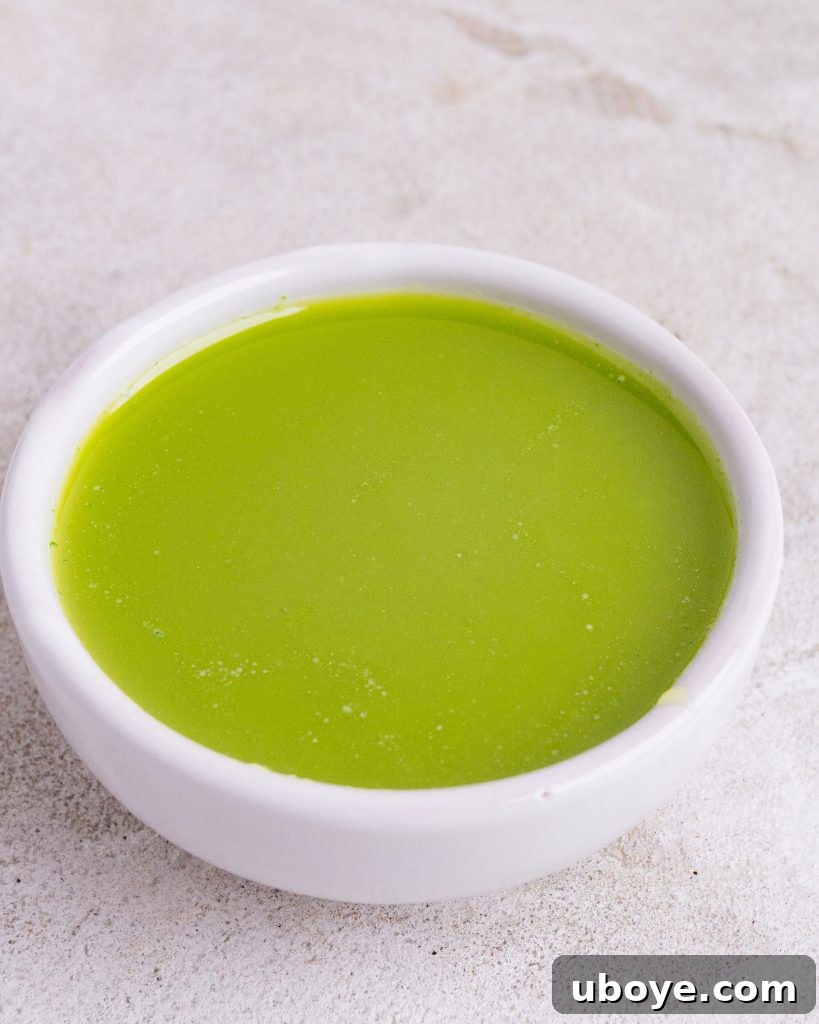
Why Homemade Basil Oil is a Kitchen Game-Changer
Basil oil isn’t just a delicious condiment; it’s a brilliant solution for a common kitchen dilemma. How many times have you bought a generous bunch of fresh herbs, only to find half of it wilting and turning brown a few days later? It’s a universal pet peeve for home cooks and chefs alike – the sheer waste of perfectly good produce. For me, food waste is a major concern, and finding creative ways to utilize every ingredient is a rewarding challenge. That’s where homemade basil oil truly shines. By transforming an entire bunch of basil into a vibrant, aromatic oil, you not only preserve its delicate flavor but also extend its shelf life significantly, turning a perishable ingredient into a long-lasting pantry staple.
Beyond its prowess in waste reduction, homemade basil oil offers a depth of flavor and freshness that store-bought alternatives simply can’t match. It allows you to capture the peak essence of basil, locking in its bright, peppery, and slightly sweet notes. This concentrated flavor can then be drizzled, tossed, or mixed into countless dishes, providing an instant upgrade to your culinary creations. Imagine having the taste of summer basil at your fingertips, even in the dead of winter! The process of infusion ensures that every drop is imbued with the herb’s distinct character, delivering an intense sensory experience with minimal effort. It’s also incredibly cost-effective, allowing you to maximize your grocery budget by preventing precious herbs from going to waste. Plus, by making it yourself, you control the quality of ingredients, opting for organic basil and premium oils to create a truly superior product free from artificial preservatives or additives.
Embrace this simple act of culinary alchemy to ensure no basil leaf goes unused and every meal benefits from a touch of homemade goodness. It’s a testament to how easy and rewarding preserving fresh ingredients can be, ultimately enriching your cooking and reducing your environmental footprint.
Demystifying the Art of Making Basil Oil
The words “confit” or “infused oil” often conjure images of complicated, laborious culinary techniques, intimidating many aspiring home cooks. But let me assure you, making basil oil is anything but difficult! It’s a remarkably straightforward process that yields professional-quality results with minimal effort. The secret to its vibrant green color and intense flavor lies in a few simple steps, primarily blanching and blending. Don’t let fancy terminology deter you; this recipe is designed for culinary enthusiasts of all skill levels, proving that gourmet flavors can be achieved with ease in any home kitchen.
The cornerstone to achieving that striking, emerald green hue in your basil oil is a quick blanching process. This involves briefly submerging the basil leaves in boiling water for mere seconds and then plunging them into an ice bath. This rapid thermal shock performs two crucial functions: firstly, it swiftly deactivates the enzymes responsible for browning and dulling the basil’s color, thereby locking in the vibrant chlorophyll and preserving the herb’s brilliant green. Secondly, it helps to soften the basil leaves, making them much easier to blend into a perfectly smooth, silky emulsion. Without this essential step, your basil oil would likely oxidize and turn a less appealing, brownish-green. It’s a small, quick step with a huge impact on both the final aesthetic and the fresh, unblemished taste of your basil oil.
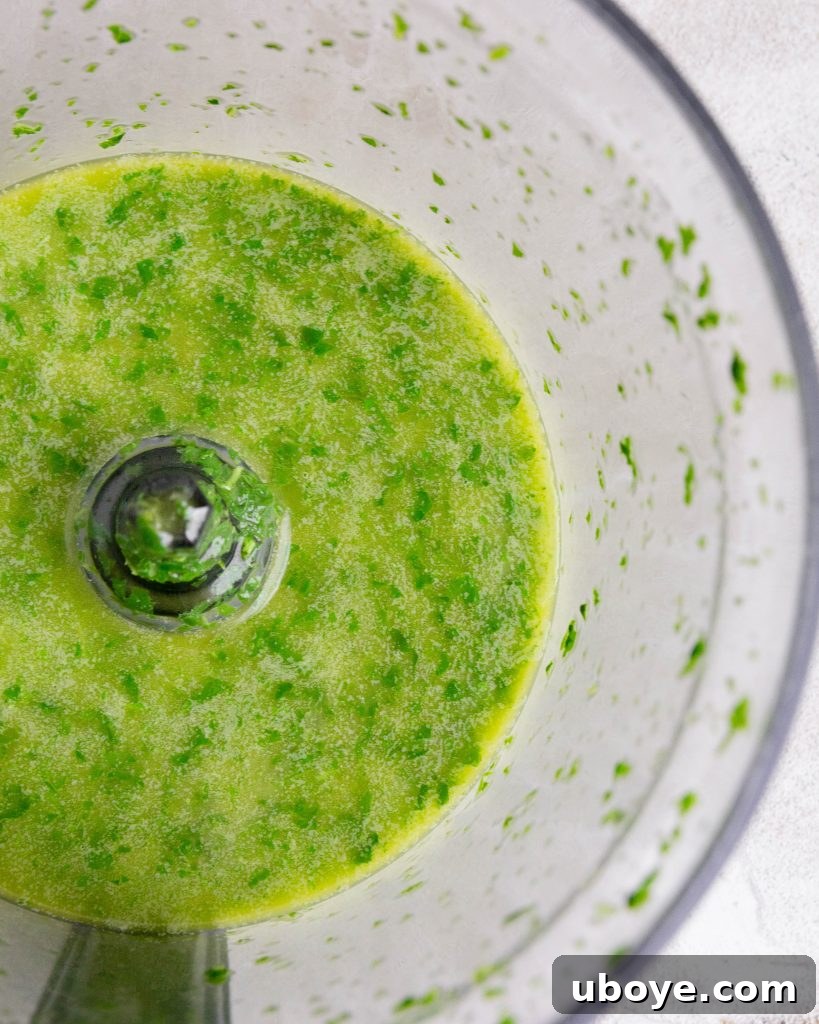
Once blanched and thoroughly dried—and I cannot stress the importance of thorough drying enough, as any residual water can compromise the oil’s stability and shelf life—the basil leaves are combined with your chosen quality oils and blitzed in a high-speed blender or food processor until perfectly smooth. The goal is to create a fine, uniform mixture that maximizes flavor extraction. The final, yet equally crucial, step involves straining this mixture to separate the clear, infused oil from the basil pulp. For this, you can use a fine-mesh sieve meticulously lined with two layers of cheesecloth, which is the traditional and most effective method for achieving a beautifully clear oil. However, if cheesecloth isn’t readily available, don’t fret! A clean, lint-free tea towel, a specialized nut milk bag, or even a sturdy paper towel (like a Chux cloth in Australia) can serve as excellent, albeit slightly less refined, alternatives, effectively filtering out the solids and leaving you with a wonderfully clear, intensely aromatic basil oil. The simplicity of this process truly makes homemade gourmet flavors accessible to everyone, without requiring specialized equipment or advanced culinary skills.
The Limitless Culinary Applications of Basil Oil
One of the most exciting aspects of homemade basil oil is its incredible versatility. Seriously, its uses are almost limitless! It’s so good, you might even be tempted to drink it (though I recommend savoring it in dishes). Whether you’re looking to add a touch of gourmet elegance or simply elevate everyday meals, basil oil is your secret weapon. It transcends cuisines and cooking styles, making it a truly indispensable pantry item that brings a burst of fresh flavor wherever it goes.
Drizzling & Finishing:
- Eggs: A simple drizzle over scrambled, fried, or poached eggs transforms breakfast or brunch into a luxurious, herb-infused experience.
- Soups & Stews: Swirl a spoonful into tomato soup, minestrone, creamy potato leek soup, or even a chilled gazpacho just before serving for an aromatic, fresh finish.
- Grilled & Roasted Vegetables: Asparagus, zucchini, bell peppers, cherry tomatoes, or even roasted root vegetables come alive with a generous drizzle, adding depth and brightness.
- Pizzas & Flatbreads: A post-bake flourish on a classic Margherita pizza, focaccia, or any artisanal bread adds an authentic touch of Italian flavor.
- Avocado Toast: Elevate your avocado toast with a splash of basil oil, perhaps with a sprinkle of flaky sea salt and red pepper flakes, for a gourmet twist.
- Caprese Salad: Take the classic tomato, fresh mozzarella, and basil combination to the next level by replacing or complementing fresh basil leaves with a delicate drizzle of the oil.
- Pasta Dishes: Toss freshly cooked pasta with basil oil, a little garlic, and grated Parmesan for a quick, simple, yet deeply flavorful meal.
Marinades & Dressings:
- Proteins: It’s fantastic as a vibrant marinade for chicken, delicate fish (especially salmon, cod, or snapper), succulent shrimp, or even a robust roast lamb. The basil oil infuses the meat with its distinct freshness and acts as a tenderizer.
- Salad Dressings: Whisk it into your favorite vinaigrette for an instant burst of herbaceous flavor. It pairs beautifully with a simple lemon juice and white wine vinegar dressing, or a balsamic glaze.
- Pasta Salads: Incorporate it generously into summer pasta salads for a light, refreshing touch, much like my original basil garlic pesto summer pasta salad, adding a bright Mediterranean profile.
Sauces & Dips:
- Pesto Alternative: While not a traditional pesto, it can form the base of a quick, lighter pesto by blending with toasted pine nuts, Parmesan cheese, and a clove of garlic.
- Dipping Oil: Serve it simply with warm, crusty bread, perhaps with a dash of high-quality balsamic vinegar or a sprinkle of herbs, for an elegant and inviting appetizer.
- Mayonnaise & Aioli: Stir a teaspoon or two into homemade or store-bought mayonnaise to create a vibrant basil aioli, perfect for sandwiches, burgers, or as a sophisticated dip for fries and crudités.
- Hummus: Drizzle generously over a bowl of creamy hummus before serving for an extra layer of flavor, a beautiful green sheen, and enhanced visual appeal.
- Vinaigrettes: Use it as the primary oil in homemade vinaigrettes, combining it with vinegar, mustard, and seasonings for a flavorful salad dressing.
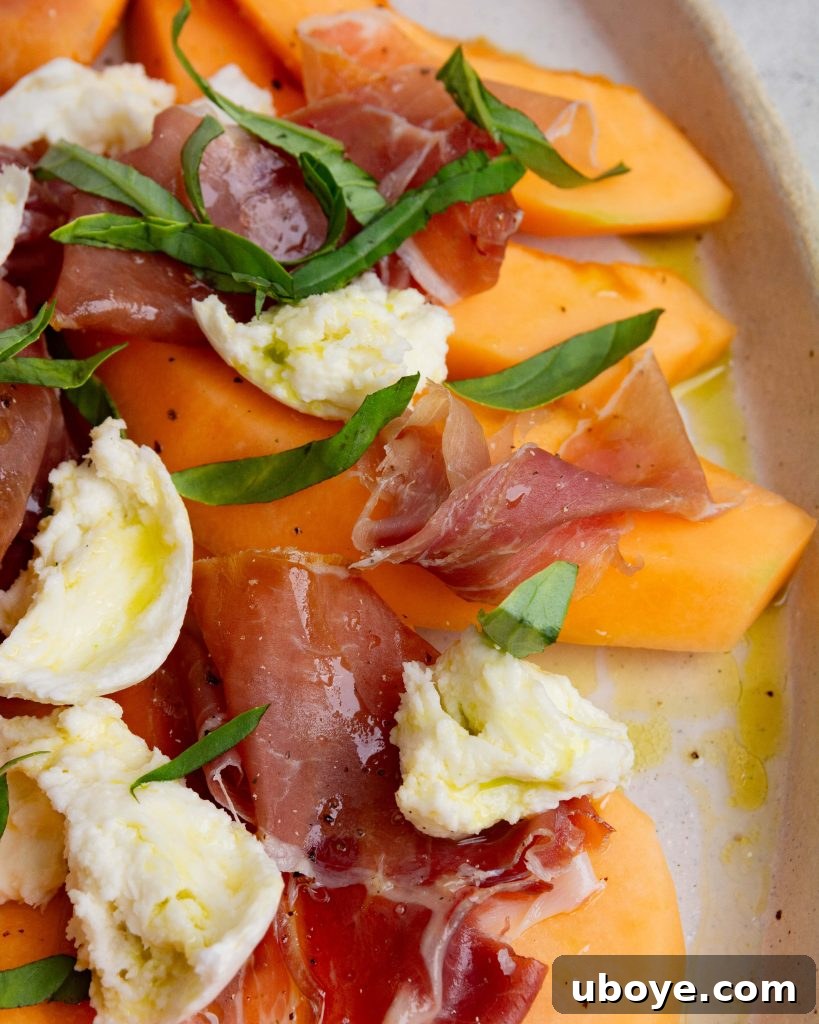
I originally developed this basil oil to perfectly complement my rockmelon and prosciutto salad, and it was an absolute revelation. The sweet melon, salty prosciutto, and fresh basil oil created a harmony of flavors that was unforgettable. However, please don’t feel limited to this particular pairing – let your culinary imagination soar! Experiment with different dishes, explore new flavor combinations, and discover the myriad ways this versatile oil can transform your cooking. The beauty of homemade basil oil is that it empowers you to be creative and adventurous in your kitchen, infusing your meals with personality and vibrant taste.
If you stumble upon a particularly unique or “funky” way to use your basil oil, please don’t keep it to yourself! I absolutely adore hearing about your kitchen innovations and being inspired by your culinary adventures. Sharing your creations not only sparks joy but also helps others explore new possibilities and expand their own culinary horizons. Your creativity fuels mine!
Should you decide to whip up this fantastic basil oil recipe, I would be absolutely thrilled to see your wonderful creations! Please don’t forget to tag me on Instagram, Tik Tok, or Pinterest. Your tags allow me to celebrate your kitchen successes and connect with our amazing community of food lovers from around the world!
Images by Alanna Penna Photography.
Print Recipe
Homemade Basil Oil
Daen Lia
10 minutes
5 minutes
Approximately 1.5 cups
Ingredients
- 100 g fresh basil leaves, about 3.5 oz or 2 large bunches, stems removed
- 1 cup extra virgin olive oil, 230mL, high quality for best flavor
- 1/2 cup grapeseed oil, 120mL, or other neutral-flavored oil like canola or vegetable oil
- Salt to taste (a pinch or two to enhance flavor)
Instructions
-
Thoroughly wash your basil leaves under cold running water and then carefully tear them from their woody stems. Discard the stems, as they can add bitterness to the oil and do not break down as smoothly. Ensure the leaves are clean, vibrant, and free from any blemishes.
-
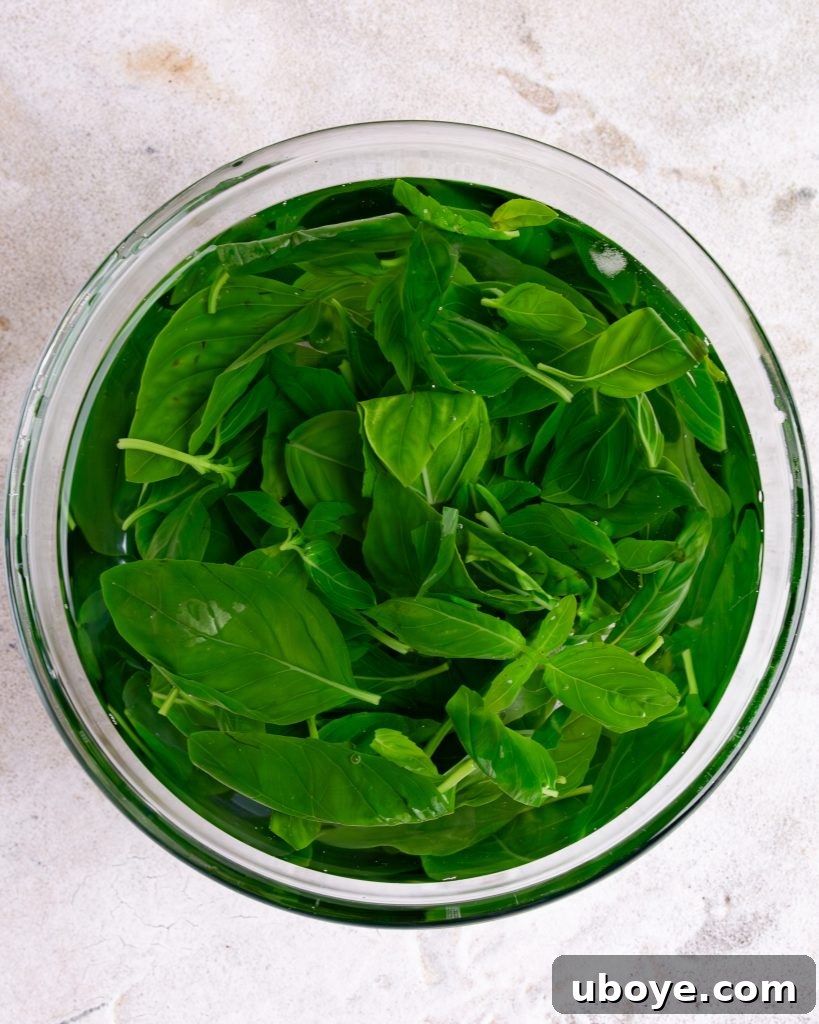
Prepare a large pot of water and bring it to a vigorous, rolling boil. Simultaneously, set up a large bowl filled generously with icy cold water (adding plenty of ice cubes ensures it stays very cold). Once the water in the pot is boiling, immediately turn off the heat. Carefully submerge the basil leaves into the hot water for precisely 10-15 seconds. This crucial blanching step sets their vibrant green color by deactivating enzymes that cause browning and helps soften their texture. Immediately transfer the blanched basil leaves using a slotted spoon or tongs into the prepared bowl of icy cold water. Allow them to cool completely, which typically takes several minutes. This rapid cooling halts the cooking process, preserving both color and fresh flavor.
-
Once cool, remove the basil leaves from the icy water. Gather them into a ball or small handfuls and, using your hands, firmly squeeze out as much excess water as humanly possible. You want them to be as dry as you can get them to prevent water from diluting your oil, which can impact its shelf life and increase the risk of spoilage. For extra measure, you can pat them dry thoroughly with paper towels.
-
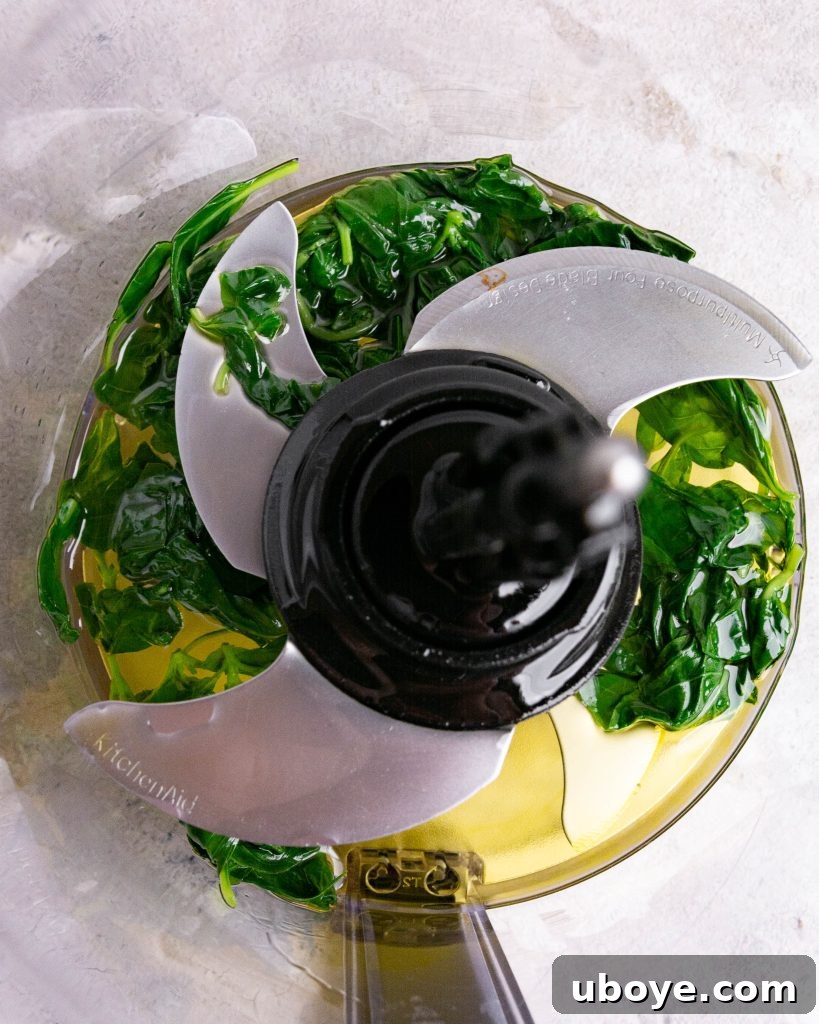
Transfer the thoroughly squeezed and dried basil leaves into a high-speed food processor or a powerful blender. Pour in both the extra virgin olive oil and the grapeseed oil. Add a small pinch of salt, which helps to brighten the flavors. Blend on high speed until the mixture is exceptionally smooth and a uniform, brilliant green color. This process may take anywhere from one to two minutes, depending on the power of your appliance; scrape down the sides as needed to ensure everything is fully incorporated.
-
Place a fine-mesh sieve over a clean, medium-sized bowl and line it with two layers of cheesecloth (or a clean, thin tea towel or chux cloth). Carefully pour the blended basil mixture into the lined sieve. Allow it to drain naturally for a few minutes, letting gravity do most of the work. Then, gather the edges of the cheesecloth (or chosen cloth) and gently but firmly squeeze to extract every last drop of the oil from the basil pulp. The more oil you extract, the more flavorful and vibrant your final product will be. Discard the remaining basil solids (or keep them for other culinary uses – see tips below!).
-
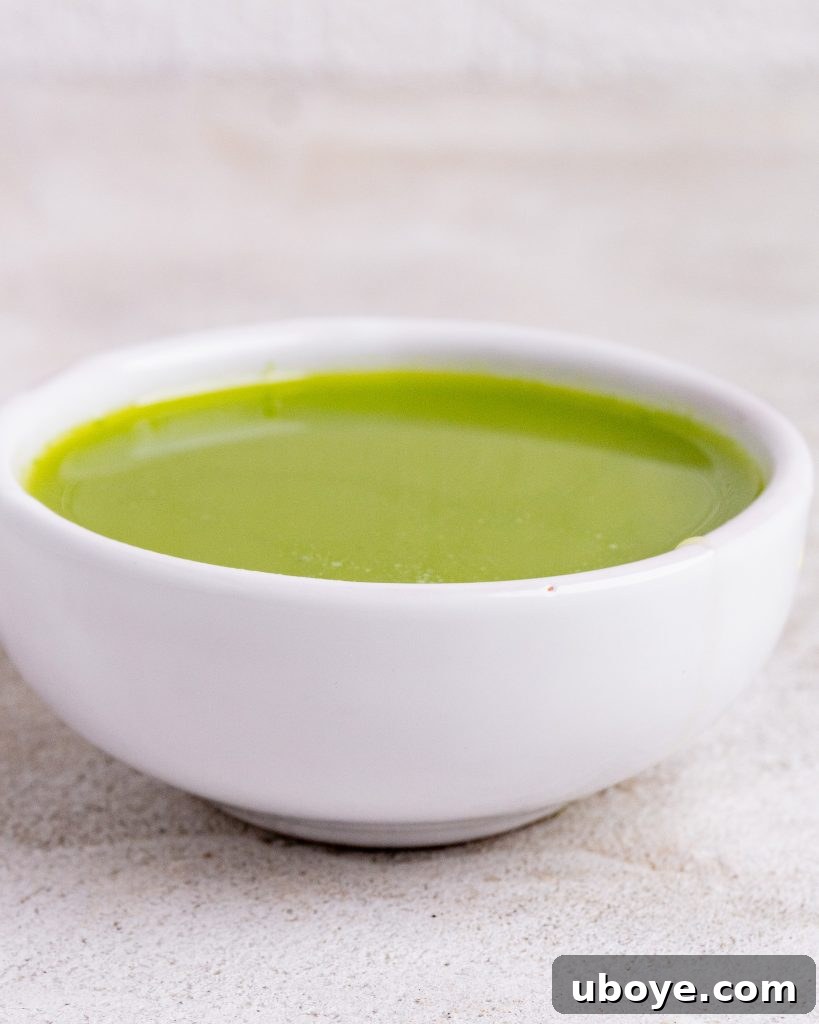
Transfer the beautifully green, strained basil oil into a thoroughly sterilized, airtight glass jar or bottle. For immediate use, it can be left on your counter bench for a day, but for optimal freshness and safety, store your homemade basil oil promptly in the refrigerator. In the fridge, it will maintain its peak freshness and vibrant color for up to 2-3 weeks. For longer preservation, consider freezing it in small portions, such as ice cube trays; once completely frozen, transfer the solid cubes to an airtight freezer bag and store for several months. Always check for off-smells or signs of mold before use, and adhere strictly to refrigeration guidelines to minimize botulism risk associated with homemade infused oils containing fresh ingredients.
Tips for Success & Safety:
- Quality Ingredients Matter: Always use the freshest basil you can find. Local farmers’ markets are a great source. For the oils, invest in a high-quality extra virgin olive oil for its rich flavor profile. The grapeseed oil is added for its neutral flavor and higher smoke point, making the basil oil more versatile for various cooking applications beyond just finishing.
- Sterilize Your Storage: It is absolutely crucial to use thoroughly cleaned and sterilized jars or bottles for storing your basil oil. This prevents the introduction of bacteria and significantly extends the oil’s shelf life. You can sterilize jars by boiling them in water for 10 minutes, or by running them through a hot dishwasher cycle. Ensure they are completely dry before filling.
- Understanding Botulism Risk: Homemade infused oils containing fresh ingredients like herbs, garlic, or vegetables carry a small but serious risk of botulism if not prepared and stored correctly. Fresh basil contains water, which can create an anaerobic (oxygen-free) environment where *Clostridium botulinum* spores can thrive and produce toxins. The blanching process and immediate, continuous refrigeration significantly reduce this risk. For absolute peace of mind and extended storage (beyond 2-3 weeks), freezing the oil is highly recommended. Never store homemade herb oils at room temperature for extended periods. When in doubt, discard it.
- Adjusting the Oil Blend: Feel free to adjust the ratio of extra virgin olive oil to a neutral oil (like grapeseed, canola, or sunflower) based on your preference. More olive oil will yield a stronger, fruitier olive flavor profile, while a higher proportion of neutral oil will allow the pure, delicate flavor of the basil to shine more prominently.
- Don’t Waste the Pulp: The strained basil pulp, while having a slightly muted flavor compared to the oil, can still be a valuable ingredient! You can mix it into a vegetable broth for added depth, stir a small amount into a rustic tomato sauce, blend it into a dressing for a thicker consistency, or even add it to homemade focaccia dough for a subtle basil infusion.
- Flavor Enhancements: While this recipe focuses on pure basil flavor, feel free to experiment. A small clove of blanched garlic (blanched alongside the basil) or a pinch of red pepper flakes can be added to the blender for extra layers of flavor, but remember to follow strict refrigeration guidelines even more diligently.
 Like this? Leave a comment below!