
Mastering Vegan Baking: Your Ultimate Guide to Accidentally Vegan Cake Mixes and Easy Substitutions
Embarking on a vegan lifestyle often comes with delightful surprises, none more exciting than the discovery of “accidentally vegan” products. These are everyday items that, by fortunate happenstance rather than explicit design, contain no animal-derived ingredients like eggs or dairy. For many, this revelation is a game-changer, simplifying the transition to plant-based eating without sacrificing beloved treats. Imagine the joy of realizing that some of your childhood favorites, from classic cookies to specific candy brands, were vegan all along! This unexpected bonus makes navigating a vegan diet not just easier, but also incredibly fun.
The beauty of “accidentally vegan” products lies in their accessibility and familiarity. Companies aren’t necessarily marketing them to the vegan community; they simply formulate them without animal products, often due to cost-effectiveness or traditional recipe practices. This means you can find them readily available in most grocery stores, eliminating the need to search for specialty vegan alternatives. From certain types of crackers and chips to many of the popular cake mixes that graced our kitchen counters growing up, these hidden gems offer convenience and comfort.
Among the most exciting “accidentally vegan” discoveries for any aspiring baker are conventional cake mixes. Brands like Dunkin Hines and Pillsbury, renowned for their consistent quality and delicious results, often produce mixes that are inherently dairy and egg-free. This opens up a world of possibilities for creating impressive plant-based desserts without the hassle of starting from scratch. But while the mix itself might be vegan, the box instructions typically call for eggs and butter—ingredients that are decidedly not plant-based. Fear not, aspiring vegan bakers! This guide is here to demystify the process, providing you with foolproof strategies to substitute these traditional components, ensuring your cakes are just as light, fluffy, and delicious as you remember.
The Magic of Accidentally Vegan Products and Why They Matter
The concept of “accidentally vegan” products is a beacon of hope and convenience for anyone adopting a plant-based diet. It dispels the myth that vegan eating is restrictive or requires a complete overhaul of your shopping list. Instead, it highlights how many everyday items already align with vegan principles. Beyond the classic examples like Oreos and Swedish Fish, a careful glance at ingredient labels can reveal a treasure trove of unexpected vegan delights, from certain brands of crackers and pasta to popular breakfast cereals.
For bakers, this phenomenon is particularly impactful when it comes to cake mixes. The sheer availability of these mainstream mixes means you don’t have to seek out expensive, niche vegan brands, though those are excellent too! Instead, you can pick up a box of your favorite yellow, devil’s food, or lemon supreme mix and transform it into a spectacular plant-based dessert with a few simple tweaks. This accessibility encourages more people to try vegan baking, demonstrating that it’s neither complicated nor daunting. It’s about smart substitutions and understanding the role each ingredient plays.
Below, we’ve included a preliminary list of some easy-to-find vegan cake mixes to get you started on your baking adventure. However, the real artistry comes in mastering the substitutions for the dairy and eggs called for in most box cake recipes. These essential replacements ensure that your vegan creations maintain the familiar textures and flavors you cherish, proving that plant-based baking can be just as, if not more, satisfying.
Elevating Your Bakes: Essential Vegan Substitutions for Butter and Eggs
The journey to truly great vegan baking hinges on understanding how to effectively replace animal products without compromising taste or texture. Eggs and butter play crucial roles in traditional baking: butter provides richness, moisture, and aids in leavening, while eggs contribute binding, moisture, leavening, and structure. Thankfully, the world of plant-based ingredients offers a fantastic array of alternatives that perform these functions beautifully. With the right substitutes, you can achieve cakes that are wonderfully moist, perfectly risen, and incredibly flavorful, every single time.
Masterful Butter Replacements for Rich and Moist Vegan Cakes
Butter is often considered the backbone of many baking recipes, lending a rich flavor and tender crumb. Fortunately, plant-based alternatives have evolved dramatically, offering excellent substitutes that deliver on both taste and performance. Here are our top recommendations for replacing butter in your vegan cake mixes:
Refined Coconut Oil: The Flavor Neutral Ally
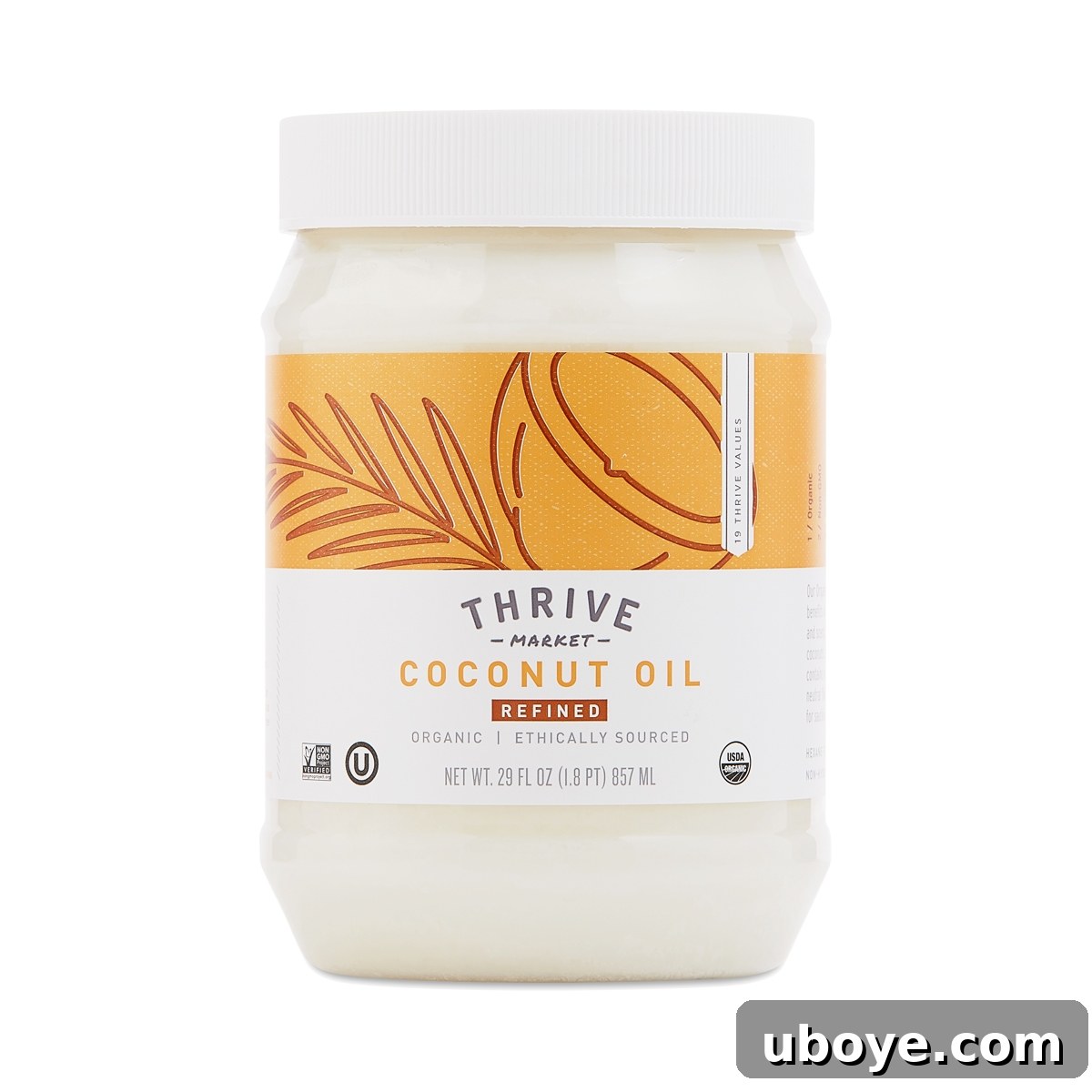
Coconut oil is a superstar in the vegan kitchen, available in two primary forms: virgin and refined. While virgin coconut oil is fantastic for recipes where you desire a distinct coconut flavor, its strong profile can sometimes overpower delicate desserts. For general baking, especially when you want the pure taste of your cake to shine through, refined coconut oil is your best friend. It undergoes a process that removes the coconut aroma and flavor, making it a neutral, versatile fat that works seamlessly in both sweet and savory applications.
Refined coconut oil boasts a high smoke point, making it suitable for a wide range of cooking methods, from sautéing vegetables to baking delicate pastries. In cakes, it provides a lovely richness and moisture without any unwanted tropical notes. It’s a staple in my pantry, perfect for everything from chocolate chip cookies to roasted root vegetables. When selecting coconut oil, look for “refined” on the label to ensure that neutral flavor profile.
Crucial Measuring Tip: The state of coconut oil (solid or melted) significantly impacts its volume. It’s essential to measure correctly for consistent baking results.
- If a recipe specifies “1/4 cup of melted coconut oil,” it means you should melt the solid coconut oil first, then measure out 1/4 cup of the liquid.
- If a recipe states “1/4 cup coconut oil, melted,” it indicates you should measure 1/4 cup of the solid coconut oil, and then proceed to melt it.
This distinction, though subtle, can lead to different amounts of fat being incorporated into your batter, affecting the final texture and density of your cake. Always use a liquid measuring cup for melted fats to ensure accuracy. Proper measurement is key to achieving that perfect light and fluffy texture.
Vegan Butter Sticks: The Familiar Favorite
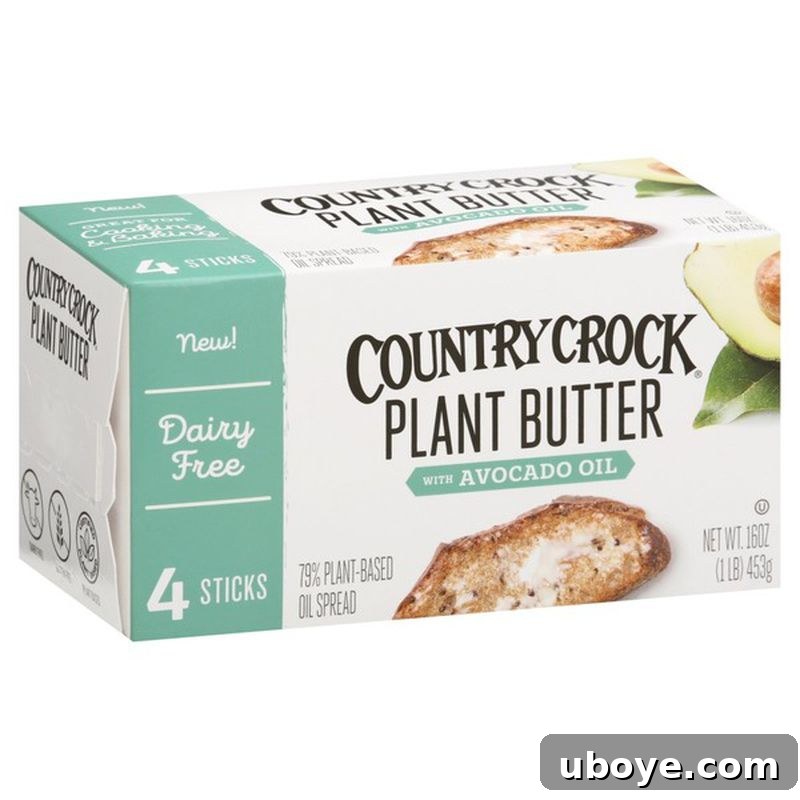
Vegan butter has come an incredibly long way, both in terms of flavor and texture, mirroring its dairy counterpart more closely than ever before. What was once a niche product is now readily available in most mainstream grocery stores, a testament to the growing demand for plant-based options. When it comes to baking, I’ve found that vegan butter in stick form tends to yield superior results compared to the softer, spreadable tub varieties, particularly for recipes requiring creaming or a more structured fat. Brands like Country Crock Plant Butter, Earth Balance Baking Sticks, and Miyoko’s Kitchen Cultured Vegan Butter are excellent choices that perform exceptionally well in cakes, cookies, and pastries.
You can use vegan butter sticks in virtually the same way you would use dairy butter. Whether you need it softened for creaming with sugar or melted for a specific recipe, these plant-based alternatives perform beautifully. They offer the same rich flavor and contribute to the tender crumb that dairy butter provides, ensuring your vegan bakes are indistinguishable from their traditional counterparts. Always check the ingredient list, as some brands might use different blends of oils (coconut, palm, soy, avocado) which can subtly affect flavor and texture. Experiment to find your personal favorite!
Innovative Egg Substitutes for Fluffy, Moist Cakes
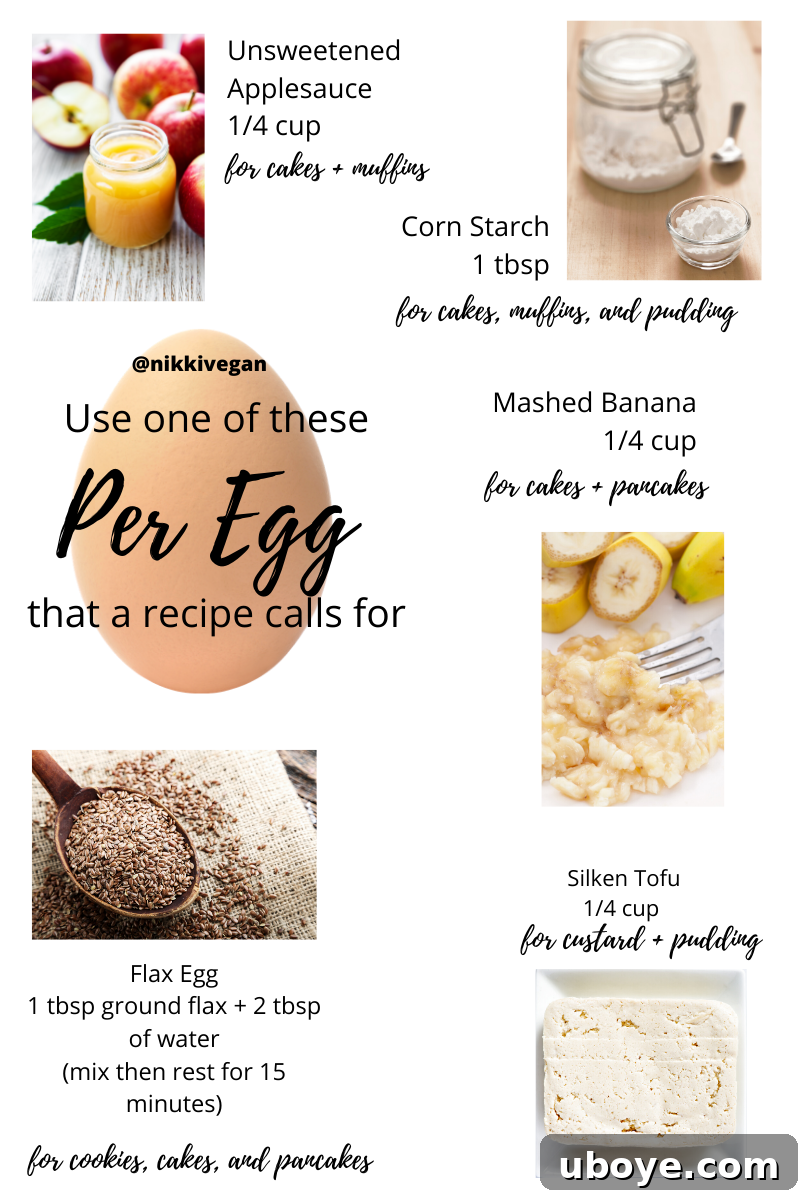
Eggs are multifaceted in baking, acting as binders, leavening agents, and contributors to moisture and richness. Replacing them effectively requires understanding these roles and selecting the right substitute for the job. While no single vegan ingredient can perfectly mimic all the functions of an egg in every recipe, a combination of clever alternatives allows for truly spectacular results. My personal go-tos are flax eggs, and a brilliant unsweetened applesauce and cornstarch combo, each offering unique benefits to your vegan cakes.
The Reliable Flax Egg: Your Go-To Binder
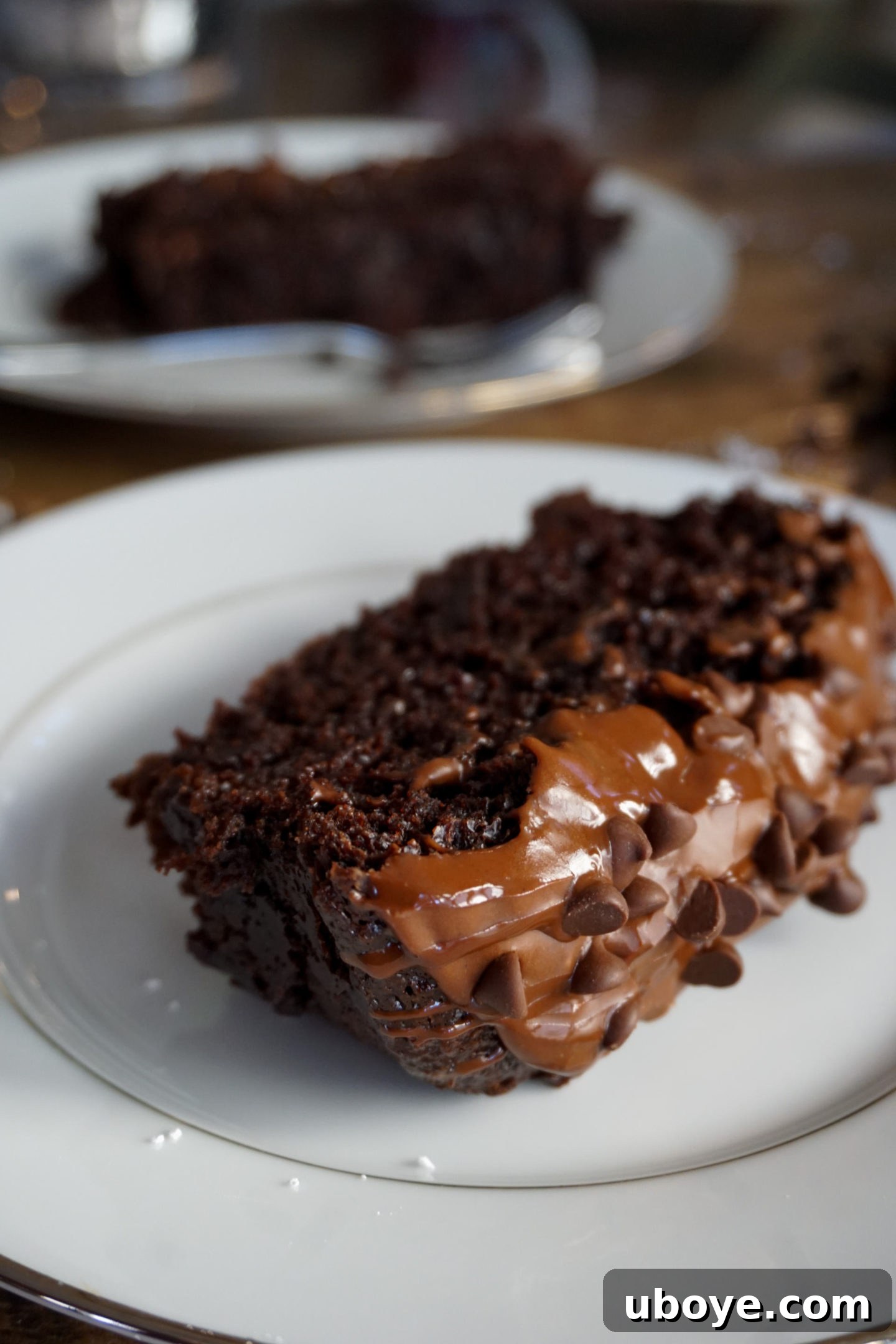
The flax egg is a foundational egg substitute in vegan baking, celebrated for its excellent binding properties. It’s incredibly versatile and works wonders in a wide array of baked goods, from chewy cookies and fluffy muffins to dense quick breads and even certain types of cakes. This is my secret weapon for recipes like my famous Vegan Triple Chocolate Cake and my beloved Pumpkin Bread, ensuring everything holds together beautifully and achieves a satisfying texture.
Making a flax egg is remarkably simple. To create the equivalent of one chicken egg, simply combine 1 tablespoon of ground flaxseed meal with 2 tablespoons of water in a small bowl. Stir the mixture well and set it aside for about 15 minutes. During this time, the ground flaxseed absorbs the water and forms a gelatinous, egg-like consistency due to the mucilage present in the seeds. This gelled mixture acts as a powerful binder in your recipes. For best results, I’ve found that pre-ground flax seeds from brands like Spectrum or Trader Joe’s work perfectly. A crucial tip: always use ground flax seeds; whole flax seeds will not gel properly and won’t provide the desired binding effect.
Unsweetened Applesauce + Cornstarch: The Moisture and Lift Duo
Unsweetened applesauce is another fantastic natural egg replacer, particularly valued for its ability to add moisture and a subtle sweetness to baked goods. The magic lies in pectin, a naturally occurring fiber in apples that acts as a thickening agent, similar to how it works in jams and jellies. When used in cakes, applesauce contributes to a wonderfully moist and tender crumb.
I find applesauce to be especially effective when paired with cornstarch. While I don’t pre-mix them together, I incorporate them strategically into the recipe. For instance, if a recipe calls for two eggs, I would use 1/4 cup of unsweetened applesauce and then whisk 1 tablespoon of cornstarch directly into the wet ingredients until dissolved. After that, I proceed by adding the dry ingredients as usual. The cornstarch enhances the binding and structural properties, providing a subtle lift and ensuring the cake doesn’t become too dense from the added moisture of the applesauce. This dynamic duo works exceptionally well for creating cakes with a soft, airy texture and ample moisture.
The Surprising Soda Hack: Lightness in a Can!
Prepare to be amazed by one of the most unconventional yet incredibly effective egg and oil substitutes: soda! It might sound outlandish to use a can of fizzy drink in your cake mix, but this clever hack truly works wonders, yielding cakes that are remarkably light, fluffy, and moist without a single egg or drop of oil. The science behind it is simple yet brilliant: the carbonation in the soda acts as a powerful leavening agent, while its acidity reacts with the leavening agents already present in the cake mix, promoting an incredible rise and airy texture.
I once used a can of Sprite to create this amazing cake, and the results were absolutely delicious. It was a revelation—light, airy, and full of flavor. The specific video I linked above was a playful parody inspired by the movie Parasite, created for an Oscars party contest. While the video itself is a bit of fun, the cake was a genuine hit with my friends, proving the effectiveness of this crazy hack! You can experiment with different types of soda to complement your cake flavor—lemon-lime sodas for citrusy cakes, cola for chocolate cakes, or even root beer for a unique twist. Simply replace the eggs, oil, and water called for in the box mix with one standard can (12 oz) of your chosen soda.
Discovering Your Next Favorite Vegan Cake Mix
Finding “accidentally vegan” cake mixes simplifies plant-based baking immensely. Many popular brands formulate their mixes without dairy or eggs, making them excellent starting points for your vegan creations. However, it’s always crucial to double-check the ingredient list, as formulations can change, and some mixes might contain hidden animal derivatives like whey, casein, or egg albumen. Look for mixes that explicitly state “dairy-free” or “egg-free” on the label if you want to be extra sure, though many popular choices are vegan without that specific label.
Here’s a list of commonly found cake mixes that are generally vegan-friendly. Remember to verify the ingredients on your specific box, as regional variations or product updates can occur:
- Thrive Market Yellow Cake Mix: This is a fantastic option if you’re looking for a mix that is purposefully vegan, often gluten-free, and naturally sweetened. It provides a reliable base for a classic yellow cake.
- Dunkin Hines Classic Yellow Mix, Devil’s Food, and Lemon Supreme: Many of Dunkin Hines’ traditional mixes, particularly their classic yellow, rich devil’s food, and vibrant lemon supreme, are often free of dairy and eggs. They deliver consistent quality and a familiar taste.
- Pillsbury Moist Supreme Golden Butter Mix and Purely White: Pillsbury also offers several “accidentally vegan” options. Their Moist Supreme Golden Butter (despite the name!) and Purely White mixes are frequently found to be vegan, providing a great foundation for diverse cake flavors and designs.
When checking labels, specifically look for terms like “milk,” “whey,” “casein,” “lactose,” “eggs,” “egg whites,” or “egg yolks.” If these are absent, and no other animal-derived ingredients are listed, you’ve likely found a fantastic “accidentally vegan” cake mix!
Embracing Your Vegan Baking Journey
The world of vegan baking is not only accessible but also incredibly rewarding. As you’ve seen, transforming a conventional cake mix into a delightful plant-based dessert is simple, requiring just a few smart substitutions for butter and eggs. From the neutral richness of refined coconut oil and the familiarity of vegan butter sticks to the ingenious binding power of flax eggs, the moisture of applesauce with cornstarch, and the surprising lift from soda, you now have a comprehensive toolkit to create spectacular vegan cakes.
This guide aims to make your vegan baking journey as seamless and enjoyable as possible, proving that you don’t need to compromise on flavor or texture. Experiment with these substitutes, find your favorites, and don’t be afraid to get creative in the kitchen. Happy baking!
What are your favorite ways to bake without eggs or dairy? Share your tips and tricks in the comments below! I hope this post has been incredibly helpful in inspiring your next vegan baking adventure.
Happy baking!
Nicole