
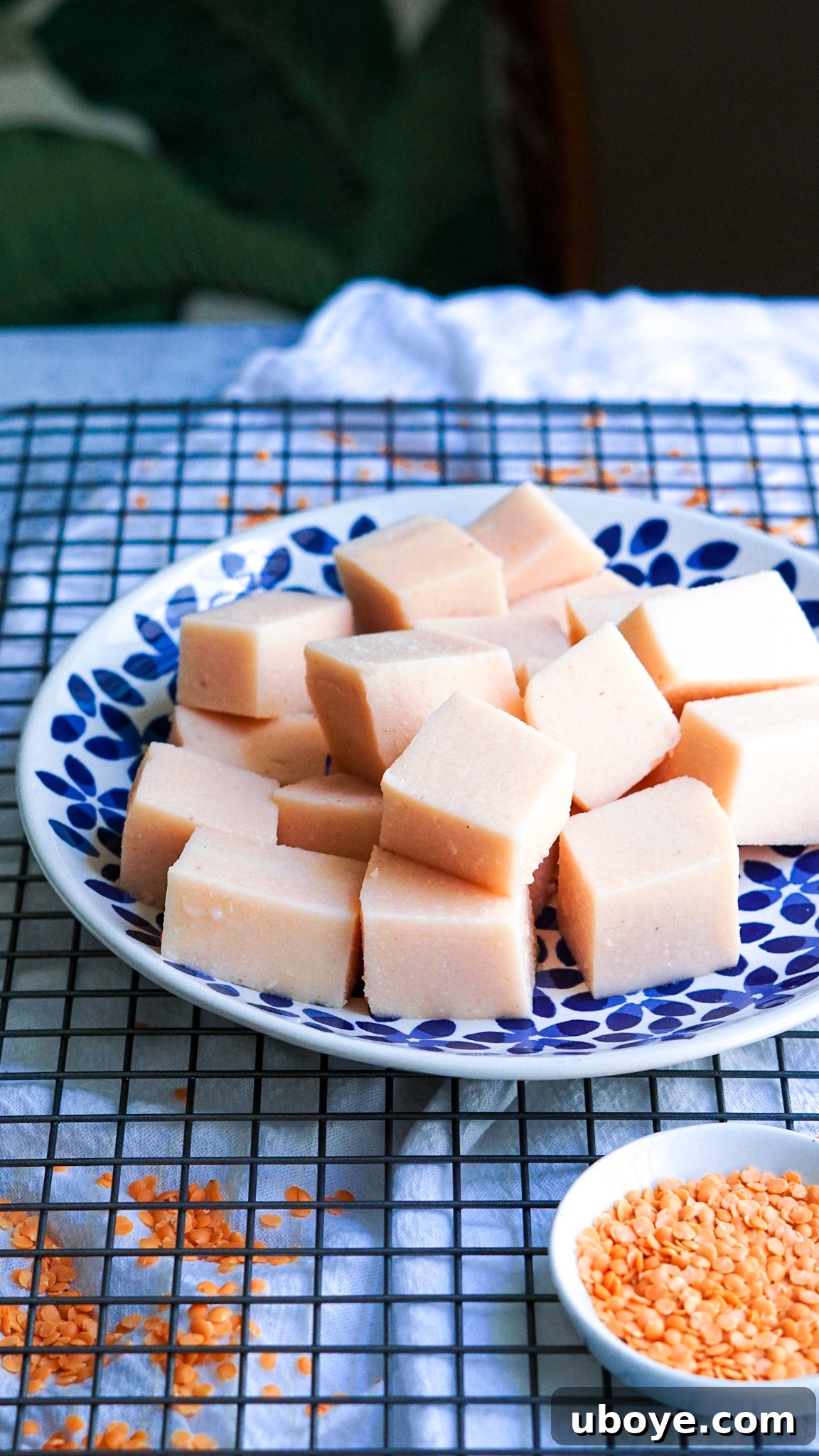
Embark on a culinary adventure and discover how to craft your very own delicious, soy-free tofu using just three wholesome ingredients: red lentils, water, and a pinch of salt! This innovative approach to plant-based protein offers a fantastic alternative for those with dietary restrictions or anyone looking to explore new textures and flavors in their kitchen. Forget store-bought options; homemade red lentil tofu is surprisingly easy to make and opens up a world of versatile meal possibilities.
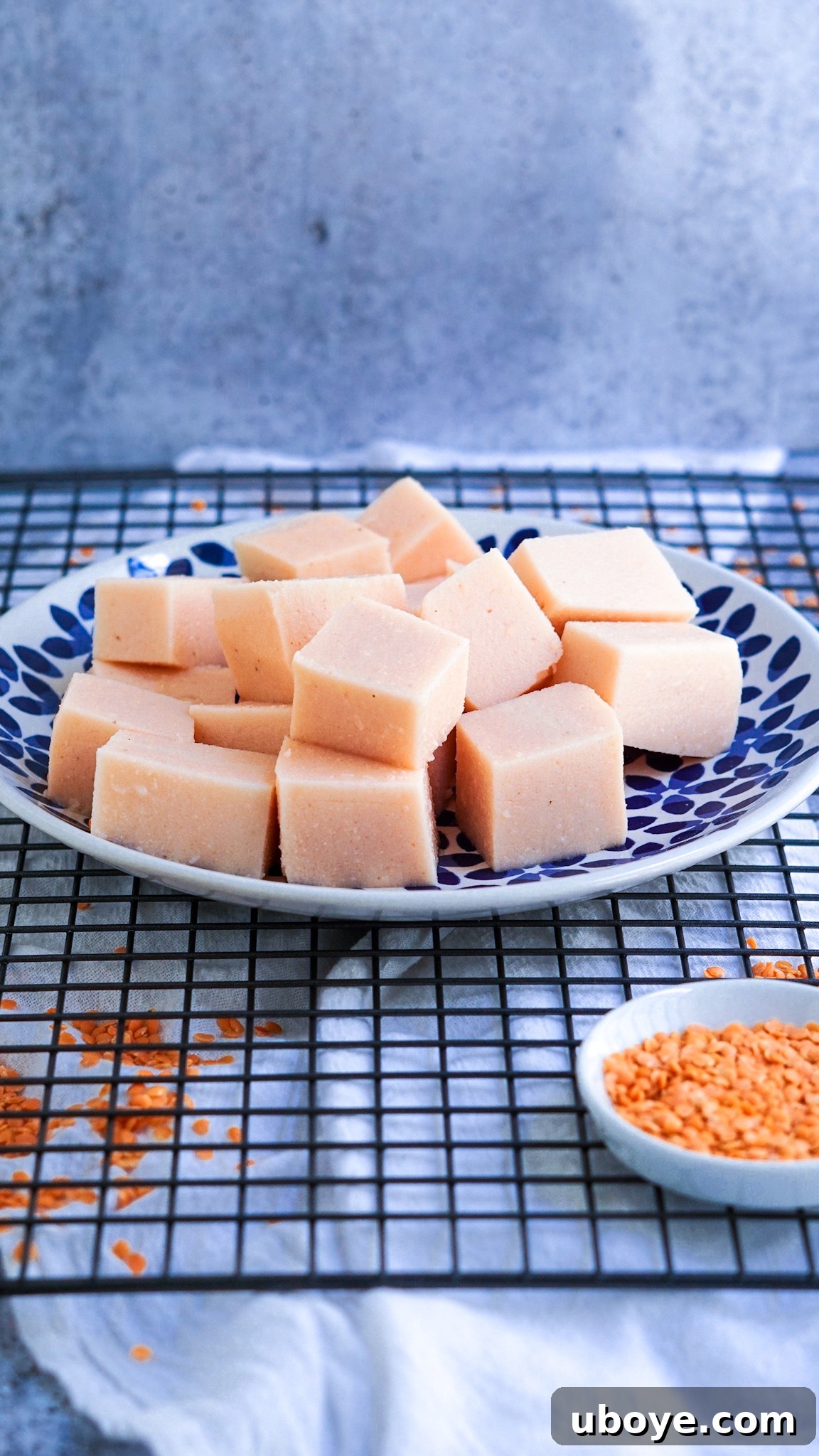
Red Lentil Tofu is precisely what its name implies: a nutrient-dense, high-protein tofu crafted from humble red lentils instead of traditional soybeans. By simply combining red lentils, fresh water, and a touch of salt, you can create a remarkably versatile and wholesome tofu that is naturally soy-free, gluten-free, nut-free, and completely vegan. This makes it an ideal choice for a wide array of dietary needs and preferences, without compromising on taste or texture.
The process is straightforward, requiring minimal equipment and basic kitchen skills, yet yielding a product that is incredibly adaptable to various culinary applications. Whether you’re a seasoned vegan chef or simply curious about plant-based cooking, making your own red lentil tofu at home is a rewarding experience that will expand your repertoire of healthy and delicious meals. It offers a unique texture that readily absorbs flavors, making it a star ingredient in countless dishes.
Why Choose Red Lentil Tofu? The Perfect Plant-Based Alternative
In today’s diverse culinary landscape, finding versatile and healthy protein sources is more important than ever. Red lentil tofu stands out as an exceptional choice, particularly for individuals navigating specific dietary requirements or those seeking novel plant-based options. Unlike traditional tofu, which is made from soybeans, this lentil-based version completely bypasses soy, offering a safe and delicious alternative for people with soy allergies or sensitivities. Furthermore, it’s inherently gluten-free and nut-free, making it a truly inclusive option for almost any diet, from Celiac to general allergen-conscious eating.
Beyond its allergen-friendly profile, red lentil tofu boasts an impressive nutritional content. Red lentils themselves are powerhouses of plant-based protein, dietary fiber, and essential micronutrients. By transforming them into tofu, you create a concentrated source of these benefits, making each serving a robust contribution to your daily nutritional intake. It’s a fantastic way to boost the protein content of your meals while enjoying a unique texture and flavor that readily absorbs marinades and seasonings, allowing for endless culinary creativity.
The simplicity of its three core ingredients – red lentils, water, and salt – also makes it an appealing choice. You’re in complete control of what goes into your food, free from any artificial additives or preservatives often found in processed foods. This transparency and purity appeal to health-conscious individuals who prefer clean eating and minimalist recipes. It’s an economically friendly option too, as red lentils are typically affordable and widely available, making high-quality, homemade plant-based protein accessible to everyone, ensuring healthy eating doesn’t break the bank.
The Inspiring Origin Story of Lentil Tofu: A TikTok Sensation
Like many brilliant culinary innovations of recent times, the concept of red lentil tofu first captivated audiences on social media platforms, particularly TikTok. This revolutionary idea quickly spread, inspiring countless home cooks to experiment with creating soy-free tofu in their own kitchens. The viral nature of the trend highlighted a significant demand for accessible, allergen-friendly plant-based proteins, and red lentil tofu beautifully filled that niche. Its ease of preparation and impressive results made it an instant hit among plant-based enthusiasts and curious foodies alike.
While many variations of the recipe have since emerged across the web, it’s important to acknowledge the original visionary behind this genius trend. To the best of our knowledge, the brilliant mastermind who first introduced this groundbreaking concept was Camilla from Powerhungry.com. Her innovative spirit and culinary expertise sparked a widespread movement, proving that delicious and accessible plant-based alternatives are always within reach. Every recipe for red lentil tofu you encounter online today, including this one, is likely a modified or adapted version of her pioneering work. We owe a huge debt of gratitude to Camilla for sharing such an incredible idea with the world, democratizing homemade soy-free protein. ❤️
This particular recipe is the culmination of extensive experimentation and careful adjustments made in my own kitchen, building upon the foundational concept inspired by Camilla’s original invention and various adaptations seen on social media. My goal was to refine the technique and ingredient ratios to achieve a consistently firm, smooth, and flavorful lentil tofu that I personally love to make and enjoy at home. This detailed guide reflects my preferred method, honed through numerous test batches and a desire for optimal texture and taste. I sincerely hope you find as much joy and satisfaction in making and savoring this homemade creation as I do, and once again, a heartfelt shoutout to Camilla for her truly cool and impactful invention!
Crafting Your Own Red Lentil Tofu: A Step-by-Step Guide
Making red lentil tofu is a straightforward process, broken down into a few simple stages. Each step is crucial for achieving the perfect texture and consistency, transforming humble lentils into a versatile plant-based protein. Follow these detailed instructions to create a batch of homemade tofu that will impress your taste buds and elevate your plant-based meals.
Preparation is Key: Soaking Your Lentils
The journey to perfect red lentil tofu begins with proper preparation of the lentils. Soaking is an essential step that softens the lentils, making them easier to blend into a smooth batter and aiding in the activation of their natural starches. This pre-treatment significantly contributes to the final texture of your tofu, ensuring it’s smooth and not grainy.
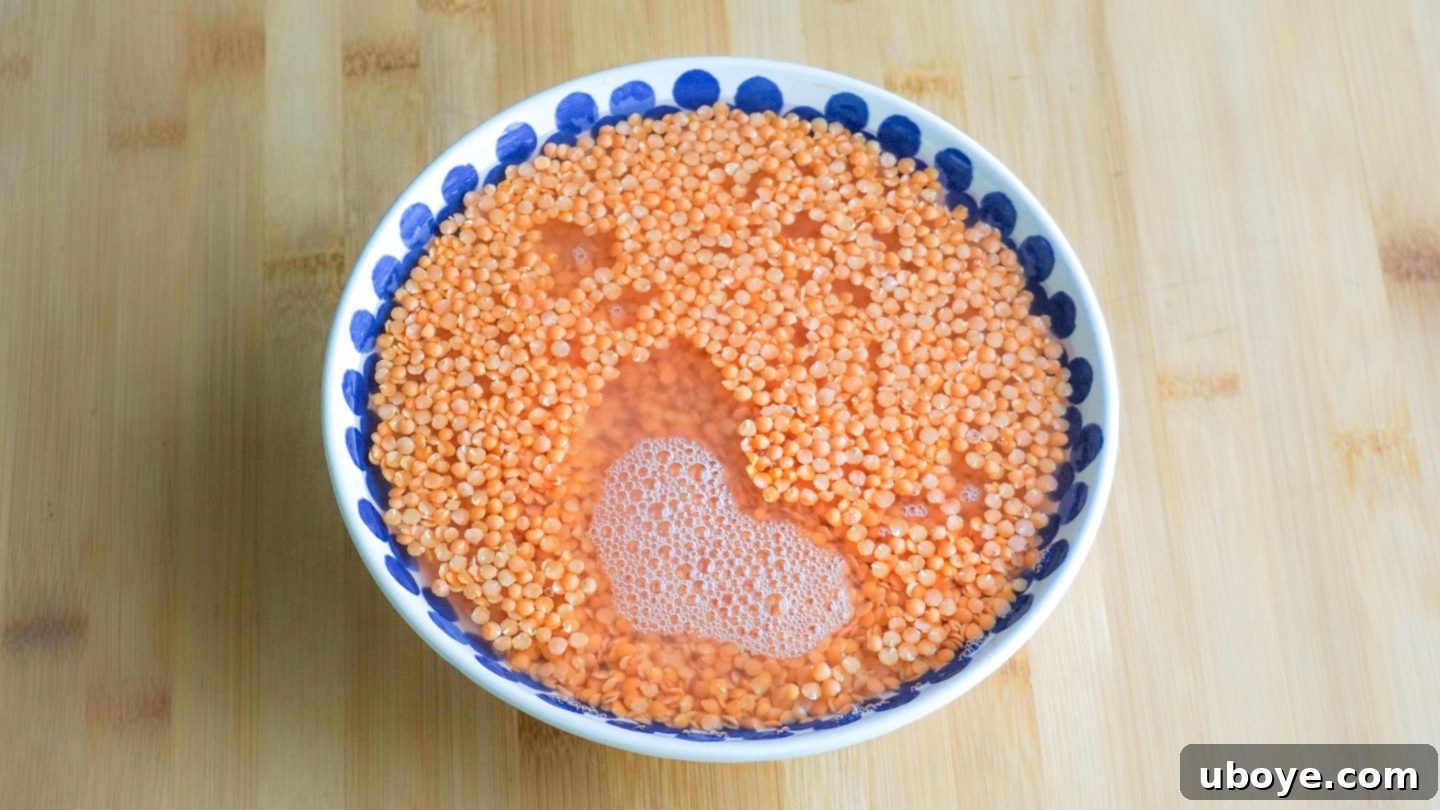
Begin by thoroughly rinsing your split red lentils under cold, running water. This removes any dust or debris and ensures a clean base for your tofu. Then, place the rinsed lentils in a large bowl and cover them generously with plenty of fresh, cold water. Allow them to soak overnight (ideally 8-12 hours). This extended soaking period ensures the lentils become fully hydrated and tender, which is vital for the subsequent blending stage, making them easier to process into a fine consistency.
The next morning, drain the soaking water completely and give the lentils another good rinse under cold water. This helps to remove any lingering starches from the initial soak. Transfer the clean, rinsed lentils to a fresh, large mixing bowl. Now, carefully pour 4 cups of freshly boiled water over the lentils. This warm bath helps to further soften the lentils and prepares them for blending by gently starting the starch hydration process. Allow the lentils to sit in the hot water until it cools down to room temperature, which typically takes about 20 minutes. This cooling period is important to prevent damaging your blender with excessively hot ingredients, while still allowing the initial heat to work its magic.
Achieving Perfect Smoothness: The Blending Process
Once your lentils have soaked and cooled, the next step is to transform them into a silky-smooth batter. This stage is critical for ensuring your red lentil tofu has a uniform and creamy texture, free from any grittiness or unblended pieces. A powerful blender will make this process much easier and more effective.
Carefully transfer the soaked and cooled lentils, along with the 4 cups of water they were soaking in, into a high-speed blender. Secure the lid tightly and blend the mixture until it is exceptionally smooth and creamy. This should take approximately 30 seconds to a minute, depending on the power of your blender. You’re aiming for a consistency similar to a thick, velvety smoothie, with no visible lentil pieces remaining. Scrape down the sides of the blender once or twice to ensure everything is thoroughly incorporated.
Pro Tip for Smaller Blenders: If you’re working with a smaller blender, like the one I use (check it out here), it’s best to divide the lentil and water mixture into two batches. This prevents overcrowding the blender, allowing for a more efficient and thoroughly smooth blend without straining your appliance. Blending in smaller quantities ensures consistent results and prevents your blender from struggling, ultimately leading to a superior texture for your tofu.
The Transformation: Cooking Your Lentil Batter to Perfection
This is where the magic truly happens! The cooking stage is crucial as it activates the starches in the lentils, causing the liquid batter to thicken and solidify into a tofu-like consistency. Patience and continuous stirring are your best friends here to prevent lumps and ensure a perfectly smooth finish.
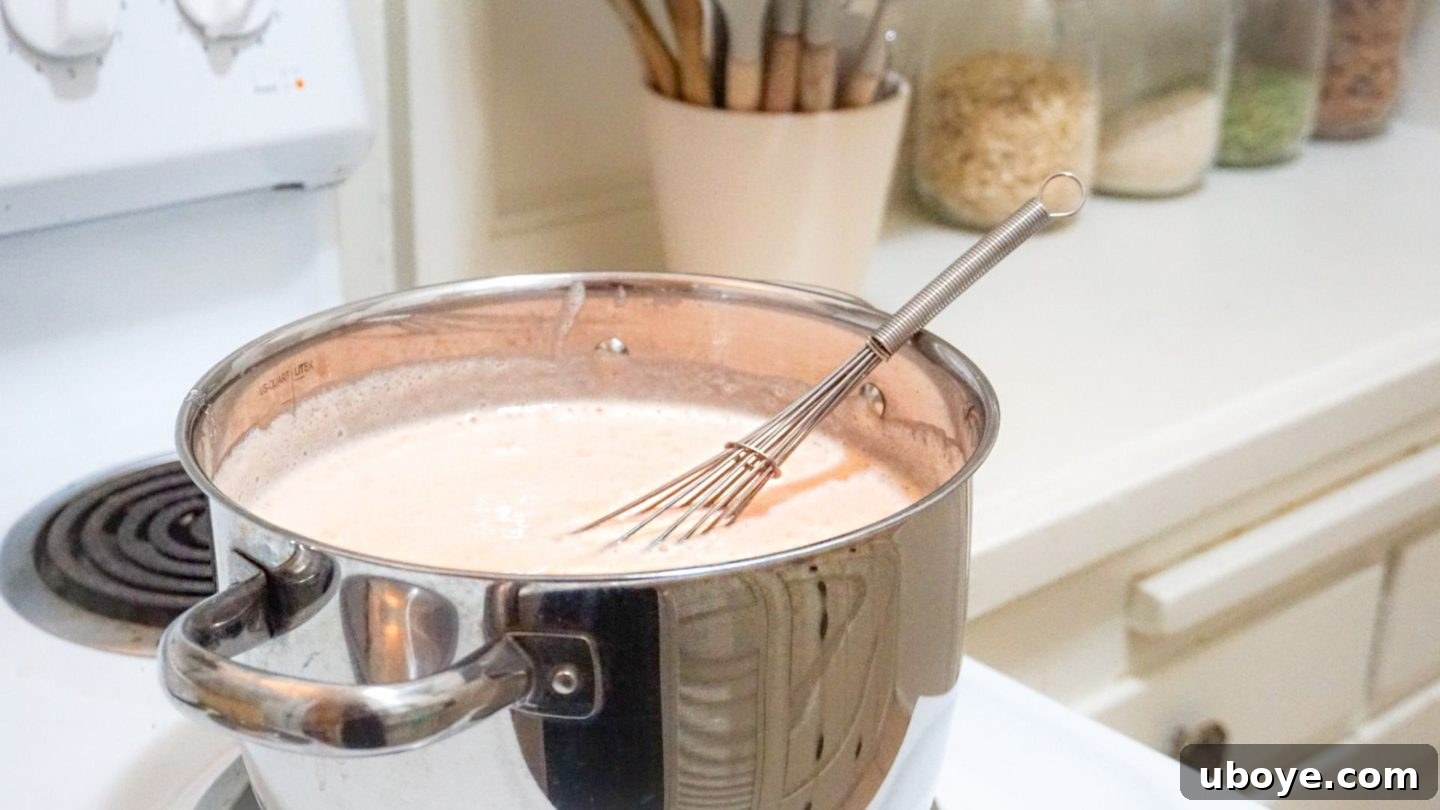
Pour the creamy lentil mixture into a large, heavy-bottomed saucepan. Place the saucepan over medium-high heat. Begin whisking immediately and continuously for 2-3 minutes. This initial whisking helps to prevent any lumps from forming as the mixture starts to warm up. Next, slowly whisk in the remaining 4 cups of room temperature water, ensuring it is fully incorporated into the thickening batter. Once combined, add the kosher salt, which not only seasons but also aids in the gelling process, enhancing the flavor of your tofu.
Continue to cook the mixture on medium heat for approximately 10 minutes, whisking continually. This constant agitation is absolutely essential! As the starches within the red lentils hydrate and heat up, they expand and bind together, causing the mixture to dramatically thicken from a liquid into a dense, creamy batter right before your eyes. Do not stop whisking, as this is the key to a lump-free, smooth, and perfectly set tofu. If you stop, you risk burning the bottom or creating large lumps. Reduce the heat if you notice it bubbling too vigorously or sticking to the bottom of the pan.
Once the mixture has visibly thickened to a pudding-like consistency, resembling a very thick porridge or custard, remove the saucepan from the heat. Using a large spoon, gently skim off any foam or bubbles that may have formed on the surface of the batter. This step helps achieve an even smoother final product and a more appealing appearance for your homemade tofu.
Pro Tip: The Science of Whisking for Smooth Tofu: Whisking continually isn’t just a recommendation; it’s the absolute secret to success for this recipe! Red lentils are naturally rich in starches. When these starches are introduced to heat and water, they begin to hydrate and swell. Continuous whisking ensures that these starches disperse evenly throughout the mixture, preventing them from clumping together and creating undesirable lumps. This even distribution allows for a consistent gelling process, resulting in a thick, creamy, and wonderfully smooth tofu. Understanding this fundamental principle of starch cookery, as detailed in this insightful video, will empower you to master this and many other recipes. It ensures that your lentil tofu transforms from a liquid batter to a firm, smooth block without any undesirable texture variations. 👩🏻🍳
Setting the Stage: Chilling for Optimal Texture
After the cooking process, the lentil mixture needs time to cool and set properly. This chilling stage is crucial for achieving the desired firm consistency that allows the tofu to be sliced and handled with ease. Patience during this step will be rewarded with a perfectly set tofu.
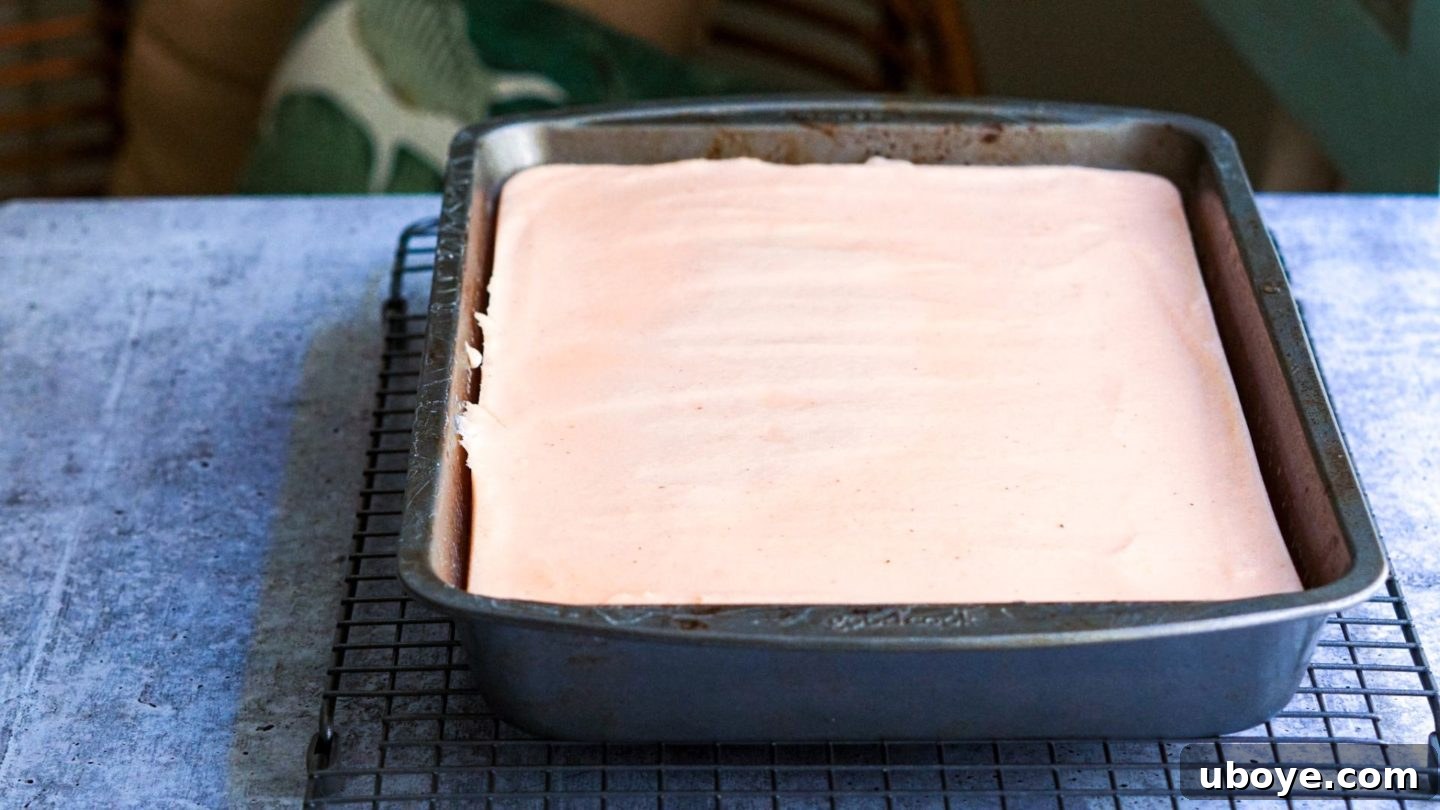
Promptly transfer the hot, thickened red lentil mixture into a 9×13 inch pan (or a similar sized dish for your desired tofu thickness). Use a spoon or spatula to smooth out the top surface, ensuring an even thickness throughout the pan. This will help your tofu set uniformly and present a neat appearance. Allow the pan to cool completely at room temperature, undisturbed, for at least 1-2 hours before proceeding to the next step. This initial cooling helps prevent excessive condensation from forming inside the refrigerator, which can affect the surface texture.
Once the mixture has cooled to room temperature, cover the pan tightly with plastic wrap or a lid. Then, transfer it to the refrigerator and allow it to chill overnight, or for a minimum of 8-12 hours. This extended chilling period is vital for the starches to fully gel and firm up, resulting in a robust and sliceable tofu block. On day one, the center might still have a slightly creamier, almost medium-tofu texture. However, the longer it sets in the refrigerator, the firmer it will become. For an optimal firm texture that closely mimics traditional firm tofu, I find it’s best to wait until day 2 or even day 3. This makes red lentil tofu an excellent candidate for meal prepping, as it can be prepared well in advance and will only improve in texture.
Ta-daa! Your Homemade Red Lentil Tofu is Ready!
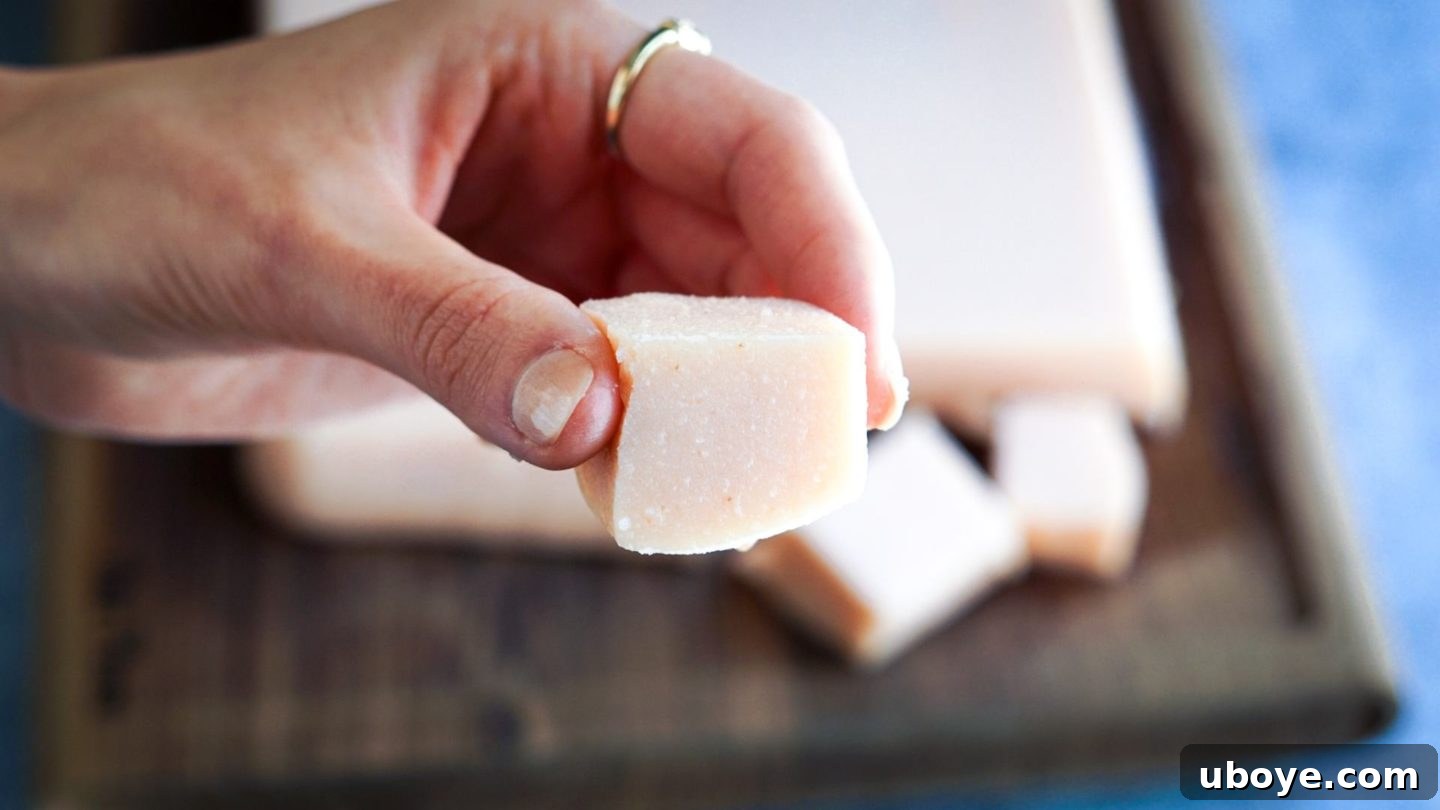
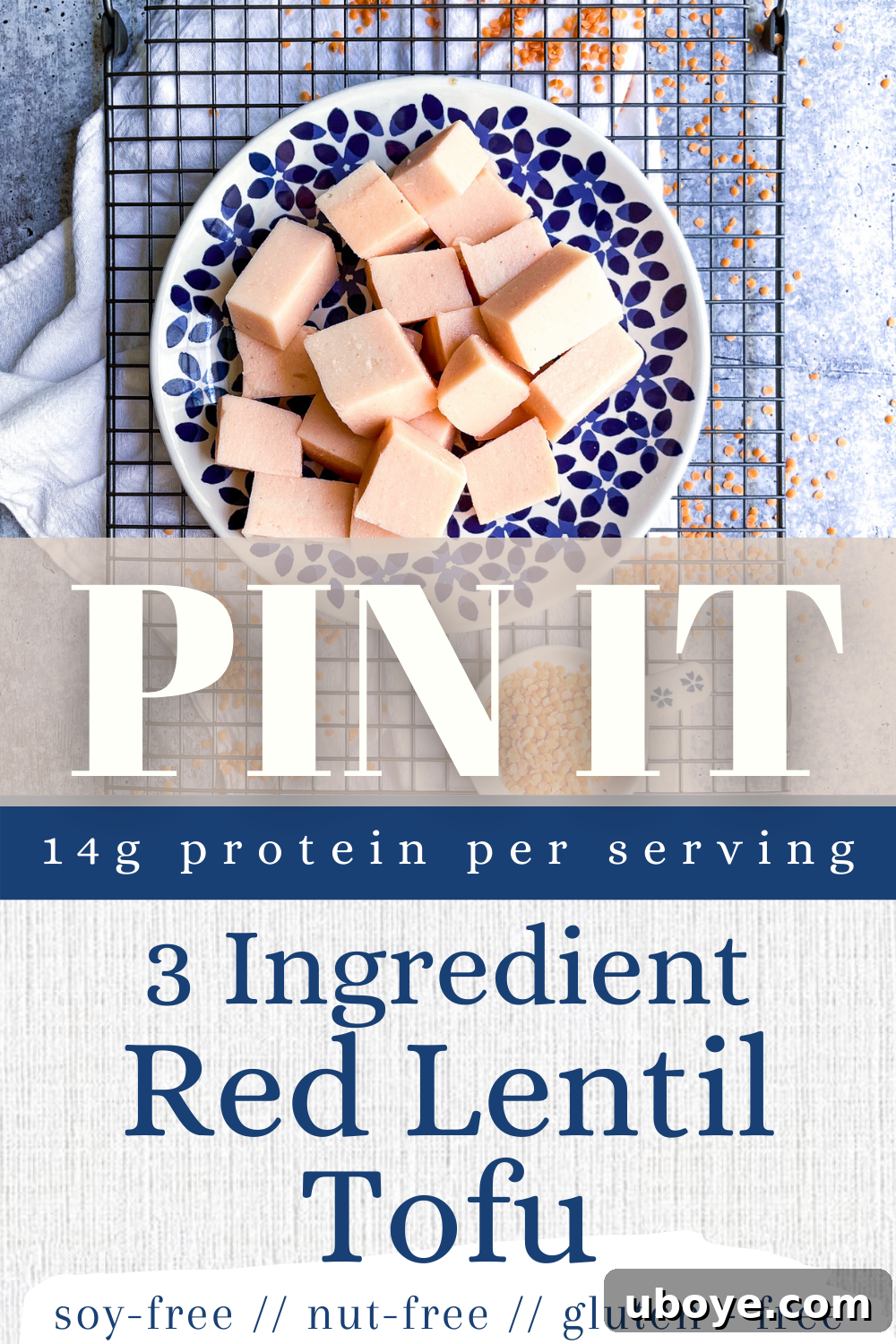
After patiently allowing your red lentil tofu to chill and firm up, the moment of truth arrives! Once it has reached your desired consistency, carefully remove it from the pan. You can now slice the tofu into cubes, triangles, or any shape you prefer. It’s truly ready to be seasoned and incorporated into your favorite dishes!
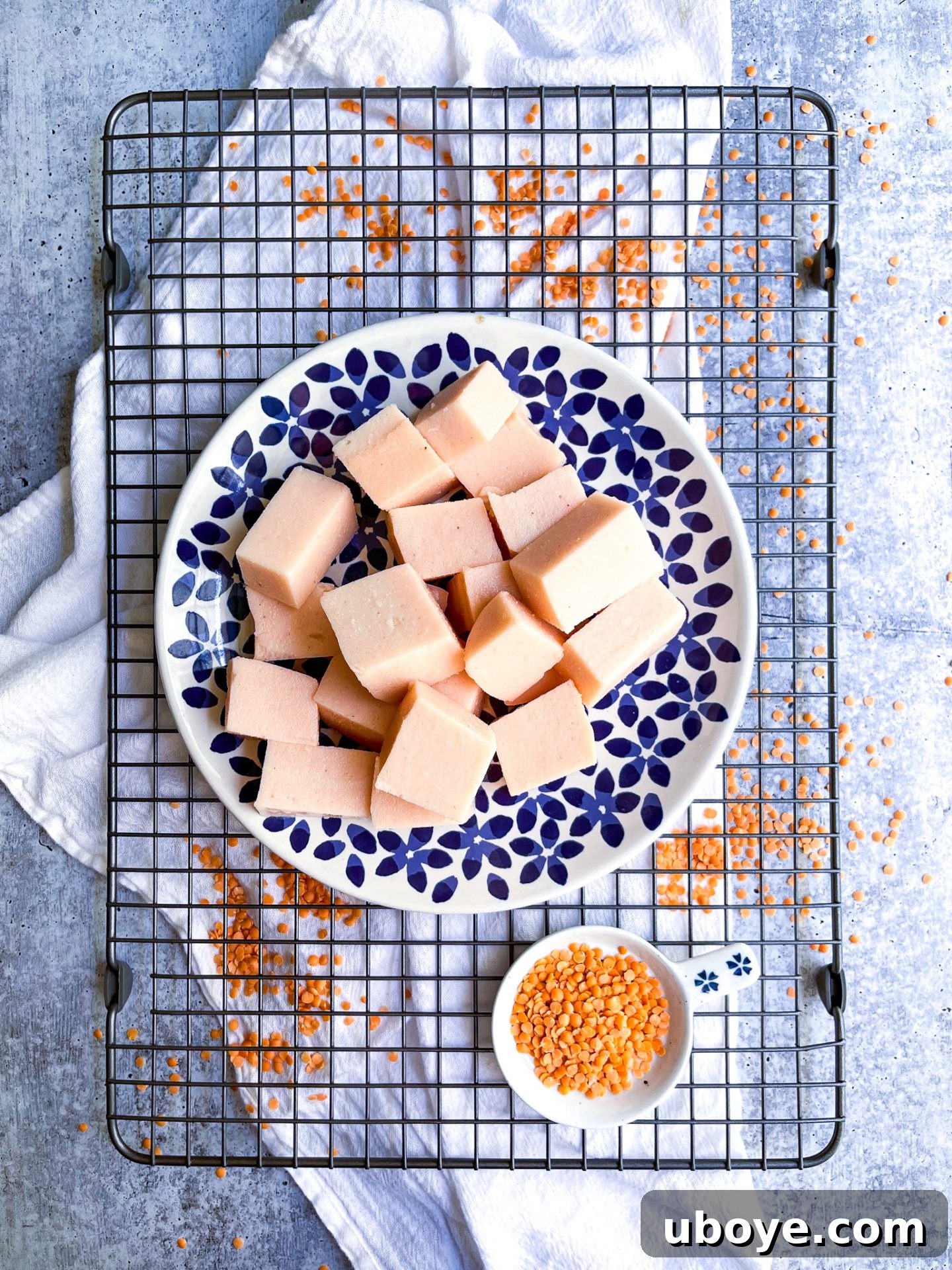
Remember that homemade red lentil tofu, while firm, is generally softer and more delicate than many extra-firm store-bought varieties of soy tofu. Handle it with a gentle touch, especially when seasoning and cooking, to prevent it from crumbling. It’s incredibly absorbent, making it a fantastic canvas for bold flavors. Don’t be afraid to experiment with various spices and marinades to discover its full potential!
Unlocking the Nutritional Power of Red Lentils
Beyond being a fantastic soy-free alternative, red lentil tofu brings a wealth of nutritional benefits to your plate, largely thanks to its primary ingredient: red lentils. These small but mighty legumes are celebrated for their impressive nutritional profile, contributing significantly to a healthy, balanced diet. Incorporating red lentil tofu into your meals is an excellent way to boost your intake of essential vitamins and minerals, supporting overall well-being.
- High Protein Content: Red lentils are an outstanding source of plant-based protein, providing approximately 14g of protein per serving. This makes red lentil tofu an excellent choice for vegans, vegetarians, and anyone looking to increase their protein intake, which is vital for muscle repair, growth, and overall body function, contributing to satiety and energy levels throughout the day.
- Rich in Dietary Fiber: With around 7g of fiber per serving, red lentils are superb for digestive health. Dietary fiber promotes regularity, helps maintain healthy blood sugar levels by slowing glucose absorption, and contributes to a feeling of fullness, which can aid in weight management and prevent overeating.
- Abundant in Essential Minerals: Red lentils are packed with crucial minerals, including iron, folate, magnesium, copper, zinc, and phosphorous. Iron is essential for oxygen transport in the blood, preventing fatigue; folate is vital for cell growth and function, particularly important during pregnancy; and magnesium plays a role in hundreds of bodily reactions, from energy production to nerve and muscle function. Copper, zinc, and phosphorus further support immune health, bone strength, and metabolic processes, ensuring your body functions optimally.
- Packed with Polyphenols: These tiny legumes are a rich source of polyphenols, which are powerful plant compounds known for their antioxidant properties. Antioxidants help protect your cells from damage caused by free radicals, potentially reducing the risk of chronic diseases such as heart disease and certain cancers, and supporting overall cellular health.
- Exceptional Antioxidant Content: In fact, according to NutritionFacts.org, “Lentils have the second-highest antioxidant content (behind black beans) among all tested legumes.” This highlights their significant role in combating oxidative stress and promoting long-term well-being, making them a true superfood.
Choosing red lentil tofu means you’re not just enjoying a tasty and versatile meal, but also fueling your body with a nutrient-dense food that supports various bodily functions and contributes to vibrant, sustained health. It’s a smart choice for anyone looking to eat well and feel great.
Taste and Texture Profile: What to Expect from Red Lentil Tofu
One of the most appealing aspects of red lentil tofu is its incredibly versatile taste and unique texture, which allows it to seamlessly integrate into a myriad of dishes. If you’re wondering what to expect from this homemade creation, think of it as a culinary chameleon – ready to absorb and enhance any flavor you introduce, making it a dream ingredient for creative cooking.
In its plain form, red lentil tofu has a remarkably mild flavor profile. It doesn’t taste strongly “beany” but rather presents a neutral canvas, perhaps with a very subtle, earthy aftertaste that quickly fades. This characteristic makes it an excellent base for various seasonings, marinades, and sauces, allowing the accompanying ingredients to shine without competition from the tofu itself. Unlike some plant-based proteins that can have distinct inherent flavors, red lentil tofu is truly a blank slate, eager to take on the personality of your chosen spices, from robust curries to delicate herbal notes.
Regarding texture, red lentil tofu offers a delightful experience that sets it apart from traditional soy tofu. It tends to be creamier and more delicate than firm or extra-firm store-bought tofu, yet it holds its shape beautifully once set. Many describe its consistency as being akin to plain buffalo mozzarella – somewhere between watery and creamy, with a wonderfully smooth mouthfeel that melts in your mouth. It’s not crumbly like some softer tofus, nor is it as dense and chewy as extra-firm soy tofu. This unique balance makes it enjoyable in both raw applications (like in a salad) and cooked preparations.
Due to its mild flavor and adaptable texture, red lentil tofu truly excels at absorbing the essence of whatever it’s seasoned or marinated with. Whether you’re aiming for spicy, savory, tangy, or herby notes, this homemade tofu will readily soak up those flavors, delivering a delicious and satisfying experience in every bite. This makes it an exciting ingredient for creative cooks eager to experiment with new flavor combinations, transforming a simple block of lentil tofu into a gourmet delight.
Culinary Inspiration: Delicious Ways to Enjoy Red Lentil Tofu
The versatility of homemade red lentil tofu is one of its greatest strengths. Its neutral flavor and unique texture make it an excellent addition to a wide range of dishes, from quick weeknight meals to more elaborate culinary creations. Once you’ve mastered making it, the possibilities for incorporating this high-protein, soy-free alternative into your diet are truly endless. Here are some fantastic and delicious ways to enjoy your freshly made red lentil tofu:

- Grilled & Pan-Fried: Slice your firm red lentil tofu into slabs or cubes, about ½ to ¾ inch thick. Drizzle generously with olive oil and season liberally with your favorite spices. Lemon pepper, smoked paprika, garlic powder, onion powder, and a touch of dried herbs (like oregano or thyme) work wonderfully. Grill on a non-stick grill pan or pan-fry in a lightly oiled skillet until golden brown and slightly crispy on both sides. This method creates a satisfying texture contrast and makes a fantastic, flavorful protein addition to fresh green salads, hearty wraps, and gourmet sandwiches.
- Baked to Perfection: For a hands-off approach that yields beautifully seasoned tofu, cut the tofu into desired shapes – cubes, triangles, or even small sticks. Toss them in a big mixing bowl with a generous drizzle of olive oil and a savory blend of spices. Try a mix of salt, freshly ground black pepper, sweet paprika, garlic powder, and a hint of poultry seasoning for an incredibly savory, umami-rich flavor. Spread the seasoned tofu in a single layer on a parchment-lined baking sheet and bake at 400°F (200°C) until the edges are golden brown and slightly firm, typically 20-25 minutes, flipping halfway. Baked lentil tofu is excellent for meal prep and can be enjoyed hot or cold.
- In Soups & Stews: While delicate, red lentil tofu holds up surprisingly well when added to simmering liquids. Dice it into small cubes (½ inch or less) and stir it into your favorite nourishing soups, robust stews, or creamy curries during the last few minutes of cooking. It will gently absorb the broth’s flavors, adding a wonderful creamy texture and a significant protein boost without overpowering the main components of the dish. It’s particularly delicious in coconut milk-based curries.
- Scrambled Lentil Tofu: Just like traditional tofu, red lentil tofu can be crumbled and seasoned to create a delicious plant-based scramble. Sauté aromatic vegetables like onions, peppers, and spinach, then add crumbled lentil tofu. Season with nutritional yeast for a cheesy flavor, turmeric for color, and a pinch of black salt (kala namak) for an authentic “eggy” flavor. Serve with toast, fresh avocado, or alongside your favorite breakfast vegetables for a wholesome brunch.
- In Stir-fries & Noodle Dishes: Quickly pan-fry seasoned lentil tofu cubes until lightly browned and slightly firmed up, then add them to vibrant vegetable stir-fries, flavorful noodle dishes, or even fried rice. Its delicate texture will complement the crisp-tender vegetables and savory sauces, absorbing the rich flavors beautifully.
- Marinade Powerhouse: Due to its inherently mild flavor, red lentil tofu is a dream for marinating. Create a savory marinade with ingredients like soy sauce (or tamari for gluten-free), freshly grated ginger, minced garlic, a touch of sesame oil, and a hint of maple syrup or agave. Let the tofu soak for at least 30 minutes (or longer, up to several hours in the refrigerator, for deeper flavor penetration) before cooking. This method infuses the tofu with incredible taste.
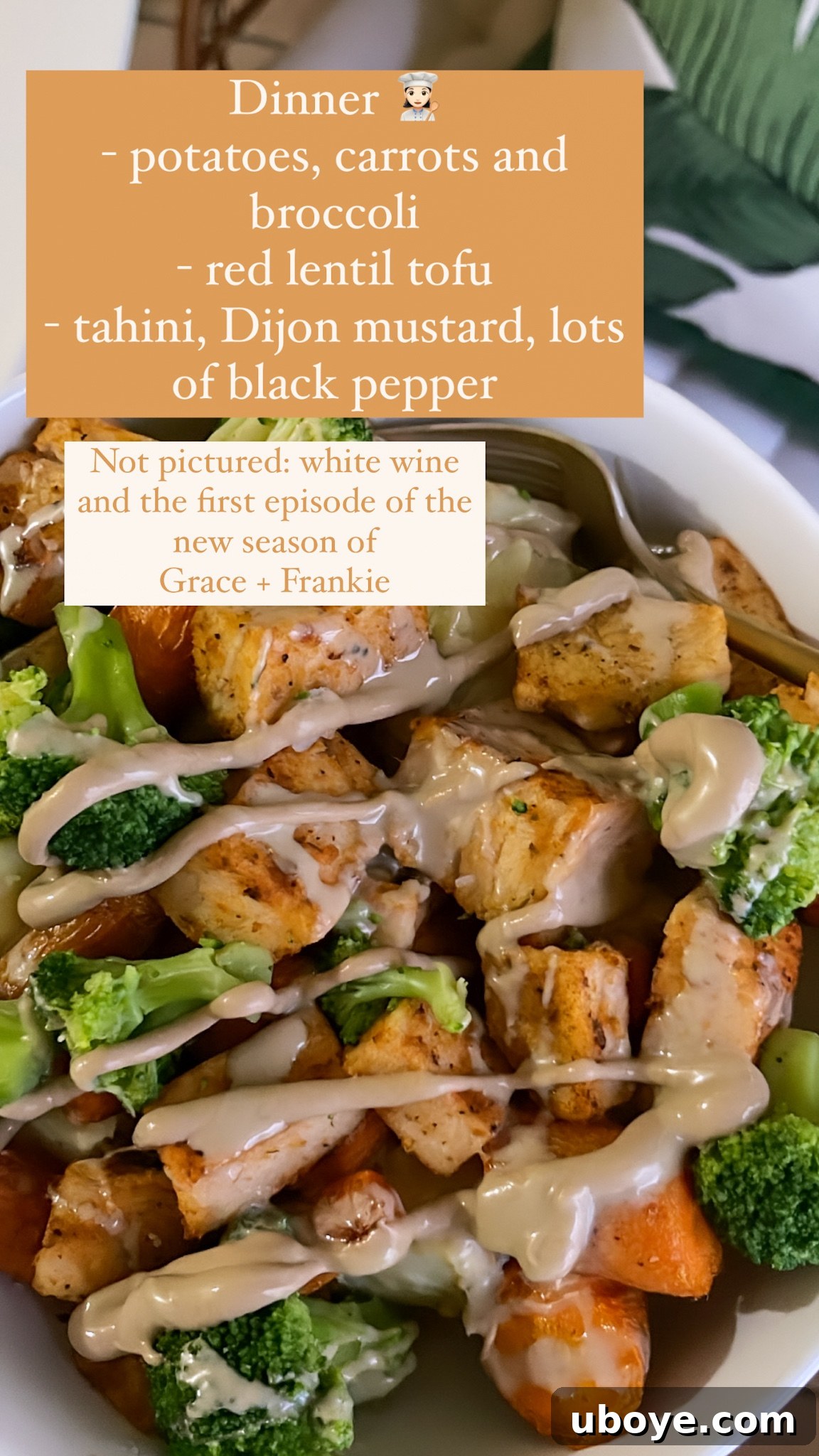
Drizzle with olive oil and sprinkle with salt, pepper, paprika, garlic powder and poultry seasoning.
Toss and bake at 400 until golden brown around the edges. So tasty!
Experiment with different seasonings, marinades, and cooking methods to discover your favorite ways to enjoy this versatile homemade plant-based protein. The culinary possibilities are truly endless, making red lentil tofu a staple in any health-conscious kitchen!
Frequently Asked Questions About Red Lentil Tofu
To help you confidently create your best batch of red lentil tofu and troubleshoot any potential issues, here are detailed answers to some common questions. Mastering these tips will ensure consistently delicious results every time you make this fantastic plant-based protein.
Do I have to chill the red lentil mixture overnight?
For the absolute best results and to achieve a firm, easily sliceable tofu that is enjoyable for various cooking methods (like grilling or baking), I highly recommend chilling the red lentil mixture overnight. While the tofu will begin to set and solidify in about 2-3 hours, its texture will be noticeably softer and creamier in the center – almost like a very soft, delicate tofu. If you prefer a texture similar to firm or extra-firm store-bought tofu, allowing it to set for a full 12-24 hours (or even making it 2 days ahead of time) is the optimal approach. The longer it chills in the refrigerator, the firmer and more robust it becomes, making it easier to handle, cut, and cook without breaking apart. This extended chilling time allows the starches to fully gel and create a cohesive, stable structure, similar to how traditional tofu is pressed for firmness. Therefore, patience during the chilling phase is key for optimal texture.
How do I store Red Lentil Tofu?
Storing your homemade red lentil tofu is simple and convenient, allowing you to enjoy your batch throughout the week or save it for later. Once it has fully set and been removed from its molding pan, transfer the desired portions into an airtight container. It will keep beautifully in the refrigerator for approximately 5-6 days. Unlike traditional soy tofu, there’s no need to store it submerged in water, which simplifies storage and reduces waste, making it a very practical option for meal prepping.
For longer storage, red lentil tofu freezes exceptionally well. To freeze, wrap individual blocks or slices tightly in plastic wrap, then place them in a freezer-safe bag or container, removing as much air as possible to prevent freezer burn. It can be stored in the freezer for up to 6 months. When you’re ready to use it, simply thaw the frozen tofu in the refrigerator overnight. The texture may become slightly chewier or more porous after freezing and thawing, which can actually be a desirable quality for some dishes, as it allows the tofu to absorb even more flavor.
Can I use other types of lentils besides red lentils for this recipe?
While red lentils are highly recommended for this recipe, primarily due to their rapid cooking time, the ease with which they break down into a smooth batter, and their high starch content which aids significantly in gelling, you might be able to experiment with other types. However, results will vary significantly. Green or brown lentils, for example, have different starch compositions and will likely require much longer cooking times to break down sufficiently and may not achieve the same smooth, firm texture without additional binders. Their color will also yield a different looking tofu. For the best, most consistent, and easiest results, especially when you’re first trying out this recipe, sticking to split red lentils is strongly advised. They are truly the star for this specific tofu-making method.
Why did my red lentil tofu not set properly or turn out lumpy?
There are a few common culprits if your red lentil tofu didn’t set as expected or resulted in a lumpy texture. The most frequent reason for a lumpy or overly soft tofu is insufficient or inconsistent whisking during the crucial cooking phase. Continuous, vigorous whisking on medium heat for the recommended time (10-12 minutes after adding salt and the remaining water) is absolutely crucial to activate and evenly disperse the starches, preventing them from clumping. Another reason for softness could be not allowing enough chilling time; an overnight stay in the fridge is key for optimal firmness. Ensure your heat was consistent during cooking and that the mixture visibly thickened to a pudding-like consistency before removing it from the stove. If it still feels too soft after adequate cooking and chilling, you might try cooking it a bit longer (while continuously whisking) in your next batch, or ensure your lentils were thoroughly soaked and blended to a super fine consistency.
Watch the Recipe in Action!
Red Lentil Tofu Recipe
Rate Recipe
Print Recipe
Ingredients
- 2 cup split red lentils
- 4 cups boiling water (for second soak)
- 4 cups room temperature water (for cooking)
- 1 tbsp kosher salt
Instructions
Soak
- Before you get started, rinse the lentils and soak them overnight in plenty of cold water to soften them up (8-12 hours).
- Next, drain the initial soaking water and rinse the lentils again. Then add the lentils to a large mixing bowl and pour 4 cups of boiling water on top. Allow the water to cool (this should take about 20 minutes or so.)
Blend
- Once cooled, add the lentils and the 4 cups of water from the second soak to a large blender and blend until very smooth and creamy. About 30-60 seconds, until no visible lentil pieces remain.
Tip: If you have a small blender, this can be done in 2 batches for a smoother result.
Cook
- Pour the creamy lentil mixture into a large, heavy-bottomed saucepan and set the heat to medium-high.
Whisk continually for 2-3 minutes.
Add the salt and slowly whisk in the remaining 4 cups of room temperature water until fully incorporated.
Lower heat to medium and cook for 10 minutes, whisking continually to prevent lumps. It will slowly start to thicken dramatically right before your eyes!
Once thickened to a pudding-like consistency, remove from the heat and use a large spoon to skim any bubbles off the top of the batter.
Pro Tip: Whisking continually is key for this recipe because as starches hydrate and heat up, they expand, transforming the mixture from liquid to a thick and creamy batter in minutes. Constant whisking ensures a smooth, lump-free tofu. 👩🏻🍳
Chill
- Transfer the hot red lentil mixture to a 9×13 inch pan.
Smooth out the top with a spoon and allow it to cool completely at room temperature (1-2 hours).
Once cool, cover the pan tightly and refrigerate overnight (8-12 hours) for a firm consistency. It will be creamier in the center on day one, almost like a medium tofu, and firmer the longer it sets. For best texture, I think it’s ideal on day 2 or 3, making it great to make in advance.
Ta-daa!! You made tofu!
- Once firm, you can slice the tofu into your desired shape and it’s ready to use!
Tip: This tofu is softer and creamier than most store-bought soy tofu, so handle it carefully when seasoning and cooking. Drizzle with olive oil, season liberally with spices (like paprika, garlic powder, salt, pepper), and bake at 400°F (200°C) until golden around the edges for a firm texture.
It’s also delicious when seasoned and grilled on a non-stick grill pan, or when cubed and gently added to soups or stews in the last few minutes of cooking.
Hope you enjoy your homemade red lentil tofu!
Shop My Kitchen Essentials
Elevate your cooking experience with the right tools! Having the proper equipment can make all the difference in achieving perfect results for this and many other recipes. You can find my favorite kitchen gadgets and equipment, including the high-speed blender mentioned in this recipe, by visiting my curated selection here. These are the tools I personally rely on to make delicious plant-based meals with ease and efficiency.
Connect With Us!
We absolutely love hearing from you and seeing your culinary creations! If you’ve enjoyed this red lentil tofu recipe and found it helpful, please take a moment to leave a comment and rate this post below. Your feedback is incredibly valuable, helping other home cooks discover this fantastic soy-free, plant-based alternative and inspiring us to create more delicious recipes for you.
Don’t forget to share your delicious recreations on Instagram! We love to see how you adapt and enjoy these recipes in your own kitchen. Tag me in your photos @nikkivegan so I can see and celebrate your successes. Your posts are a huge motivation for our community!
For even more free vegan recipes, practical cooking tips, and inspiring plant-based meal ideas, be sure to check out and subscribe to my YouTube channel here. Join our growing community of food enthusiasts, and let’s continue to explore the vibrant and delicious world of vegan cuisine together!