
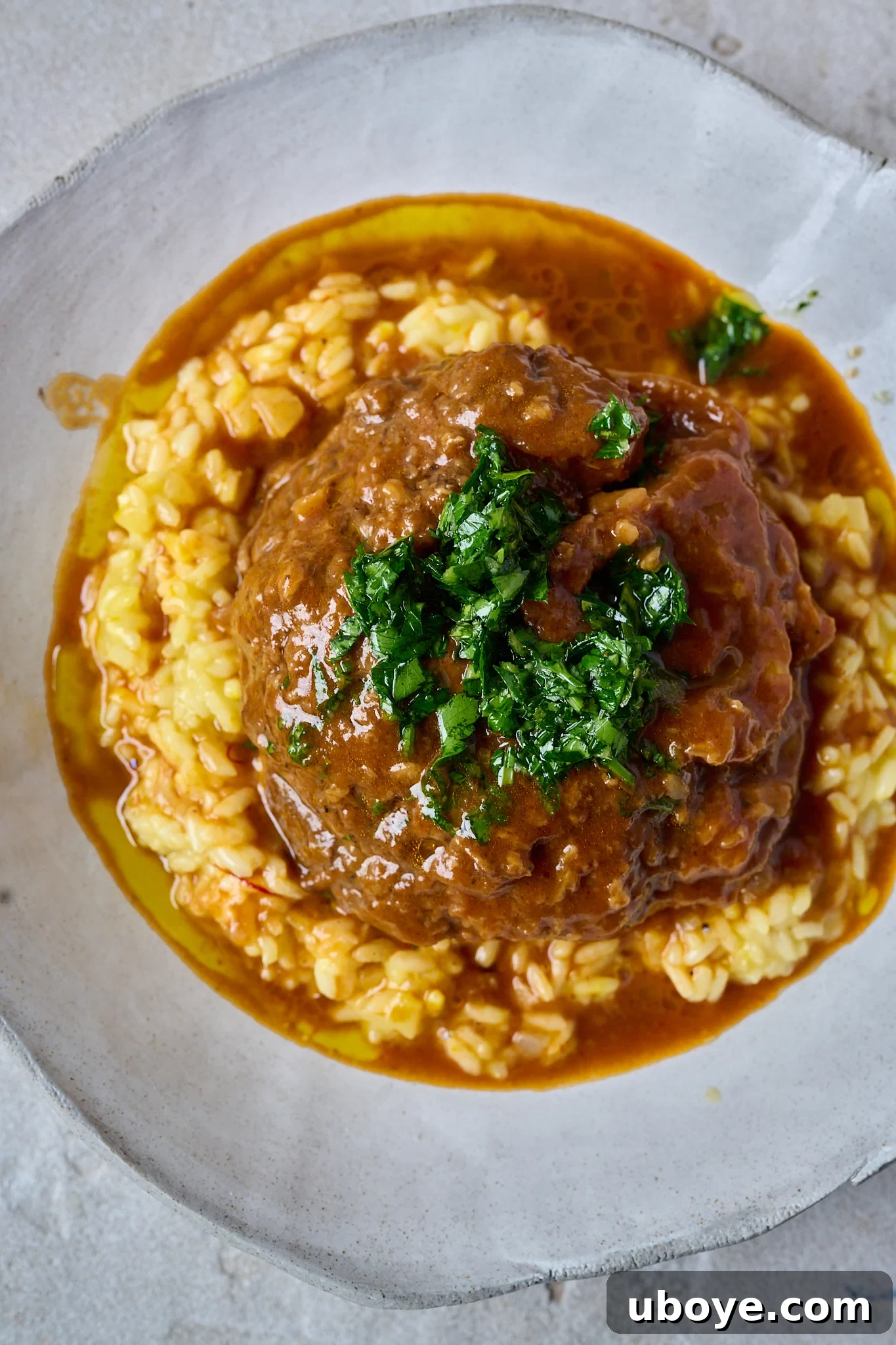
Authentic Osso Buco with Gremolata & Creamy Saffron Risotto
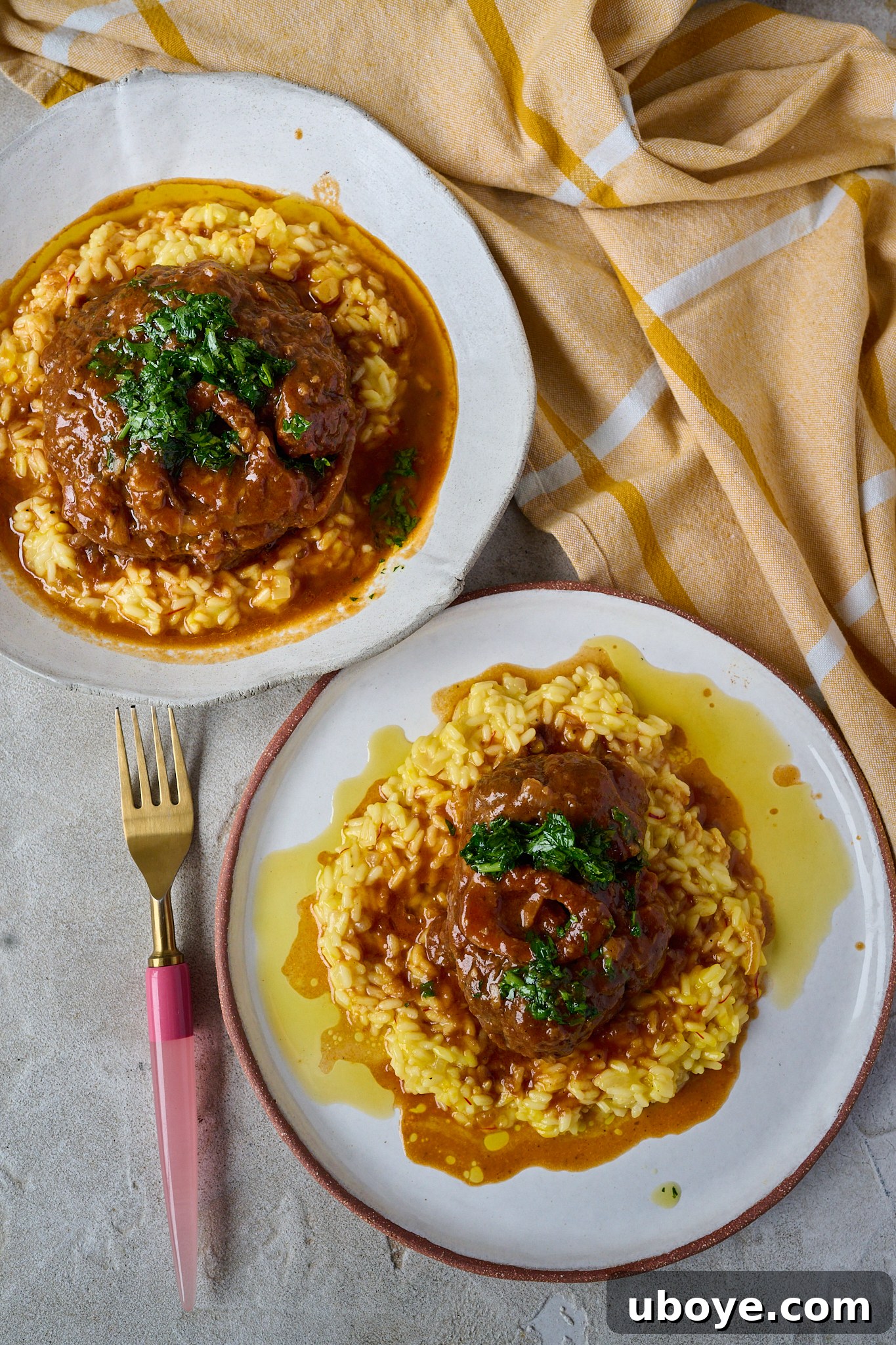
Step into the heart of Northern Italy with a dish that embodies warmth, tradition, and profound flavor: Osso Buco with Gremolata and Risotto. This iconic Milanese masterpiece is more than just a meal; it’s a culinary journey, transforming humble veal or beef shanks into an exquisite, fall-apart tender delight. Slow-cooked to perfection in a luscious red wine and tomato sauce, each bite melts in your mouth, releasing layers of savory goodness. Nestled on a golden bed of aromatic saffron risotto, the richness is then beautifully balanced by a bright, zesty gremolata – a fresh herb, garlic, and lemon topping that awakens every palate. This recipe promises not just dinner, but an unforgettable experience that feels like a loving embrace from Nonna herself.
If you cherish the deep flavors of slow-cooked comfort foods, you’ll also adore our Hearty Beef Short Rib Ragu or the succulent Slow-Roasted Lamb Souvlaki!
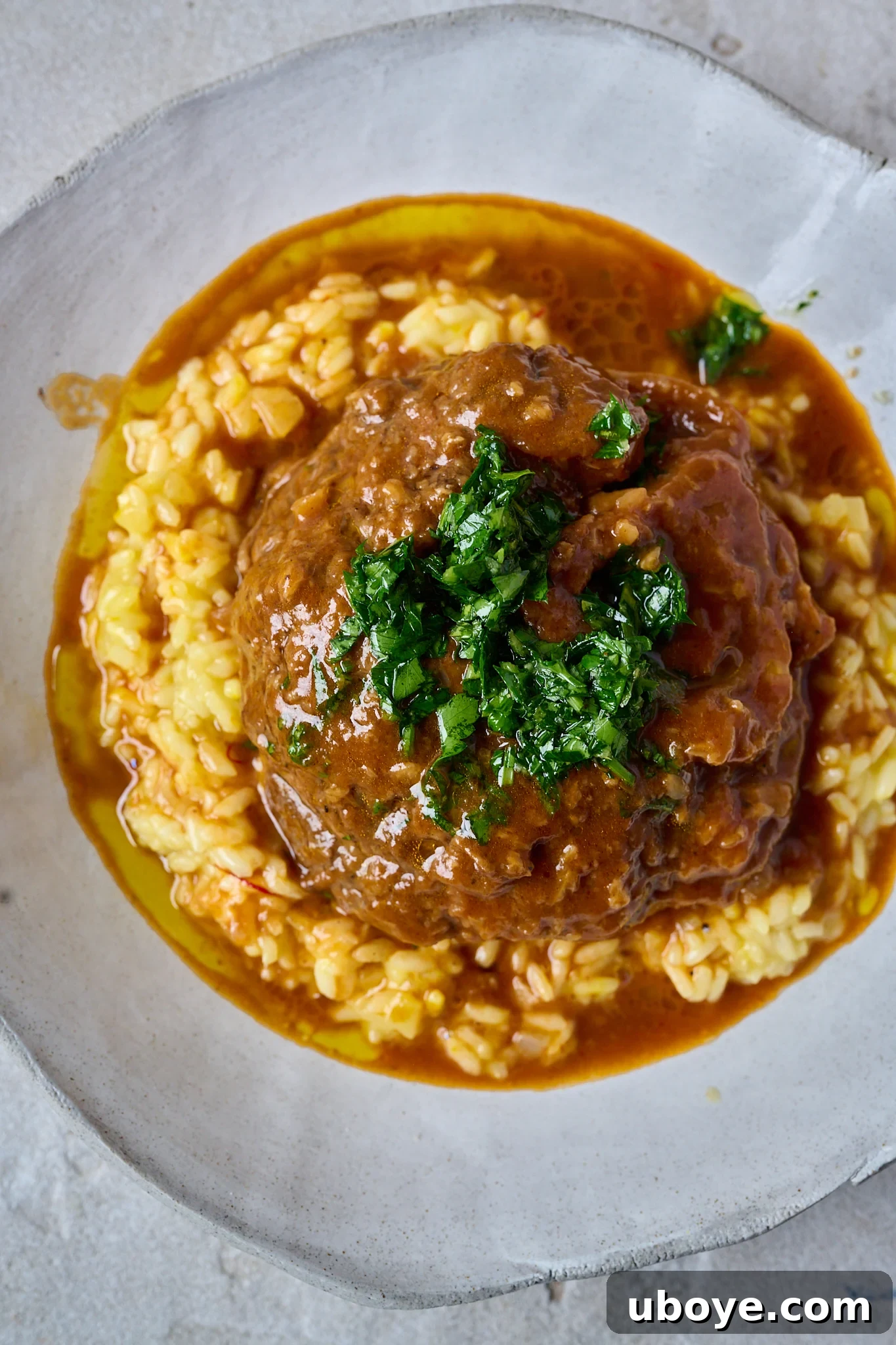
Why This Osso Buco Recipe Will Become Your New Favorite
Forget everything you think you know about complicated Italian cooking. While Osso Buco might sound intimidating, it’s a surprisingly straightforward dish that rewards patience with unparalleled flavor. This recipe is designed to guide you through each step, ensuring a perfect result every time. Imagine the rich aroma filling your kitchen as the veal shanks slowly braise, transforming into meat so tender it practically dissolves. The magic lies in the harmonious blend of robust red wine, savory beef stock, sweet tomatoes, and aromatic vegetables, creating a sauce so divine you’ll want to savor every drop.
What truly sets this dish apart is the classic accompaniment: a vibrant gremolata and creamy Saffron Risotto. The gremolata, a simple yet powerful mix of fresh parsley, bright lemon zest, and pungent garlic, provides a crucial counterpoint to the richness of the braised meat, adding a burst of freshness that elevates the entire plate. The saffron risotto, with its delicate golden hue and luxurious texture, acts as the perfect canvas, soaking up the exquisite sauce and completing this truly comforting meal.
It’s the kind of recipe that makes any occasion special, whether you’re hosting a sophisticated dinner party or simply seeking a deeply satisfying meal for a cozy Sunday evening. The effort is minimal compared to the incredible reward, and the experience of creating such a beloved Italian classic is incredibly fulfilling.
Essential Ingredients for Authentic Osso Buco
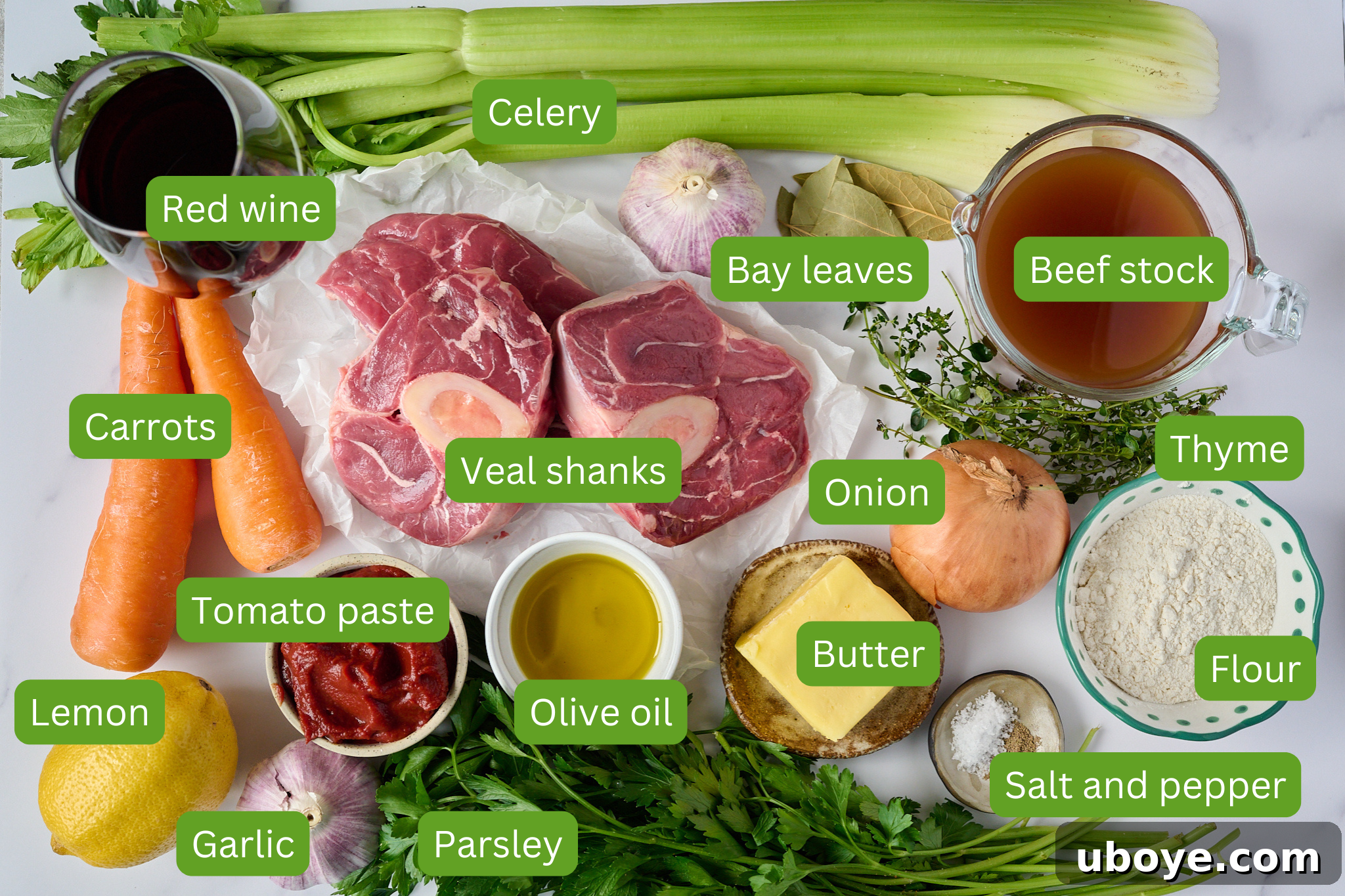
Crafting a truly exceptional Osso Buco relies on a selection of beautifully simple, yet crucial, ingredients. Each component plays a vital role in building the dish’s signature depth of flavor, culminating in a fresh, bright finish thanks to the gremolata. While there are several elements, they all work in concert to create that comforting, slow-cooked magic.
- Veal or Beef Shanks: This is the star of the show. Traditionally, Osso Buco is made with cross-cut veal shanks, known for their incredible tenderness and rich flavor once slow-cooked. The bone marrow, which melts into the sauce during braising, is a prized component, adding immense richness and a silky texture. If veal shanks are difficult to source, thick-cut beef shin or beef osso buco cuts are excellent, readily available alternatives that will still deliver that melt-in-your-mouth experience. Ensure the shanks are about 1.5 to 2 inches thick for optimal cooking.
- Red Wine: A cornerstone of any good braising liquid, red wine deglazes the pan, capturing all the delicious browned bits, and forms the aromatic base of the sauce. It contributes significant depth, acidity, and a complex fruity note. Opt for a dry red wine you would enjoy drinking, such as a Pinot Noir, Chianti, or Sangiovese. Avoid anything too sweet or heavily oaked, as these flavors can overpower the dish.
- Beef Stock: High-quality beef stock is indispensable for creating a deep, savory foundation for the braising liquid. It ensures the sauce is rich and robust, allowing the flavors to meld beautifully as the meat slowly tenderizes. A good stock enhances the overall umami and ties all the elements together.
- Aromatics (Mirepoix): Carrots, celery, and onions, often referred to as a “mirepoix,” are the aromatic trinity that provides the foundational sweetness and savory notes for the sauce. When sautéed until softened, they release their sugars and contribute greatly to the complexity of the final dish. Garlic, another key aromatic, adds its pungent, earthy warmth.
- Tomato Paste: This concentrated ingredient delivers a profound depth of tomato flavor and a beautiful reddish hue to the sauce. Cooking it briefly until it darkens intensifies its flavor, contributing to the rich, umami profile.
- Herbs (Bay Leaves & Thyme): These classic herbs infuse the sauce with a subtle, earthy, and aromatic essence, enhancing the overall profile without overpowering the delicate flavor of the veal or beef. They are essential for that traditional Italian taste.
- Flour (for dredging): A light dusting of all-purpose flour on the shanks before searing helps create a beautiful golden-brown crust, locking in moisture and adding another layer of flavor through the Maillard reaction. It also contributes to the slight thickening of the sauce as it braises.
- Butter & Olive Oil: Used for searing the meat and sautéing the vegetables, these fats add richness and help develop a deep, golden crust, crucial for flavor development. Butter is also added at the end to create a silky, emulsified sauce.
- Saffron Risotto: The quintessential accompaniment, offering a creamy texture and delicate saffron aroma that perfectly complements the rich Osso Buco. We provide a step-by-step detailed recipe for this exquisite side dish.
- Gremolata Ingredients: Fresh parsley, lemon zest, lemon juice, and minced garlic form this vibrant topping. It’s a crucial element that cuts through the richness of the Osso Buco, adding a burst of fresh, bright, and zesty notes.
A full ingredient list with exact amounts can be found in the recipe card below, ensuring you have everything you need for this culinary masterpiece.
Creative Recipe Variations & Smart Modifications
While Osso Buco is deeply rooted in tradition, it’s a wonderfully adaptable dish that allows for personal touches and dietary adjustments without sacrificing its comforting essence. Here are some simple swaps and tweaks to make this classic recipe truly your own:
- Alternate Meat Choices: Veal shanks are the traditional choice, celebrated for their delicate flavor and tender texture. However, they can sometimes be elusive or more expensive.
- Beef Shin or Osso Buco Cuts: These are fantastic and more readily available alternatives. Beef shanks offer a richer, more robust flavor profile and become incredibly tender with slow braising, delivering a melt-in-your-mouth result akin to veal.
- Lamb Shanks: For a distinctly different yet equally delicious twist, consider using lamb shanks. They will impart a slightly gamier flavor, which pairs beautifully with the rich tomato and wine sauce, creating a heartier version of the dish.
- White Wine for a Lighter Touch: The original recipe calls for red wine, which lends a deep, complex flavor to the sauce. However, a dry white wine (like Pinot Grigio or Sauvignon Blanc) can be used for a lighter, slightly brighter, and more delicate sauce. This variation often complements the freshness of the gremolata exceptionally well, making it a great option for those who prefer a less robust sauce.
- Gluten-Free Adaptation: The traditional method involves lightly dusting the shanks with all-purpose flour before searing. This step aids in developing a beautiful golden crust and helps to slightly thicken the braising liquid. To make this recipe gluten-free, simply skip the flouring step altogether. Alternatively, you can substitute regular flour with a gluten-free all-purpose flour blend, rice flour, or cornstarch. The flavor will remain intact, with only a minimal difference in the sauce’s final texture.
- Alternative Serving Bases: While creamy saffron risotto (Risotto alla Milanese) is the quintessential accompaniment for Osso Buco, there are other equally delightful options to soak up that exquisite sauce:
- Creamy Polenta: Soft, buttery polenta offers a rustic yet elegant base that provides a wonderful texture contrast and absorbs the rich sauce beautifully.
- Buttery Mashed Potatoes: A comforting bed of smooth mashed potatoes is another excellent choice, providing a familiar and satisfying foundation.
- Crusty Bread: For a simpler approach, a generous slice of warm, crusty bread is perfect for mopping up every last drop of the flavorful sauce.
How To Master Osso Buco With Gremolata & Saffron Risotto
Creating this Italian classic is a rewarding process, simpler than its impressive presentation suggests. We’ll guide you through each stage, from achieving that perfect sear on the shanks to building a deeply flavorful sauce and finishing with the essential vibrant gremolata. Remember, the detailed instructions for the creamy Saffron Risotto are available in a separate dedicated post, ensuring both components are perfect.
Chef’s Secrets for Perfect Osso Buco
Achieving restaurant-quality Osso Buco is all about attention to detail. These expert tips will help you create a dish that’s truly exceptional:
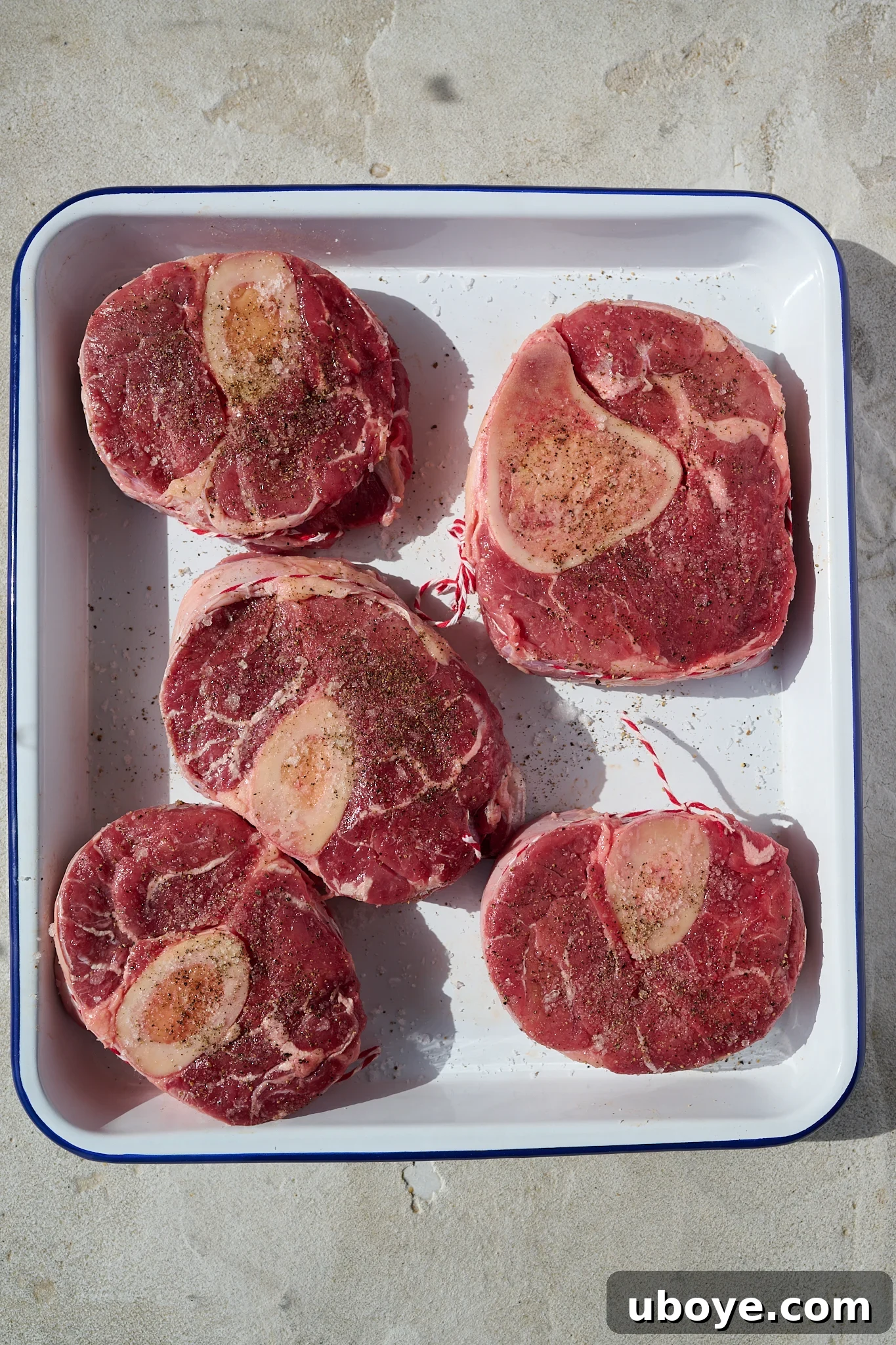
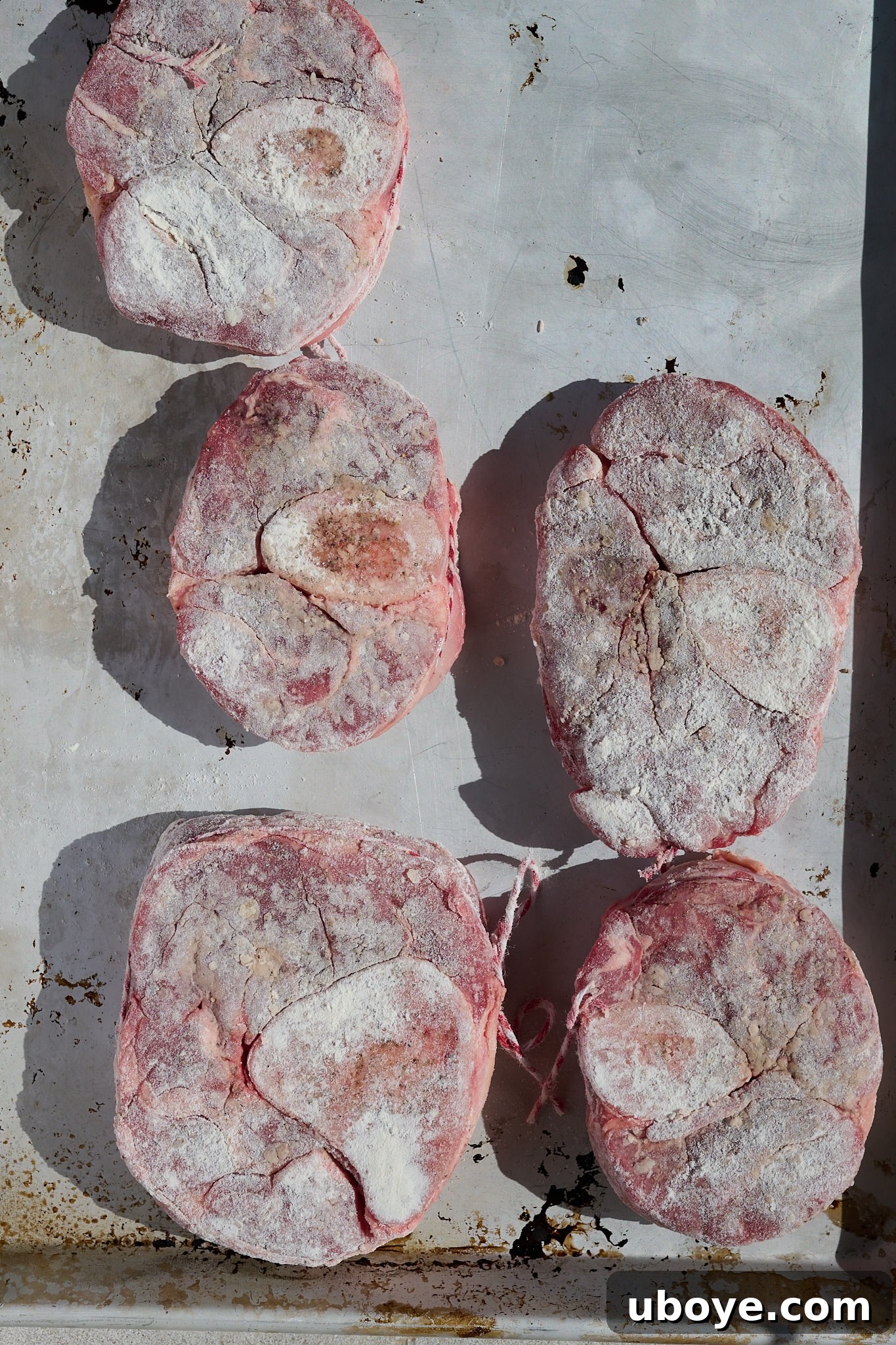
- Tie the Shanks for Uniformity: Before seasoning, use kitchen twine to tie around the circumference of each veal or beef shank. This crucial step helps the meat maintain its round, appealing shape during the long braising process, preventing it from curling and ensuring even cooking. It also makes for a more elegant presentation.
- Score Connective Tissue if Not Tying: If you don’t have kitchen twine, or prefer not to use it, make a few shallow cuts (2-3) through the connective tissue around the edges of the shanks with a sharp knife. This technique also helps prevent the meat from curling and ensures it lays flat in the pot, allowing for better searing and more consistent tenderness.
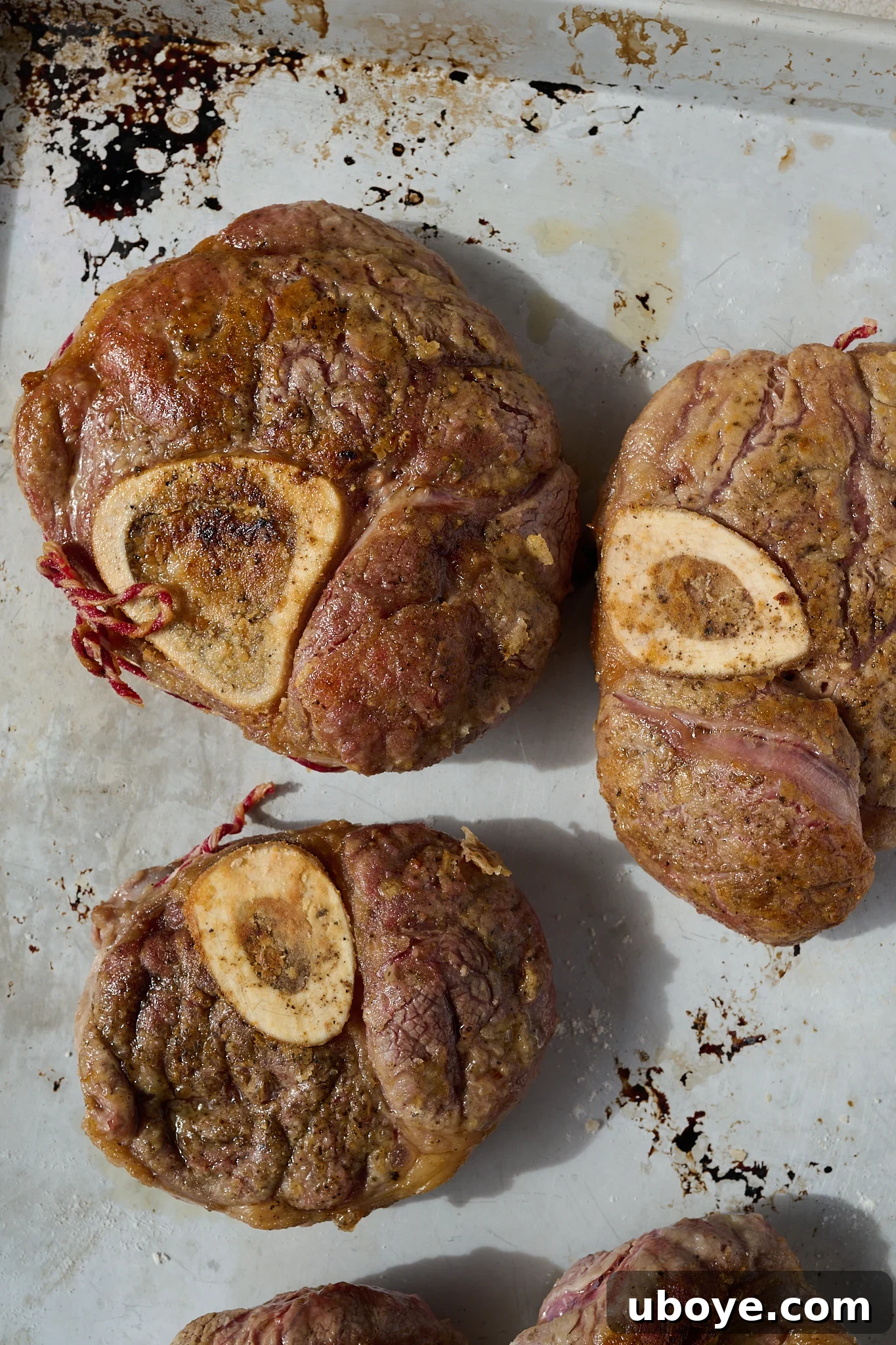
- Achieve a Deep Golden Sear: Do not rush the searing process. A deep, rich, golden-brown crust on the meat is fundamental for building complex flavors in the final dish. The Maillard reaction created during searing adds incredible depth and savory notes. Work in batches if necessary to avoid overcrowding the pan, as overcrowding can steam the meat instead of searing it. Give each side ample time to develop that beautiful crust.
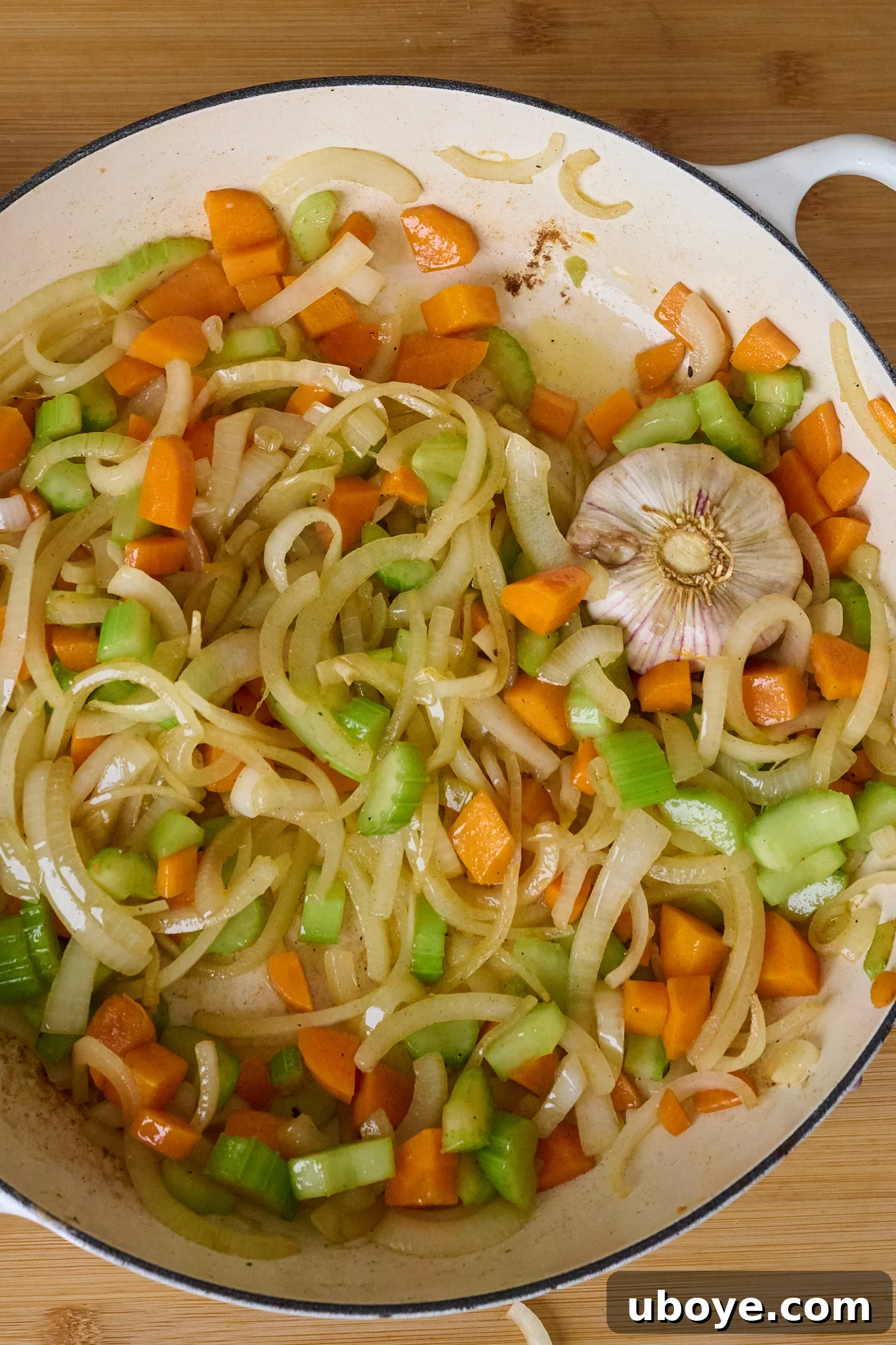
- Don’t Skimp on the Aromatics: Allow the carrots, celery, and onions to sauté slowly until they are truly softened and slightly caramelized. This process releases their natural sugars, contributing a vital layer of sweetness and depth to your braising liquid.
- Deglaze Properly: When you add the red wine, make sure to scrape up all the flavorful browned bits (fond) stuck to the bottom of the pot. These bits are packed with concentrated flavor and are essential for a rich sauce.
- Consider Straining the Sauce (Optional): For a more refined, silky-smooth sauce, you can strain the braising liquid after the meat is cooked. This removes the cooked-down vegetables and herbs, leaving you with a glossy, restaurant-quality sauce. While not strictly traditional (Nonna might prefer a rustic, unstrained sauce), it’s a wonderful extra step if you’re aiming for a more elegant presentation. Remember to squeeze out the softened garlic bulb into the strained sauce for maximum flavor!
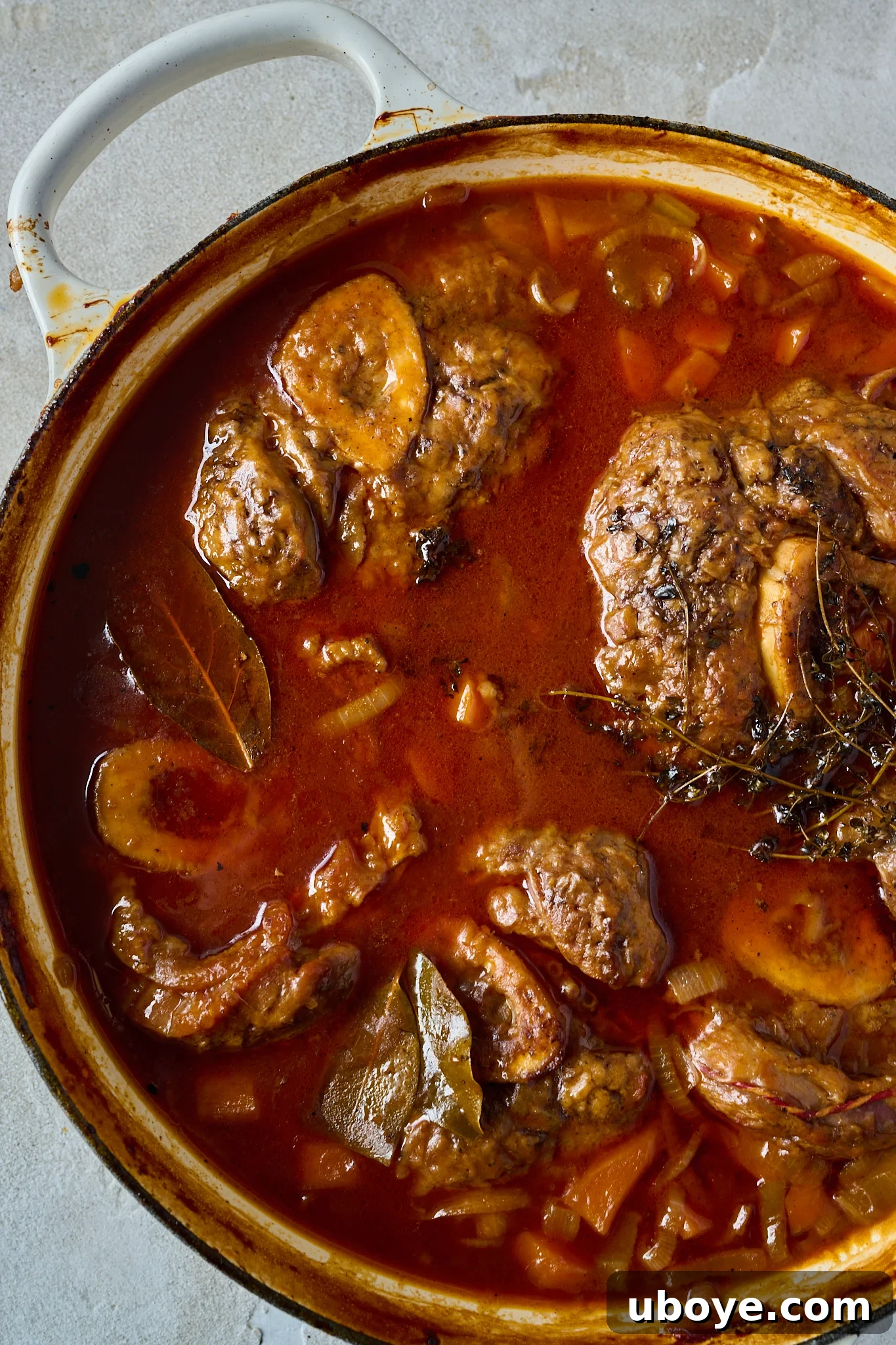
- Patience is Key for Braising: Osso Buco is a slow-cooked dish for a reason. Allow the meat ample time in the oven (2.5-3 hours) to break down its tough connective tissues and become incredibly tender. Resist the urge to rush it; low and slow is the secret to perfection.
Frequently Asked Questions About Osso Buco
Got questions about preparing this magnificent Italian dish? Here are answers to some of the most common inquiries:
What exactly is Osso Buco made of?
Osso Buco is a revered Italian dish originating from Milan. It features cross-cut veal shanks (the “osso buco” literally means “bone with a hole,” referring to the marrow in the bone) that are slow-braised in a rich, aromatic sauce. This sauce typically includes dry white wine, beef or chicken stock, tomatoes, a mirepoix of onions, carrots, and celery, along with traditional Italian herbs. It’s almost always finished with a fresh gremolata and served with saffron risotto.
Can I use beef instead of veal for Osso Buco?
Absolutely! While veal is the traditional choice, beef shin or beef osso buco cuts are fantastic substitutes and are often easier to find and more budget-friendly. When slow-cooked, beef shanks achieve a similarly tender, rich, and flavorful result. The cooking time might vary slightly, but the overall technique remains the same, delivering a deeply satisfying dish.
Is flour truly necessary in an Osso Buco recipe?
Dredging the meat in flour before searing serves two main purposes: it helps create a golden-brown crust, which adds a crucial layer of flavor, and it acts as a thickener for the sauce as it braises. However, it’s entirely optional. If you prefer to make the dish gluten-free or simply want a lighter sauce, you can skip the flour or use a gluten-free alternative like rice flour or cornstarch. The core flavors will remain, though the sauce might be slightly thinner.
What is gremolata, and why is it essential for Osso Buco?
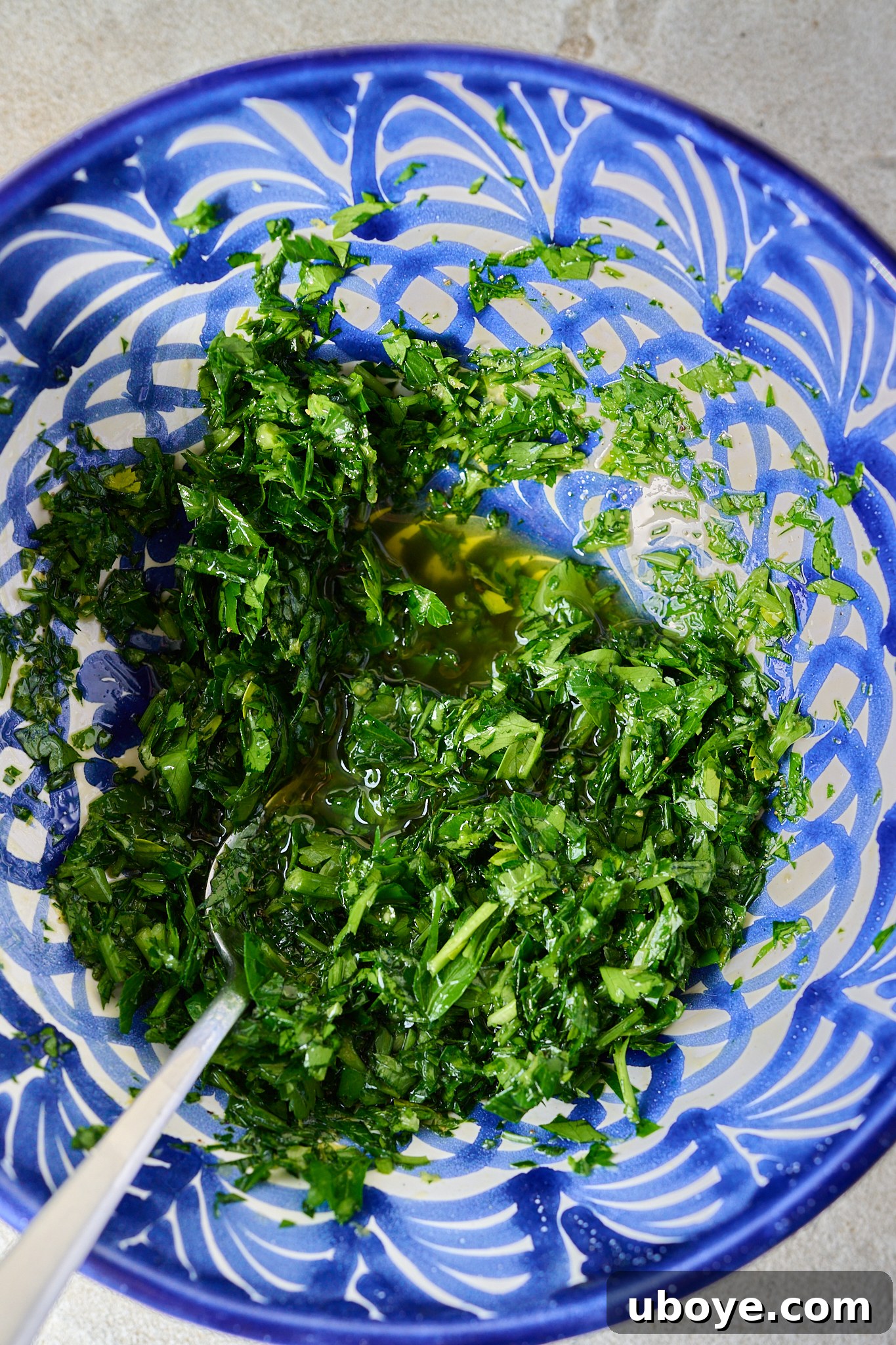
Gremolata is a vibrant, fresh condiment made from finely chopped parsley, garlic, and lemon zest. It’s sprinkled over the Osso Buco just before serving. Its role is crucial: the bright, citrusy notes of the lemon and the pungent freshness of parsley and garlic cut through the richness of the slow-braised meat and its hearty sauce. This provides a beautiful balance, preventing the dish from being too heavy and adding an invigorating burst of flavor with every bite.
What type of wine is best to use for Osso Buco?
For the most traditional and flavorful Osso Buco, a dry red wine works beautifully. Italian varieties like Chianti or Sangiovese are excellent, as is a good Pinot Noir. These wines add depth, acidity, and a robust character to the sauce. If you prefer a lighter sauce, a dry white wine like Pinot Grigio or Sauvignon Blanc can also be used, offering a slightly brighter finish that pairs well with the gremolata.
What are the traditional accompaniments for Osso Buco?
The classic and most traditional pairing for Osso Buco is Risotto alla Milanese, a creamy saffron-infused risotto that perfectly complements the rich braised meat and absorbs the sauce beautifully. Other popular choices include creamy polenta or buttery mashed potatoes, both excellent for soaking up the delicious sauce. A simple crusty bread is also a delightful option.
Can I prepare Osso Buco in a slow cooker or pressure cooker?
Yes, Osso Buco adapts exceptionally well to both slow cookers and pressure cookers (like an Instant Pot), offering convenience without compromising flavor.
- Slow Cooker: For a slow cooker, follow the initial steps of searing the meat and sautéing the vegetables on the stovetop to build flavor. Then, transfer all ingredients to your slow cooker and braise on low for 6-8 hours, or on high for 3-4 hours, until the meat is fork-tender.
- Pressure Cooker/Instant Pot: Perform the searing and sautéing steps directly in the pressure cooker (if it has a sauté function). Then, add the liquids and herbs, seal the lid, and cook on high pressure for approximately 45-50 minutes, followed by a natural pressure release. Both methods yield wonderfully tender meat and a deeply flavored sauce with reduced hands-on cooking time.
Serving Your Exquisite Osso Buco
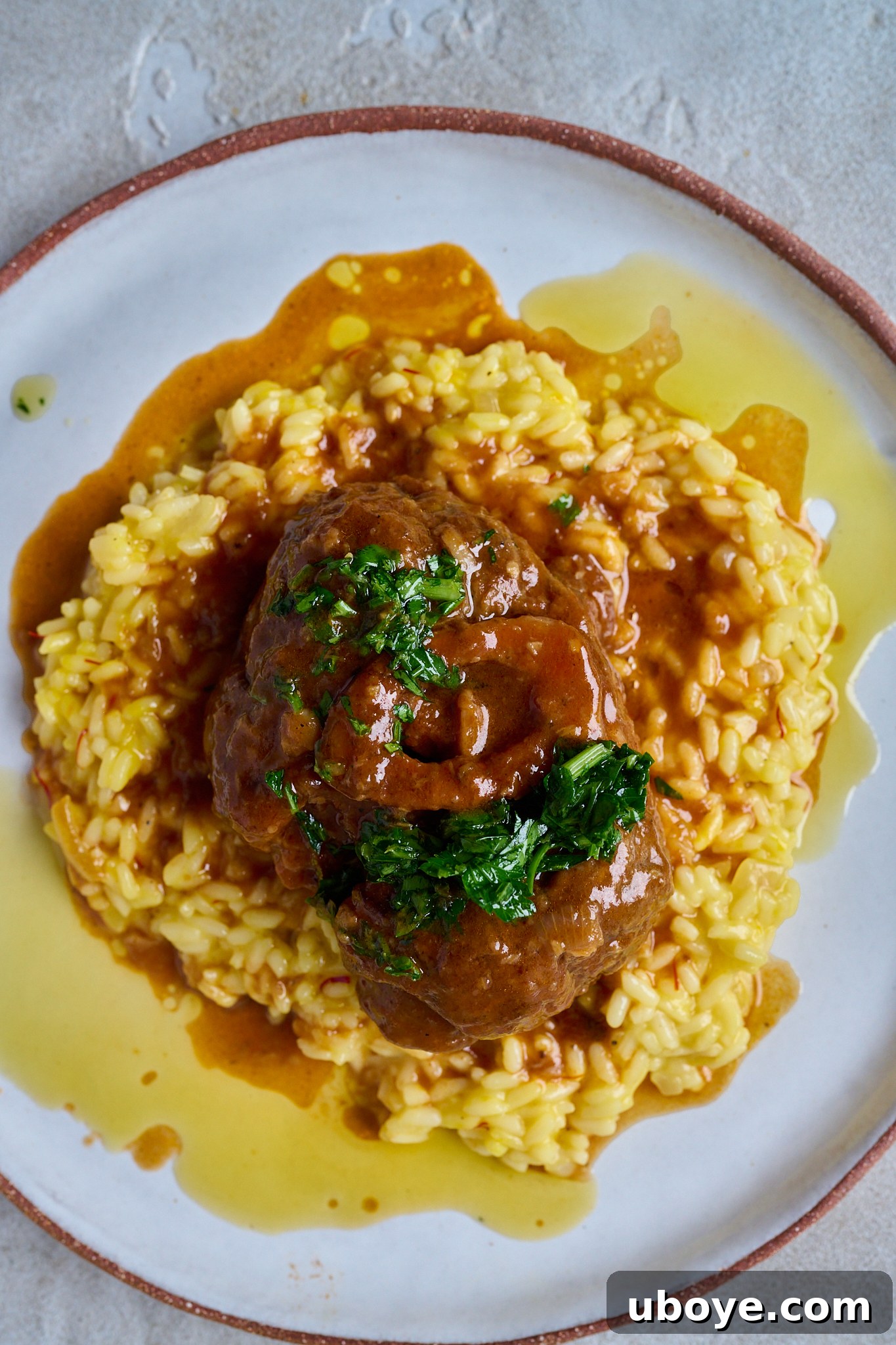
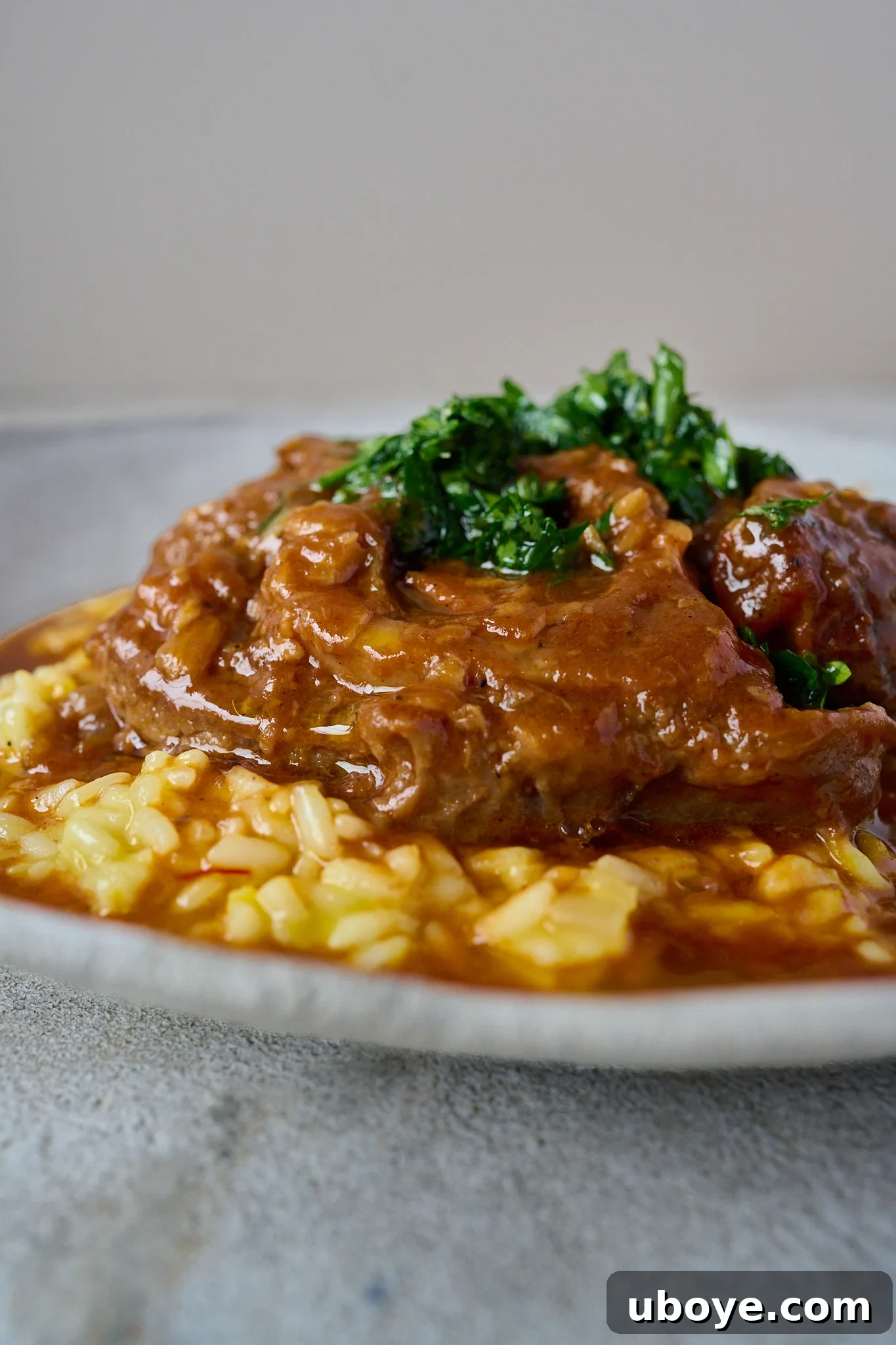
Osso Buco is a dish best enjoyed immediately after cooking, when the braised meat is at its most tender and the sauce is rich, velvety, and fragrant. The traditional and most beloved way to serve it is over a generous portion of creamy saffron risotto (Risotto alla Milanese). The risotto’s luxurious texture and delicate flavor provide the perfect foundation, absorbing every drop of the exquisite sauce and elevating the entire meal to a truly elegant experience.
However, the beauty of Osso Buco lies in its versatility. It’s equally delicious when served with other comforting bases such as a bed of buttery mashed potatoes, which offer a smooth and familiar texture, or a hearty portion of soft, creamy polenta. For a more casual yet satisfying meal, simply serve it with a thick slice of crusty Italian bread to mop up all the delectable sauce. Regardless of your choice of accompaniment, the absolute essential finishing touch is a sprinkle of fresh gremolata over the top. Its bright, zesty, and aromatic profile is the critical element that cuts through the richness of the dish, adding a burst of freshness that harmonizes all the flavors perfectly.
Storing and Reheating Osso Buco Like a Pro
One of the many wonderful qualities of Osso Buco is how beautifully it stores. In fact, like many braised dishes, the flavors often deepen and become even more profound the next day, making it a fantastic meal prep option. To store:
- Refrigeration: Allow the Osso Buco (meat and sauce together) to cool completely to room temperature. Transfer it to an airtight container and store in the refrigerator for up to 3 days.
- Freezing: For longer storage, Osso Buco freezes exceptionally well. Once cooled, place the meat and sauce in a freezer-safe airtight container or heavy-duty freezer bags. It can be stored in the freezer for up to 3 months. Thaw overnight in the refrigerator before reheating.
When it comes to reheating, gentle warmth is key to maintaining the meat’s tenderness and the sauce’s consistency:
- Stovetop: The best method is to gently warm the Osso Buco on the stovetop over low heat. Cover the pot to prevent drying and stir occasionally until the sauce is simmering and the meat is heated through.
- Oven: You can also reheat it in the oven. Place the Osso Buco in an oven-safe dish, cover it tightly with foil, and warm at 300°F (150°C) for 20-30 minutes, or until heated through.
- Adjusting Sauce Consistency: If the sauce has thickened too much during storage or reheating, simply add a splash of beef stock, red wine, or water to loosen it to your desired consistency.
Storing Gremolata: The gremolata can also be prepared in advance. Store it in an airtight container in the refrigerator for up to 5 days. The flavors of lemon zest, garlic, and parsley will continue to meld and develop, potentially becoming even more vibrant. Give it a quick stir before serving to refresh, and it’s ready to add that essential fresh burst to your reheated Osso Buco.
More Beloved Comfort Food Recipes to Explore
Meat
Slow Roasted Lamb Souvlaki
Pasta
Lasagna with Ragu and Béchamel
Meat
Beef Short Rib Ragu
Pasta
Baked Ziti
If you create this delicious Osso Buco with Gremolata and Saffron Risotto, we’d love to see your culinary masterpiece! Please tag us on Instagram, Tik Tok, or Pinterest so we can admire your wonderful creations!
Do you have any questions about this recipe or want to share your feedback? Please feel free to leave a comment below. We always enjoy answering your food and recipe-related questions and hearing your thoughts on our dishes.
Print Recipe
Osso Buco With Gremolata & Risotto
Daen Lia
10 mins
3 hrs 30 mins
5
Ingredients
Osso Buco
- 5 veal or beef osso buco, 300g / 10oz each
- 1 cup flour, white all purpose
- 2 carrots, roughly chopped
- 2 celery stalks, roughly chopped
- 2 brown onions, sliced
- 1 garlic bulb, top sliced off
- 2 tbsp olive oil, extra virgin
- 4 oz tomato paste
- 1 cup red wine
- 4 cups beef stock
- 4 bay leaves
- 3 thyme sprigs
- 3 tbsp butter
- salt and pepper
Gremolata
- 1 cup parsley leaves, finely chopped
- 1 tbsp lemon zest
- 1/4 cup lemon juice
- 1 garlic clove, minced or grated
- 1 cup olive oil, extra virgin
- salt and pepper
Saffron Risotto
- 2 tbsp olive oil, extra virgin
- 1 brown onion, finely diced
- 2 garlic cloves, finely diced
- 3 tbsp olive oil
- 1 cup Arborio rice
- 1 cup white wine
- 6 cups chicken stock
- 1 tsp saffron threads
- 3 tbsp butter
- 1/2 cup parmesan cheese, grated
- salt and pepper
Instructions
Osso Buco
-
Preheat oven: Preheat oven to 320°F / 160°C.
-
Prep meat: Tightly tie butchers string around the shanks. Season both sides of the shanks with a generous amount of salt and pepper. Lay the flour onto a baking tray and coat both sides of the shanks in flour, tapping off any excess flour.
-
Cook meat: In a large heavy based pot, that is also oven safe, on a medium – high heat, bring the olive oil to heat. Sear each side of the veal for 2 – 3 minutes or until golden and brown. Remove from the pot.
-
Cook aromatics & bake: Turn the heat to low – medium. In the same pan, add the carrots, celery, onion and garlic bulb and cook for 8 – 10 minutes or until softened and sweet. Turn the heat to high and add the tomato paste. Cook for 2 minutes or until deep red and almost sticking to the bottom of the pan. Deglaze the pot with the red wine and cook for 2 minutes or until most of the wine has been absorbed by the vegetables. Turn the heat to medium. Add the meat back into the pot and cover with beef stock. Add the bay leaves and thyme and season with salt and pepper. Cover and bake in the oven for 2.5 – 3 hours or until the beef is tender and falling apart.
-
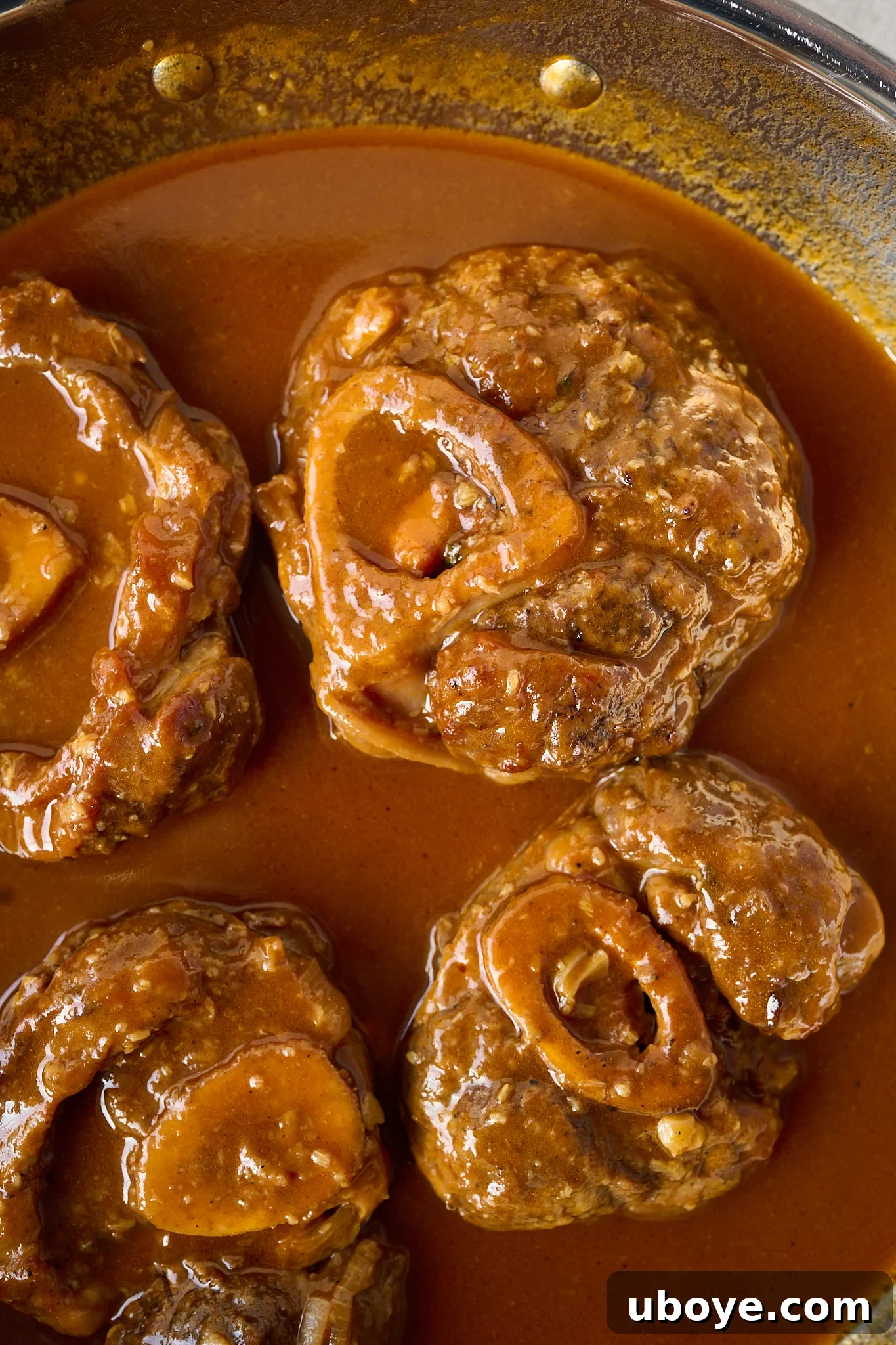
Finish sauce: Carefully remove the osso buco and garlic from the pot. They will be super tender and may fall apart if not handled gently! Place them onto a plate. Through a fine mesh strainer placed over a bowl, strain the sauce. Transfer the sauce to a large frypan. On a medium heat, bring the sauce to a gentle simmer. Squeeze out the garlic cloves into the sauce and stir through. Add the butter and stir through. Cook for 5 minutes or until the sauce has slightly thickened and is silky and smooth. Turn the heat to low.
-
Baste: Return the osso buco to the sauce and baste with the sauce for several minutes.
-
Serve: Serve immediately on a bed of saffron risotto and with the gremolata spooned over the top.
Saffron Risotto
-
Fry aromatics: In a large fry pan on a medium heat, bring the olive oil to heat. Add the onion and garlic and fry for 2 minutes or until softened and fragrant.
-
Toast rice: Add the rice and cook for 2 minutes or until the rice turns opaque. Add in the wine and keep stirring with the rice until all of the wine has been absorbed by the rice.
-
Add stock: Reduce the heat to medium. One cup at a time, add in the chicken stock and stir through until all the stock is absorbed. Repeat this step 5 more times until you have used up all of your stock. Your rice will start to become plump as it continues to cook and absorb the stock. It should take roughly 25 minutes to cook. When you have added your last cup of stock you want only 80% of the liquid to be absorbed.
-
Saffron: Add the saffron threads to the rice and stir through until the rice turns a rich yellow colour.
-
Butter and cheese: Turn the heat off and stir through the butter and cheese until you have a silky and glossy texture. Season with salt and pepper.
Gremolata
-
Combine: Add all ingredients into a large bowl and stir through until well combined. Season with a pinch of salt and pepper.
Notes
- Tie the shanks with kitchen twine: This helps the meat hold its shape and prevents it from curling during the long, slow braise. It also makes for a neater presentation.
- Make shallow cuts in the meat: If you don’t have twine, use a sharp knife to make 2–3 small slices through the connective tissue around the edge of the shanks. This also helps stop them from curling as they cook.
- Sear the meat properly: Take the time to get a deep, golden crust on the meat before braising. This adds so much flavour to the final dish and helps build a richer sauce. Don’t overcrowd the pan—work in batches if needed.
- Strain the sauce for a silky finish: For a more refined version, you can strain the sauce after braising to remove the vegetables and herbs, leaving you with a smooth, glossy finish. This isn’t how Nonna would make it—but if you’re going for something a little more restaurant-style, it’s a great extra step. Totally optional, so skip it if you prefer a more rustic feel.
- Veal or beef: Veal shanks are traditional, but they’re not always easy to find. Beef shin or beef osso buco cuts are fantastic substitutes and still give that melt-in-your-mouth result.
Nutrition
Calories: 1237 kcal | Carbohydrates: 82g | Protein: 23g | Fat: 84g | Saturated Fat: 20g | Polyunsaturated Fat: 8g | Monounsaturated Fat: 53g | Trans Fat: 1g | Cholesterol: 52mg | Sodium: 1288mg | Potassium: 1338mg | Fiber: 5g | Sugar: 14g | Vitamin A: 6000IU | Vitamin C: 36mg | Calcium: 220mg | Iron: 7mg
Nutrition information is automatically calculated, so should only be used as an approximation.
 Like this? Leave a comment below!