
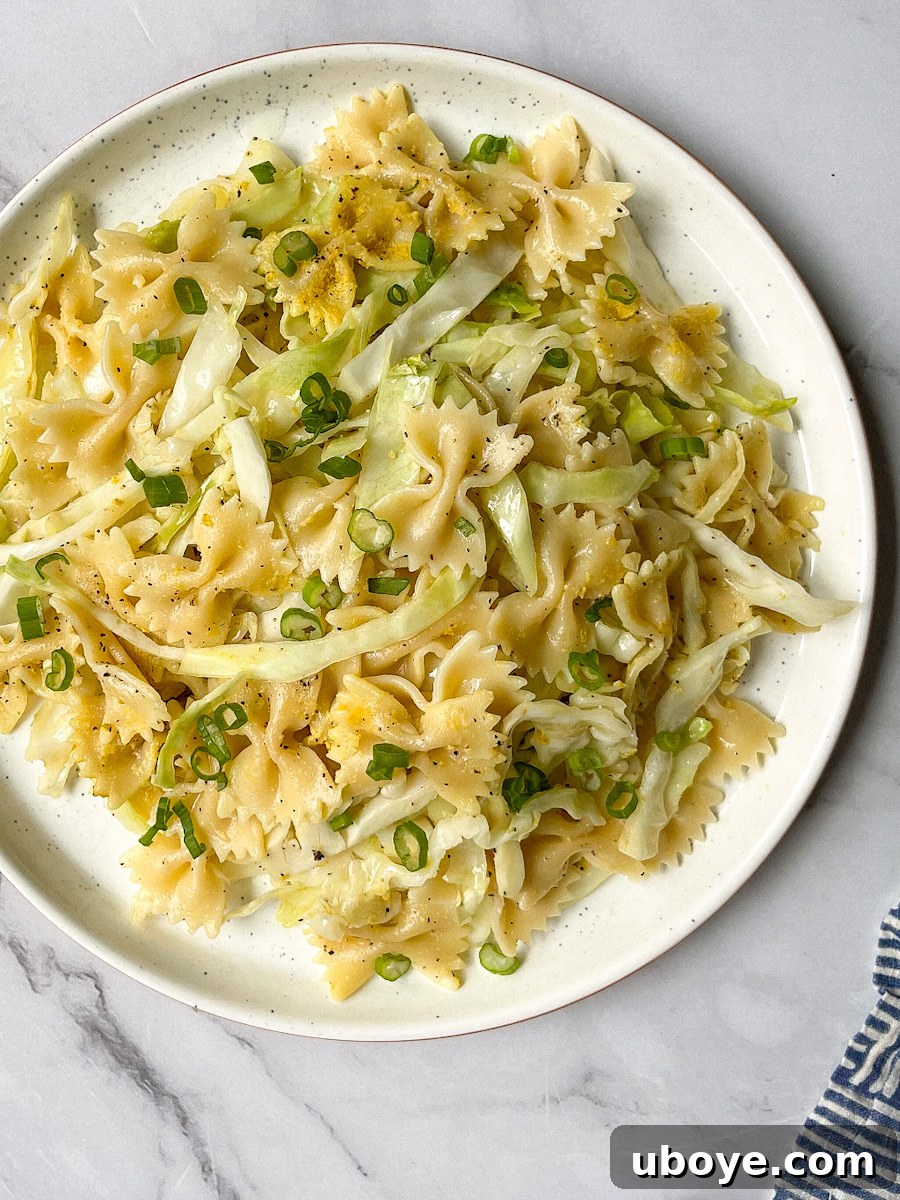
Embark on a culinary journey to the heart of comfort food with our exquisite Polish-Style Cabbage and Noodles recipe. This simple yet profoundly satisfying pasta dish, often recognized by its traditional name Haluski, requires just a handful of wholesome ingredients to create a meal that truly warms the soul. For me, this dish evokes cherished memories of high school days, when my boyfriend’s mom would lovingly prepare this comforting cabbage pasta for us. It has since remained a timeless favorite, a beacon of home-cooked goodness that I eagerly revisit time and again. If you’re a devotee of classic buttered noodles, get ready to discover your new obsession – this plant-based cabbage pasta masterpiece is destined to be right up your alley!
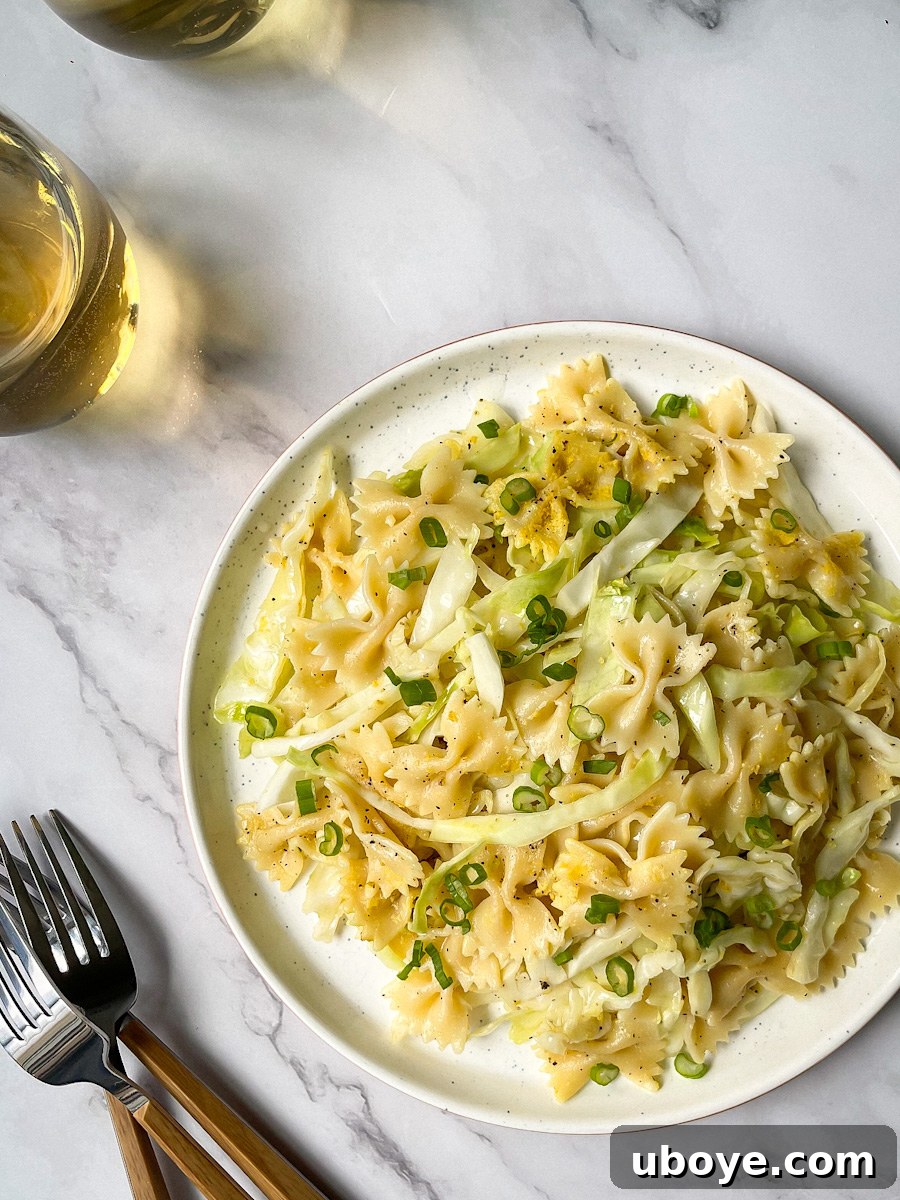
Cabbage, often overlooked in the culinary world, is truly an unsung hero of the vegetable kingdom. I find myself constantly seeking new cabbage recipes, eager to highlight its incredible versatility and nutrient-rich profile. This cruciferous powerhouse can transform into a myriad of delightful dishes, from this effortless simple roasted cabbage recipe that brings out its natural sweetness, to elaborate preparations like these incredible Vegan Cabbage Rolls, perfect for special occasions. However, it’s when sautéed and paired with pasta, as in this recipe, that cabbage truly shines. Its earthy, slightly sweet flavor develops beautifully, creating a hearty base that even the most vegetable-skeptical eaters find utterly irresistible. This dish is a testament to cabbage’s ability to elevate a simple meal into something truly extraordinary.
Polish-Style vs. Traditional Polish Food: A Plant-Based Homage
My appreciation for traditional Polish cuisine runs deep. The rich flavors and comforting textures of dishes like Pierogis and Haluski (the authentic Polish name for Cabbage and Noodles) are legendary for good reason. These classics have graced tables for generations, offering warmth and satisfaction. This particular recipe is my loving plant-based interpretation of traditional Haluski, carefully crafted to capture its essence while adhering to a vegan lifestyle. While the core spirit of the dish remains faithful to its roots, there are a few thoughtful distinctions.
The primary deviation lies in my choice of fat. Traditional Haluski often relies heavily on butter, sometimes paired with bacon or other animal fats, to achieve its characteristic richness. In my plant-based rendition, I opt for high-quality olive oil. Not only does olive oil provide a delicious, slightly peppery flavor, but it also allows for a lighter yet equally satisfying result. It’s crucial to note that the salt content in this recipe has been adjusted to account for the absence of salted butter, ensuring a perfectly balanced seasoning. Furthermore, I enhance this Polish-inspired noodle dish with a generous sprinkle of vegan parmesan cheese. This addition introduces an incredible layer of salty, umami-rich, and subtly cheesy goodness that instantly brings to mind another beloved comfort food: simple buttered noodles with parmesan. This fusion of classic and contemporary elements results in a truly delicious and uniquely satisfying meal.
The outcome is a delightful Polish-inspired noodle dish that epitomizes ease, comfort, and flavorful simplicity. It’s the perfect candidate for a stress-free weeknight supper, offering a hearty and wholesome meal without compromising on taste or tradition.
Why This Vegan Cabbage Pasta is a Must-Try
Beyond its nostalgic appeal and delightful flavors, this Polish-style Cabbage and Noodles recipe offers a multitude of benefits that make it a staple in any kitchen:
- Incredibly Simple & Quick: With a prep time of just 10 minutes and a cook time of 20 minutes, this meal comes together swiftly, making it ideal for busy weeknights.
- Budget-Friendly: Cabbage and noodles are economical ingredients, allowing you to create a satisfying family meal without breaking the bank.
- Nutrient-Dense: Cabbage is packed with vitamins C and K, fiber, and antioxidants, making this dish a healthy addition to your diet. The optional tofu adds a complete plant-based protein boost.
- Remarkably Flavorful: The combination of caramelized onions, tender cabbage, aromatic garlic, and savory vegan parmesan creates a depth of flavor that belies its simplicity.
- Comfort Food Redefined: It offers all the warmth and satisfaction of traditional comfort food, thoughtfully adapted to be plant-based and accessible to everyone.
- Highly Customizable: While perfect as is, this recipe serves as a fantastic canvas for additional vegetables, herbs, or spices based on your preferences.
How to Make Polish-Style Cabbage and Noodles: A Step-by-Step Guide
The complete recipe, with precise measurements and detailed instructions, is provided in the recipe card below. However, here’s a quick overview to guide you through the process and ensure a perfect outcome:
Step 1: Building the Flavorful Base – Sautéing Onions and Cabbage
Begin by heating the olive oil in a large, sturdy frying pan over medium-high heat. Add your sliced onions and chopped cabbage, along with a generous amount of salt and black pepper. It might initially seem like you’re using more oil and salt than necessary for just the vegetables, but this is a critical step! This generous seasoning is essential for creating the rich, flavorful “sauce” that will coat the entire dish later on. The salt works wonders, drawing out the natural, sweet juices from the onions and cabbage as they cook. These savory juices will then mingle beautifully with the olive oil, forming a deeply aromatic and delicious base for your pasta. Sauté the vegetables for about 20 minutes, stirring occasionally, until they become wonderfully tender and slightly caramelized. In the final two minutes of cooking, stir in the garlic granules, allowing their fragrance to bloom and infuse the mixture.
Step 2: Preparing the Pasta and Baked Tofu
While your cabbage and onions are happily sautéing, multitask by getting your other components ready. Bring a large pot of salted water to a rolling boil for your noodles. Simultaneously, prepare your tofu. If using, chop a block of firm tofu into bite-sized pieces, then gently press out any excess moisture with a clean towel. This crucial step ensures the tofu achieves a wonderfully crispy texture when baked. Toss the dried tofu pieces with olive oil, garlic granules, and dried oregano, along with a pinch of salt and pepper. Spread the seasoned tofu in an even layer on a baking sheet and bake in a preheated oven (around 400°F or 200°C) for about 15 minutes, or until golden brown and slightly crispy. Once baked, set the tofu aside. Finally, once the water is boiling, add your chosen pasta and cook according to package directions, aiming for al dente, which is typically around 10 minutes.
Step 3: Combining and Serving Your Comforting Meal
Once your pasta is cooked, drain it thoroughly, reserving a small amount of pasta water if desired (though typically not needed for this recipe). Return the drained pasta to the large pot, and then add the sautéed cabbage and onions mixture. Sprinkle in the vegan parmesan cheese. Toss all the ingredients together vigorously over very low heat for about a minute, ensuring every noodle and piece of cabbage is beautifully coated in that rich, savory sauce. The residual heat will help the parmesan melt slightly and bind everything together. Once thoroughly combined, ladle generous portions into individual bowls. Top each serving with the freshly baked, herby tofu pieces. For an extra touch of indulgence and flavor, sprinkle with additional vegan parmesan before serving. Enjoy this deeply comforting and satisfying plant-based meal immediately!
What Type of Pasta is Best for Cabbage Pasta?
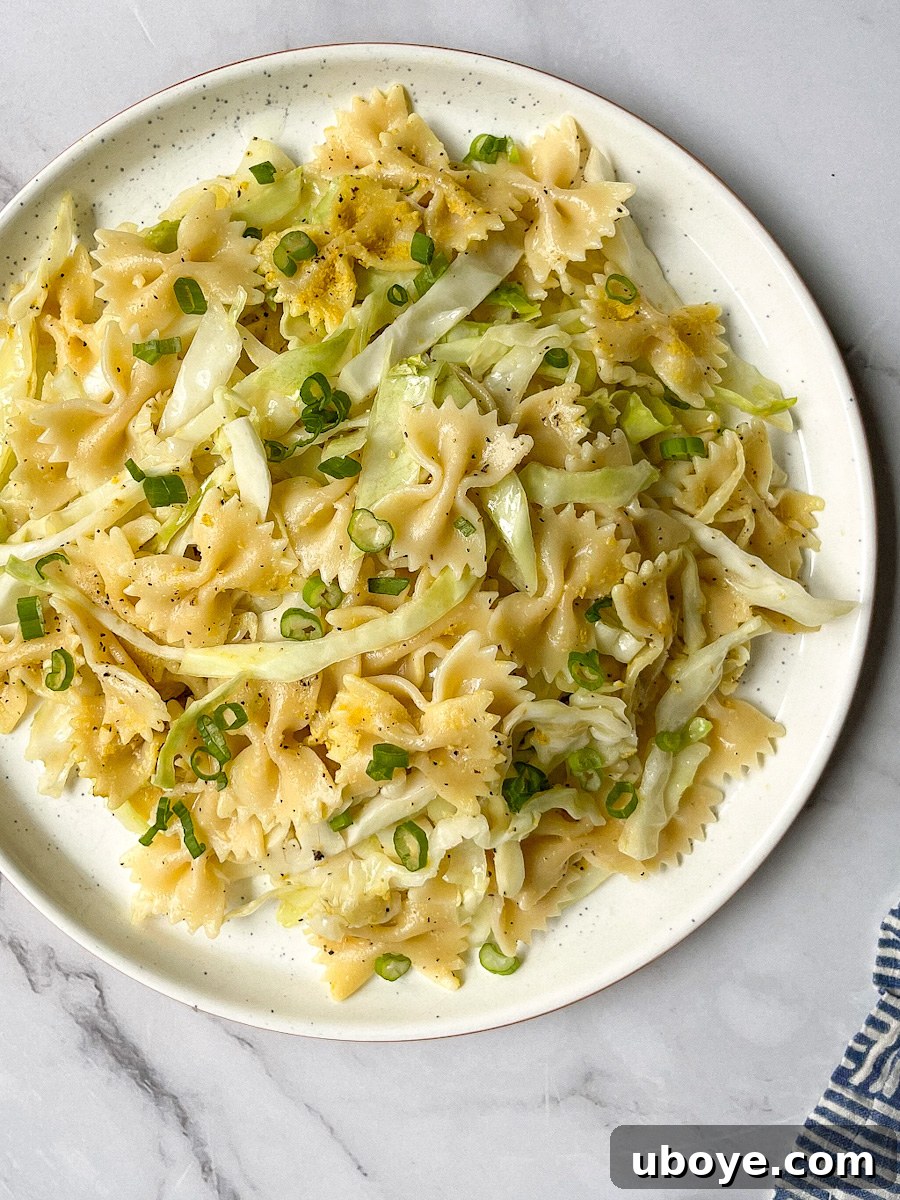
The choice of pasta can significantly influence the texture and overall experience of this dish. My high school boyfriend’s mom often made this Haluski with either homemade noodles, which added a rustic charm, or classic Bow Tie Pasta, also known as Farfalle. I’ve found that most short pasta shapes work exceptionally well, as their nooks and crannies are perfect for capturing the flavorful cabbage and onion sauce. My personal favorites and usual go-to options include bow ties, shells (conchiglie), or Fusilli pasta. These shapes offer a satisfying bite and ensure that every mouthful is packed with flavor. You could also experiment with elbow macaroni, orecchiette, or even wider egg noodles for a more traditional feel. The key is to choose a shape that provides a good textural contrast and effectively holds the delicious vegetable medley.
What to Serve with Cabbage and Noodles for a Complete Meal
While this hearty pasta dish can certainly hold its own as a robust side dish, I genuinely prefer to elevate it to the main event. To create a well-balanced and satisfying plant-based dinner, I love incorporating some form of plant protein. My go-to is often baked tofu, as detailed in the recipe. Simply pressing and cubing a block of firm tofu, sprinkling it with garlic powder, dried oregano, salt, and pepper, then baking it until beautifully golden brown and slightly crispy around the edges, adds a fantastic textural contrast and boosts the protein content. Serving these savory tofu pieces directly on top of the pasta ensures a complete and nourishing meal.
However, the versatility of this dish allows for other delightful pairings:
- Crusty Bread: A warm, crusty loaf of bread is perfect for soaking up any leftover savory sauce.
- Simple Green Salad: A light, refreshing green salad with a vinaigrette dressing provides a lovely counterpoint to the richness of the pasta.
- Roasted Vegetables: Other roasted root vegetables like carrots or parsnips could complement the flavors beautifully.
- Vegan Sausage: For an extra layer of flavor and protein, consider slicing and sautéing your favorite vegan sausage and adding it to the mix, or serving it alongside.
Tips for Success & Variations
Achieving the perfect Polish-Style Cabbage and Noodles is simple with a few helpful tips:
- Don’t Rush the Sauté: The key to deep flavor is allowing the onions and cabbage to truly soften and caramelize. Don’t skimp on the cooking time for this step.
- Proper Seasoning: Taste and adjust! The initial salt in the vegetables is crucial for drawing out moisture and creating flavor. You can always add more salt and pepper at the end.
- Al Dente Pasta: Cook your pasta until it’s al dente – firm to the bite. It will continue to cook slightly when tossed with the hot cabbage mixture.
- Cabbage Variations: While green cabbage is traditional, you can experiment with savoy cabbage for a slightly different texture.
- Add a Touch of Sweetness: Some traditional Haluski recipes include a pinch of sugar to balance the savory flavors. A teaspoon of brown sugar added with the cabbage can enhance its sweetness.
- Smoky Flavor: For a deeper, smoky note (mimicking bacon in traditional Haluski), a dash of liquid smoke or smoked paprika can be added to the cabbage while it cooks.
- Herb Power: Fresh dill or parsley sprinkled over the top before serving adds a wonderful burst of freshness.
Storage and Reheating Instructions
This Cabbage and Noodles dish makes for excellent leftovers!
- Storage: Store any leftover pasta in an airtight container in the refrigerator for up to 3-4 days. Store the baked tofu separately if you want to maintain its crispiness.
- Reheating: Reheat the pasta gently in a pan over medium-low heat, adding a splash of vegetable broth or water to loosen it up and prevent it from drying out. You can also reheat it in the microwave. If reheating tofu, a toaster oven or air fryer will help restore its crisp texture.
Frequently Asked Questions (FAQ)
Here are some common questions about making Polish-Style Cabbage and Noodles:
- Can I use different types of cabbage? While green cabbage is traditional, you can certainly experiment. Savoy cabbage offers a slightly softer texture when cooked, and red cabbage would add a beautiful color but also a slightly different flavor profile.
- Is this recipe gluten-free? No, as written it uses wheat pasta. However, you can easily make it gluten-free by using your favorite gluten-free short pasta. All other ingredients are naturally gluten-free.
- Can I add other vegetables? Absolutely! Sliced mushrooms, bell peppers, or even grated carrots would be delicious additions. Add them to the pan with the cabbage and onions for extra flavor and nutrients.
- What if I don’t have vegan parmesan? While vegan parmesan adds a lovely umami depth, the dish is still delicious without it. You could sprinkle nutritional yeast for a cheesy flavor, or simply omit it.
- Can I make this dish ahead of time? This dish is best enjoyed fresh, as pasta can absorb the sauce and become softer over time. However, the cabbage and onion mixture can be prepared a day in advance and stored in the refrigerator, making assembly even quicker.
Looking for More Noodle Recipes? Explore These Favorites!
If you’ve fallen in love with the comforting simplicity of this cabbage pasta, you’ll be thrilled to discover more easy and delicious noodle recipes from our archives. Perfect for quick weeknight dinners or satisfying weekend meals, these recipes showcase the incredible versatility of pasta and noodles:
- 10 Minute Peanut Noodles: A lightning-fast, flavor-packed dish with a rich, nutty sauce and crisp vegetables.
- Plant-Based Hamburger Helper: A nostalgic, hearty one-pan meal reimagined with wholesome plant-based ingredients.
- Creamy Sun-Dried Tomato Pasta: Indulge in a luxurious, creamy pasta dish featuring the intense flavor of sun-dried tomatoes.
- Cajun Pasta with Sausage and Peppers: Bring the vibrant, spicy flavors of Louisiana to your kitchen with this exciting pasta recipe.
Polish Cabbage and Noodles
Rate Recipe
Print Recipe
Ingredients
Cabbage Pasta
- 1 lb short pasta, such as bow ties or shells
- ½ cup olive oil
- 1 large green cabbage
- 1 large yellow onion
- 3 tsp kosher salt
- 2 tsp black pepper
- 1 tsp garlic granules
- ½ cup vegan parmesan, plus more for serving, such as VioLife
Baked Tofu
- 1 block firm tofu
- 1 tbsp olive oil
- ¼ tsp kosher salt
- ¼ tsp black pepper
- ½ tsp dried oregano
- ½ tsp garlic granules
Instructions
Prep
-
Start by thinly slicing the onion, then set aside.
Next, carefully remove the tough outer leaves of the green cabbage. Quarter the cabbage and remove the hard core. Then thinly slice the cabbage into ribbons or bite-sized pieces and set aside.
Finish prepping by pre-heating your oven to 400 degrees Fahrenheit (200°C) for baking the tofu.
Sauté the Veggies
-
Add the ½ cup of olive oil to a large, heavy-bottomed frying pan or Dutch oven and set the heat to medium-high. Once hot, add the sliced onions, chopped cabbage, 3 teaspoons of kosher salt, and 2 teaspoons of black pepper. Cook for 5 minutes, stirring to combine. Then reduce the heat to medium-low and continue to cook for another 15 minutes, stirring occasionally, until the cabbage is very tender and slightly caramelized. In the last two minutes of cooking, sprinkle in the 1 teaspoon of garlic granules and mix well to incorporate.
-
👩🏻🍳 Tip: Remember that the amount of oil and salt used here is intentional. This forms the foundational “sauce” for the entire dish. The salt helps draw out the flavorful liquids from the onions and cabbage, which then combine with the olive oil to create a rich coating for the pasta. Do not reduce these amounts if you want the full flavor effect.
Bake the Tofu
-
While the cabbage is cooking, prepare the tofu. Chop the block of firm tofu into small, bite-sized pieces (about ½-inch cubes) and pat them very dry with a clean kitchen towel or paper towels. This step is crucial for crispy tofu! Place the dried tofu on a baking sheet. Drizzle with 1 tablespoon of olive oil, then sprinkle with ¼ teaspoon kosher salt, ¼ teaspoon black pepper, ½ teaspoon dried oregano, and ½ teaspoon garlic granules. Toss everything gently to ensure the tofu pieces are evenly coated.
Spread the seasoned tofu into an even single layer on the baking sheet and bake in the preheated oven for 15 minutes, or until golden brown and slightly firm.
Cook the Pasta
-
Once your pot of water is boiling vigorously, add your chosen short pasta. Stir immediately to prevent sticking and cook for approximately 10 minutes, or according to package instructions, until the pasta is al dente (firm to the bite).
Combine and Serve
-
Carefully drain the water from the cooked pasta and add the noodles back into the large pot. Add the sautéed cabbage and onion mixture, along with ½ cup of vegan parmesan cheese. Mix well to combine all ingredients thoroughly over low heat for just 1 minute. This allows the flavors to meld and the parmesan to slightly melt.
Serve the Polish-Style Cabbage and Noodles immediately in warm bowls, topping each serving with the crispy baked tofu. Sprinkle with more vegan parmesan cheese if desired. Enjoy this hearty and comforting meal!