
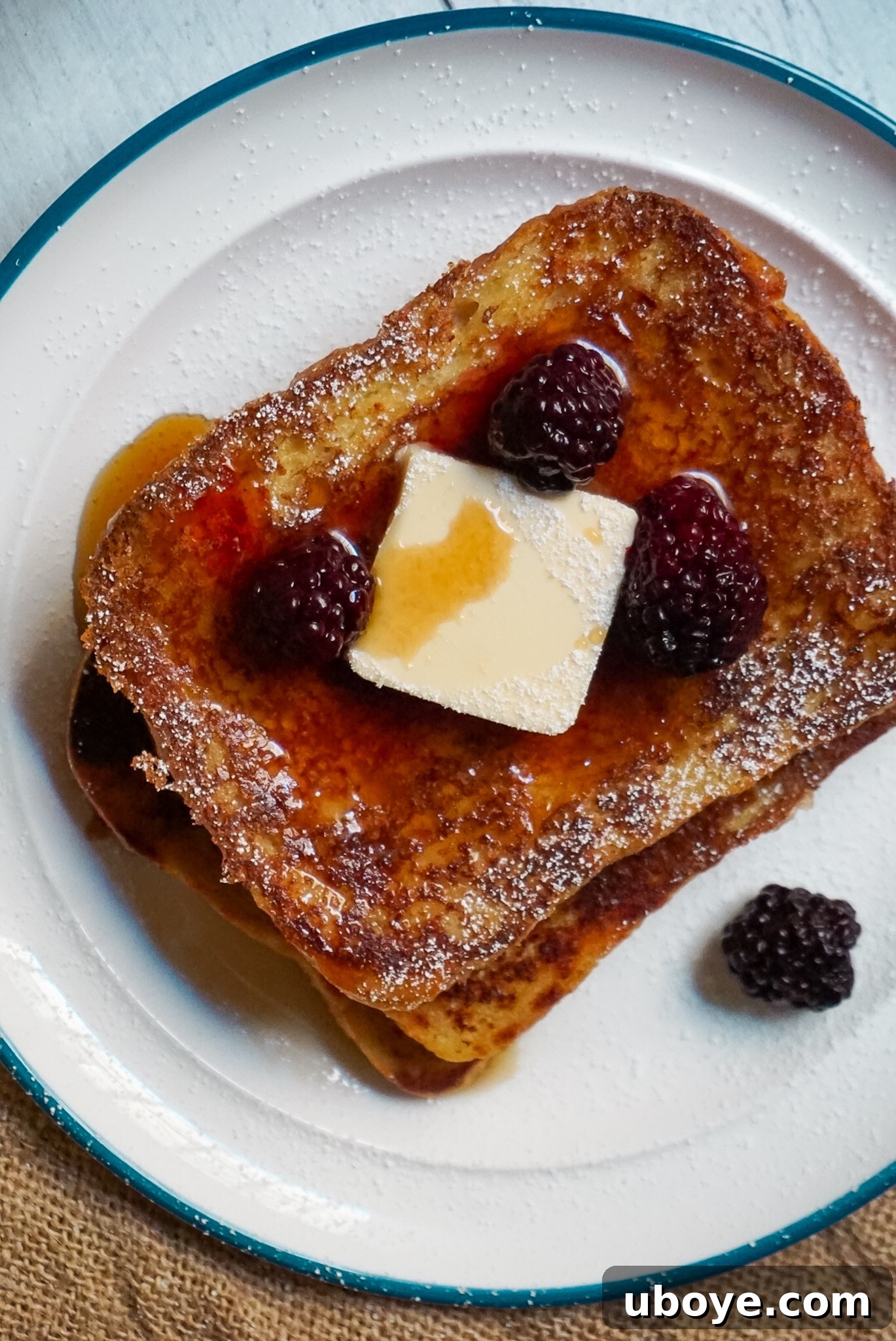
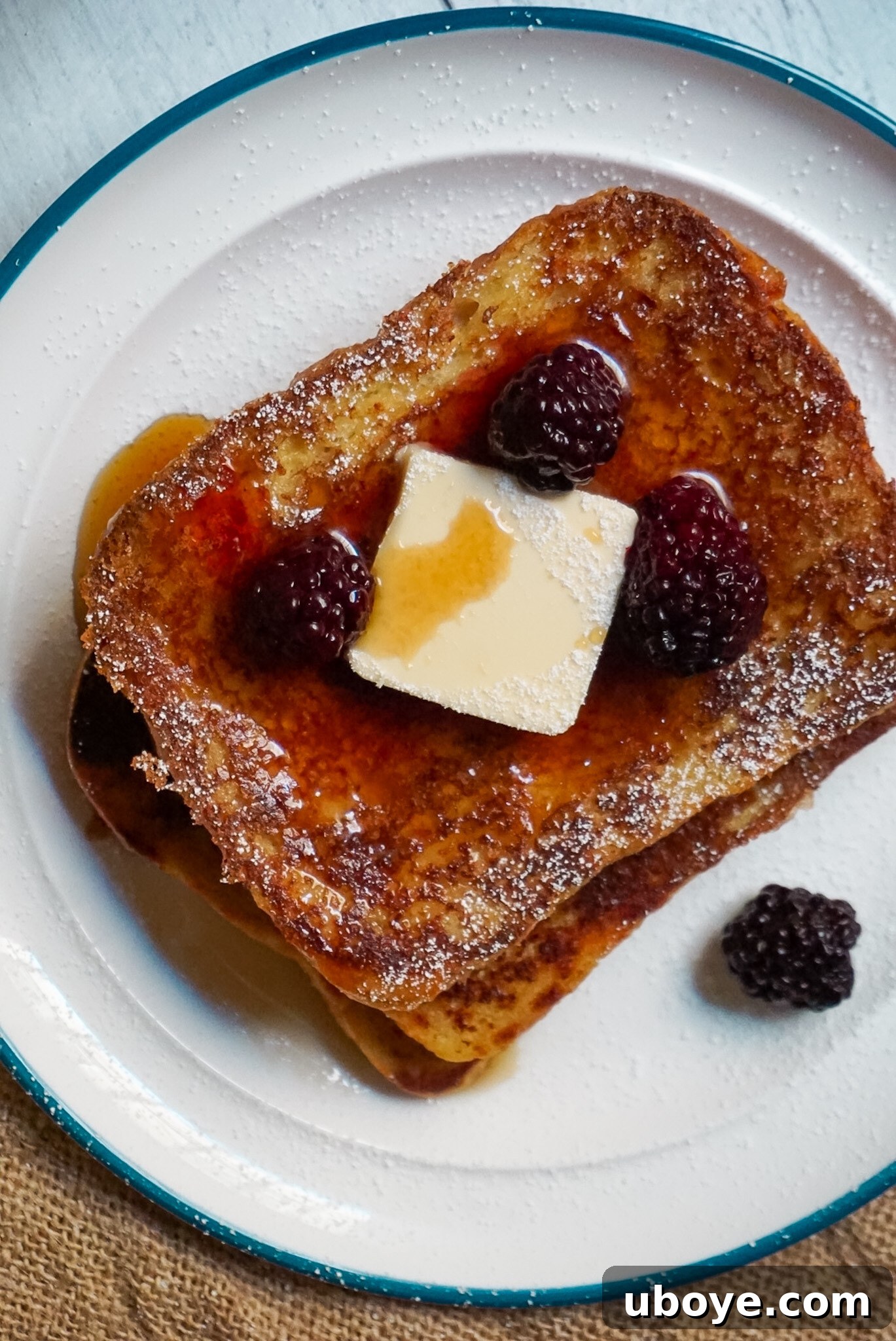
The Ultimate Vegan French Toast for One: Dairy-Free & Eggless Perfection
Imagine waking up to the irresistible aroma of freshly cooked French Toast, golden brown and perfectly crisp, without a single egg or drop of dairy in sight. This dream becomes a delicious reality with our ultimate vegan French Toast recipe for one. Designed for those moments when you crave a decadent, restaurant-quality breakfast but only need a single serving, this recipe is a game-changer. It’s incredibly simple to prepare, taking just 15 minutes from start to finish, making it ideal for busy weekdays or a leisurely weekend treat.
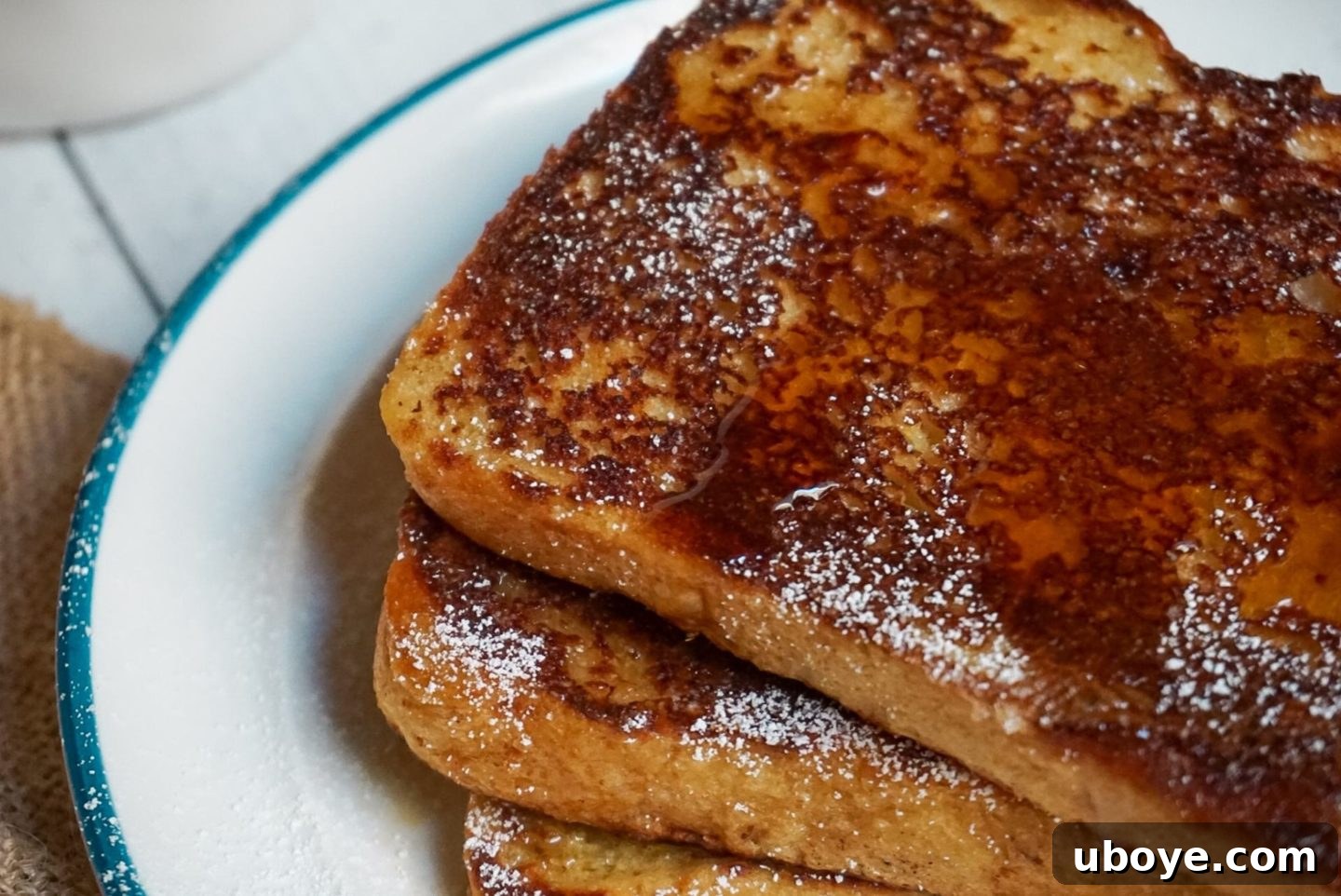
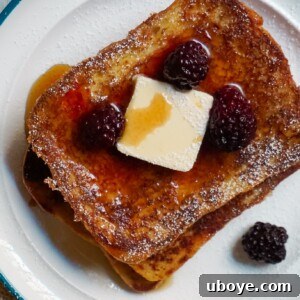
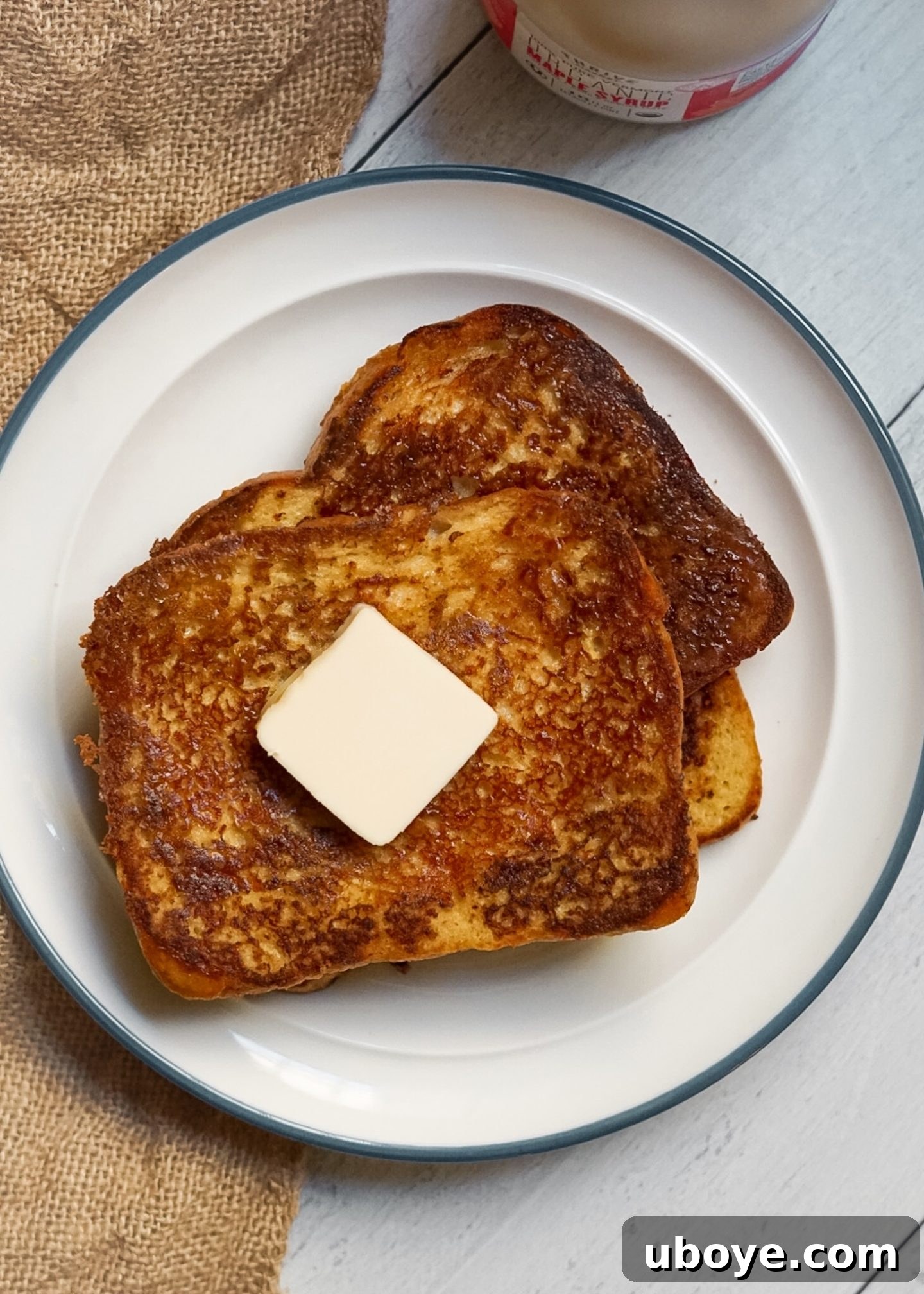
Our dairy-free, eggless, and completely vegan French Toast offers that coveted balance of a buttery, golden-crisp exterior and a delightfully pillowy, custard-like interior. Each bite is a symphony of textures and flavors, especially when generously drenched in warm maple syrup. While perfectly portioned for one, this recipe is also incredibly easy to double or triple, making it versatile enough for a brunch gathering with friends and family. For the best experience, enjoy this Vegan French Toast piping hot from the skillet, adorned with your favorite toppings like a rich drizzle of maple syrup, a dollop of creamy almond butter, and a festive sprinkle of powdered sugar.
Why You’ll Fall in Love with This Dairy-Free French Toast Recipe
A Guilt-Free Indulgence for Everyone
Traditional French toast, while delicious, often comes with eggs and dairy, which can be restrictive for those with allergies, dietary preferences, or ethical considerations. This recipe eliminates those barriers, offering a truly inclusive breakfast option. It’s not just for vegans; it’s for anyone looking for a lighter, plant-based alternative that doesn’t compromise on flavor or texture. Enjoy your favorite comfort food without the dairy or eggs, knowing you’re making a delicious and mindful choice.
Quick & Easy Brunch in Just 15 Minutes
Time is often a luxury in the mornings, but this vegan French Toast fits perfectly into any schedule. With only 5 minutes of prep and 10 minutes of cook time, you can have a gourmet breakfast on your plate in under a quarter of an hour. Forget complicated steps or lengthy ingredient lists; this recipe is straightforward and designed for maximum deliciousness with minimal fuss. It’s the perfect solution for satisfying a sudden French Toast craving.
Perfectly Portioned for One, Effortlessly Scalable
Craving French toast but don’t want to make a whole batch? This recipe is specifically designed for a single serving, ensuring no waste and a perfectly portioned treat just for you. However, its simplicity makes it incredibly easy to multiply. Whether you’re cooking for two, four, or a whole crowd, simply adjust the ingredient quantities and use a larger pan (or cook in batches) to cater to everyone’s appetite. This adaptability makes it a fantastic staple for any household.
Unbeatable Flavor & Texture: Just Like Your Favorite Cafe
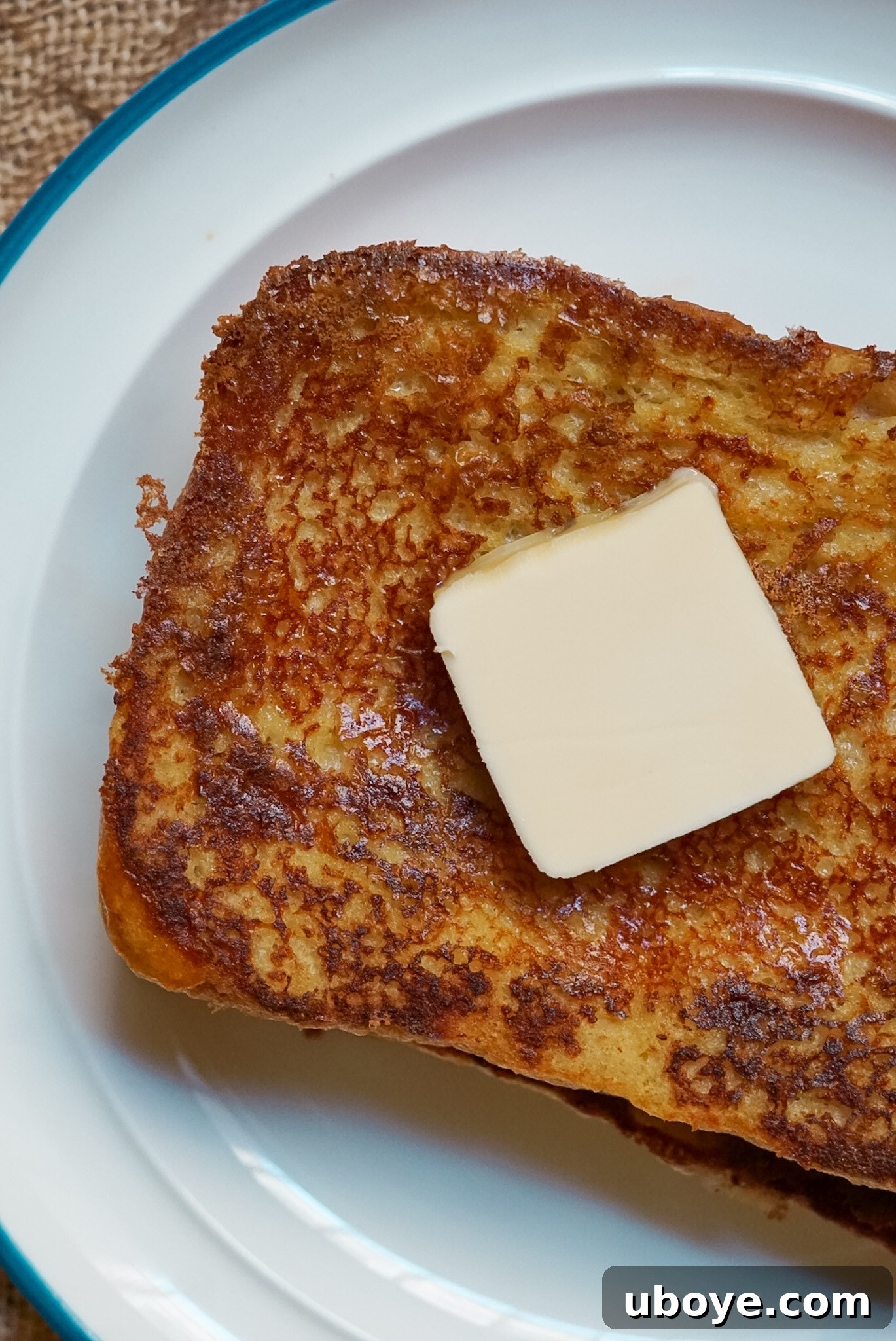
The magic of truly great French toast lies in its contrast: a golden, slightly crisp exterior giving way to a soft, custardy center. This vegan version achieves that perfect balance every time. The plant-based milk and cornstarch create a rich, eggy-like custard that perfectly coats the bread, while a generous touch of vegan butter in the pan ensures that beautiful browning and irresistible flavor that mimics high-end restaurant quality. You’ll be amazed at how authentic and satisfying this eggless French Toast tastes!
Mastering the Art of Vegan French Toast: Tips for Success
-
Choosing the Right Plant Milk
While any plant-based milk will work, for the best results, I highly recommend using unsweetened soy milk or oat milk. These varieties are naturally creamier and richer, which contributes significantly to the custardy texture of the French Toast. Their neutral flavor also allows the vanilla and cinnamon to shine through, creating a truly classic taste profile.
-
The Importance of Stale or Toasted Bread
This is a crucial tip for achieving that perfect, non-soggy French toast. Stale bread (day-old bread left out overnight) or lightly toasted fresh bread has less moisture, allowing it to better absorb the vanilla custard mixture without becoming mushy. Fresh, soft bread tends to fall apart when soaked, resulting in a less desirable texture. If your bread isn’t stale, a quick toast in the toaster or oven before soaking will do the trick!
-
Don’t Skimp on the Butter! (Grandma’s Secret)
This is perhaps the most important tip, directly from my grandmother’s wisdom, and it truly makes all the difference! Even if you have a non-stick pan, a little vegan butter (or coconut oil) in the skillet is absolutely essential. It’s not just about preventing sticking; it’s the secret to achieving that rich, golden-brown crust and incomparable flavor that defines restaurant-style French Toast. The butter helps caramelize the bread’s sugars, creating a depth of flavor and a crispness that oil alone cannot fully replicate. Remember, the small amount used is still far less than what you’d find in a professional kitchen, so embrace this step for a truly authentic experience.
-
Selecting Your Bread Base
While this recipe is adaptable to many types of bread, thicker slices of country white bread or light multigrain bread tend to work best. Their robust structure can hold up to the soaking and cooking process, yielding a satisfyingly hearty French Toast. However, don’t be afraid to experiment! I’ve successfully made this recipe with cranberry walnut bread for a hint of fruity sweetness and even sourdough for a delightful tang. Each bread choice offers a unique flavor and textural experience, so feel free to get creative!
-
Perfect Pan Temperature is Key
Achieving the ideal cooking temperature is vital to avoid a soggy interior or a burnt exterior. Aim for medium to medium-high heat (around a 6 out of 10 on most stovetops). If the heat is too high, the outside of your French Toast will brown too quickly, leaving the inside uncooked and mushy. If the heat is too low, the bread won’t develop that beautiful golden crust. If you’re cooking multiple batches, you might need to slightly lower the heat between rounds to maintain consistency.
-
Preheat Your Pan Properly
Always ensure your pan is warm before adding the bread. A hot pan immediately begins to cook and caramelize the surface of the French Toast, creating a superior crust and preventing it from sticking. Adding bread to a cold pan results in uneven cooking and a less desirable texture. Take an extra minute to let the pan come up to temperature before adding your butter and then the soaked bread.
-
The Perfect Flip (Chef’s Handy Trick!)
Flipping French Toast (or pancakes, or burgers!) can sometimes be tricky. Here’s a small but mighty trick I use: instead of scooping the toast upward to flip, slide a thin spatula along the bottom of the pan as you gently wedge it under the toast. This motion helps you get a better grip and smoothly lift and flip the toast without breaking it or making a mess. It’s a game-changer for maintaining the integrity of your delicious breakfast!
Rated 5 out of 5 stars by 9 voters
Vegan French Toast for One
Experience classic restaurant-style French Toast tailored perfectly for one. This dairy-free, eggless French Toast recipe brings the joy of your favorite brunch cafe right into your own kitchen, and it takes approximately fifteen minutes to prepare. An easy and quick way to satisfy your breakfast cravings!
Rate Recipe
Print Recipe
Ingredients
- ½ cup unsweetened soy milk (or oat milk for creaminess)
- 2 tsp cornstarch (essential for the “eggy” texture)
- ½ tsp baking powder (for lightness)
- 1 tsp nutritional yeast (adds a savory depth, mimics eggy flavor)
- ½ tsp vanilla extract (for classic flavor)
- 2 pinches cinnamon (enhances warmth)
- 1 pinch sea salt (balances sweetness)
- 2-3 slices stale or lightly toasted bread (large slices of country white or light multigrain work best)
- 1-2 tbsp vegan butter or coconut oil for the pan (don’t skip this!)
Instructions
Make the Custard
-
In a wide shallow bowl (ideal for dipping bread), combine the soy milk, cornstarch, baking powder, nutritional yeast, vanilla extract, cinnamon, and sea salt. Whisk vigorously for 30-40 seconds, ensuring the cornstarch is completely dissolved and no lumps remain. This forms the essential “eggless” custard.
Warm the Pan & Prepare Bread
-
Warm a large non-stick frying pan over medium heat (approximately 6 out of 10). Add 1 tablespoon of vegan butter or coconut oil and allow it to fully melt and coat the pan. Ensure the pan is adequately hot before proceeding.
-
While the pan warms, carefully dip each slice of bread into the prepared custard mixture. Flip the bread twice to ensure it is thoroughly saturated and evenly coated. Allow any excess liquid to drip off slightly before placing in the pan.
Cook to Golden Perfection
-
Gently transfer the soaked bread slices into the warm pan. Let the bread cook for approximately 4 minutes per side, or until each side is beautifully golden brown and crispy. If cooking in batches, add another tablespoon of vegan butter or oil as needed. Remember the spatula trick mentioned earlier for easy flipping!
-
Once both sides are golden and cooked through, immediately transfer the French Toast to a plate.
Notes and Variations
For a delightful citrusy twist, sometimes I like to add 1 teaspoon of orange zest and a small squeeze of fresh orange juice to the custard mixture. This complements the vanilla and cinnamon beautifully but is completely optional. Feel free to experiment with other spices like a pinch of cardamom or nutmeg for extra warmth.
Delicious Serving Suggestions & Creative Variations
Classic Toppings for the Ultimate Indulgence
While warm maple syrup is a timeless choice, elevate your vegan French Toast with a variety of classic toppings. A dusting of powdered sugar adds an elegant touch and extra sweetness. Fresh berries like strawberries, blueberries, or raspberries provide a burst of fresh flavor and vibrant color. Sliced bananas are another excellent addition, especially when slightly caramelized. For an extra rich experience, a scoop of vegan whipped cream can truly transform your breakfast into a dessert-like treat.
Nutty & Creamy Additions for Extra Flavor
Beyond traditional maple syrup, consider adding a spread of your favorite nut butter. Almond butter, peanut butter, or cashew butter can provide a delicious protein boost and a creamy texture that pairs wonderfully with the crisp toast. You can also whip up a simple cashew cream or coconut cream for a luxurious, dairy-free topping. A sprinkle of toasted chopped walnuts or pecans can add a satisfying crunch and nutty flavor.
Fruity & Zesty Twists
Don’t be afraid to experiment with fruit-based toppings. Homemade fruit compotes (berry, apple, or peach) or a spoonful of your favorite fruit jam can add layers of flavor. As mentioned in the recipe notes, a little orange zest and juice in the custard can brighten the flavor profile, or you could drizzle your French Toast with a lemon glaze for a refreshing tang.
Batch Cooking, Storage, and Reheating Tips
This recipe is perfect for one, but if you’re planning to serve more, simply scale up the ingredients. When cooking for a crowd, keep cooked French Toast warm in a single layer on a baking sheet in a low oven (around 200°F / 95°C) while you finish the remaining batches. If you have leftovers (a rare occurrence!), store them in an airtight container in the refrigerator for up to 2-3 days. To reheat, the best method is to briefly warm them in a toaster oven or a dry skillet over medium heat to regain some crispness. Microwaving is an option, but it tends to make the French Toast softer.
Frequently Asked Questions (FAQ) About Vegan French Toast
Can I use gluten-free bread for this recipe?
Absolutely! This recipe works beautifully with most types of gluten-free bread. Just ensure your gluten-free bread is slightly stale or lightly toasted to prevent it from becoming overly soggy during the soaking process. The key is for the bread to be firm enough to absorb the custard without disintegrating.
Can I prepare the French Toast batter ahead of time?
Yes, you can! The vegan custard mixture can be prepared up to 24 hours in advance and stored in an airtight container in the refrigerator. Give it a good whisk just before dipping your bread, as the cornstarch might settle. This makes for even quicker breakfast prep on busy mornings.
What if my vegan French Toast is soggy?
Sogginess usually comes from two main culprits: using fresh, very soft bread that absorbs too much liquid, or not cooking at a high enough temperature for long enough. Make sure your bread is stale or lightly toasted, and ensure your pan is adequately hot (medium to medium-high heat) and you cook each side until a good golden-brown crust forms.
Is nutritional yeast mandatory in this recipe?
While not strictly mandatory, nutritional yeast is highly recommended. It adds a subtle savory, umami flavor that helps to mimic the “eggy” taste often associated with traditional French Toast, enhancing the overall depth of flavor in this vegan version. If you don’t have it, you can omit it, but the flavor profile might be slightly less complex.
Conclusion: Enjoy Your Perfect Vegan Brunch!
There you have it – a foolproof recipe for the most delightful vegan French Toast for one. Whether you’re a seasoned vegan or simply exploring new plant-based options, this recipe promises to deliver a truly satisfying and memorable breakfast experience. It’s a testament to how incredible dairy-free and eggless cooking can be, proving that you don’t need animal products to create a truly heavenly dish.
We sincerely hope you enjoy recreating this delicious vegan French Toast. If you do, please consider leaving a 5-star review below and sharing your experience in the comments! Your feedback not only helps others discover and trust our recipes but also provides invaluable support to us. Happy cooking, and may your mornings be filled with the sweet, comforting embrace of perfect vegan French Toast!
Love,
Nicole