
Transform Your Greens: The Art of Crafting Truly Delicious and Satisfying Salads
Many of us strive to incorporate more greens into our diets, yet the idea of a large bowl of salad can often feel less like a culinary adventure and more like a monotonous obligation. We’ve all had those salads that promise health but deliver boredom – a singular, uninspired note that leaves us feeling unsatisfied. But what if we told you there’s a simple, yet profoundly effective, trick to not just eat, but genuinely love, every single bite of a big, nutritious bowl of greens? The secret lies in embracing the power of contrast. By intentionally layering diverse flavors and textures, you can elevate your salad from a mundane meal to a vibrant, exciting culinary experience that you’ll look forward to day after day. This comprehensive guide will unveil the key principles to constructing salads that are as delicious as they are healthy, ensuring your plate is always packed with intrigue and satisfaction.
The Foundational Principle: A Symphony of Contrasts
The core philosophy behind a truly exceptional salad is to create a “bowl of contradictions.” Think of it as composing a symphony where each element plays a distinct, yet harmonious, role. The goal is to prevent any single flavor or texture from dominating, thereby keeping your palate engaged and your meal interesting from the first forkful to the last. This thoughtful layering not only enhances taste but also significantly boosts the satisfaction factor, making healthy eating a genuine pleasure rather than a chore. Let’s delve into the specific contrasting elements that are essential for transforming your greens.
Sweet & Savory: Balancing the Palate
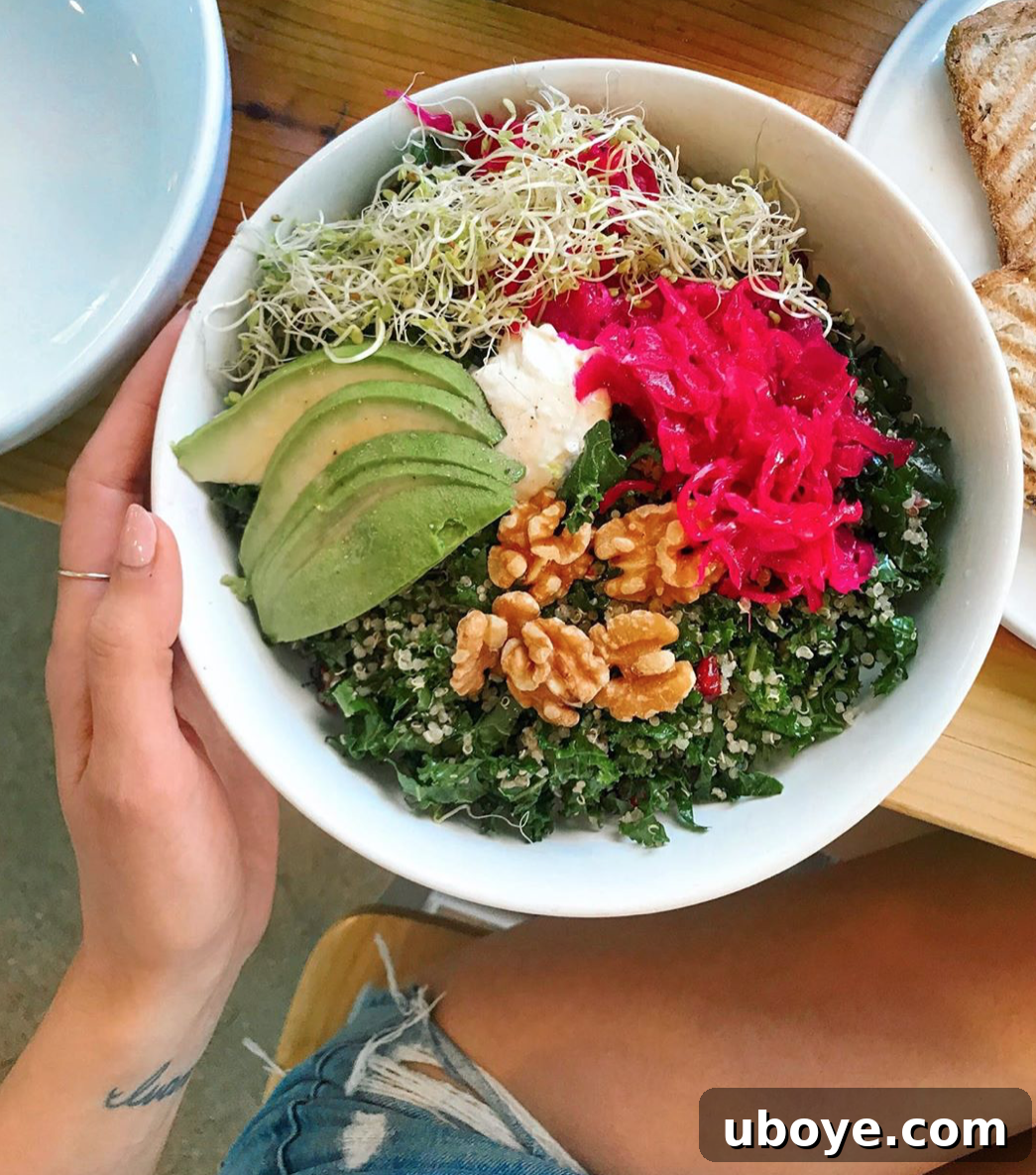
One of the most effective ways to add depth and excitement to your salad is by mastering the interplay between sweet and savory notes. A purely savory salad can feel flat, while one that’s overly sweet quickly becomes cloying. The magic happens when these two profiles dance together, creating a balanced and multi-dimensional taste experience. For instance, the original inspiration for this method employed a savory dressing – typically a robust blend of dried coriander, salt, pepper, olive oil, and vinegar. To perfectly offset this earthiness, ingredients like dried cranberries were added, introducing a delightful touch of sweetness.
But the possibilities extend far beyond cranberries! Consider integrating other naturally sweet components: juicy fresh berries such as strawberries or blueberries, crisp apple slices, vibrant orange segments, or even slices of succulent grilled peaches for a seasonal treat. Roasted sweet vegetables like caramelized sweet potatoes, carrots, or corn kernels also bring a wonderful natural sweetness and depth. On the savory side, explore elements like toasted nuts (almonds, walnuts, pecans), various seeds (pumpkin, sunflower), crumbled feta or goat cheese (if not vegan), Kalamata olives, grilled plant-based proteins, or even a sprinkle of aromatic fresh herbs. The combination ensures that each bite offers a delightful push-and-pull, keeping your taste buds alert and satisfied.
Crunchy & Chewy: The Textural Triumvirate
Texture is often an overlooked yet critical component of culinary enjoyment. A salad composed entirely of soft elements can feel unsatisfying, while one that’s too uniformly crunchy might lack interest. The key is to introduce a captivating variety of textures that provide both sensory pleasure and a sense of satiety. The inclusion of dried cranberries, as mentioned earlier, not only provides sweetness but also adds a satisfying chewy texture, which beautifully contrasts with the crispness of fresh vegetables.
To further enhance this textural interplay, think about building a “triumvirate” of textures. For crunch, incorporate plenty of fresh, raw vegetables like crisp lettuce (romaine, iceberg, or butter lettuce), refreshing cucumbers, crunchy bell peppers, and thinly sliced radishes. Elevate the crunch with toasted seeds, activated nuts, crispy baked chickpeas, or homemade croutons. For a delightful chewiness, beyond dried cranberries, consider other dried fruits such as apricots, dates, or sun-dried tomatoes (which also add an umami punch). Cooked grains like farro, quinoa, or wild rice bring a pleasant chew, as do perfectly roasted mushrooms or chewy plant-based proteins like tempeh or seitan. This diverse array of textures ensures that every forkful offers a new and engaging sensation, contributing significantly to overall meal satisfaction.
Creamy & Acidic/Pickled: Cutting Through the Richness
Rich, creamy elements are undeniably delicious, but too much richness can overwhelm the palate. This is where the brilliant contrast of something acidic or pickled comes into play. The acidity acts as a palate cleanser, cutting through the richness and brightening the overall flavor profile. In our example, the creamy texture and richness of avocado and vegan cream cheese are expertly balanced by the sharp, acidic notes of vinegary sauerkraut. This pairing is a masterclass in culinary harmony.
This principle is so powerful that it extends far beyond the realm of salads. Consider it a universal culinary “tip” for enhancing any dish. Any time you have something decadently creamy, always pair it with something zesty or tart. Think about a rich burrito filled with creamy guacamole; it becomes exponentially more exciting with the addition of bright, pickled jalapeños. A luxurious cheese board, often laden with rich cheeses, achieves perfect balance when served alongside tangy cornichons, pickled onions, or a sharp fruit preserve. Even a classic veggie burger, perhaps topped with a garlic aioli, finds its perfect counterpart in a handful of zesty dill pickles. Other creamy salad additions could include hummus, tahini-based dressings, cashew cream, or a drizzle of a rich nut butter dressing. To provide that crucial acidic counterpoint, beyond sauerkraut and pickled vegetables, use a generous squeeze of lemon or lime juice, a robust vinaigrette, capers, or even fresh, juicy tomatoes.
Hot & Cold: A Sensory Delight
Another fascinating and often underutilized contrast is the interplay of hot and cold temperatures within the same dish. This sensory experience is incredibly invigorating and can transform a simple salad into a deeply satisfying main course. The warmth of certain ingredients against the coolness of others creates an exciting dynamic that awakens the palate and adds a comforting, substantial feel to your meal. Imagine a cool, crisp bed of crunchy lettuce providing the perfect foundation for warm, perfectly roasted potatoes that are tender on the inside and slightly crispy on the outside.
Similarly, a mound of warm, fluffy quinoa or seasoned grains like Spanish rice can elevate a light salad into a hearty and complete meal. The options for introducing warmth are plentiful: consider grilled vegetables such as asparagus, zucchini, bell peppers, or eggplant. Seared or baked proteins like marinated tofu, tempeh, or even a warm, plant-based chicken alternative can be incredibly satisfying. Warm falafel, freshly roasted chickpeas, or a scoop of a warm lentil stew also make excellent additions. When these warm components meet the cool, refreshing elements like fresh greens, cucumber, and herbs, the result is a sophisticated and highly enjoyable dish that satisfies both the body and the soul, proving that salads can be truly comforting and substantial.
Beyond the Core Contrasts: Elevating Your Salad Game
While the fundamental contrasts form the backbone of a delicious salad, there are additional layers you can explore to further refine your creations and ensure they are bursting with flavor and appeal.
The Umami Factor
Don’t forget the power of umami, the savory “fifth taste,” to add depth and richness without relying solely on fat or salt. Ingredients like roasted mushrooms, nutritional yeast, sun-dried tomatoes, capers, or a dash of tamari or soy sauce in your dressing can introduce a profound savory backbone that makes your salad feel more substantial and complex.
Herbs & Spices: The Aromatic Dimension
Fresh herbs are indispensable. Cilantro, parsley, basil, mint, dill – each offers a unique aromatic profile that can instantly brighten and lift your salad. Beyond fresh herbs, don’t shy away from incorporating spices into your dressings or roasted vegetables. A pinch of cumin, paprika, or a blend like za’atar can transform ordinary ingredients into something truly special.
Visual Appeal: Feast with Your Eyes First
While not a taste or texture, the visual appeal of your salad plays a significant role in how much you enjoy it. A colorful, well-arranged salad with diverse ingredients is inherently more inviting and appetizing. Think about mixing greens with different hues, adding brightly colored vegetables, and garnishing with fresh herbs or a sprinkle of seeds to create a visually stunning masterpiece.
The Benefits of Embracing Contrast
Adopting this approach to salad building offers a multitude of advantages beyond just enhanced flavor. Firstly, it significantly boosts your vegetable intake by making those healthy greens genuinely enjoyable, rather than a forced consumption. Secondly, it leads to greater meal satisfaction, reducing the likelihood of reaching for unhealthy snacks later. Thirdly, it combats palate fatigue, ensuring that healthy eating remains exciting and sustainable in the long run. Finally, it encourages culinary creativity, empowering you to experiment with new combinations and discover your own signature salad creations.
Conclusion: Your Canvas Awaits
The goal is always a bowl that offers a delightful interplay of elements: sweet against savory, crunchy against chewy, creamy against acidic, and hot against cold. All these roads lead to an exponentially more satisfying, delicious, and enjoyable salad experience. So, shed the notion that salads are boring or merely functional. Embrace the philosophy of contrast, get creative in your kitchen, and have fun coming up with new, exciting combinations that tantalize every one of your senses. Your journey to truly loving your greens starts now!
Hope this comprehensive guide helps you on your path to delicious, vibrant, and satisfying meals!
Lots of love,
Nicole