
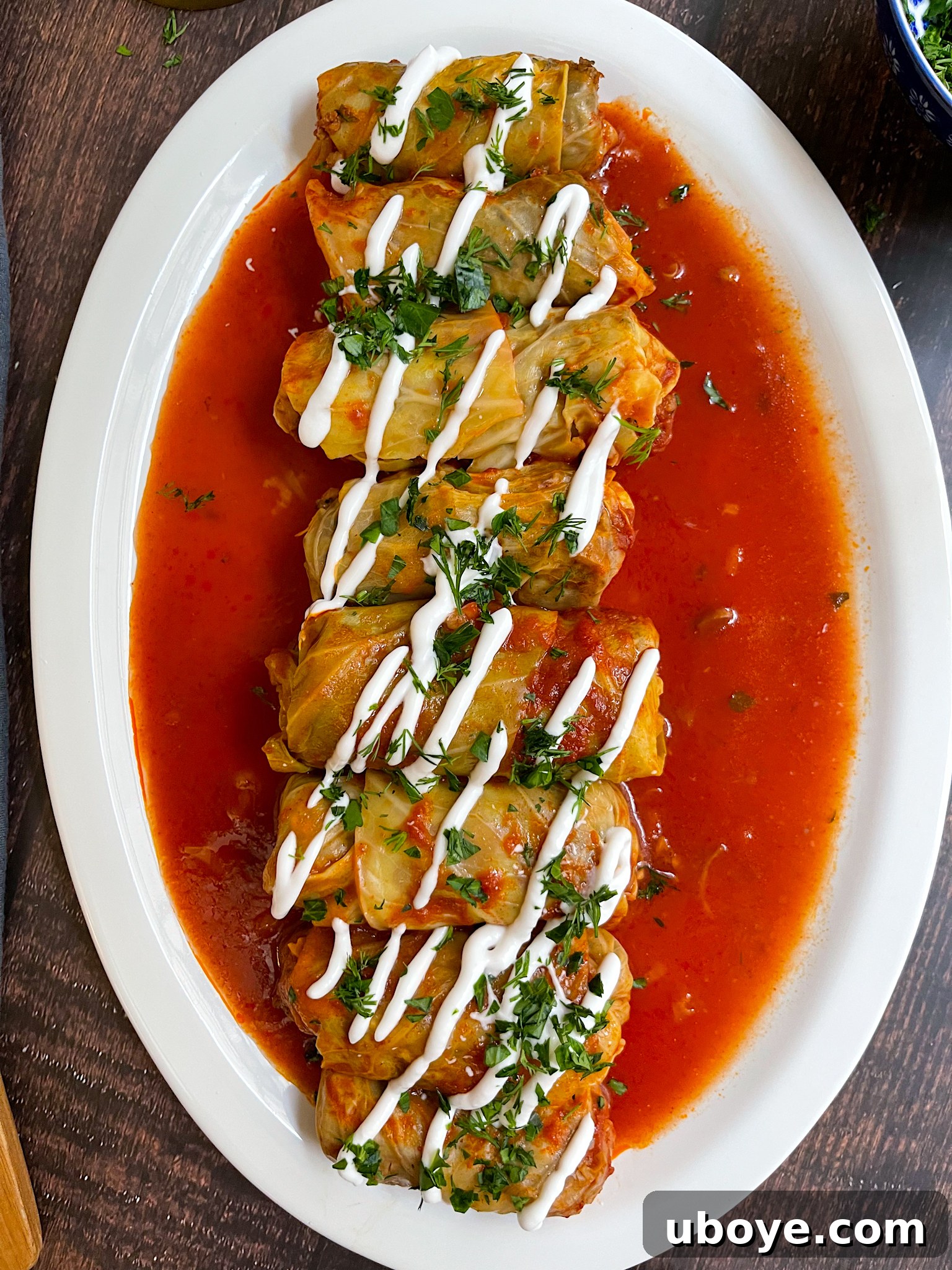
Hearty & Flavorful Vegan Cabbage Rolls (Sarmale) – A Plant-Based Comfort Food Masterpiece
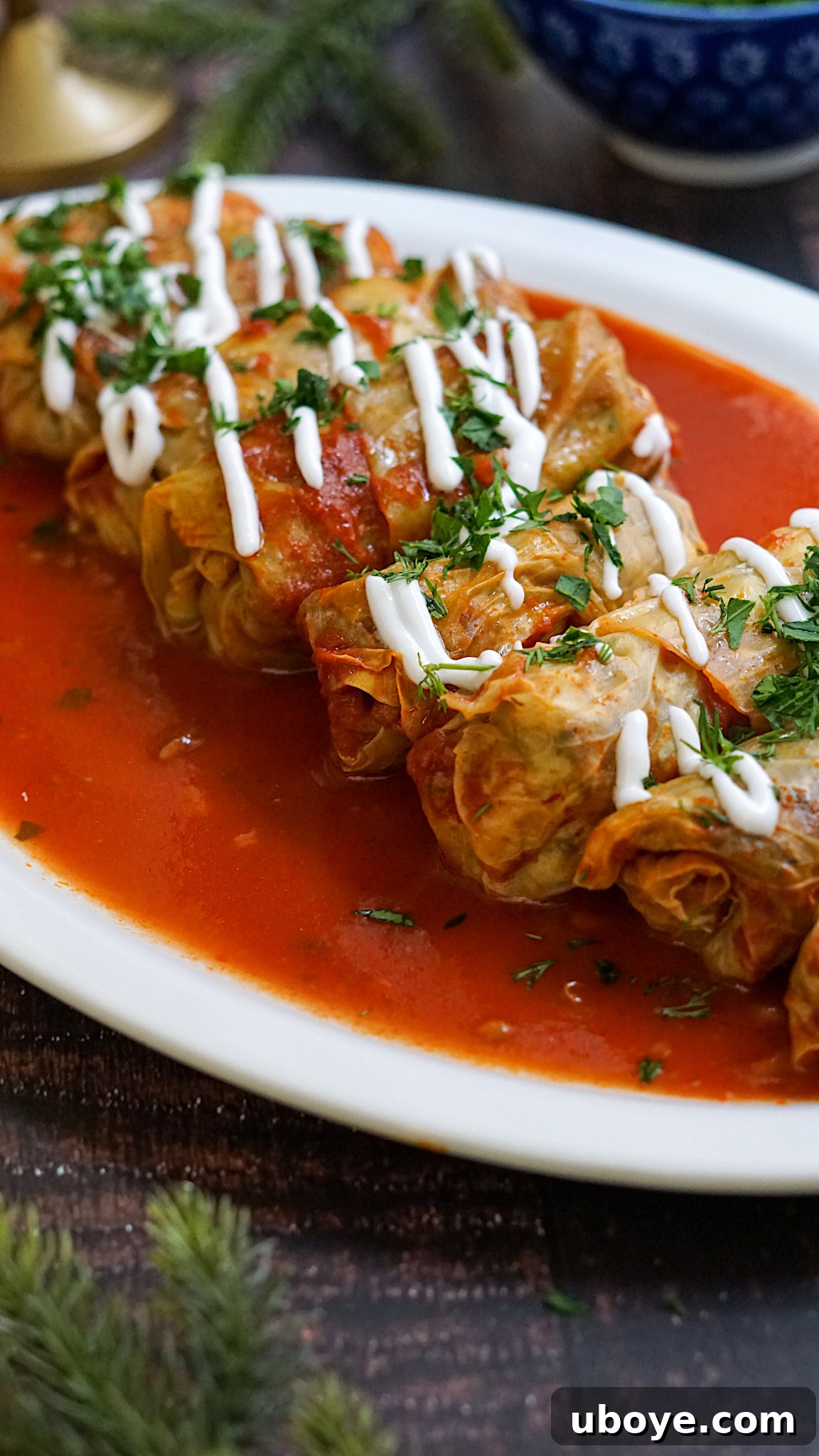
Embark on a culinary journey with this incredible vegan cabbage rolls recipe, a delightful plant-based take on the cherished traditional Romanian Cabbage Rolls, famously known as Sarmale. My inspiration for this dish came from a wonderful viewer, Alida, who shared her family’s beloved recipe, typically brimming with meat, rice, and aromatic fresh herbs, all slow-cooked in a savory tomato sauce. This vegan adaptation captures the soul of that classic, transforming it into a hearty, comforting, and utterly delicious meal that has quickly become a new favorite in my own household.
These aren’t just any plant-based rolls; they are a celebration of flavor and tradition, reimagined for a modern, compassionate kitchen. Whether you’re a long-time vegan, exploring meat-free options, or simply seeking a wholesome and satisfying meal, these stuffed cabbage rolls promise an authentic taste experience with every bite.
Experience the Best Vegan Stuffed Cabbage Rolls
I confidently believe this to be the best vegan cabbage rolls recipe you’ll encounter. Why? Because it delivers on every front: it’s incredibly hearty, deeply filling, and packed with nutrient-rich vegetables like tender cabbage and earthy mushrooms. It embodies the essence of a truly comforting supper, especially during the crisp winter months, and stands out as a fantastic make-ahead recipe for family gatherings or special occasions, allowing you to savor the moments without stress.
The highest compliment I’ve ever received after serving these at a dinner party was that they tasted “Old world good.” This heartwarming feedback perfectly encapsulates the spirit of this dish—it evokes the feeling of a classic, “old school” meal; the kind meticulously prepared with love and slowly simmered to achieve a profound, complex perfection. It’s a taste that transports you, reminding you of generations past and the timeless art of home cooking.
This “old-fashioned style” of cooking is not just about flavor; it’s about wisdom and resourcefulness. It teaches us to glean extraordinary taste from simple, wholesome staples and to utilize every single ingredient, ensuring that absolutely nothing goes to waste. With this philosophy at its core, I meticulously crafted this vegan and vegetarian rendition of Romanian Cabbage Rolls. From the outer leaves of the cabbage to the robust center stem of each leaf, and even the cooking water, every element is thoughtfully repurposed within the recipe. This approach guarantees minimal waste while maximizing the infusion of rich, layered flavor, creating a truly sustainable and scrumptious dish.
Traditionally, Romanian cabbage rolls are a staple around significant holidays and special occasions, such as Christmas and New Year’s Eve. This timing is ideal, as cabbage is a resilient and readily available vegetable during the cooler winter months, making it a perfect centerpiece for festive feasts. Its robustness allows it to withstand long cooking times, developing incredible depth of flavor that is both nourishing and deeply satisfying.
What are Romanian Cabbage Rolls (Sarmale)?
To truly appreciate this vegan creation, it’s essential to understand the roots of Romanian Cabbage Rolls, or Sarmale. My research reveals that these iconic rolls are often prepared with sour cabbage, which consists of whole cabbage heads that have been pickled. This distinct ingredient imparts a uniquely tangy flavor profile, and according to several Romanian food bloggers, it is precisely this tangy character that distinguishes Romanian Sarmale from the many other delicious cabbage roll variations found across various cultures, including those in Turkey, Russia, and Serbia.
For this specific plant-based recipe, I consciously chose not to use sour cabbage leaves. My goal was to veganize Alida’s Grandma’s cherished recipe, which traditionally calls for fresh green cabbage. I wanted to stay as true as possible to her family’s culinary heritage. Furthermore, opting for regular green cabbage makes this recipe incredibly accessible; there’s no need to order specialty ingredients online or seek out a dedicated ethnic grocery store. A simple, fresh green cabbage from your local supermarket is all you’ll need to begin crafting this delightful dish.
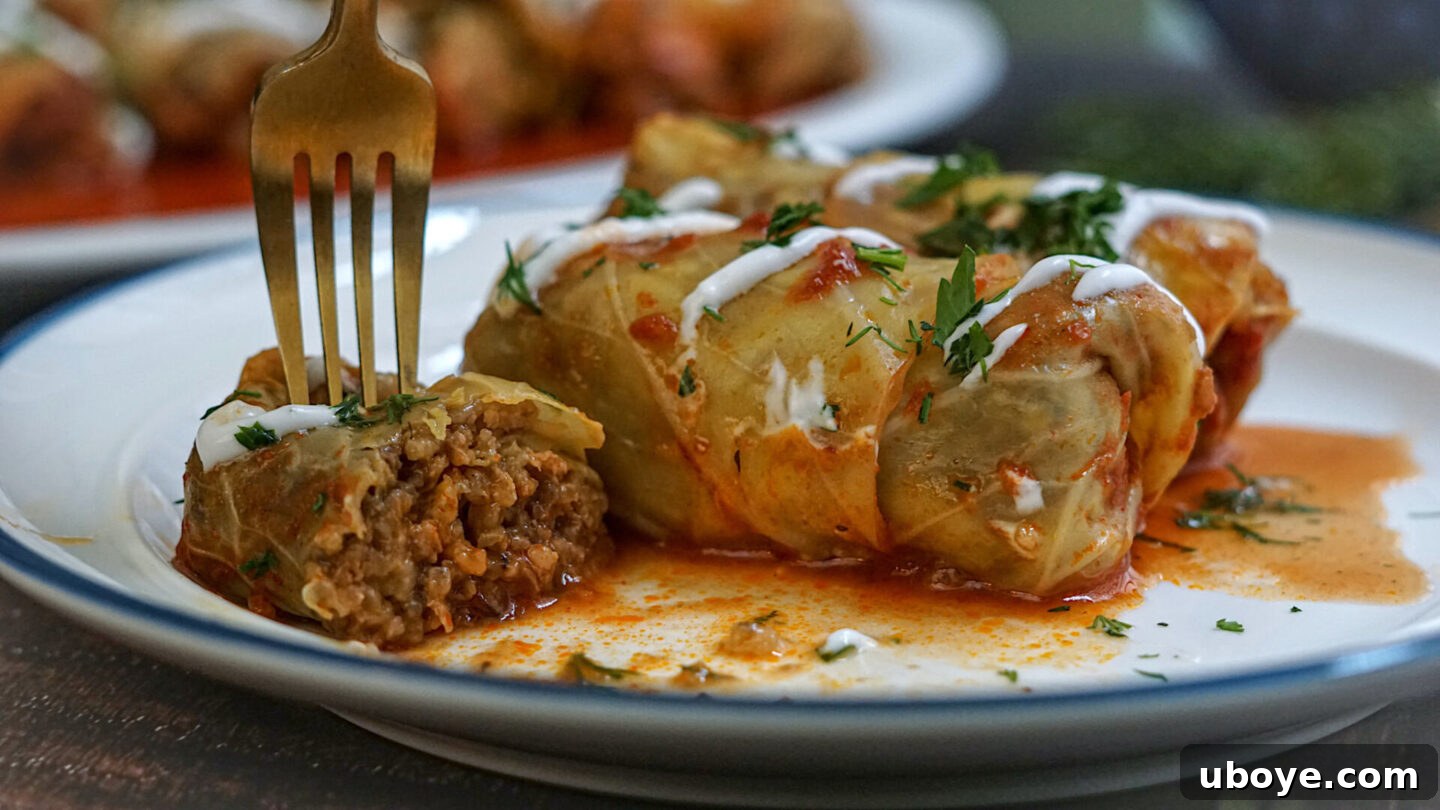
Traditional cabbage rolls are typically filled with a savory mixture of pork or ground beef. To transform this classic into a truly vegan and vegetarian-friendly meal, my recipe ingeniously replaces the meat with a flavorful combination of finely chopped mushrooms and a high-quality vegan ground meat alternative, such as Impossible Foods. The heart of the filling is then infused with an authentic blend of traditional herbs and spices, including fresh parsley, aromatic dill, and rich paprika. This savory mixture is then combined with uncooked white rice, which acts as a magical absorbent, soaking up all the delicious flavors from the sauce and seasonings as it slowly cooks to perfection in the oven.
Many traditional stuffed cabbage roll recipes also feature bacon, often chopped and scattered over the rolls before cooking. As it simmers, the bacon slowly renders, enriching the tomato sauce with its deep, smoky flavor. To recreate this beloved element in a vegan way, I developed a clever flavor substitute: a harmonious blend of olive oil, smoky paprika, and just a tiny pinch of sugar. This combination works wonders, yielding a thin, intensely flavorful tomato sauce that perfectly infuses both the tender cabbage leaves and the savory, meaty filling with a profound, satisfying taste that mirrors the original complexity.
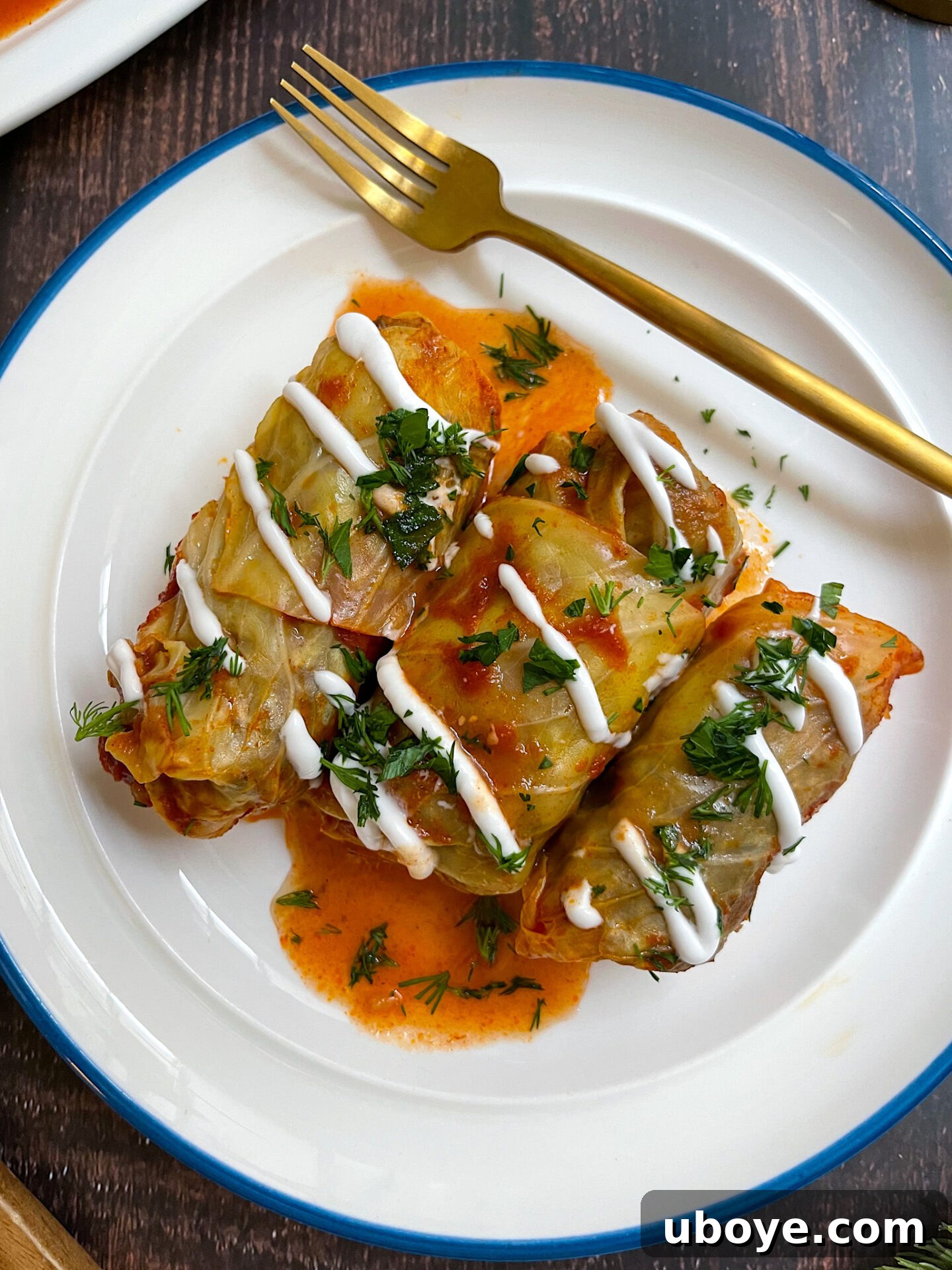
It’s also quite common to serve cabbage rolls alongside a dollop of cool and tangy sour cream, which provides a beautiful counterpoint to the rich, savory flavors of the rolls. To maintain the dish’s vegan integrity, simply choose a high-quality vegan sour cream. Alternatively, you can opt for a plain and unsweetened vegan almond milk yogurt or coconut yogurt. The key is to ensure it’s free of added sugars and artificial flavors, allowing its natural tang to complement the dish beautifully.
Key Ingredients for the Perfect Vegan Cabbage Rolls
Crafting these delectable plant-based cabbage rolls begins with selecting the right ingredients. Here’s a detailed look at what you’ll need to create the rich, satisfying filling and the flavorful sauce:
For the Irresistible Filling:
- Onions, Mushrooms, and Garlic: These aromatic vegetables form a significant portion of the “meaty” filling, contributing not only to the texture but also boosting the nutritional value of the dish. The key to a superior filling lies in finely chopping these ingredients. For best results and a smooth, integrated texture, I highly recommend using a mini food processor for both the onions and mushrooms. This small step makes a world of difference in achieving a consistent and delightful filling consistency, far surpassing what can be achieved by hand-chopping.
- Vegan Ground “Beef”: This essential component makes up another third of the filling. When combined with the finely chopped veggies, it creates a wonderfully satisfying texture that closely mimics traditional ground meat. Choose your favorite brand for the best outcome.
- White Rice: No need for pre-cooking! A quick rinse is all it needs before being added directly to the vegan meat and veggie mixture. As it cooks in the oven, the rice will absorb all the incredible flavors of the sauce and seasonings, becoming perfectly tender. Jasmin rice is recommended for its soft texture and aromatic qualities.
- Fresh Parsley + Dill: This classic herb combination is absolutely crucial for an authentic flavor profile. The vibrant, fresh notes of parsley and the distinctive aroma of dill elevate the filling, imparting a genuine “old-world” taste. Always opt for fresh herbs over dried; the difference in flavor is truly incomparable.
- Paprika, Smoked Paprika, and Vegan Worcestershire Sauce: This trio of ingredients is fundamental for building a savory depth and umami richness in the filling. Paprika adds a sweet, peppery warmth, while smoked paprika introduces a subtle, earthy smokiness that cleverly replaces traditional bacon. Vegan Worcestershire sauce provides a tangy, fermented complexity. You can usually find vegan Worcestershire in the condiment aisle of most grocery stores, but if it’s elusive, you can easily find it here online.
For the Flavorful Sauce & Cabbage:
- Green Cabbage: For this recipe, a simple green cabbage is all you need. While traditional Romanian Sarmale often uses sour (pickled) cabbage, my aim was to recreate a fresh cabbage version. However, if you prefer the tangy bite of sour cabbage, you can certainly substitute it. Just remember to reduce the amount of added salt in the recipe, as pickled cabbage is inherently salty.
- Tomato Juice: This forms the base of the rich, savory sauce in which the cabbage rolls will slowly simmer and absorb all their wonderful flavors.
- Tomato Paste: Adding tomato paste is a game-changer for the sauce. It concentrates the tomato flavor, introducing a deep umami richness and a beautiful, thick consistency that coats the rolls perfectly.
- Pinch of Sugar: A small touch of sugar is vital for balance. It helps to mellow the acidity of the tomatoes, enhancing their natural sweetness and creating a harmonious flavor profile that complements the intensely savory nature of this dish.
- Vegan Sour Cream (for serving): A cool, tangy dollop of vegan sour cream or plain, unsweetened almond milk yogurt is the perfect accompaniment. It cuts through the richness of the cabbage rolls, adding a refreshing contrast. I particularly enjoy using this dairy-free yogurt or a dedicated vegan sour cream.
How to Make Delicious Vegan Cabbage Rolls
While the full detailed recipe with precise measurements can be found below, here’s an easy-to-follow overview to guide you through the process of making these delightful Romanian-inspired vegan cabbage rolls:
1. Prepare the Cabbage Leaves
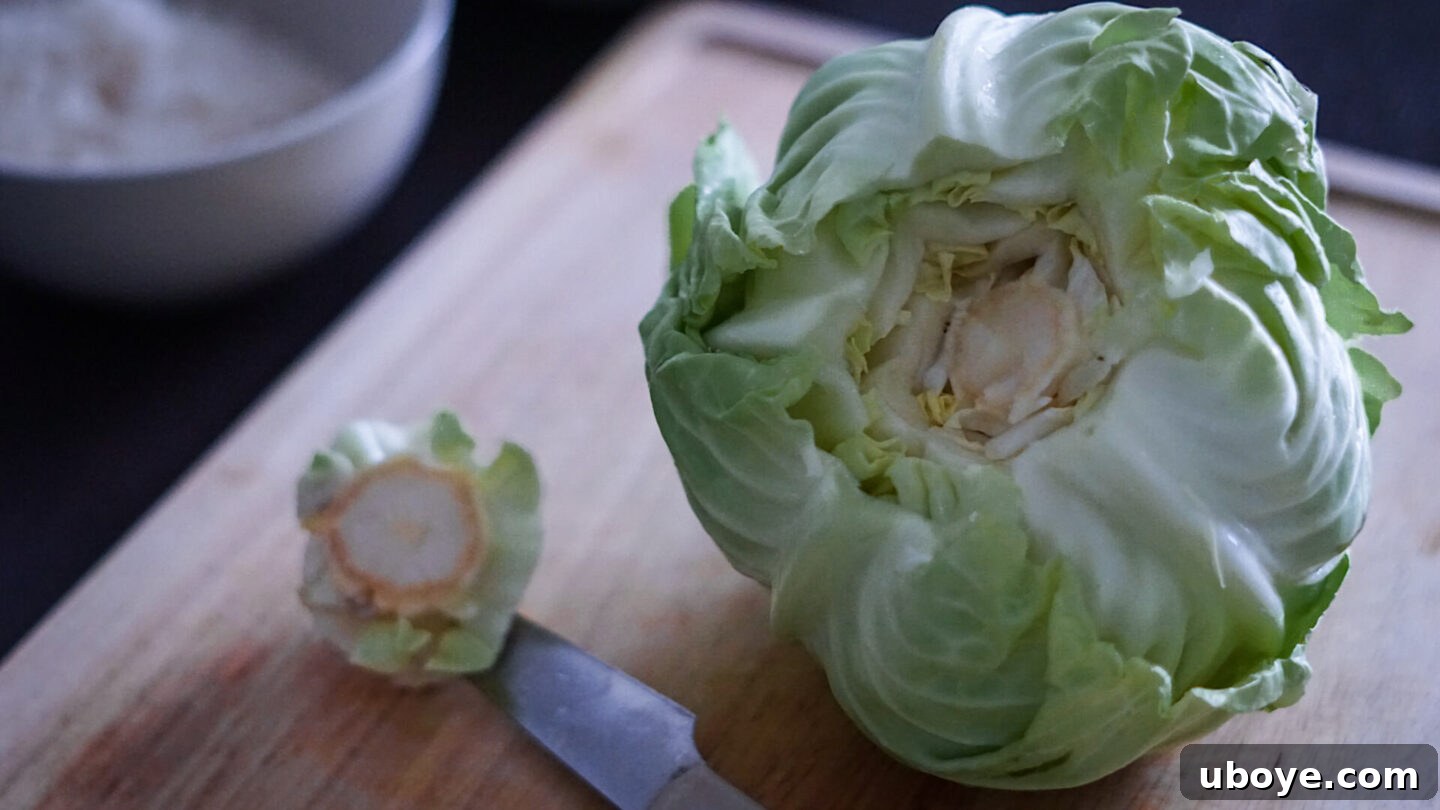
The first step is crucial for perfectly pliable leaves. Begin by carefully trimming the tough stem and core from the base of each cabbage head. Fill a large Dutch oven with about 8 cups of water and bring it to a rolling boil. Submerge one cabbage head at a time, boiling for approximately 5 minutes, or until the outer leaves become slightly softened and tender enough to peel away. Carefully remove the cabbage with tongs and place it in a colander to cool. Repeat with the second cabbage. Once the leaves are cool enough to handle, gently peel off the softened outer leaves. If the inner core still feels too firm, return the cabbage to the boiling water for a few more minutes until tender. Remember to save about 2 cups of this nutrient-rich cooking water for your sauce later. Once all leaves are soft, carefully cut out the thick, fibrous rib from the center of each large leaf, making them easier to roll. Stack your prepared cabbage leaves neatly. Finally, finely chop the removed cabbage ribs and scatter them across the bottom of your large Dutch oven (off the heat). This forms a protective and flavorful layer for the rolls as they cook.
2. Craft the Flavorful Filling
Precision in chopping is key for a truly exquisite filling. Finely dice your onions and mushrooms, and mince the garlic. Chop the fresh parsley and dill, and give your white rice a quick rinse under cold water. Set all these prepped ingredients aside.
Pro Tip: For the best texture, the vegetables should be very finely chopped. Instead of manual chopping, I highly recommend using a mini food processor for the onions and mushrooms. This ensures a consistent, finely minced texture that blends seamlessly into the filling, making a significant difference to the overall experience!
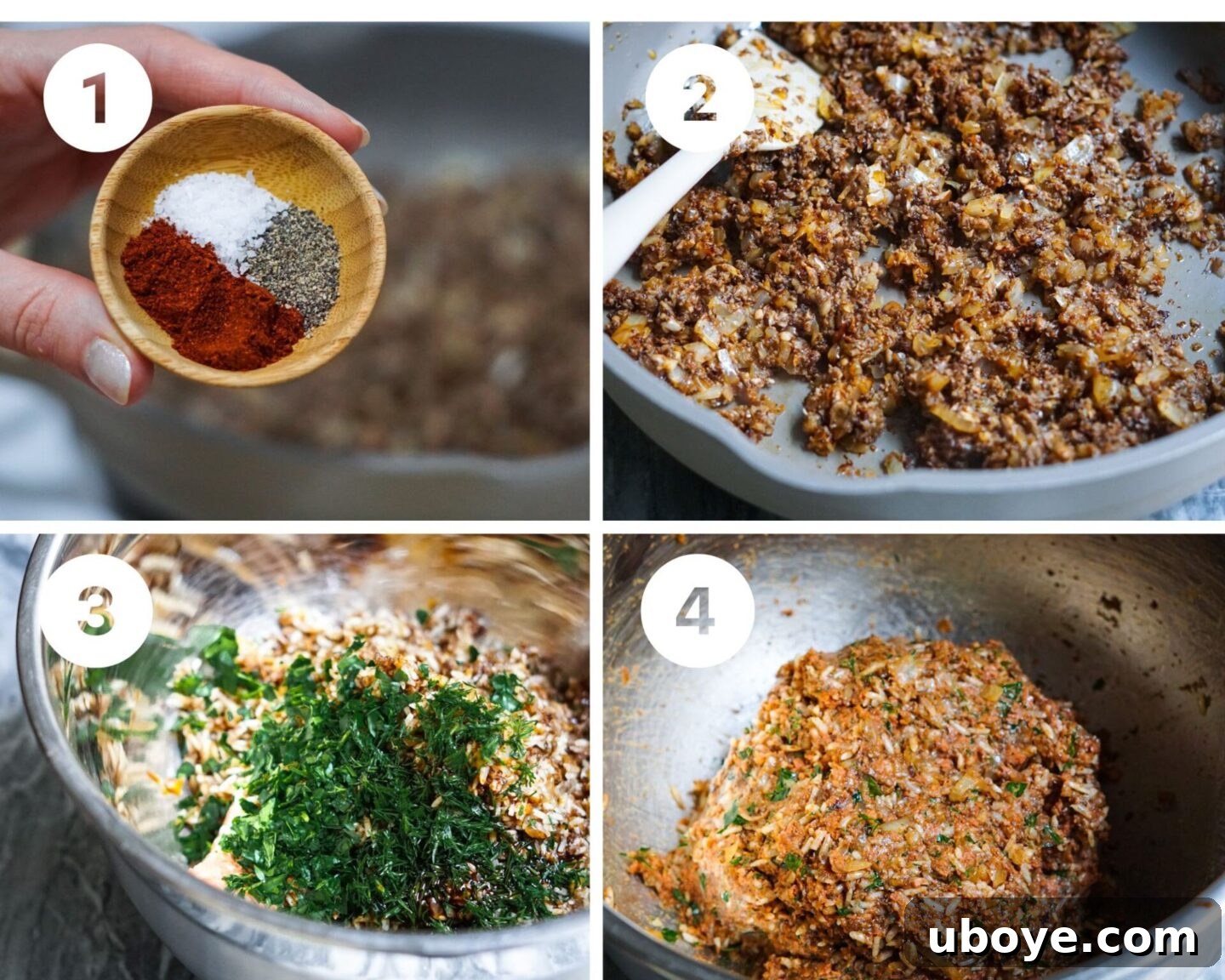
Heat 2 tablespoons of olive oil in a large frying pan over medium heat. Once warm, add the finely diced onions and sauté for about 5 minutes until they are soft and translucent. Stir in the minced garlic, paprika, salt, and black pepper, cooking for just 1 minute until fragrant. Remove the pan from the heat and add the uncooked white rice, mixing it thoroughly to combine with the sautéed aromatics. Allow this mixture to cool slightly.
Once cooled, incorporate the vegan Worcestershire sauce, chopped fresh parsley, chopped fresh dill, and the vegan ground meat. Ensure the heat is off when adding the vegan meat, as we are not cooking it at this stage. Use clean hands to thoroughly mix all the ingredients together, ensuring an even distribution of flavors throughout the filling.
3. Roll the Cabbage Leaves
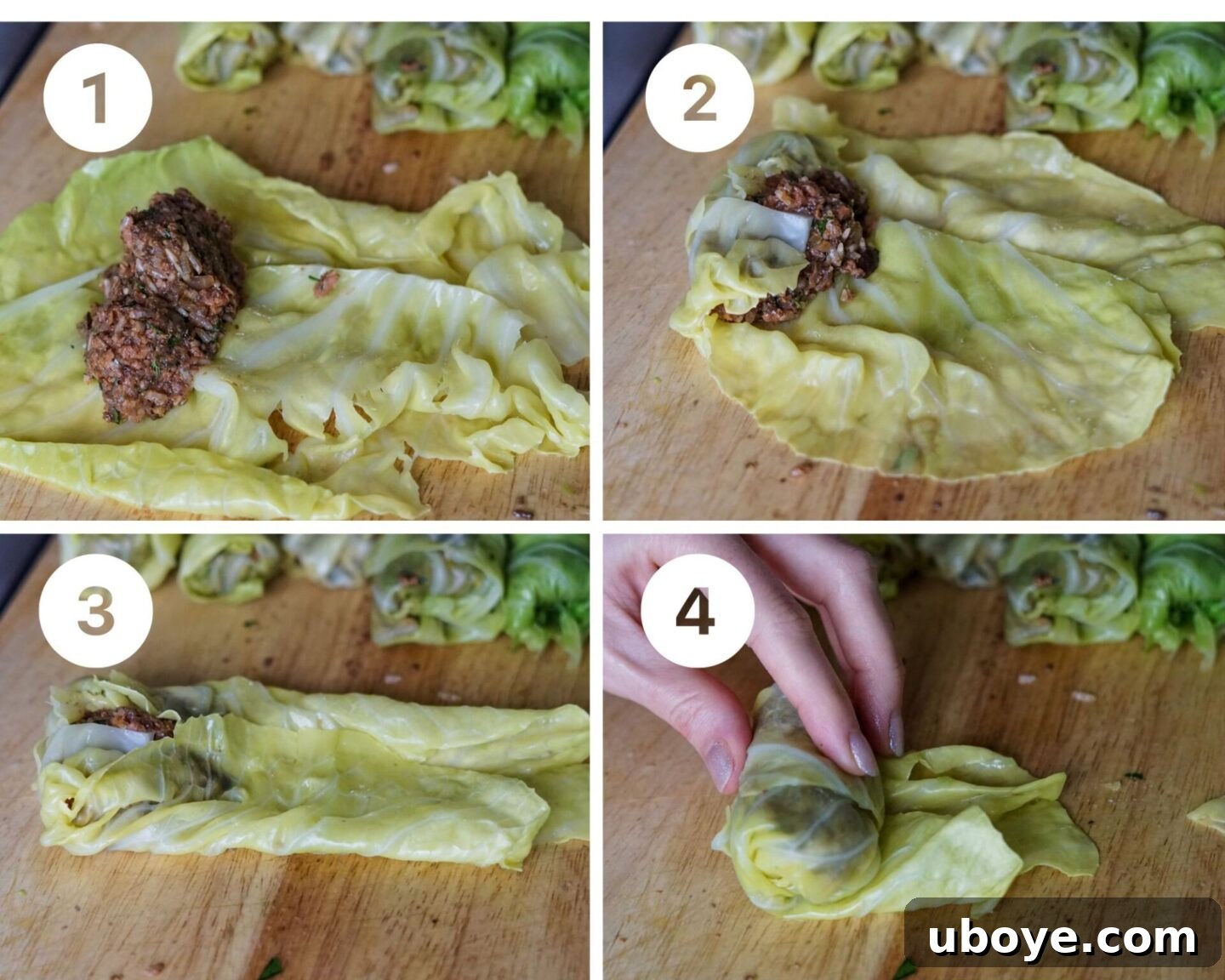
Preheat your oven to 375 degrees Fahrenheit (190 degrees Celsius). Now, it’s time for the art of rolling! Take one prepared cabbage leaf and place approximately ¼ cup of the filling onto its lower third. Begin by folding the base of the leaf over the filling, then tuck in the sides neatly, and finally, roll the leaf forward tightly to form a compact parcel. Adjust the amount of filling; use a little more for larger leaves and slightly less for smaller ones. For a visual guide, watching a video demonstration can be incredibly helpful for mastering this technique! Repeat this process with all the remaining cabbage leaves and filling.
Arrange your beautifully stuffed cabbage rolls snugly in the pot, on top of the chopped cabbage ribs. Line them up so they are touching but not overly compact, allowing for even cooking. If you have any extra cabbage leaves or pieces, finely chop them and sprinkle them over the top of the rolls; remember our commitment to minimal waste and maximum flavor!
4. Prepare and Pour the Sauce
In a large mixing bowl, combine all the sauce ingredients: tomato juice, the reserved cabbage cooking water (or fresh water), tomato paste, smoked paprika, olive oil, salt, and sugar. Whisk everything together thoroughly until well combined. Taste the sauce and adjust the seasoning as desired. Remember that this sauce will not only flavor the rolls themselves but also the chopped cabbage at the bottom of the pot, so ensure it’s seasoned perfectly.
Carefully pour the rich tomato sauce evenly over the arranged cabbage rolls in the pot, making sure each roll is fully submerged. If you saved any additional chopped cabbage, sprinkle it over the top of the sauce as a final touch to ensure absolutely nothing goes to waste. Cover the pot tightly with its lid.
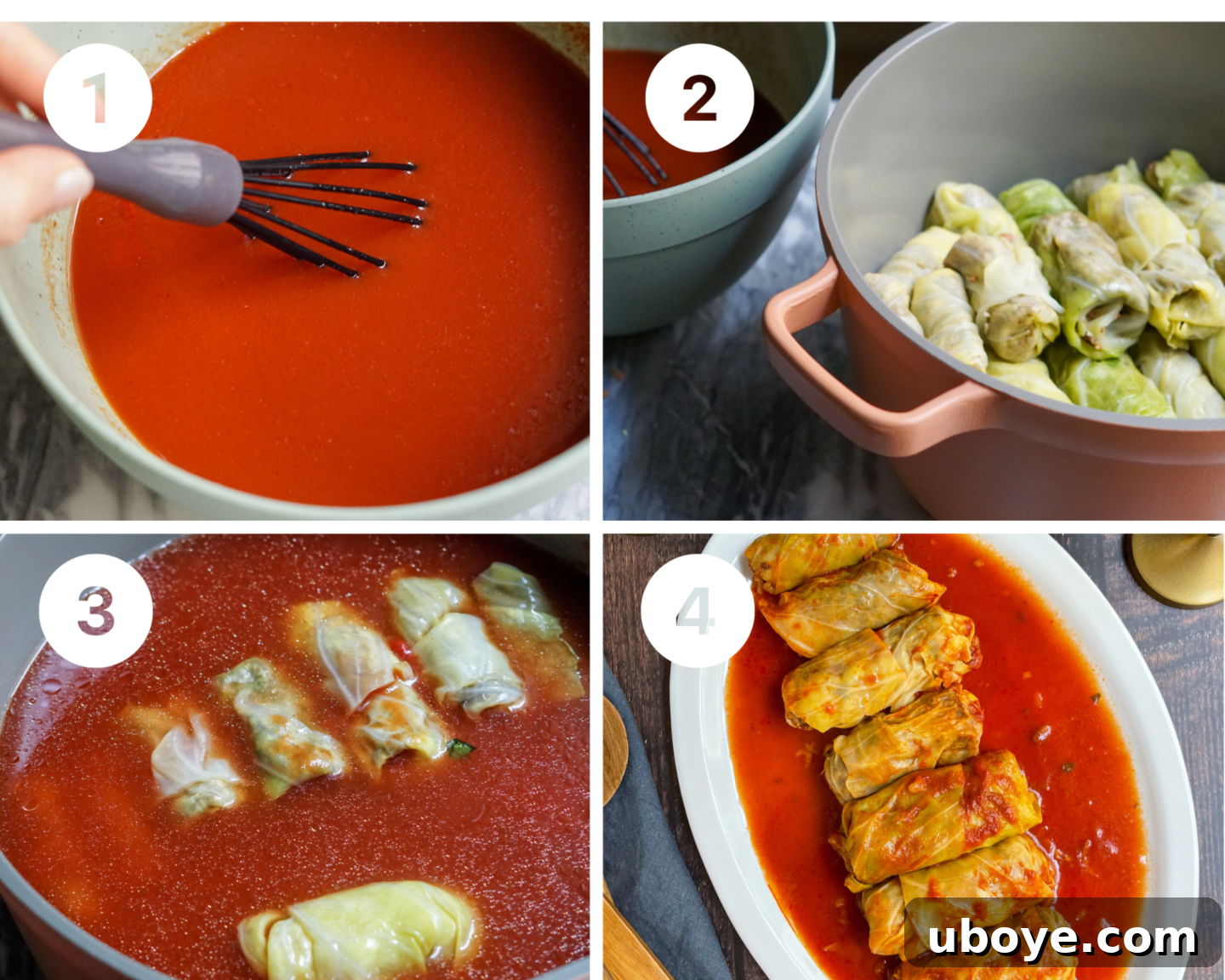
5. Bake to Perfection
Place the covered Dutch oven into your preheated oven. Bake at 375 degrees Fahrenheit (190 degrees Celsius) for approximately 1 hour and 45 minutes to 2 hours. The long, slow bake allows the rice to cook through, the cabbage to become incredibly tender, and all the flavors to meld beautifully into a cohesive and deeply satisfying dish.
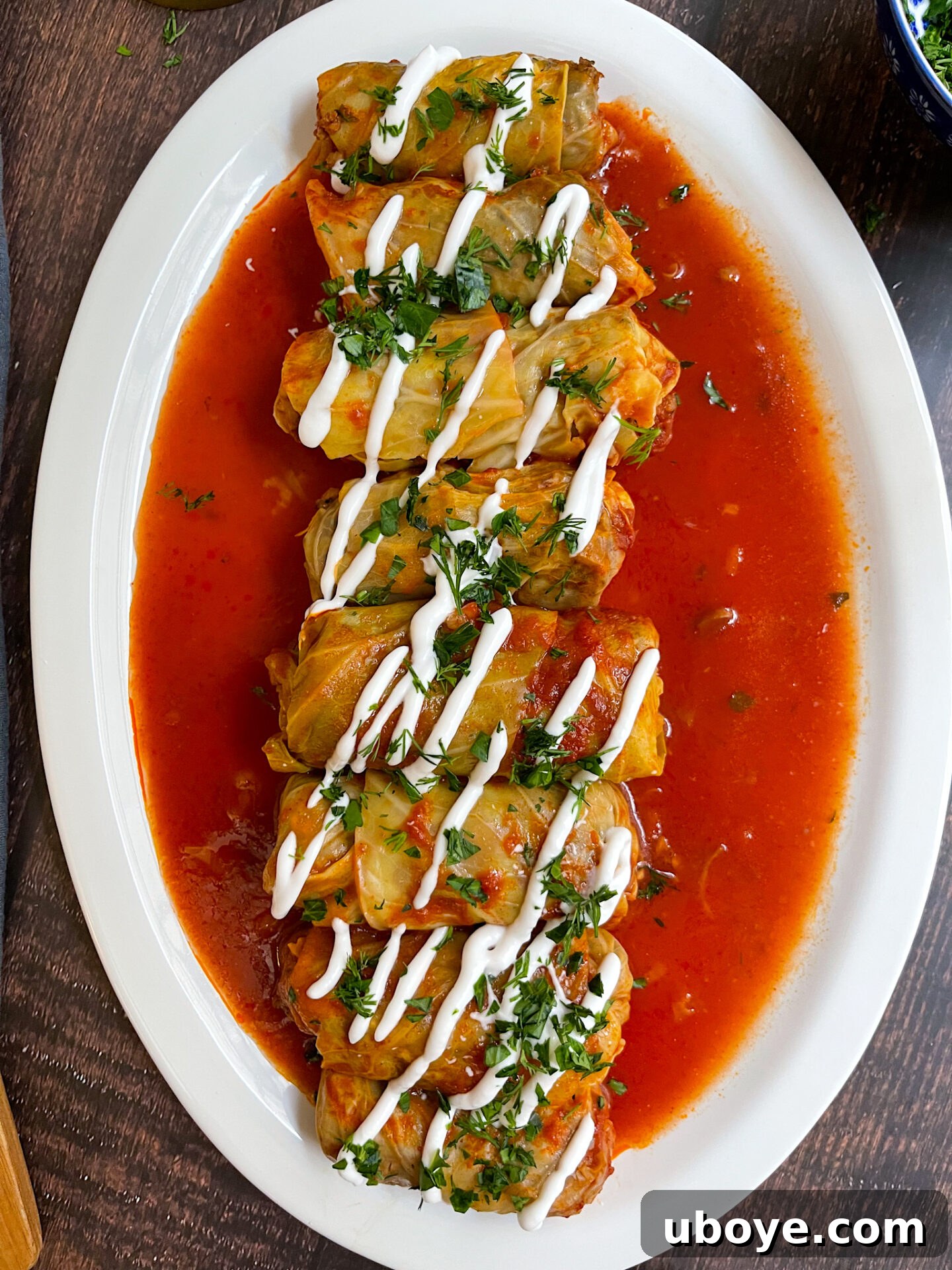
Once baked, carefully remove the pot from the oven. Serve these magnificent vegan cabbage rolls hot, garnished with a generous sprinkle of freshly chopped parsley and dill. A dollop of creamy vegan sour cream on the side is the perfect tangy accompaniment.
Can I Make Vegan Cabbage Rolls Ahead of Time?
Absolutely! This recipe is a dream for meal prep, especially when planning for holidays, dinner parties, or busy weeks, as it can be prepared in advance. To do so, follow all the steps to prepare and roll the cabbage rolls, but do not add the sauce yet. Tightly wrap the uncooked rolls (without the sauce) and store them in the refrigerator for up to 2 days. When you’re ready to bake, arrange them in your Dutch oven, pour the prepared tomato sauce over them, and then bake for approximately 2 hours, or until heated through and the rice is tender. This flexibility makes them an ideal choice for entertaining.
What Kind of Pot Do You Need to Cook Cabbage Rolls In?
For best results with this cabbage rolls recipe, you’ll need a large, oven-safe pot or a Dutch oven equipped with a tight-fitting lid. The heavy construction of a Dutch oven ensures even heat distribution, which is crucial for slow-cooking the cabbage rolls to tender perfection. I’ve personally had excellent results using this particular Dutch oven, and I’ve also successfully used this one when preparing them for my family at home. Both performed beautifully, allowing the flavors to meld and deepen without drying out.
What to Serve with Vegan Cabbage Rolls:
Cabbage rolls are a substantial meal on their own, but pairing them with the right side dish can elevate the entire dining experience. Traditionally, boiled potatoes or polenta are classic accompaniments in many cultures. As someone with Norwegian heritage, I deeply appreciate the underrated simplicity of boiled potatoes. They are incredibly delicious and creamy when prepared correctly. To serve, boil your potatoes in well-salted water, then drain and season them with a touch more salt, freshly ground black pepper, and a sprinkle of fresh parsley. This humble side provides a wonderful contrast to the rich flavors of the cabbage rolls.
For those who enjoy a visual guide, you can watch a step-by-step demonstration of this recipe:
Vegan Cabbage Rolls Recipe Card

Vegan Cabbage Rolls
By: Nicole Vranjican
A comforting vegan stuffed cabbage rolls recipe featuring a savory plant-based meat, veggie, and rice filling, slow-cooked in a rich tomato sauce.
Cook: 1 hr 45 mins
Total: 2 hrs 30 mins
Rate Recipe
Print Recipe
Ingredients
Cabbage
- 2 medium green cabbages
For the Filling
- 2 tbsp olive oil
- 1 pint cremini or white button mushrooms, finely chopped
- ½ large yellow onion, finely chopped
- 1 clove garlic, minced
- 12 oz ground vegan meat (such as Impossible)
- ¾ cup uncooked white rice, rinsed
- 1 tsp paprika
- ½ tsp kosher salt (I use Morton’s)
- ½ tsp black pepper
- 2 tbsp chopped fresh parsley (plus more for garnishing, optional)
- 2 tbsp chopped fresh dill (plus more for garnishing, optional)
- 1 tsp vegan Worcestershire sauce (such as Annie’s)
For the Sauce
- 32 oz tomato juice
- 2 cups water (or reserved cabbage cooking water)
- 1½ tbsp tomato paste
- 1½ tbsp olive oil
- 1 tbsp kosher salt (I use Morton’s)
- ½ tsp smoked paprika
- ¼ tsp sugar
For Serving
- Vegan sour cream or plain unsweetened almond milk yogurt
Instructions
Prep the Cabbage Leaves
- Start by removing the stem and core of each cabbage. Add 8 cups of water to a large oven-safe Dutch oven with a lid. Bring the water to a boil and add one cabbage at a time.
- Cook for 4-5 minutes or until outer leaves are slightly softened and tender.
- Using tongs, carefully remove the cabbage from the water and place it in a colander to cool. Repeat with the second cabbage.
- When cool enough to handle, remove outer leaves. If the center of the cabbage needs to cook a little longer to become tender, return it to the boiling water. Tip: You can save 2 cups of the water you cooked the cabbage in to use for the sauce later. If so, set it aside and discard the remaining water so the pot is empty.
- Once the leaves are softened, remove the center rib from the middle of the larger leaves so that they’re easier to roll. Stack the cabbage leaves and set aside for rolling. Finely chop the removed ribs and place them in the bottom of the pot (off the heat).
Make the Filling
- Finely dice the onions and mushrooms and mince the garlic. Chop the parsley and dill and rinse the white rice. Set everything aside. Tip: The smaller you cut the veggies, the better the filling will be. Instead of chopping by hand, I chopped both the onions and the mushrooms in this mini food processor. It makes a world of difference in the texture of the filling!
- Next, add 2 tbsp of olive oil to a large frying pan and set the heat to medium. Once warm, add the onions and cook for 5 minutes or until soft and translucent.
- Then add the garlic, paprika, salt and pepper and cook for 1 minute. Turn off the heat and add the uncooked white rice. Mix well and allow to cool slightly.
- Then add the Worcestershire sauce, chopped parsley, chopped dill and vegan ground beef (off the heat, as we’re not cooking the “meat” here) and use clean hands to mix it all together.
Roll
- First, preheat the oven to 375 degrees Fahrenheit (190°C).
- Next, spoon ¼ cup of the filling onto the bottom third of one cabbage leaf. Then fold the base of the leaf over the filling, tuck in the sides and roll forward. Repeat with remaining cabbage leaves. Tip: You’ll want to use a little more filling for the larger leaves and a little less for the smaller leaves. Watch the video for a helpful demo!
- Place the cabbage rolls on top of the chopped cabbage in the stock pot and line them up so they’re touching but not too compact. If you have extra cabbage, finely chop it up and set aside.
Make the Sauce
- Combine all of the sauce ingredients in a large mixing bowl and whisk well. Taste and add more salt as desired. Remember this sauce will season the cabbage you added to the pot as well as to the actual rolls so add salt and pepper as needed.
- Pour the sauce on top of the cabbage rolls, making sure each one is fully submerged. Sprinkle any additional chopped cabbage on top so that nothing goes to waste and cover the pot with a lid.
Bake
- Bake at 375 degrees Fahrenheit (190°C) for 1 hour and 45 minutes to 2 hours. Serve with a sprinkle of chopped parsley and dill and some vegan sour cream. Tip: This recipe is great served with boiled potatoes or polenta on the side.