

The Ultimate Guide to Making Creamy Homemade Lobster Bisque
In the world of gourmet cooking, few dishes embody the philosophy of “nose-to-tail” or “whole animal” cooking quite like lobster bisque. This culinary approach ensures that every part of the ingredient is utilized, minimizing waste and maximizing flavor. When it comes to lobster bisque, this principle is taken to heart, transforming humble shells and rich meat into an exceptionally decadent and profoundly flavorful soup. From the vibrant color to the silky-smooth texture and the deep oceanic aroma, every element of this classic French dish sings with the essence of the sea.
Crafting the perfect lobster bisque is a testament to patience and a celebration of flavor extraction. It’s a dish that demands attention but rewards with an unparalleled depth that a simple soup cannot achieve. We will guide you through the process, from creating a robust lobster stock using the shells to enhancing the final creamy consistency with perfectly poached lobster meat. Prepare to elevate your home cooking with a recipe that is both luxurious and surprisingly approachable.

The Rich History and Origins of Lobster Bisque
Lobster bisque boasts a heritage deeply rooted in French culinary tradition. The term “bisque” itself refers to a rich, creamy, and highly seasoned soup, typically made from crustaceans like lobster, crab, shrimp, or crayfish. Its origins trace back to French coastal regions, where fresh seafood was abundant, and chefs sought creative ways to extract every ounce of flavor from their ingredients. The technique of making bisque involves puréeing the cooked shells along with the vegetables to intensify the seafood essence, then straining it to achieve that signature velvety texture.
While bisque is definitively French, the specific emphasis on lobster, combined with a particular style of preparation, found a vibrant home in Louisiana, USA. This region, renowned for its French-influenced Creole and Cajun cuisines, adopted and adapted the classic bisque, infusing it with local flavors and creating its own distinct versions. The fusion of Old World French refinement with the bold, earthy flavors of the American South resulted in the sumptuous, flavor-packed lobster bisque we cherish today – a true culinary bridge between continents.
What Exactly is Bisque? A Culinary Masterpiece Explained
For those unfamiliar with this exquisite French preparation, particularly in regions where it might not be a menu staple, the question “what is bisque?” is perfectly valid. Bisque distinguishes itself from other creamy soups through its intense flavor profile and its unique preparation method. It’s not just a cream soup; it’s a celebration of concentrated seafood essence, achieved by simmering the shells of crustaceans with aromatics, then puréeing and straining the mixture to produce an incredibly smooth, luxurious liquid.
Imagine a soup that delivers a powerful punch of flavor in every spoonful, with a texture so refined it glides across your palate. That is bisque. It’s the ultimate example of extracting maximum taste from minimal waste, embodying the wisdom of culinary legends like Julia Child. Her famous mantra, “Do not wash anything off until the soup is done because you will be using the same utensils repeatedly and you don’t want any marvelous tidbits of flavor losing themselves down the drain,” perfectly encapsulates the bisque philosophy. Every scrap, every residue, every “tidbit” contributes to the symphony of flavors in the final dish. This meticulous approach is what elevates bisque from a mere soup to a truly memorable culinary experience, making it a staple in fine dining and a rewarding challenge for the home cook.

The Great Debate: Soup Is a Meal! (Especially Lobster Bisque)
The timeless question, “Is soup a meal?”, first famously debated in the sitcom Seinfeld by Jerry and his nemesis Kenny Bania, often sparks lively discussion. While Bania famously proclaimed “soup is not a meal,” Jerry vehemently retorted, “soup is a meal.” In the case of bisque, we wholeheartedly side with Jerry. Lobster bisque is far more than a mere appetizer or a light course; it is a profoundly satisfying, rich, and nutrient-dense dish that can stand proudly as the centerpiece of any dining experience.
Unlike a thin broth or a simple vegetable soup, lobster bisque is built on layers of flavor and richness, starting with a deeply concentrated seafood stock and culminating in a velvety, creamy texture. The addition of succulent chunks of lobster meat transforms it into a hearty and fulfilling dish. Served with a crusty baguette or a gourmet cheese toastie, it offers a complete and luxurious meal that satisfies both the palate and the appetite. So, next time someone questions the meal-worthiness of soup, simply present them with a bowl of homemade lobster bisque – it’s an irrefutable argument in edible form!
Crafting the Perfect Lobster Bisque: A Journey of Flavors
Building the exquisite flavors of lobster bisque is an art that requires patience and an understanding of how each ingredient contributes to the final masterpiece. The foundation of any great bisque is its stock, and for lobster bisque, this means a deep, aromatic seafood stock made primarily from the lobster shells themselves. This initial step is critical and takes time—typically one to two hours of gentle simmering—to extract every nuance of the lobster’s oceanic essence.
Once the rich stock is prepared, the journey continues with layering additional flavors. We introduce key aromatics and vegetables that complement and enhance the lobster’s natural sweetness. Sautéed celery, carrots, and onions form a classic mirepoix, providing a sweet and savory base. A bay leaf adds a subtle herbal note, while a touch of tomato paste deepens the color and contributes a vital umami complexity. The addition of white wine is crucial; it deglazes the pan, lifting all those caramelized bits of flavor from the bottom and introducing a bright acidity that balances the richness of the bisque. Finally, heavy cream is stirred in, imparting the signature velvety texture and luxurious mouthfeel that defines a true bisque. Each component is carefully selected and added sequentially, building a symphony of tastes that culminates in an unforgettable culinary experience.
Maximizing Your Lobster: From Rolls to Bisque
My culinary journey with lobster often begins with a craving for its delicate, sweet meat in various forms. This particular exploration started with crafting backyard barbecue classics like buttery lobster rolls, where the tender meat is the star. Following that, I enjoyed the simplicity of whole, butterflied, and barbecued lobster tails, infused with robust garlic flavor. It’s this philosophy of enjoying lobster in its entirety, extracting every bit of value and flavor, that naturally led me to the art of bisque.
The beauty of making bisque is that it often utilizes parts of the lobster that might otherwise be discarded – primarily the shells. After enjoying the pristine meat in other dishes, the shells become the foundation for an incredibly rich stock, ensuring nothing goes to waste. This makes bisque not only a delicious standalone dish but also an ingenious way to extend the pleasure and value of your lobster feast. It’s a testament to sustainable cooking and clever culinary planning, transforming remnants into a new, equally spectacular dish.
The Secrets to My Unforgettable Lobster Bisque
While the fundamental steps of making bisque are straightforward, there are a few “secrets” that elevate my lobster bisque from good to truly unforgettable. My primary tip lies in the garnish: generous chunks of perfectly cooked lobster meat. Because, as the saying goes, there’s no such thing as too much lobster – much like one can never have a wallet too full of money! This ensures that every spoonful delivers not only the rich, creamy soup but also satisfying bites of succulent seafood, reminding you of the star ingredient.
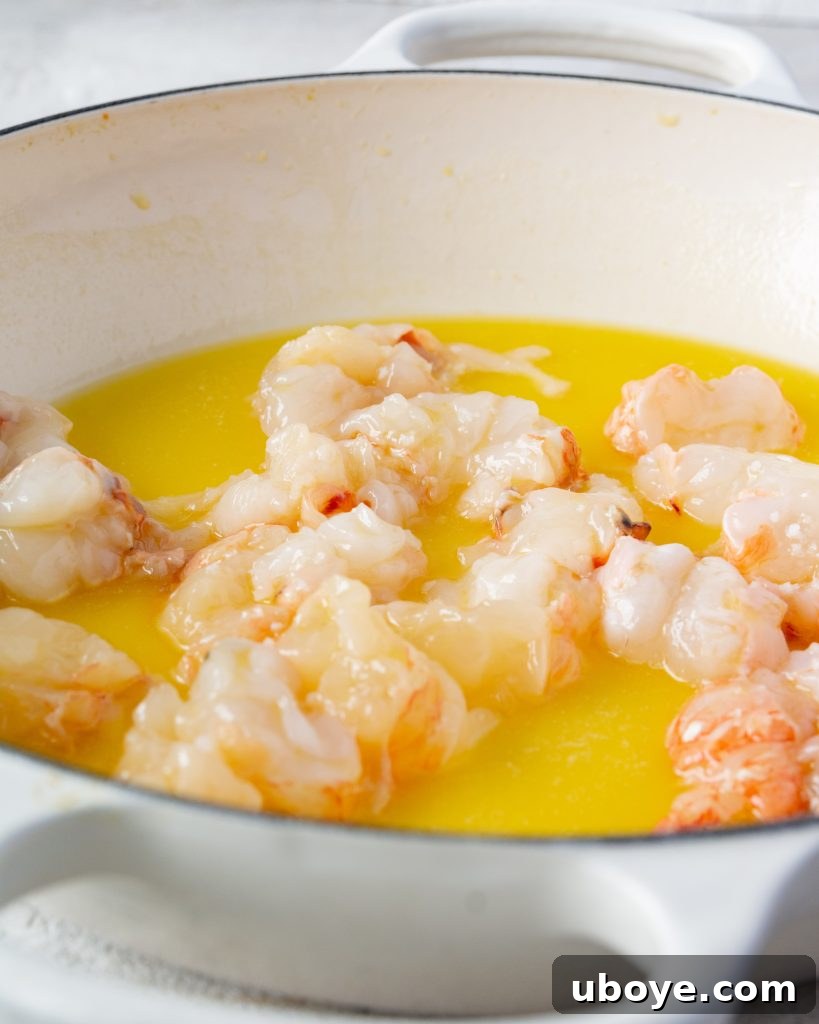
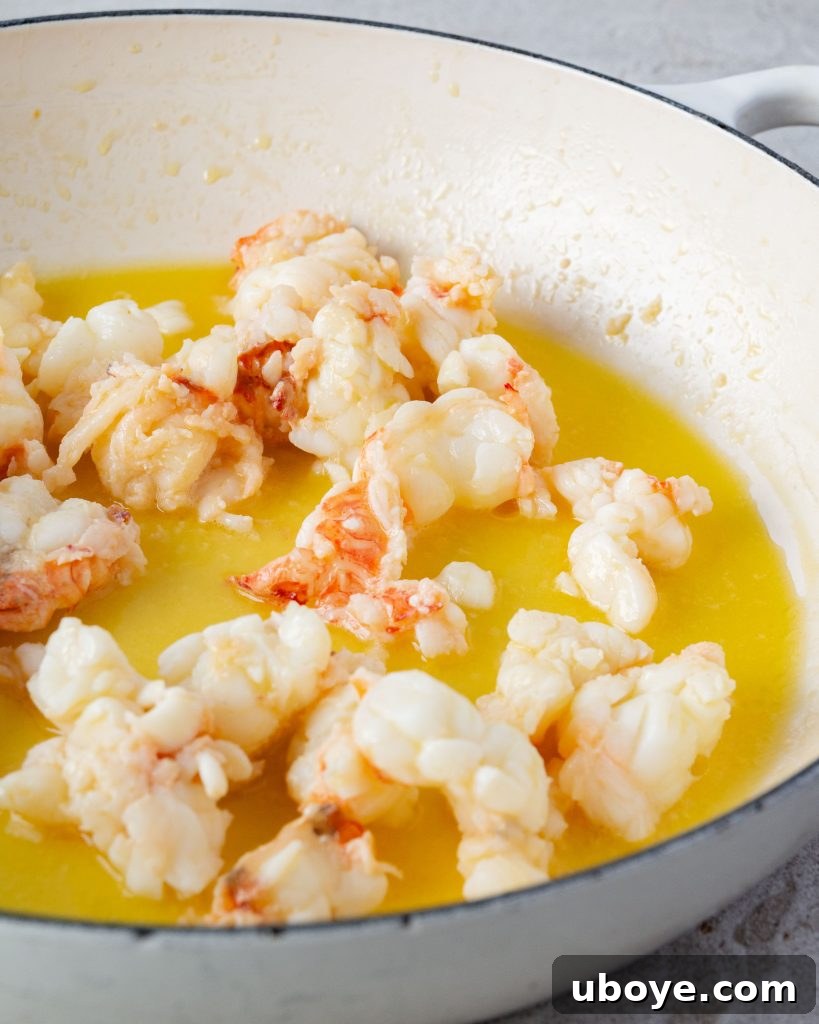
Another crucial secret for incredibly tender and flavorful lobster chunks is to gently poach the meat in butter. This technique, cooked low and slow, prevents the lobster from becoming rubbery and instead infuses it with a luxurious richness, ensuring it remains incredibly tender and juicy. This simple step adds an extra layer of decadence and guarantees that the lobster meat, when added back into the finished bisque, is as perfect as the soup itself. It’s these small, deliberate steps that transform a classic recipe into a truly extraordinary culinary experience.
How to Serve Your Decadent Lobster Bisque
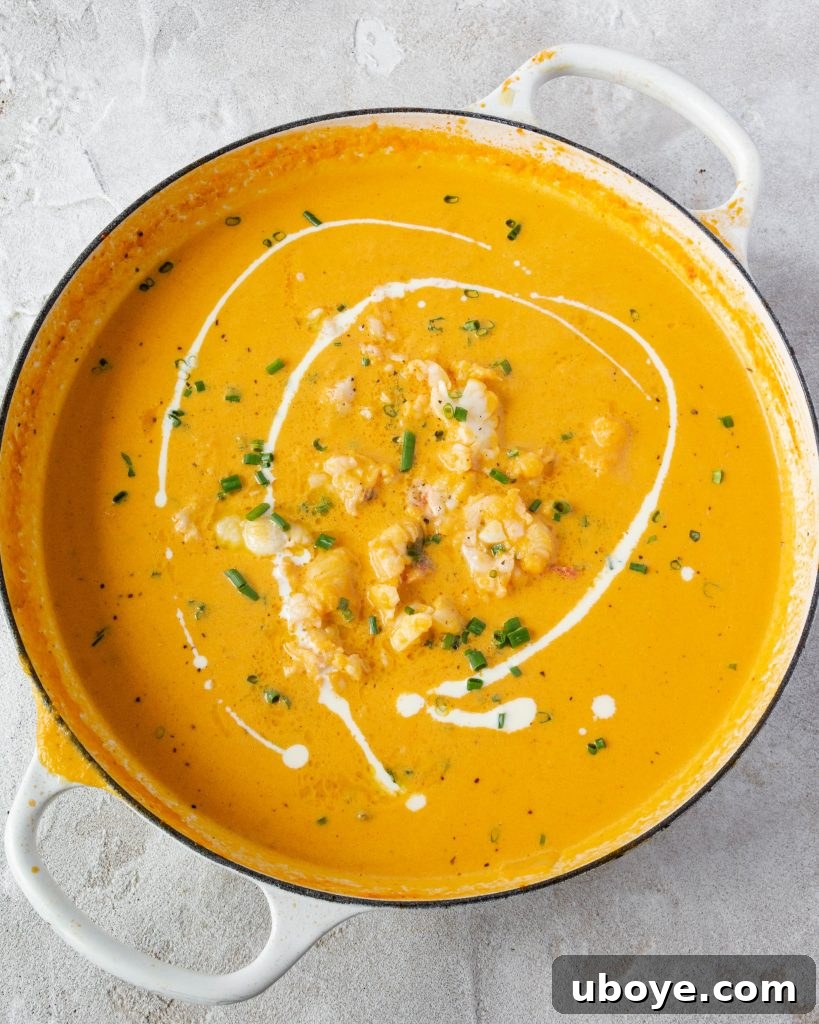
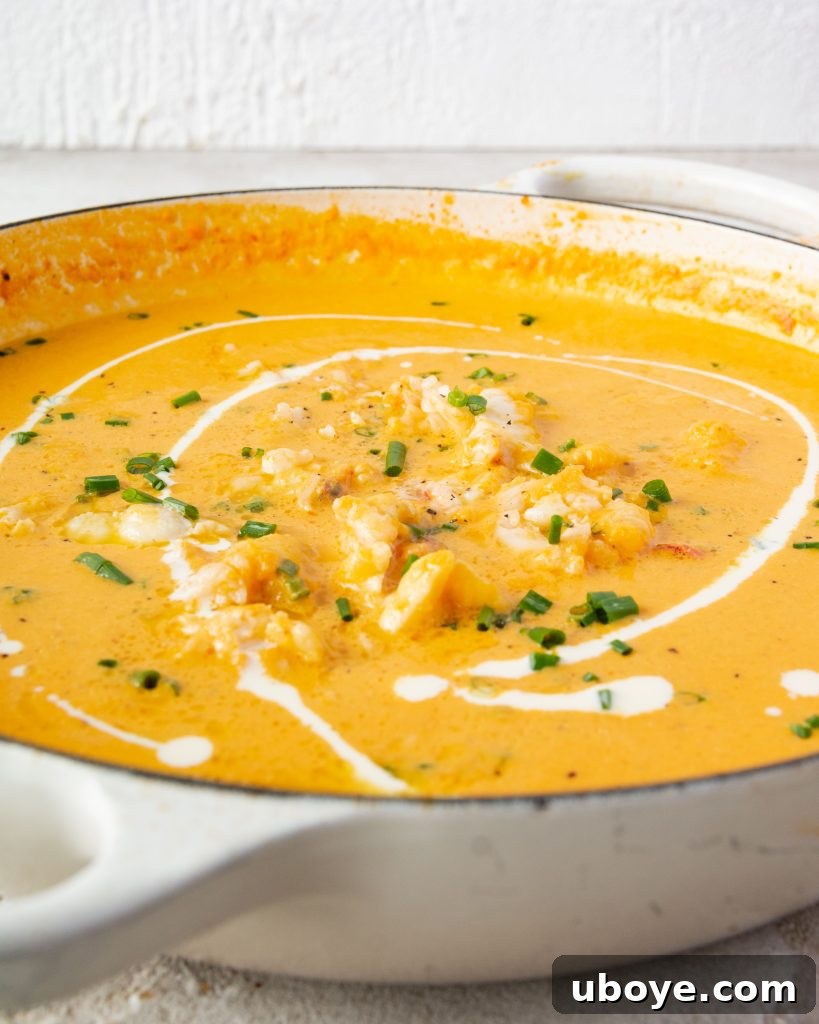
Once your exquisite lobster bisque is ready, presentation and accompanying elements can further enhance the dining experience. To serve this luxurious dish, I recommend starting with a fresh crack of black pepper, which adds a subtle heat and aromatic complexity. A generous sprinkling of finely chopped chives provides a delicate oniony freshness and a vibrant splash of color. And, of course, those beautifully butter-poached chunks of lobster meat are essential, scattered on top to ensure every diner gets a taste of the star ingredient.
For an even more complete meal, consider serving your bisque alongside some freshly toasted crusty bread, perfect for soaking up every last drop of the rich soup. For an indulgent pairing, a warm, gooey cheese toastie (grilled cheese sandwich) offers a delightful textural contrast and a comforting complement to the bisque’s richness. A light, crisp green salad with a simple vinaigrette can also offer a refreshing balance to the meal. Whether for a special occasion or a sophisticated weeknight dinner, serving your homemade lobster bisque with these thoughtful additions will create an unforgettable culinary moment for you and your guests.

If you embark on the delightful journey of making this homemade lobster bisque, I would absolutely love to see your culinary creations! Please share your photos and tag me on Instagram, TikTok, or Pinterest. Your wonderful dishes inspire me and the entire community!
Do you have any questions about this recipe or want to share your feedback? Please don’t hesitate to leave a comment below! I always enjoy connecting with fellow food enthusiasts and answering your cooking-related queries. Your insights and reviews help make our culinary community even better.

Lobster Bisque Recipe
Ingredients
- 500-800 g lobster tails in shell, 1.1 – 1.8 Lb
- 7 garlic cloves, peeled
- 4 sprigs thyme
- 5 cups water
- 100 g unsalted butter, 1/4 Lb
- 1/2 tbsp olive oil
- 2 celery stalks, chopped
- 2 carrots, peeled and chopped
- 1 onion, diced
- 1 bay leaf
- 1 tbsp tomato paste
- 1/2 cup white wine
- 200 mL heavy cream
- salt + pepper to taste
- chives to serve
Instructions
- Remove the lobster meat from the shell. Using shearing scissors, turn the tail over and cut down the middle. Peel the shell away and remove the meat. Chop into large pieces.
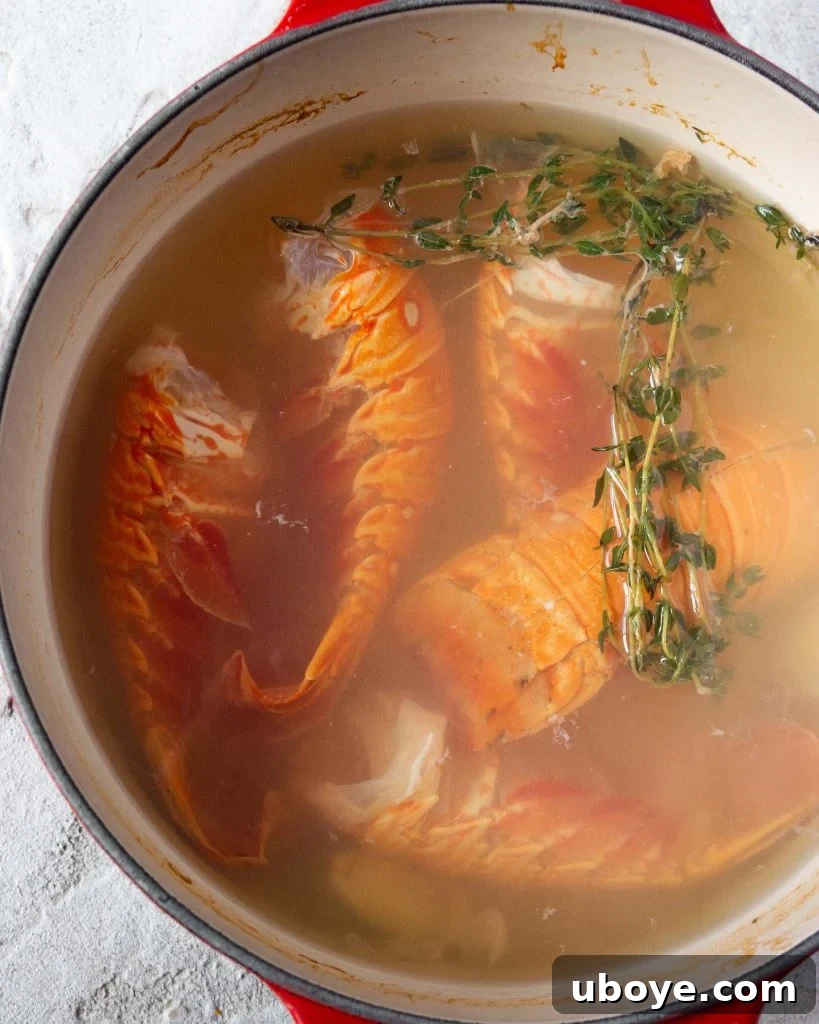
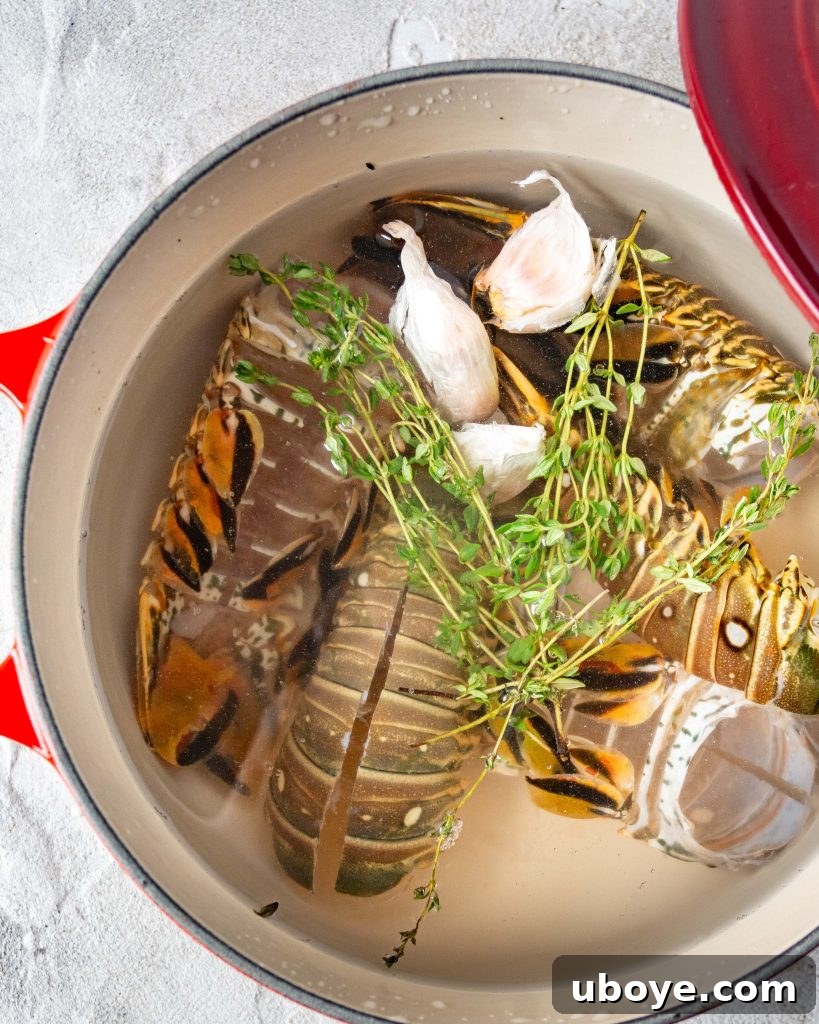
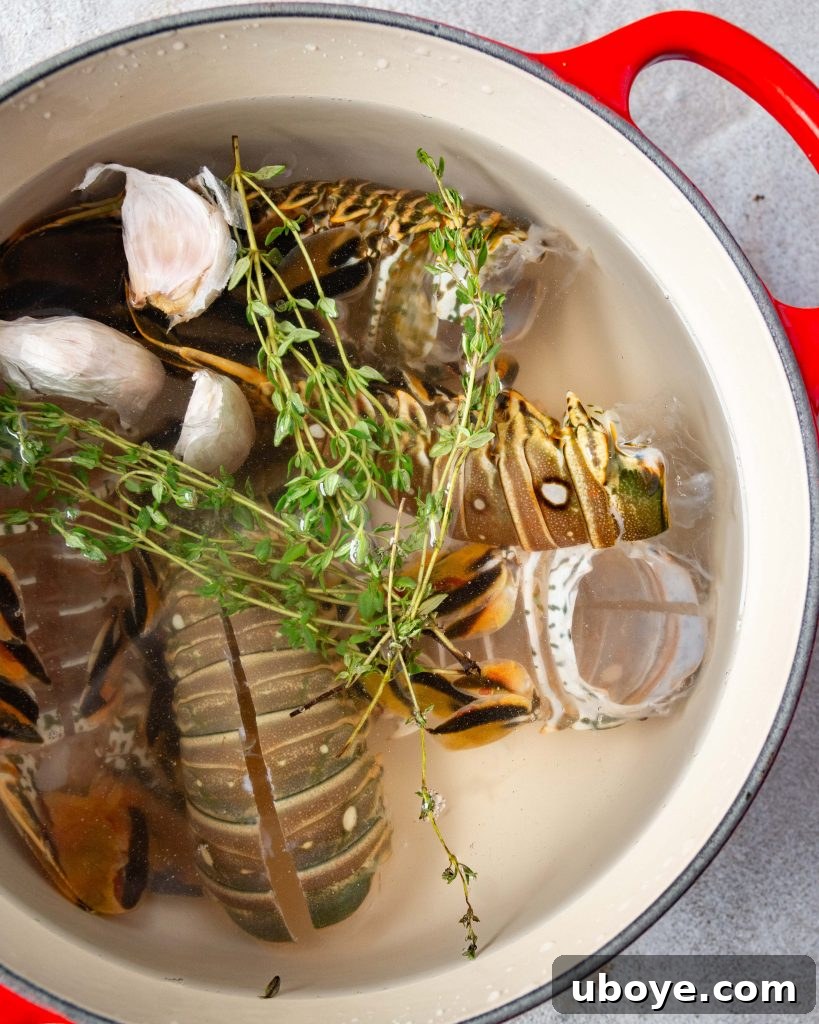
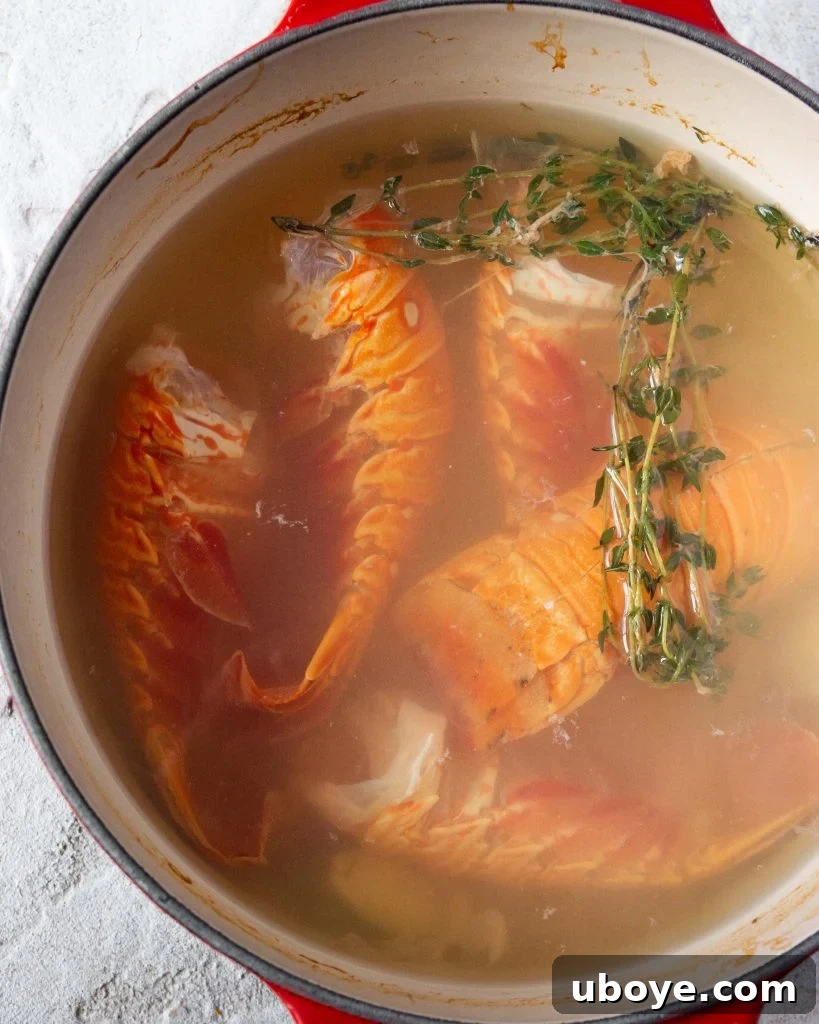
- To create the lobster stock, add the lobster tail shells into a large pot with 3 whole garlic cloves, 2 thyme sprigs and 5 cups of water. On a high heat, bring to the boil then reduce the heat to low – medium or until the stock is at a slow simmer. Pop the lid on and simmer for 1 – 2 hours. Through a fine mesh strainer, strain the stock and set to the side. Discard of the shells and aromatics. You should be left with 4 cups of stock. If you have any extra, store in the freezer and use in any recipe that calls for seafood stock.
- In a heavy based saucepan on a low heat, melt the butter. Drizzle with olive oil and then add the lobster meat. Cook on a very low heat so there is only a slight bubble to the butter as we want to slowly poach the lobster meat. Cook for 3 – 5 minutes or until the lobster meat turns pink. Using a slotted spoon, remove the lobster meat from the pan, ensuring you leave as much of the butter in the pan as possible.
- Turn the heat to medium – high and add the celery, carrots, onion, bay leaf and remaining garlic cloves and thyme sprigs to the pot. Cook for 5 minutes while stirring occasionally. Turn the heat to high and add the tomato paste. Cook for 3 minutes or until the tomato paste turns a deep red brick colour and is almost sticking to the bottom of the pan. Deglaze the pan with white wine and cook until 80% of the liquid has been absorbed. Add 4 cups of the lobster stock to the pot and bring to a simmer. Cook for 30 minutes.
- Using a hand held blender, blend the soup until you have a smooth consistency. You can also do this step in a blender but just be careful and ensure your soup has slightly cooled before blending.
- Stir through the cream. Sprinkle over the lobster meat and chives and finish with a crack of black pepper.
 Like this? Leave a comment below!