
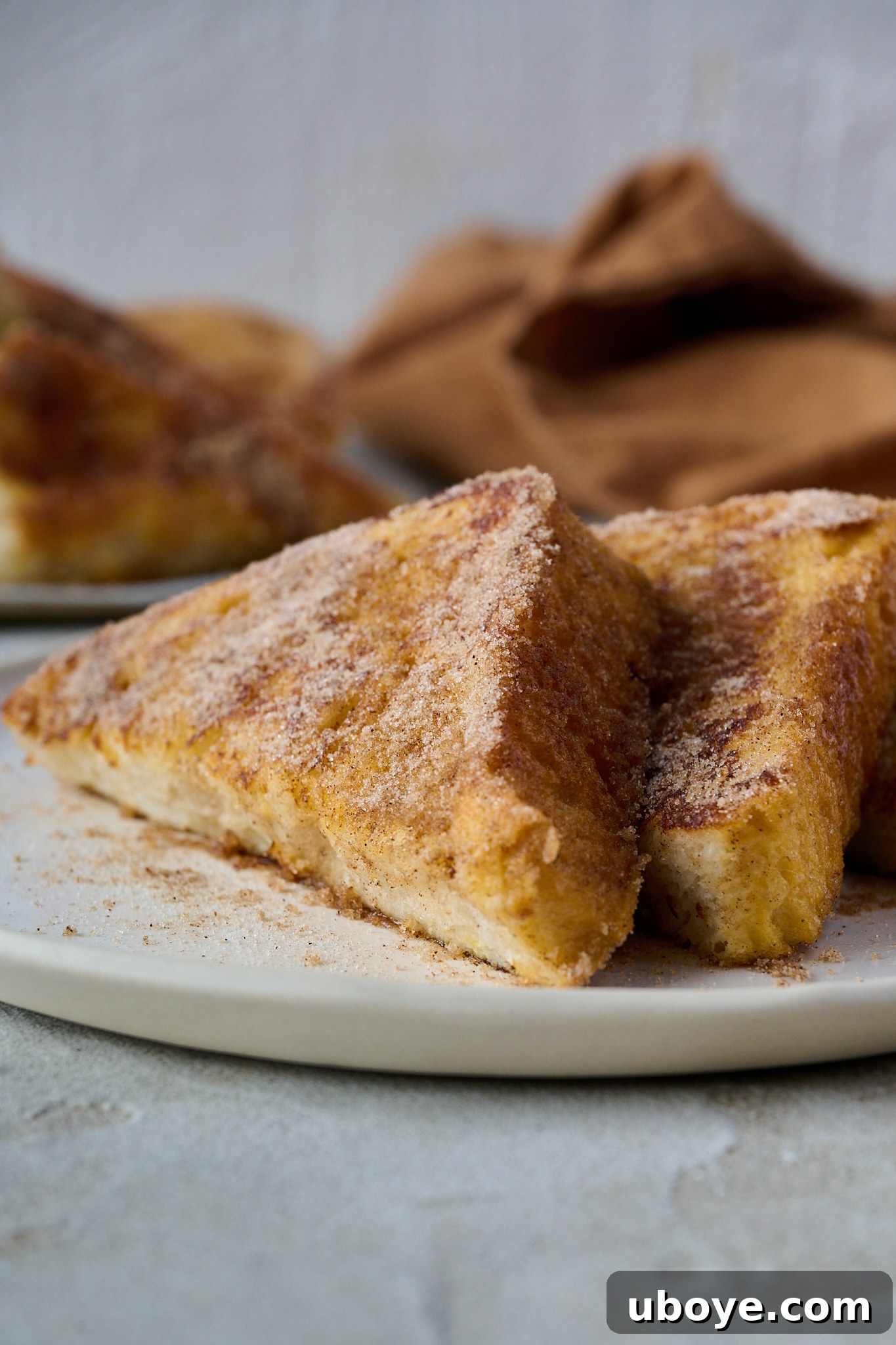
Torrijas (Spanish French Toast): An Authentic, Custardy Delight
Growing up in a Spanish household, the aroma of Torrijas — the quintessential Spanish take on French toast — was a signal for a truly special occasion. These indulgent treats feature thick slices of day-old bread, lovingly soaked in fragrant orange-infused milk, then dipped in beaten eggs, and pan-fried in rich olive oil until they achieve a perfect golden crispness. Finally, they’re dusted generously with a sweet cinnamon sugar mixture. The result is nothing short of heavenly: a tender, custardy interior encased in a delicately caramelized crust that melts in your mouth.
Torrijas hold a cherished place in Spanish culinary traditions, particularly during Easter and Lent, though their comforting allure means they are enjoyed by families like mine throughout the year. If you’re looking to explore more delightful sweet treats, you might also enjoy my classic French Toast recipe or my refreshing lemon olive oil cake.
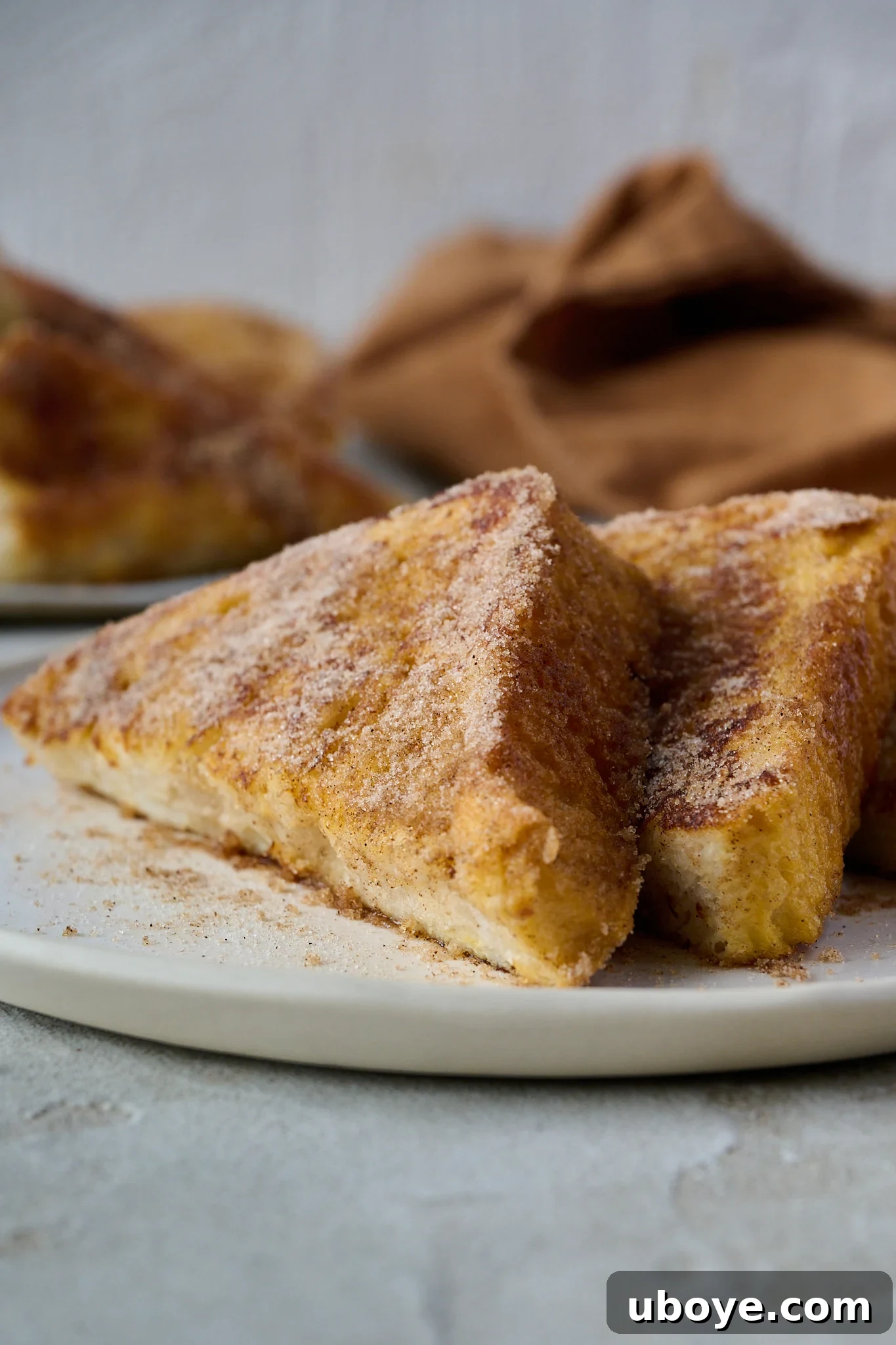
Why You’ll Fall in Love with My Family’s Torrijas Recipe!

The mere mention of “Torrijas” by my great Abuelo from the kitchen would ignite a flurry of excitement amongst us children. We knew a truly delicious and comforting meal was on its way! This recipe for Torrijas is more than just a dessert; it’s a journey back to cherished family memories, delivering a perfect balance of a custard-like center and a delightfully golden, crispy exterior. It truly is a delicious sweet treat that brings joy with every bite.
What makes this Spanish delicacy so remarkable is its ability to transform the simplest, humble ingredients – day-old bread, fresh milk, eggs, and quality olive oil – into something profoundly comforting and nostalgic. The secret lies in the details: the orange-infused milk imparts an exquisite, delicate flavor to each slice, while the cinnamon sugar adds just the right touch of sweetness and warm spice. And, crucially, frying the Torrijas in extra virgin olive oil creates that distinctively golden and authentic Spanish crust, setting it apart from other variations. While traditionally associated with the solemn observance of Lent and Easter, my family, like many modern Spanish households, embraces Torrijas as a beloved treat to be savored all year long. This recipe embodies generations of flavor and love, making it a must-try for anyone seeking an authentic Spanish culinary experience.
The Rich History and Cultural Significance of Torrijas
Torrijas are deeply embedded in Spanish culture, with their origins tracing back centuries, often linked to times of abstinence and fasting, particularly during Lent and Holy Week (Semana Santa). Historically, they were a practical and resourceful way to utilize stale bread, preventing waste while providing a nourishing and satisfying dish during periods when meat consumption was restricted. The use of milk, eggs, and honey (or sugar) made them a hearty and energy-rich food, much appreciated after long religious observances.
While their religious roots are significant, Torrijas have evolved to become a beloved symbol of Spanish home cooking and hospitality. Every family often has its own subtle variations – some prefer lemon peel over orange, others add a touch of wine to the milk, or infuse it with additional spices like star anise or cloves. Regardless of the regional nuances, the core essence of Torrijas remains: a humble yet incredibly decadent sweet bread, cherished for its comforting warmth and the joyful memories it evokes. Sharing Torrijas with loved ones is a quintessential Spanish experience, embodying tradition, family, and the simple pleasure of good food.
Understanding the Key Ingredients for Perfect Torrijas
Creating truly authentic and delicious Torrijas requires a handful of simple ingredients, but the quality and type of each play a crucial role in the final outcome. The secret truly lies in starting with the right foundation.
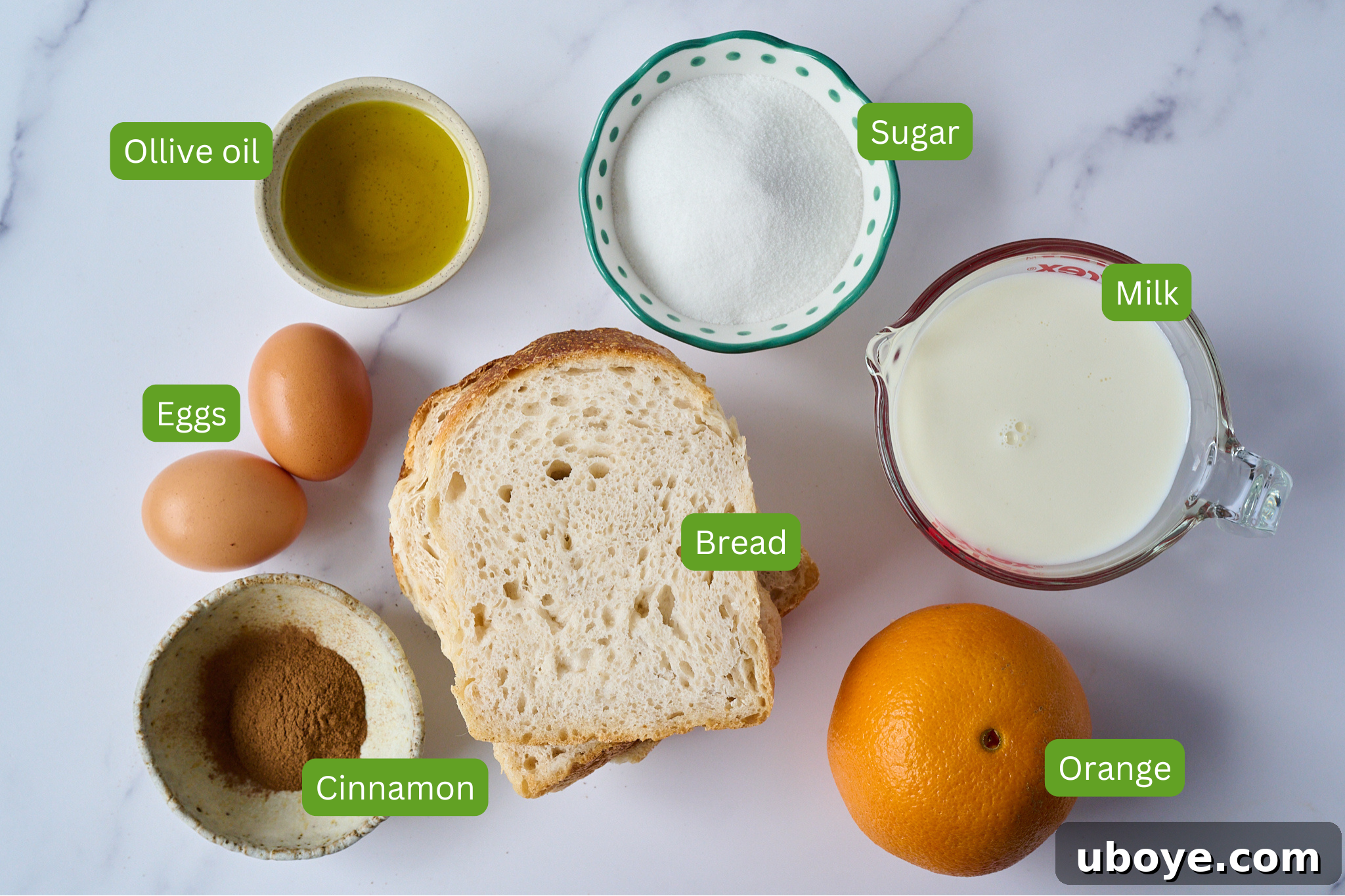
- Day-old bread — This is the absolute cornerstone of Torrijas. Thick, slightly stale slices are essential because they are firm enough to hold their shape during the soaking process while being porous enough to absorb all that beautiful, flavor-infused milk without becoming soggy or falling apart. Opt for robust varieties like a white sourdough, a rustic country loaf, or ciabatta for the best texture. Fresh bread will simply disintegrate.
- Milk — Gently warmed and infused with aromatic elements, the milk serves to soften the bread and create that signature tender, custardy center. Whole milk is often preferred for its richness, but you can use other types. The infusion step is key to imparting deep flavor.
- Orange peel (or lemon) — This citrus element is what truly elevates Torrijas, adding a most delicate and authentic perfume, just like the traditional Spanish version. Ensure you peel only the brightly colored zest, avoiding the bitter white pith. While orange is classic, lemon peel is a popular alternative. Some traditional recipes also call for infusing the milk with warming spices such as a star anise pod or a cinnamon stick for added depth and fragrance.
- Eggs — These act as the binding agent, creating a protective coating around the soaked bread. When fried, the egg forms a beautiful golden, slightly fluffy exterior that complements the custardy interior.
- Extra virgin olive oil — This is arguably the defining ingredient that makes Torrijas uniquely Spanish and distinguishes them from French toast, which typically uses butter. Frying in olive oil imparts a subtle fruity note and contributes to that characteristic golden, crisp crust that is so highly prized. Don’t be tempted to substitute with other oils; the olive oil is crucial for authentic flavor.
- Cinnamon Sugar — A simple yet vital component, this blend provides the final layer of sweetness and warmth, creating a delightful exterior finish that complements the rich, custardy interior.
A complete and detailed list of ingredients, including precise measurements, can be conveniently found in the recipe card further down this page.
How To Make Torrijas: A Step-by-Step Guide
Crafting this delightful Spanish dessert is surprisingly straightforward, transforming simple pantry staples into an extraordinary treat. The process is meditative and rewarding, leading to a truly comforting result. Here’s how to bring authentic Torrijas to life in your kitchen:
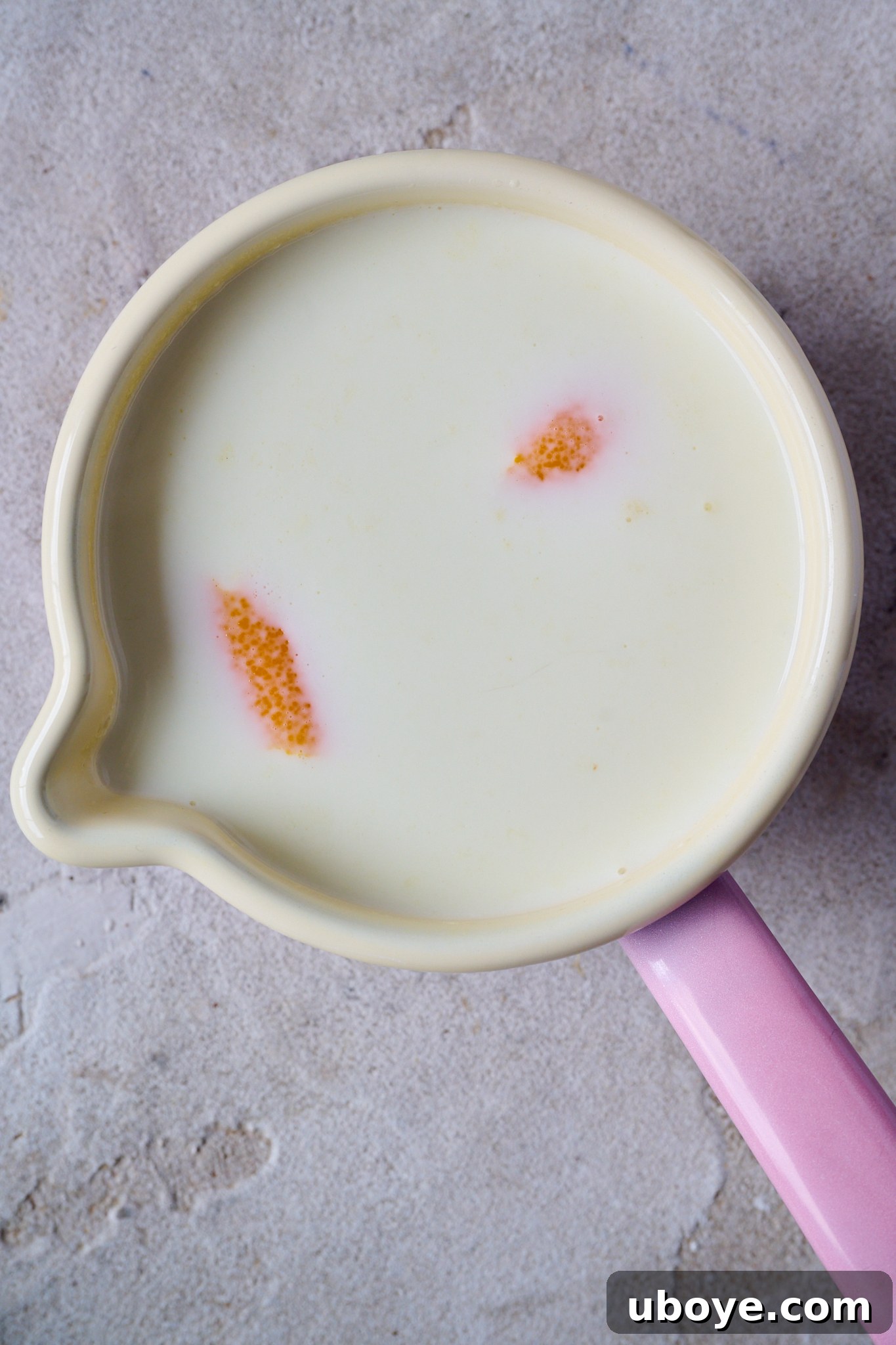
Step 1: Infuse the Milk. Begin by gently warming the milk. In a small pot, combine the milk and the strips of orange peel (and any optional spices like cinnamon stick or star anise, if using). Place the pot over a low heat and bring the milk to a slow simmer, just until it’s warm and fragrant, but not boiling. This gentle heat allows the citrus and spices to infuse beautifully. Once warmed, remove the pot from the heat and let it sit for a few minutes to further steep the flavors.
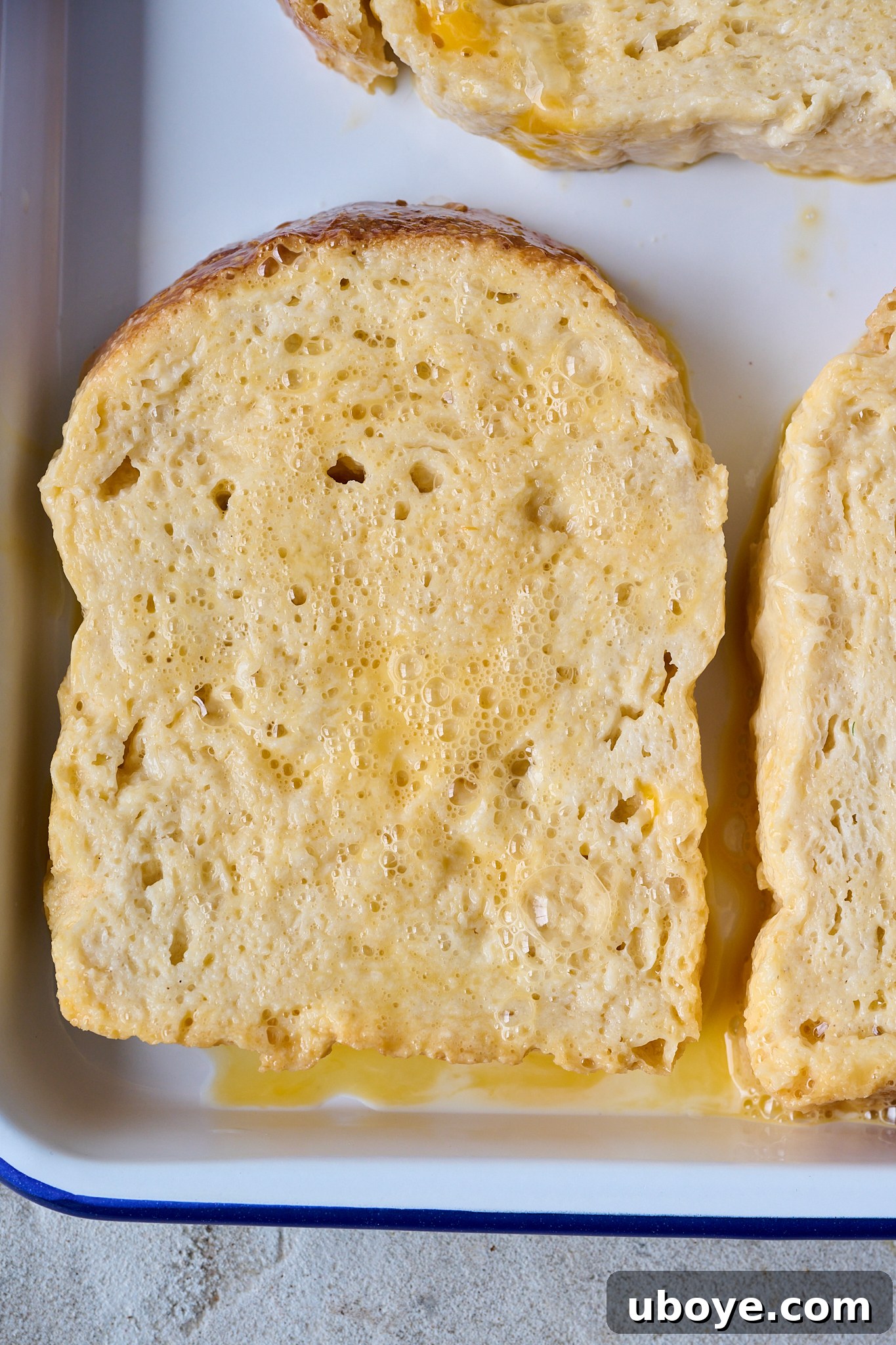
Step 2: Soak the Bread & Prepare for Frying. Arrange your thick slices of day-old bread in a large baking dish or on a baking sheet with a raised lip. Carefully pour the warm, infused milk evenly over the bread. Allow the bread to soak in the milk until each slice is thoroughly saturated, feeling soft and custardy to the touch, but critically, not falling apart or becoming overly soggy. This step is essential for the tender interior. Once soaked, gently remove the bread from the milk and let the excess liquid drain off by resting the slices on a plate or a cooling rack. In a separate shallow bowl, whisk the eggs until well combined. Then, carefully dip each milk-soaked bread slice into the beaten eggs, ensuring both sides are fully coated.
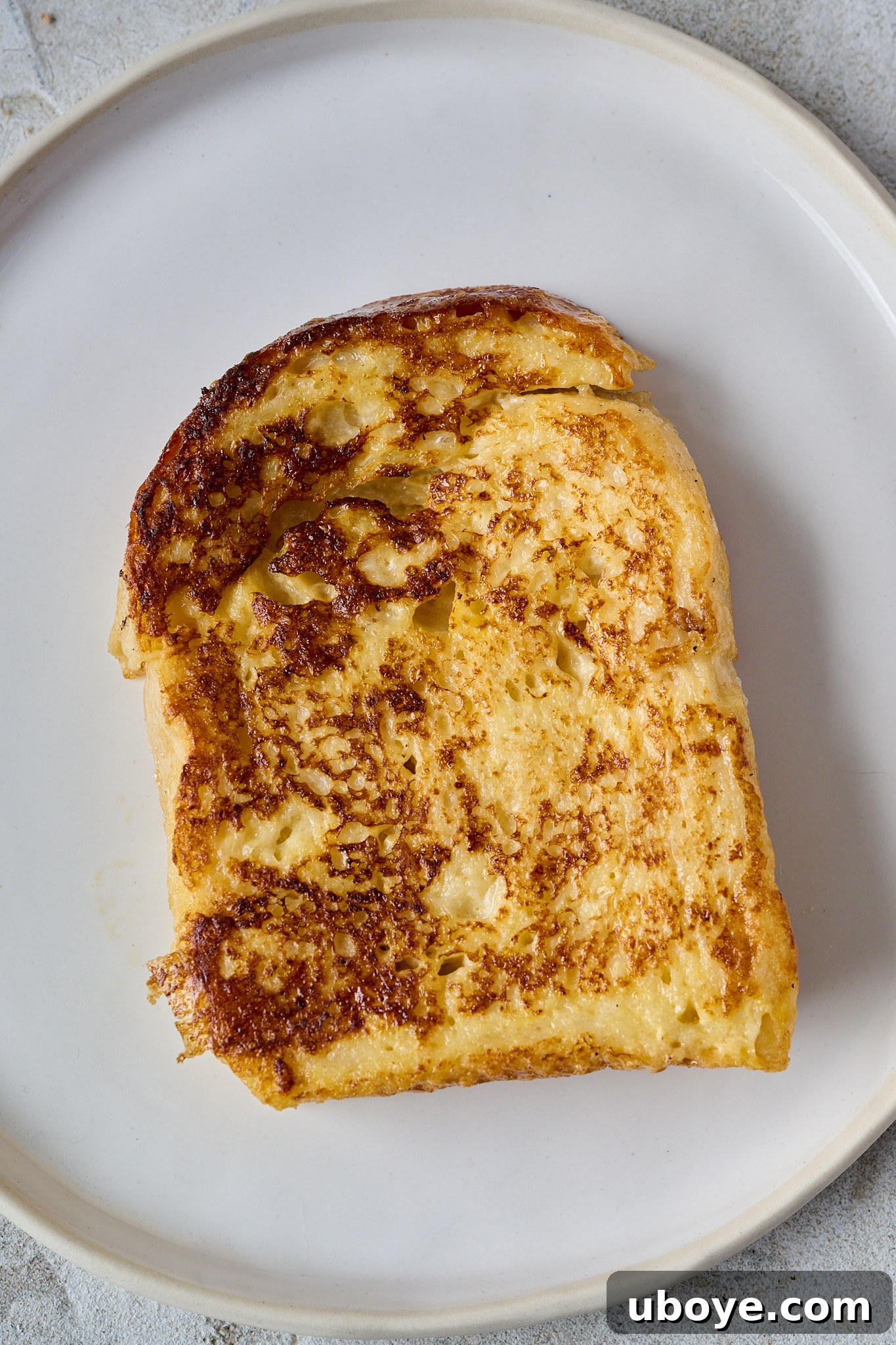
Step 3: Fry to Golden Perfection. Heat 1-2 tablespoons of extra virgin olive oil in a large frying pan over medium heat. Ensure the oil is shimmering but not smoking. Gently place two slices of the egg-dipped bread into the hot pan at a time, being careful not to overcrowd it. Fry for 2-3 minutes on each side, or until they achieve a beautiful golden-brown color and a wonderfully crispy exterior. Once cooked, remove the Torrijas from the pan and place them on a clean plate or a wire rack to briefly cool while you continue frying the remaining slices.
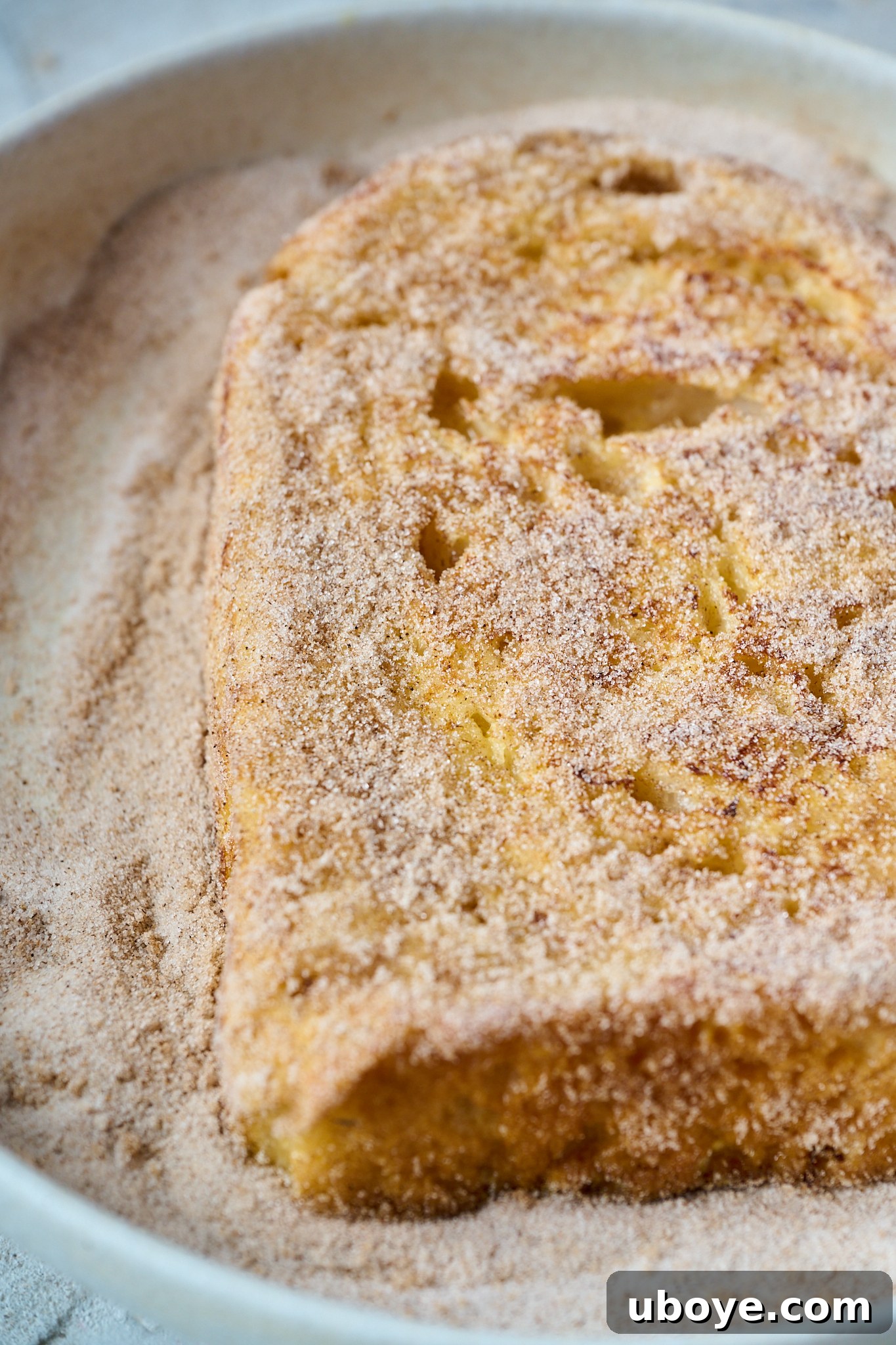
Step 4: Coat with Cinnamon Sugar. In a shallow bowl, combine the granulated sugar and ground cinnamon. Mix them thoroughly until they are perfectly blended. While the Torrijas are still warm (this helps the sugar adhere), gently dip each fried slice into the cinnamon sugar mixture, ensuring both sides are completely and evenly coated. The warmth of the bread will slightly melt the sugar, creating a delightful glaze.
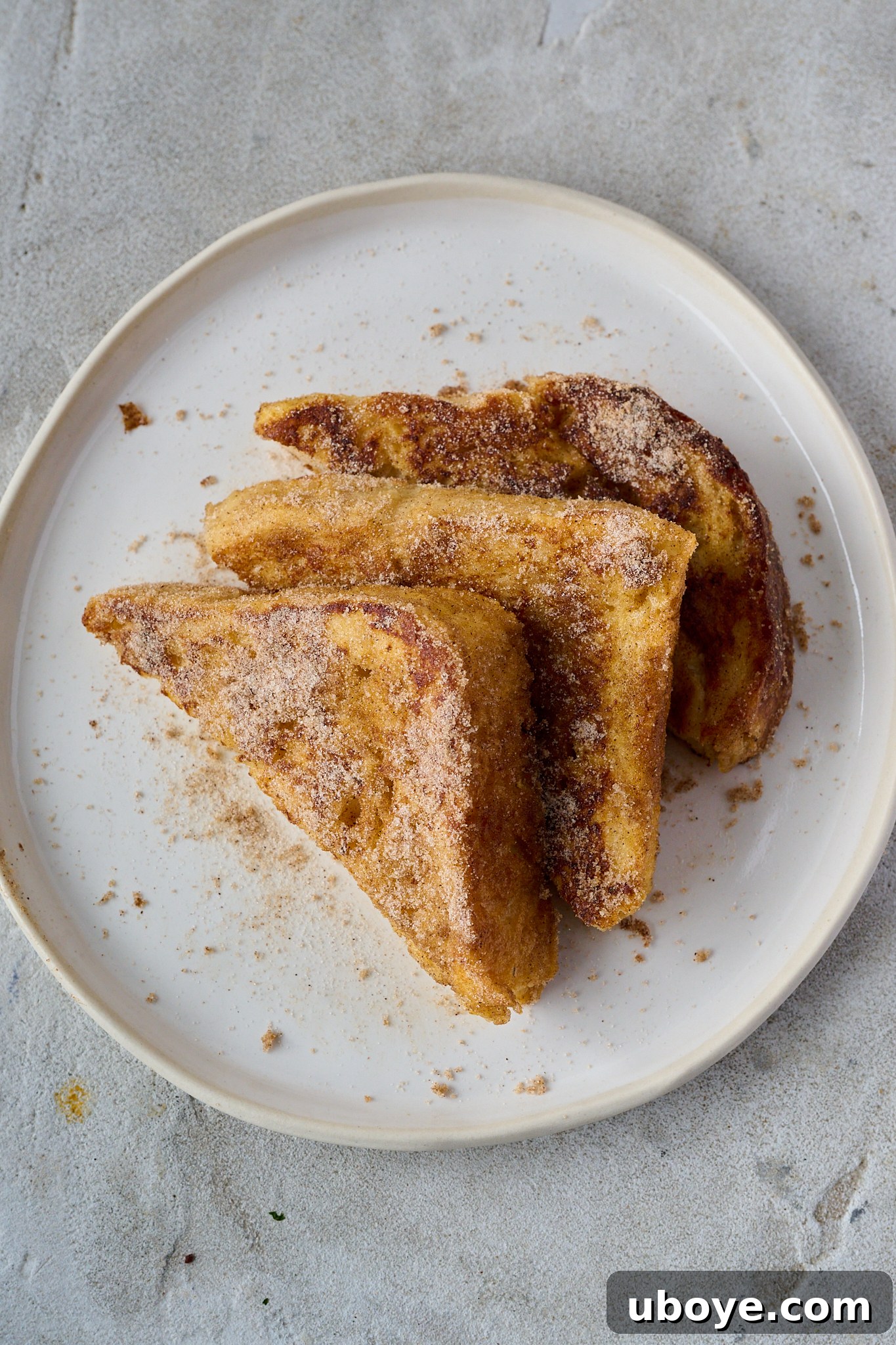
Serve your freshly made Torrijas immediately to enjoy them at their absolute best – warm, custardy, and perfectly crisp with that irresistible cinnamon-sugar finish!
Torrijas vs. French Toast: Unveiling the Spanish Secret
While often compared, Torrijas and French Toast are distinct culinary experiences. The primary differences lie in the soaking liquid, the cooking fat, and the resulting texture and flavor profile.
Traditional Torrijas are famously soaked in milk (or sometimes wine), which is typically infused with citrus peels (orange or lemon) and frequently with spices like cinnamon. This pre-soak in flavored milk is a crucial step, leading to an incredibly tender, custardy center that is far more pronounced than in most French toast recipes. French toast, on the other hand, usually skips this extensive milk soak, relying primarily on an egg-and-milk batter, which creates a less deeply saturated interior. Furthermore, Torrijas are traditionally fried in extra virgin olive oil, which imparts a subtle, distinct flavor and helps achieve a specific kind of golden, crispy crust unique to Spanish cuisine. French toast is almost always cooked in butter, yielding a different richness and browning characteristic. These distinctions result in Torrijas having a more nuanced flavor, a deeper custardy texture, and a unique Spanish crust that sets them wonderfully apart.
Expert Tips for Mastering Torrijas
- Choosing the Right Bread: Beyond just “day-old,” aim for a dense, sturdy bread like a good quality white sourdough, brioche (for an even richer version), or ciabatta. A slightly dry loaf from the previous day works best as it prevents sogginess and ensures maximum absorption of the flavored milk. Avoid soft sandwich bread, which will fall apart.
- Infusing the Milk: Don’t rush this step. Allow the milk to warm slowly with the orange peel and any spices. The longer it gently infuses (without boiling), the deeper the flavors will penetrate the bread. You can even prepare the infused milk ahead of time and chill it, then rewarm before soaking.
- Perfect Soaking: The goal is saturation, not disintegration. Ensure the bread fully absorbs the milk, becoming pliable and soft through to the center, but still holding its shape. Thicker slices will require a bit more soaking time. Gently press the bread into the milk to help it absorb evenly.
- Olive Oil Quality and Temperature: Use a good quality extra virgin olive oil for frying; it truly makes a difference in flavor. Heat the oil over medium heat. It should be shimmering, but not smoking. If the oil is too cold, the Torrijas will be greasy. If it’s too hot, they’ll burn on the outside before the inside is fully warmed through.
- Batch Frying: Avoid overcrowding the pan. Fry only two or three slices at a time to maintain even heat and ensure a consistent golden-brown crust. Add more olive oil as needed between batches to keep the pan adequately greased.
- Cinnamon Sugar Coating: Coat the Torrijas while they are still warm. The residual heat helps the sugar mixture adhere better and creates a slightly glistening, caramelized finish.
- Optional Enhancements: While delicious on their own, Torrijas can be elevated. A drizzle of warm honey, a dollop of whipped cream, fresh berries, or a scoop of vanilla ice cream can add extra indulgence.
Frequently Asked Questions
Torrijas are traditionally soaked in flavored milk (often infused with orange or lemon peel and cinnamon) before being dipped in egg. They are then fried in extra virgin olive oil, not butter, which gives them a unique Spanish flavor and a distinctively crisp crust. This process typically results in a much more custardy texture inside compared to most French toast.
Stale, thick-cut bread is ideal for Torrijas as it absorbs the milk well without becoming soggy. Varieties like a white sourdough, a sturdy country loaf, or ciabatta work wonderfully. Avoid very soft or freshly baked bread.
While not the traditional method, Torrijas can be baked. To do so, arrange the prepared slices on a baking sheet and bake at 180°C (350°F) for 10-15 minutes per side, or until golden brown. They will still be delicious but will have a softer texture and won’t achieve the same crispness as their olive oil-fried counterparts.
How To Store Torrijas
- Fridge: To keep your cooled Torrijas fresh, store them in an airtight container in the refrigerator for up to 2 days.
- Reheat: The best way to revive Torrijas is by warming them in the oven or an air fryer. This method helps them regain their delightful crispness. Avoid using a microwave, as it tends to make them soft and rubbery.
- Serve fresh: For the ultimate experience, Torrijas are always best enjoyed on the day they are made, while they are warm and their crust is at its crispiest.
How To Serve Torrijas
Torrijas are incredibly versatile and can be enjoyed in many ways. While utterly delicious on their own, especially when fresh and warm, you can elevate the experience further. A simple drizzle of golden honey adds a touch of natural sweetness, or a sprinkle of powdered sugar can enhance their elegant appeal. For a richer dessert, consider pairing them with a scoop of vanilla bean ice cream or a dollop of crème fraîche. If you’re serving Torrijas as part of a larger Mediterranean-inspired feast, particularly around Easter, they make a fantastic sweet counterpoint to savory dishes. Imagine them alongside my flavorful mussels with chili and tomato, the sweet and spicy kick of hot honey roasted carrots, or the tender richness of slow-roasted lamb shoulder. They offer a perfect celebratory finish to any meal.
More Sweets To Love!
Sweets
Lemon Olive Oil Cake
Sweets
Blueberry, Lemon & Ricotta Olive Oil Cake
Sweets
Blueberry, Coconut & Lemon Gluten Free Cake
Sweets
Apple Tarte Tatin
If you create this delightful Torrijas (Spanish French Toast) recipe, I would absolutely love to see your wonderful creations! Please don’t hesitate to tag me on Instagram, Tik Tok, or Pinterest. Your culinary masterpieces inspire me!
Should you have any questions about the recipe or wish to share your feedback, please feel free to leave a comment below. I always enjoy connecting with you, answering your food and recipe-related queries, and hearing about your experiences with my recipes.
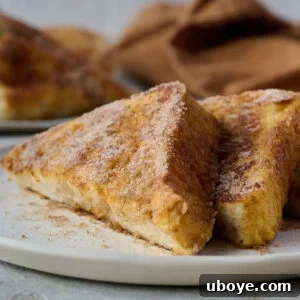
Torrijas (Spanish French Toast)
Daen Lia
10 minutes
5 minutes
6
Ingredients
- 6 slices day-old white bread, cut into thick slices
- 1 1/2 cups milk
- 2 strips orange peel
- 1 cup sugar, white granulated
- 1 tbsp cinnamon
- olive oil, for frying
Instructions
-
Warm milk: In a small pot, combine the milk and orange peel. On a low heat, bring the milk to a slow simmer or until warm and then remove from the heat.
-
Soak bread: Place the thick slices of bread into a large baking dish or baking sheet with a lip and pour the warm milk all over. Soak them in the milk until they are fully saturated but not soggy. Remove the bread from the pan and leave them to rest on a plate or cooling rack.
-
Dip into eggs: In a shallow bowl, whisk the eggs. Dip the bread into the eggs on both sides.
-
Fry: On a medium heat in a large fry pan, bring 1 – 2 tablespoons of olive oil to heat. Add two slices of bread to the pan at a time and fry for 2 – 3 minutes on each side or until golden and crispy. Remove from the pan and continue with the remaining bread.
-
Cinnamon sugar: In a shallow bowl, combine the sugar and cinnamon. Mix well until combined. Dip the warm bread into the cinnamon sugar, ensuring you coat both sides.
-
Serve: Serve immediately with a drizzle of honey or just as is!
Notes
Milk & spices: I like to keep my milk quite simple with just some orange peel but you can add a cinnamon stick, star anise or other citrus peels if you like!
Honey: Some people like to drizzle their torrijas with honey at the end! I like to keep mine as is.
Nutrition
Carbohydrates: 38g
Protein: 2g
Fat: 2g
Saturated Fat: 1g
Polyunsaturated Fat: 0.1g
Monounsaturated Fat: 0.4g
Cholesterol: 7mg
Sodium: 24mg
Potassium: 100mg
Fiber: 1g
Sugar: 37g
Vitamin A: 106IU
Vitamin C: 1mg
Calcium: 90mg
Iron: 0.1mg
Nutrition information is automatically calculated, so should only be used as an approximation.
 Like this? Leave a comment below!