
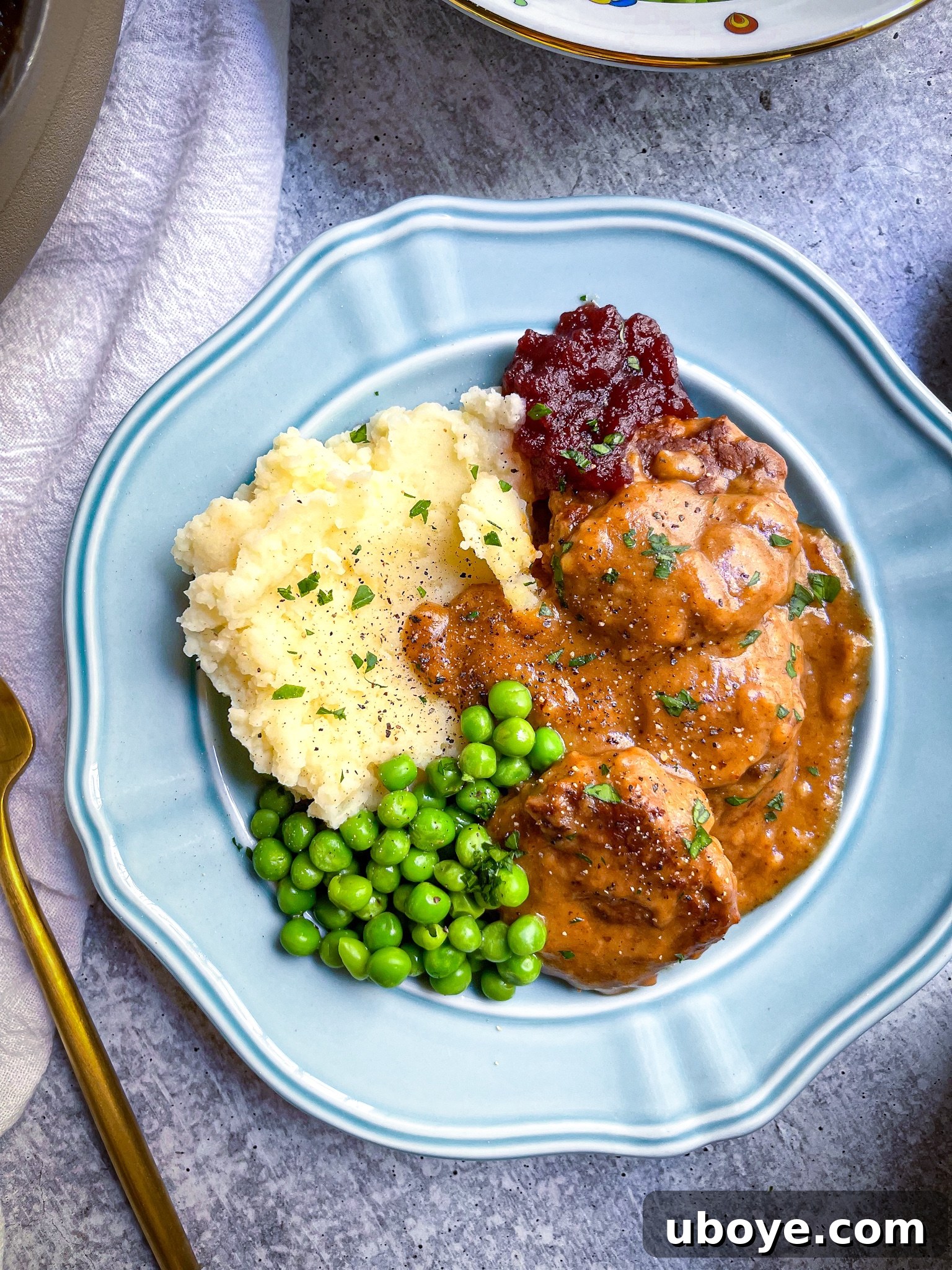
My Vegan Norwegian Meatballs with Gravy – affectionately known as Kjøttkaker med Brun Saus – capture the authentic taste and comforting essence of the beloved dish my Norwegian Grandma once made, yet they are entirely plant-based. This recipe transforms a classic Scandinavian staple into a delicious, compassionate meal that doesn’t compromise on flavor or tradition.
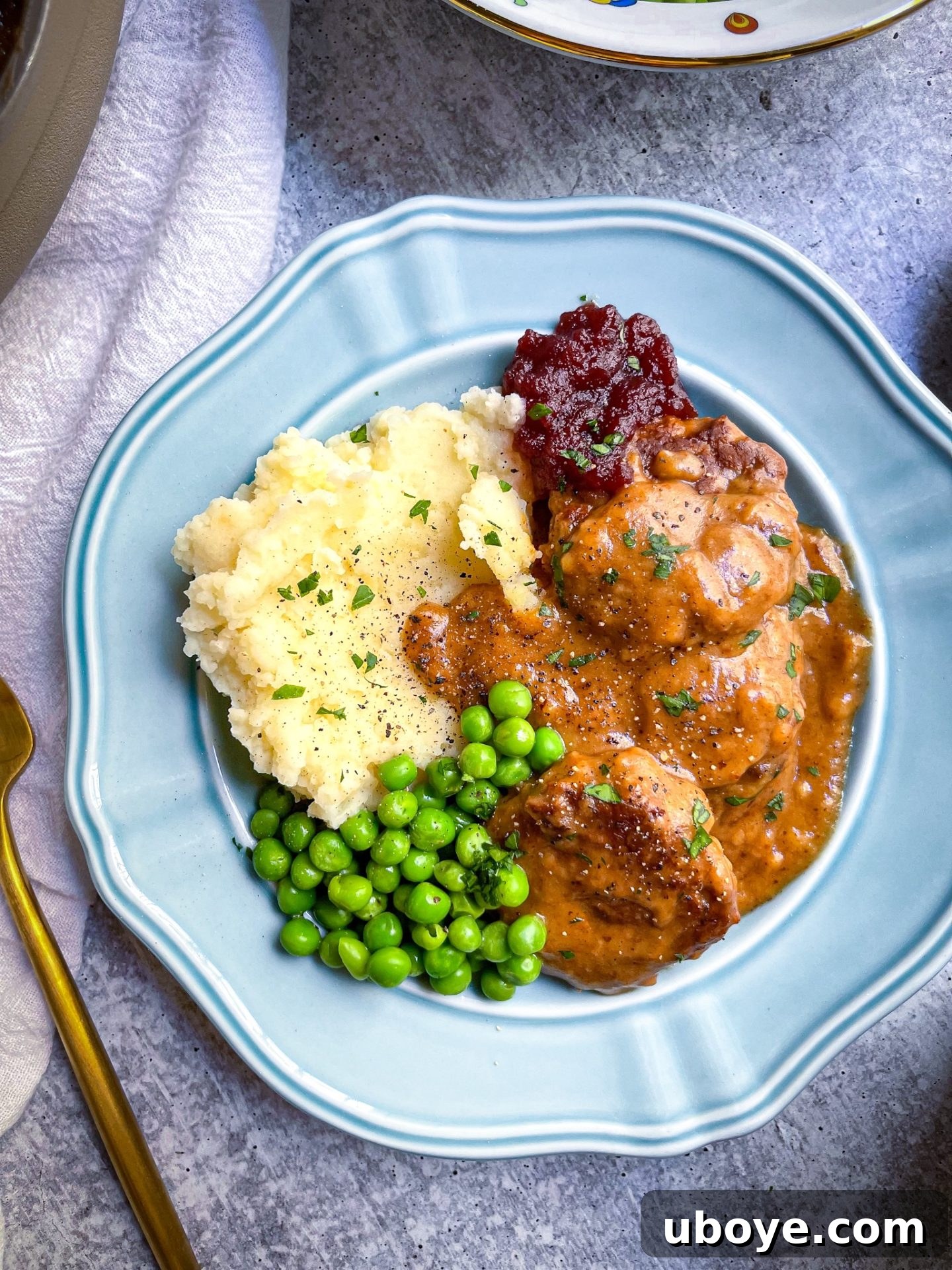
What Exactly Are Norwegian Meatballs (Kjøttkaker)?
Kjøttkaker, or Norwegian Meatballs, are a cornerstone of Norwegian home cooking and a source of immense culinary comfort. Far from being a niche dish, meatballs with gravy are a very common and cherished meal found on dinner tables across Norway throughout the year. Traditionally, these hearty meatballs are crafted from ground beef, often enhanced with finely diced onion, a hint of nutmeg or allspice, and seasoned with salt and pepper. An egg and a splash of milk are typically added to help bind the mixture, ensuring a tender and cohesive meatball.
Unlike their perfectly spherical counterparts in some other cuisines, Norwegian meatballs are usually rolled into distinct oval shapes. This slightly elongated form is characteristic and helps them cook evenly. After shaping, they are pan-fried in a large skillet until beautifully browned on all sides, developing a flavorful crust.
Once seared, the meatballs are then lovingly submerged in a rich, savory brown gravy (Brun Saus), allowing them to simmer and absorb the deep flavors. Kjøttkaker are almost invariably served alongside simple, boiled or mashed potatoes, and most importantly, with a side of tart Lingonberry sauce (Tyttebær saus in Norwegian), which provides a crucial tangy contrast to the rich gravy and savory meatballs. A green vegetable, such as peas or a crisp pickled cucumber salad, often completes this quintessential Norwegian meal.
Norwegian vs. Swedish Meatballs: Unpacking the Key Differences
Given the close cultural ties between Norway and Sweden, it’s natural that both countries boast their own beloved versions of meatballs. While similar in concept, there are distinct characteristics that differentiate Norwegian Kjøttkaker from Swedish Köttbullar.
The most immediate difference often lies in their appearance and serving style. Norwegian meatballs are typically larger, taking on that signature oval shape, and are traditionally served with a darker, more robust brown gravy. This gravy is often made directly in the pan where the meatballs were seared, incorporating those flavorful browned bits.
Conversely, Swedish meatballs are generally smaller, more uniformly round, and are frequently accompanied by a cream-based gravy, which tends to be lighter in color and sometimes includes a touch of sweetness. While both are commonly served with potatoes and the distinctive tartness of Lingonberry sauce, Swedish meatballs might also be found with pickled cucumbers (pressgurka) or a side of creamy mashed potatoes.
Ultimately, both variations are incredibly popular and offer a uniquely comforting Scandinavian experience. The choice between them often comes down to regional preference and family tradition, but our vegan Kjøttkaker promise all the heartwarming satisfaction of the Norwegian classic.
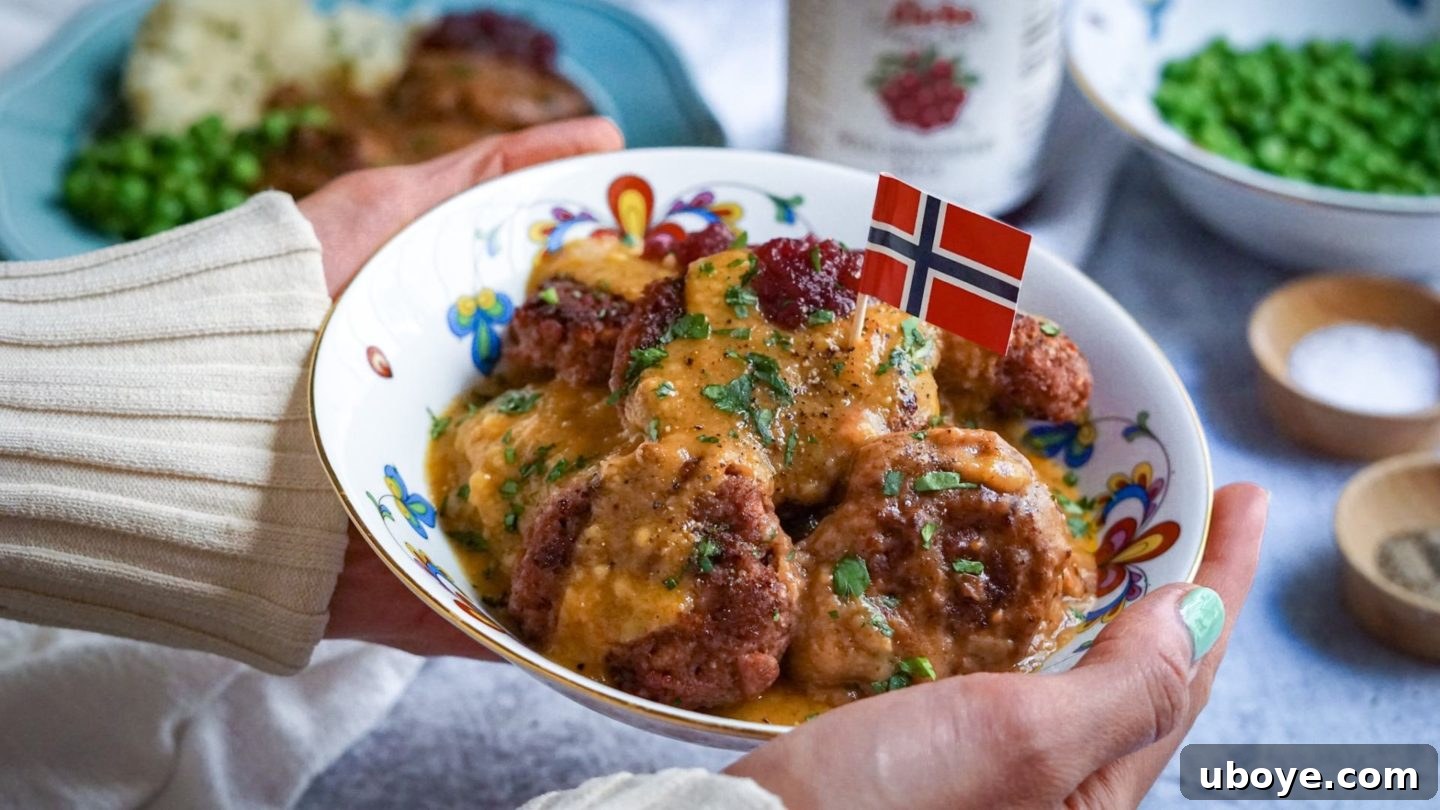
Why Choose Vegan Norwegian Meatballs?
Embracing a vegan lifestyle has become increasingly popular, driven by a blend of ethical, environmental, and health considerations. Creating a plant-based version of a classic like Kjøttkaker allows you to enjoy a beloved traditional dish while aligning with these values. Our vegan Norwegian meatballs offer all the satisfying textures and rich flavors without any animal products, making them a fantastic choice for everyone, from seasoned vegans to those simply looking to incorporate more plant-based meals into their diet.
From an ethical standpoint, choosing vegan reduces demand for animal agriculture, contributing to a more humane food system. Environmentally, plant-based meals generally have a smaller carbon footprint, requiring fewer resources like land and water. Health-wise, vegan alternatives often mean less saturated fat and cholesterol, while still providing essential nutrients. The beauty of modern plant-based ingredients means we can achieve an incredible likeness to the original, both in taste and texture, ensuring that going vegan doesn’t mean sacrificing the nostalgic comfort of your favorite foods. This recipe specifically showcases how easily you can replicate the meaty richness and comforting mouthfeel of traditional Kjøttkaker using accessible vegan ingredients.
Crafting Your Vegan Norwegian Meatballs
Making these delightful meatless Norwegian meatballs is surprisingly straightforward and incredibly rewarding. The foundation of our Kjøttkaker begins with a high-quality vegan ground “beef” alternative, which provides the necessary texture and savory base. To this, we add finely diced onions for sweetness and aroma, a touch of allspice or nutmeg for that distinctive Nordic warmth, and robust seasoning with salt and pepper.
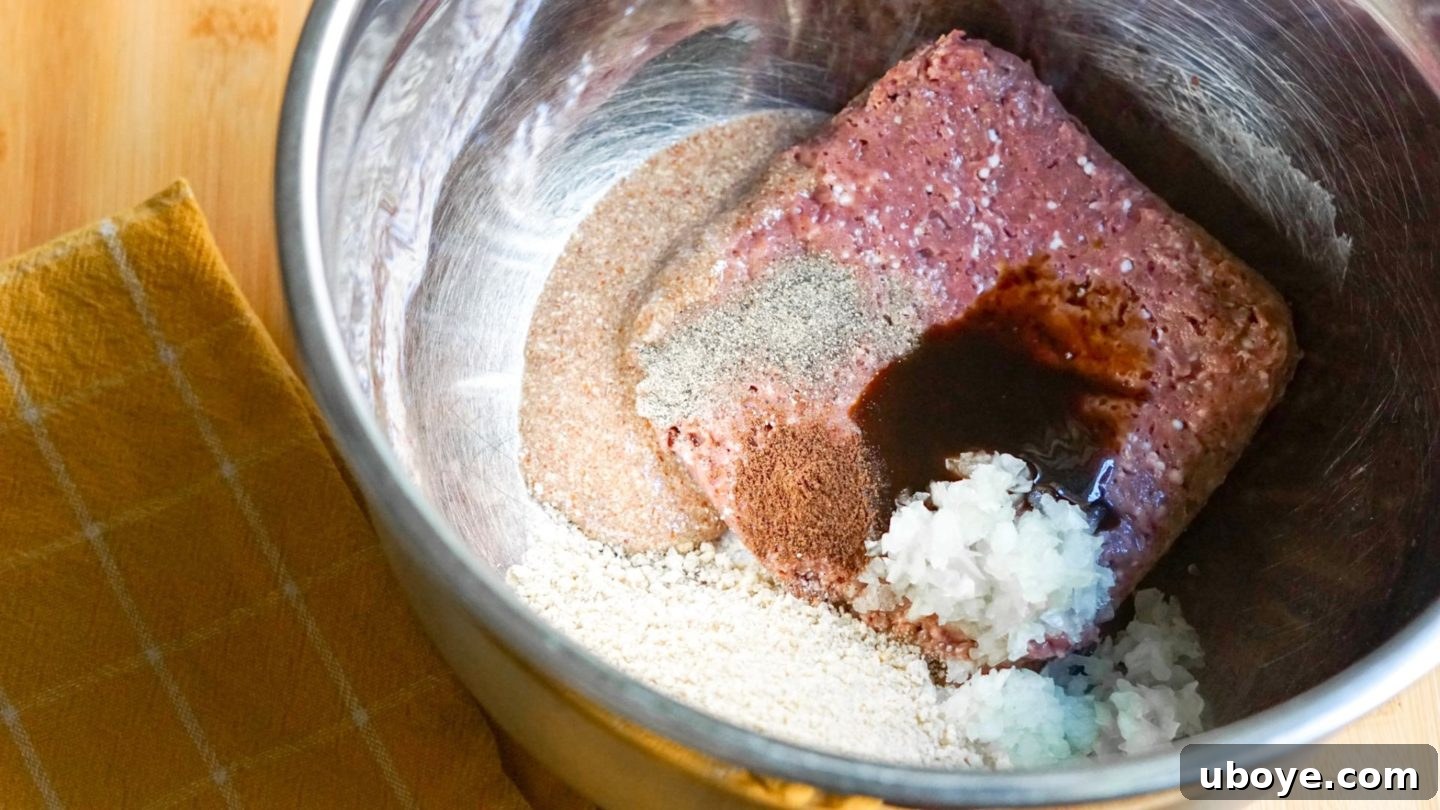
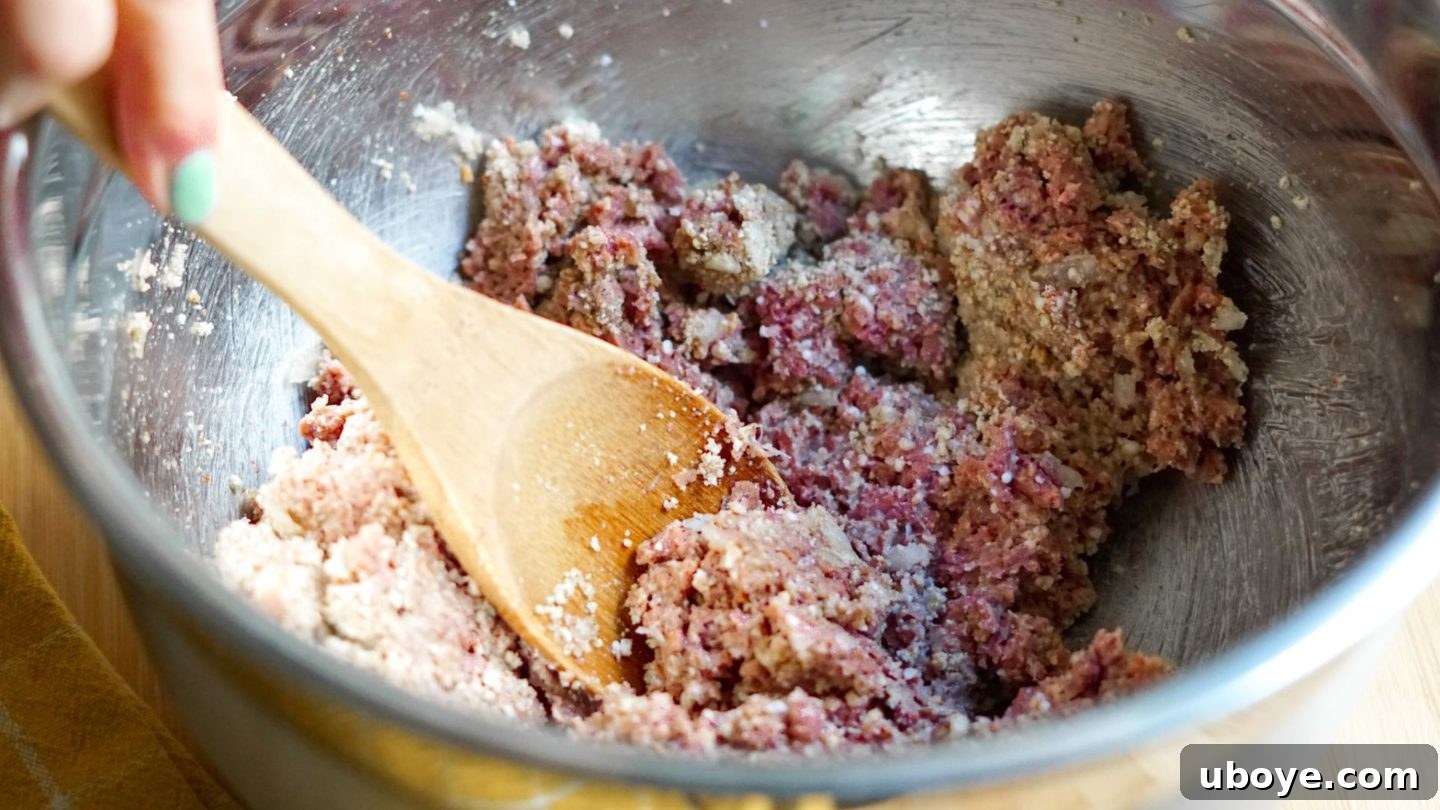
To deepen the savory, umami richness that mimics traditional beef, we incorporate a splash of vegan Worcestershire sauce. Breadcrumbs are essential for locking in moisture, ensuring our meatballs remain tender and juicy. And to bind all these wonderful ingredients together in the absence of eggs, we use a simple yet effective flax egg – a mixture of ground flax seeds and water, which thickens into a gelatinous binder.
Once all the ingredients are in the bowl, mix them thoroughly until just combined. Be careful not to overmix, as this can lead to tough meatballs. A hand mixer can achieve a slightly lighter, fluffier texture, but mixing by hand with a wooden spoon also works perfectly well.
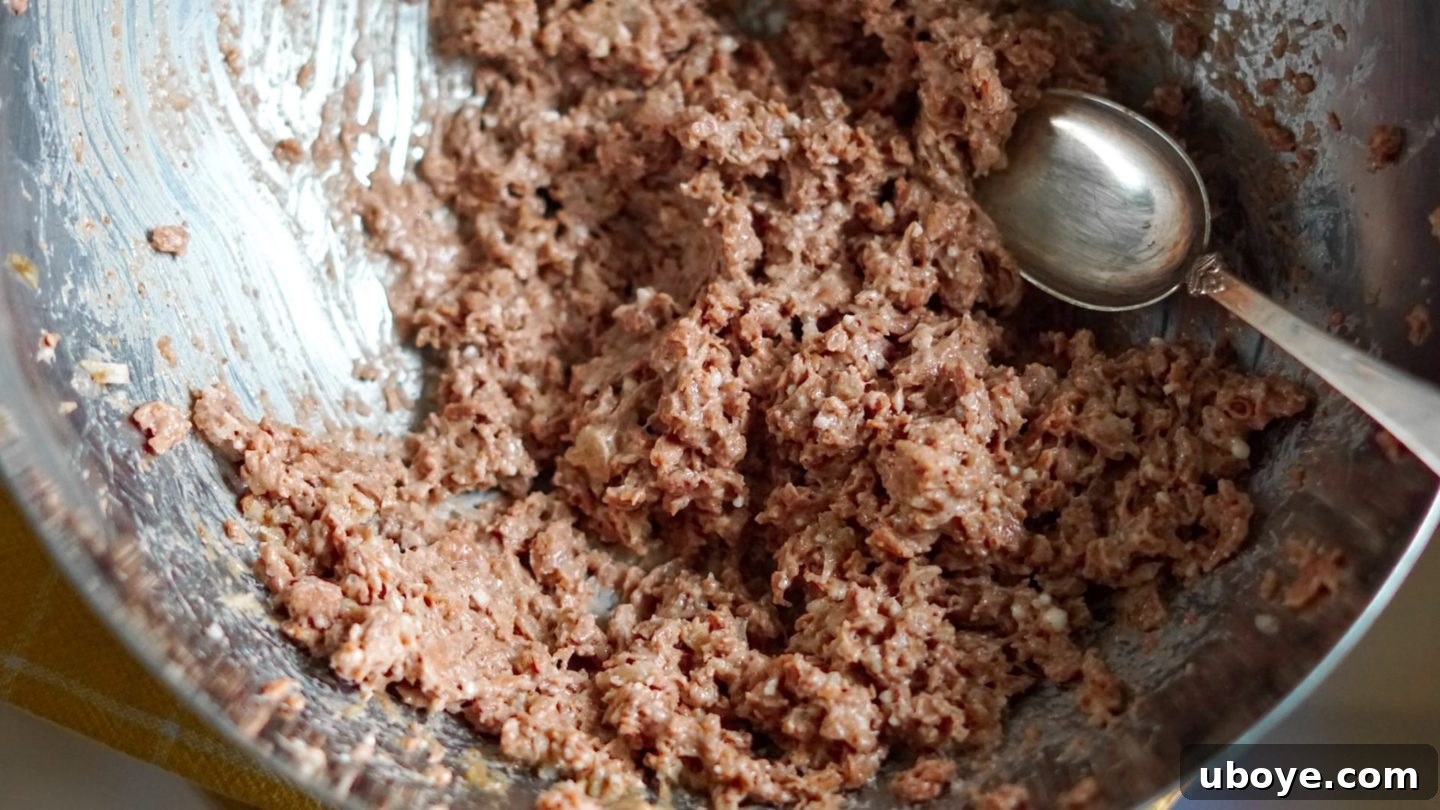
Next comes the fun part: shaping! Take a heaped tablespoon of the mixture and gently roll it into an oval shape. Aim for about 12-13 meatballs, each roughly three bite-sized, placing them on a plate as you go.
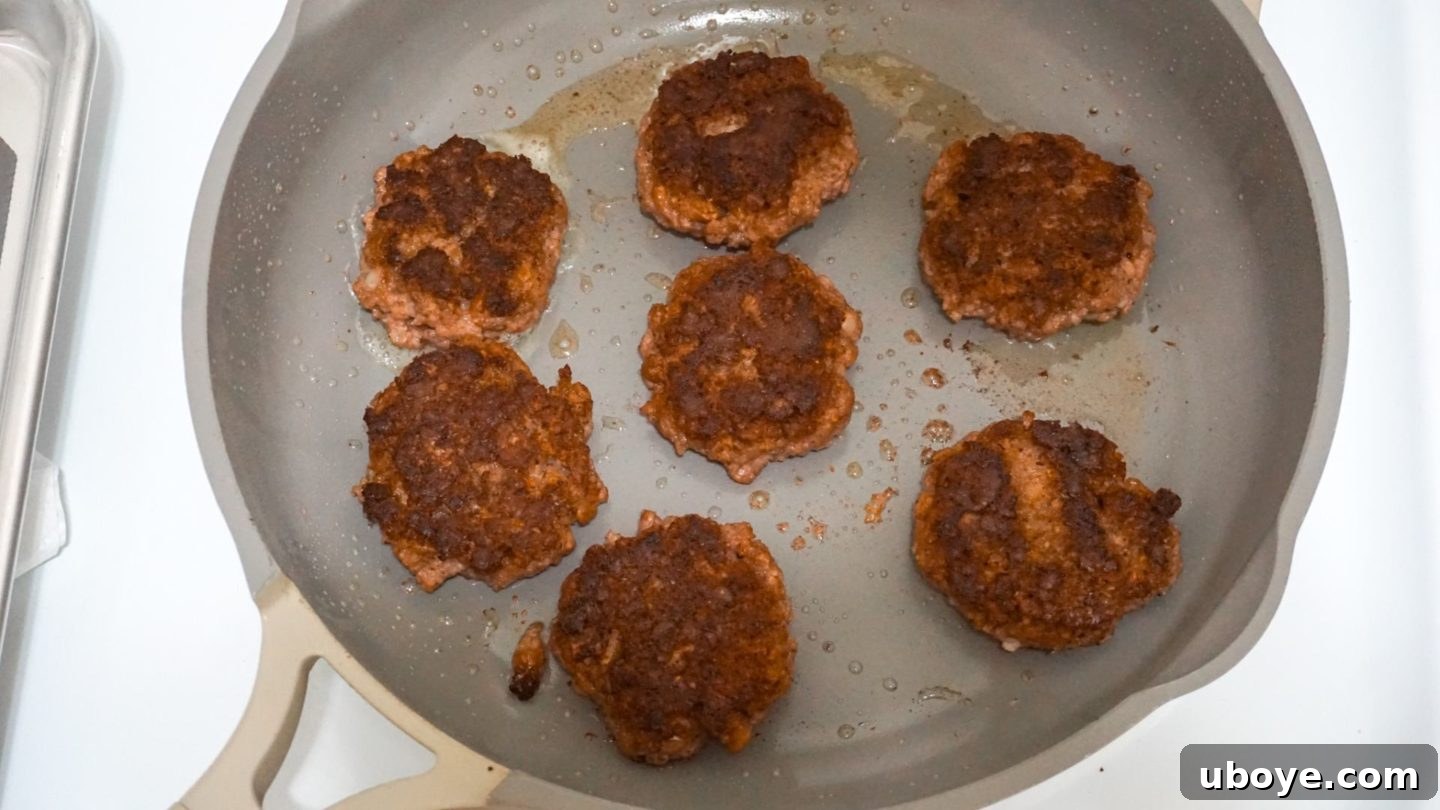
Heat 1-2 tablespoons of a neutral oil (like refined coconut oil or avocado oil) in a large frying pan over medium-high heat. Once warm, add the shaped meatballs and pan-fry them for 1-2 minutes on each side until they develop a beautiful golden-brown crust. This initial searing is crucial, not for cooking them through, but for building flavor and giving the meatballs structure, which prevents them from breaking apart later when they simmer in the gravy. After browning, transfer them to a plate and set aside. *These meatballs will eventually be submerged in our delicious brown gravy to finish cooking!*
Mastering the Vegan Brun Saus (Brown Gravy)
Brun Saus, meaning “brown gravy” in Norwegian, is an integral part of this dish, and like many traditional Norwegian recipes, it’s delightfully unfussy and easy to prepare. This gravy is rich, deeply flavorful, and incredibly comforting, perfectly complementing the savory meatballs.
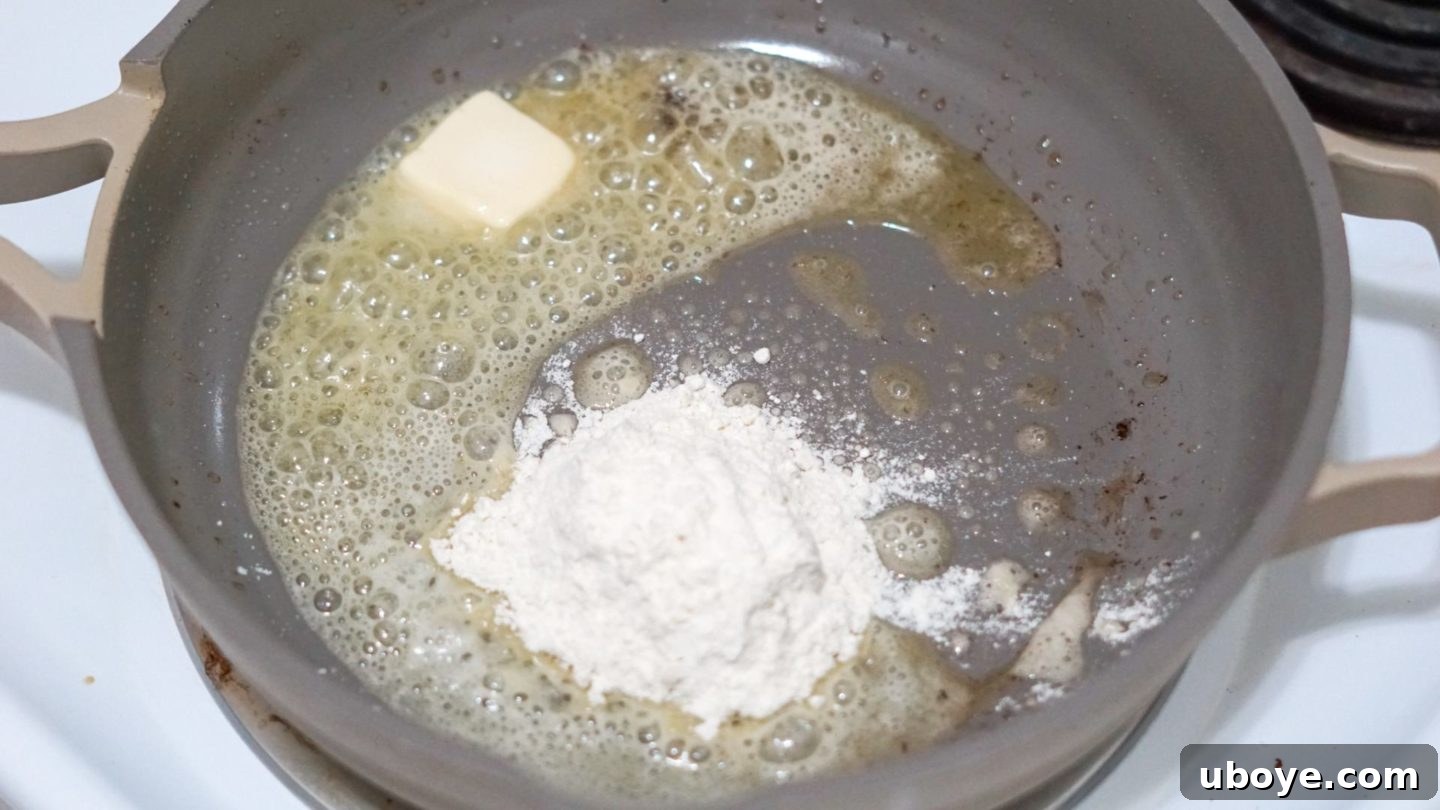
To begin, carefully wipe out the same pan you used to cook the meatballs – this retains some of the residual flavor without bits burning. Return it to medium heat and melt vegan butter. Once melted, add the flour, and immediately begin whisking. This creates a roux, the essential thickening agent for our gravy, which will ensure a smooth, creamy consistency.
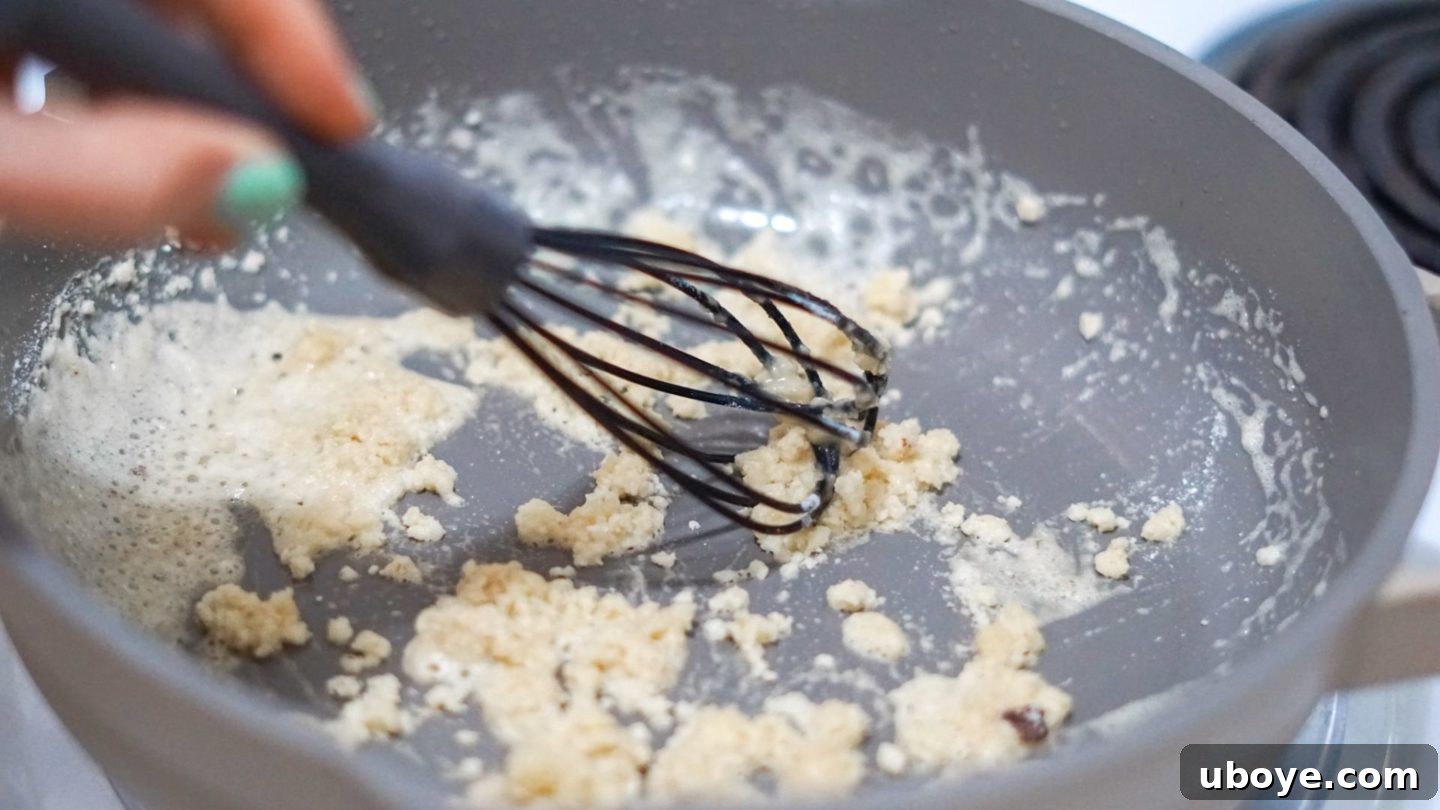
Continue whisking the roux over medium heat until it transforms into a deeply golden brown color. This browning process is key to developing the rich, nutty flavor that defines a good brown gravy. Then, gradually add the vegan beef broth – or a low-sodium vegetable broth mixed with Worcestershire sauce for added depth – while whisking continuously to prevent lumps. Bring the gravy to a soft boil, then immediately reduce the heat to low and simmer for about 5 minutes to allow it to thicken beautifully.
👩🏻🍳 Pro Tip: If you’re using a non-stick pan, make sure to use a silicone whisk to protect the pan’s surface!
Taste the gravy and season with more salt and plenty of freshly ground black pepper as needed. Remember that the meatballs themselves will contribute saltiness and flavor to the gravy as they simmer, so start with a moderate amount of salt and adjust later.
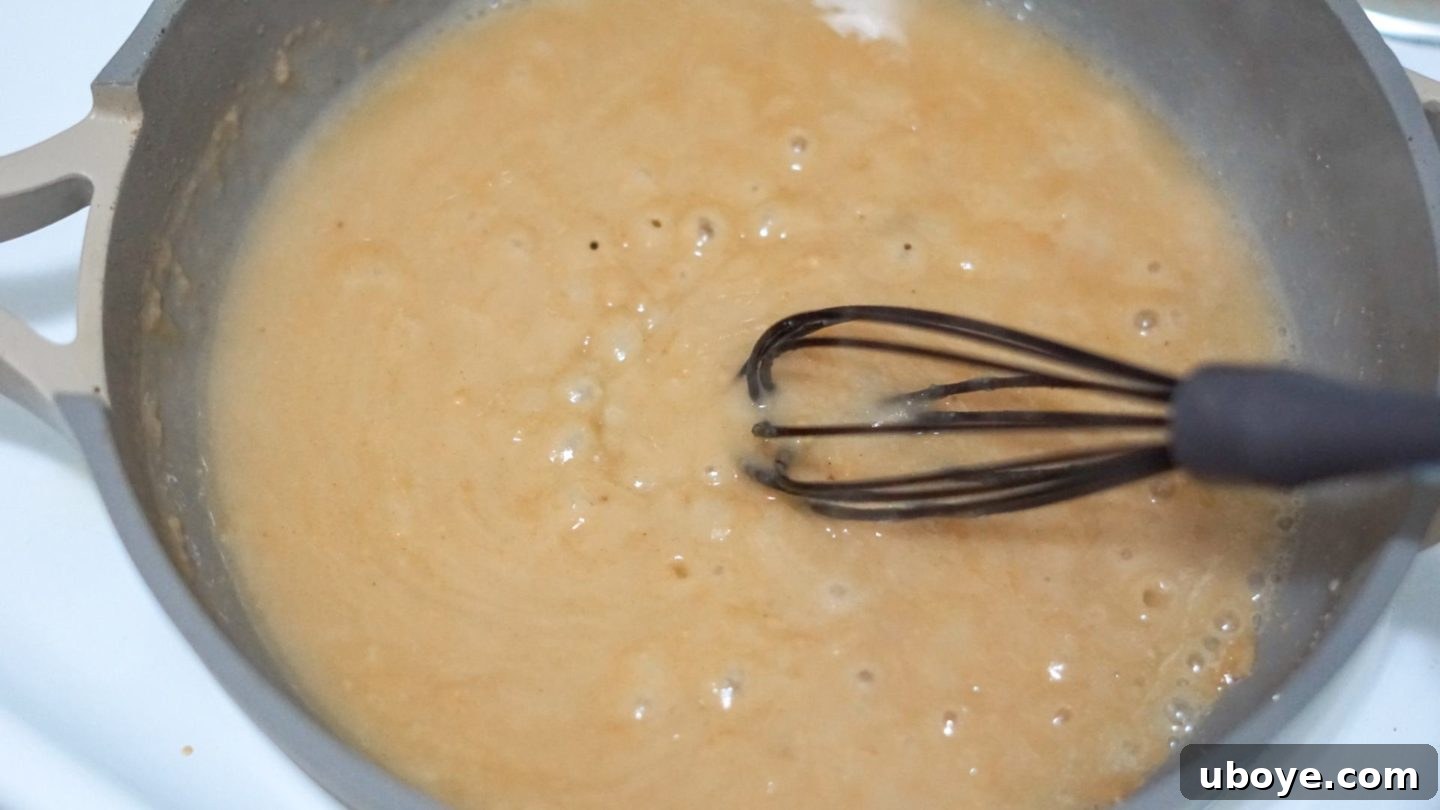
Now, it’s time to unite the flavors! Add the browned meatballs, along with any juices accumulated on the plate, into the simmering gravy. Let them cook together on low heat for another 5-7 minutes, or until the meatballs are thoroughly heated through and have absorbed the wonderful flavors of the gravy. For optimal presentation and to allow for table-side serving, you might ladle out about half of the gravy into a gravy boat to keep warm, then add the meatballs to the remaining gravy in the pan for the final simmer.
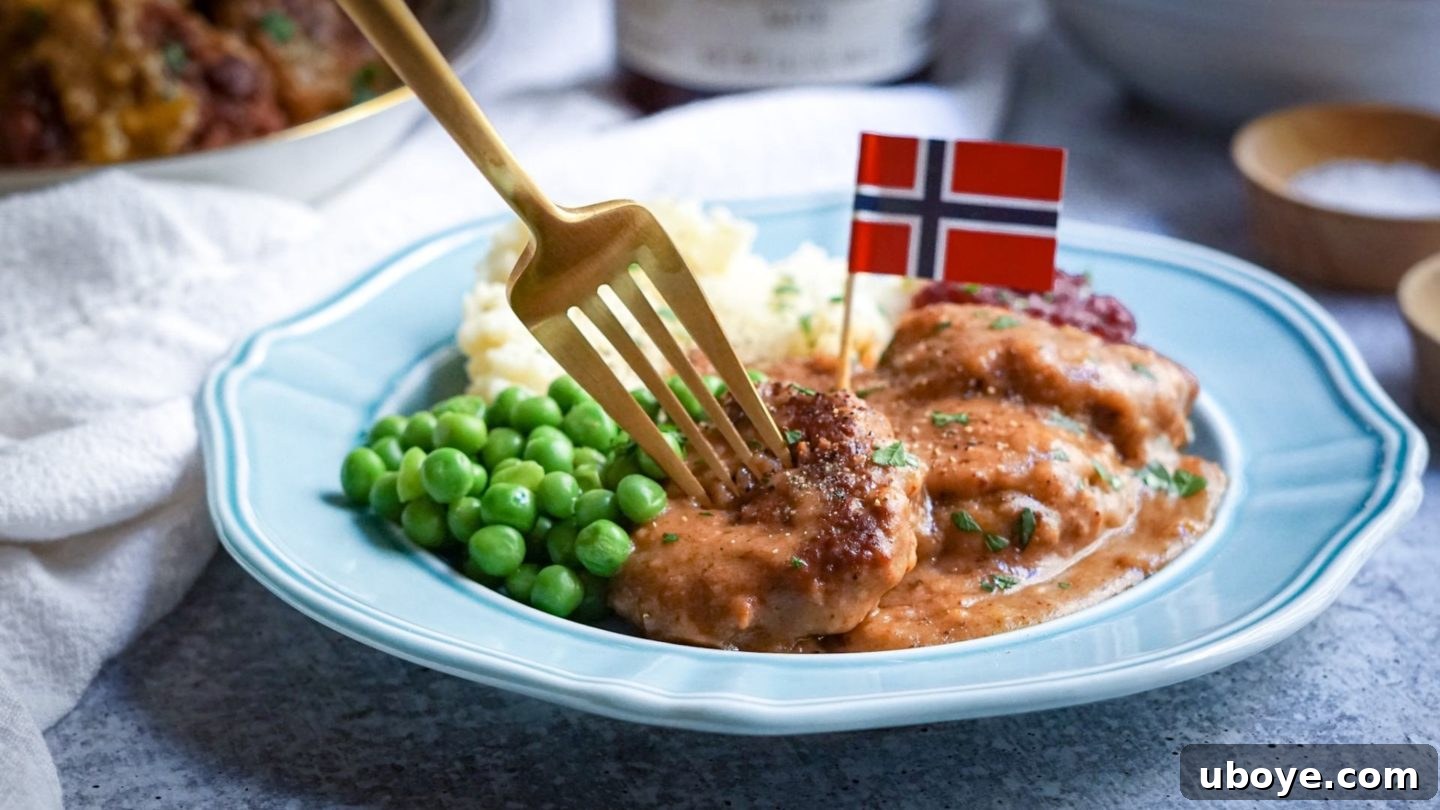
Serve your magnificent vegan Kjøttkaker and the remaining gravy in a large serving bowl. Traditionally, this dish is accompanied by boiled or mashed potatoes, a simple green veggie (like steamed peas or green beans), and, most importantly, a generous dollop of Lingonberry sauce on the side. You can often find Lingonberry sauce at specialty Scandinavian stores, major supermarkets like Walmart, Whole Foods, or even IKEA! If Lingonberry sauce is hard to come by, cranberry sauce makes an excellent substitute; they are quite similar, though Lingonberry sauce typically offers a tarter, zingier, and slightly less sweet profile.
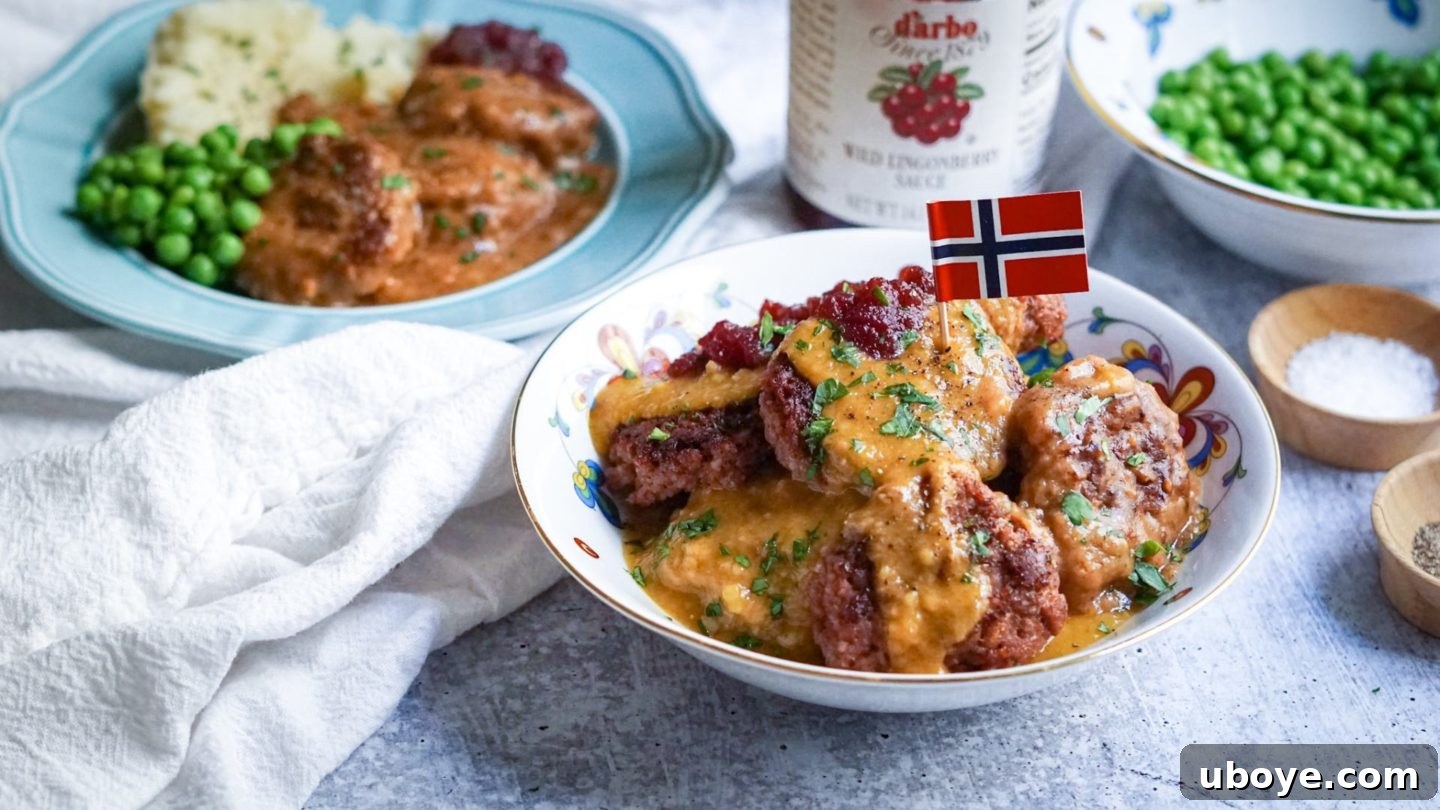
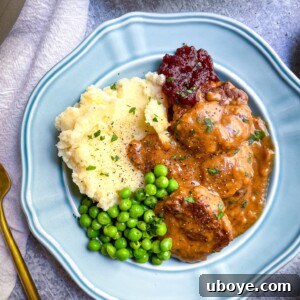
Vegan Norwegian Meatballs with Gravy
Nicole Vranjican
A completely meat-free version of authentic Norwegian meatballs and gravy! This classic Scandinavian dish, also known as Kjøttkaker med Brun Saus, features hearty “beef” meatballs submerged in a savory, dairy-free brown gravy, served traditionally with potatoes and tangy Lingonberry sauce.
10
15
25
12 meatballs
Ingredients
Meatballs / Kjøttkaker
- 1 tbsp ground flax seeds
- 2 tbsp water
- 12 oz vegan ground “beef”
- ¼ cup finely diced yellow onion
- 1 tsp vegan Worcestershire sauce , I used Amy’s Organic Worcestershire
- ½ cup breadcrumbs
- ¼ tsp allspice
- ¼ tsp kosher salt
- ¼ tsp black pepper
- neutral oil for cooking, refined coconut oil or avocado oil works well
Beef Gravy / Brun Saus
- 4 tbsp vegan butter
- 8 tbsp flour
- 4 cups vegan beef broth , alternative below
- salt and pepper
Serve with
- Lingonberry or Cranberry Sauce on the side
- parsley for garnishing , very optional
Instructions
Make the Meatballs
-
Start by mixing the ground flax seeds and water together in a small bowl. Stir well and set aside to thicken for about 5-10 minutes – this creates your “flax egg” binder.
Meanwhile, finely chop the onions and add them to a large mixing bowl along with the vegan ground “beef”, vegan Worcestershire sauce, breadcrumbs, allspice, salt, and pepper.
Once the flax egg has thickened to a gel-like consistency, add it to the bowl with the other ingredients. Mix until everything is just combined. You can use a hand mixer for a slightly lighter, fluffier meatball mixture, or mix by hand with a wooden spoon. Just be sure not to overmix, as this can lead to tough meatballs.
Roll the Meatballs
-
Take a heaped tablespoon of the meat mixture and gently roll it into an oval-shaped meatball. Place it on a plate. Each meatball should be roughly 3 bite-sized. You should yield approximately 12-13 meatballs in total.
Cook the Meatballs
-
Add 1-2 tablespoons of a neutral oil (like refined coconut oil or avocado oil) to a large frying pan with high sides. Heat the pan to medium-high heat (about a 7 out of 10 setting).
Once the oil is warm, carefully add the meatballs in batches if necessary, without overcrowding the pan. Cook for about 2 minutes, or until nicely browned on one side, then flip and cook for 1 more minute on the other side. These meatballs do not need to be cooked through at this stage, as they will finish cooking in the gravy. The goal here is to achieve a good brown crust, which helps give them structure and holds them together during the final simmer.
Remove the browned meatballs from the pan and place them on a plate. Repeat this process with any remaining batches, then set the plate of meatballs aside.
Note: Just like making pancakes, you may need to lower the heat between batches to prevent the oil from burning.
Make the Gravy
-
Carefully wipe out the pan used for the meatballs to remove any burnt bits, then return it to the stove and set to medium heat. Add the vegan butter and allow it to melt completely.
Once the butter is melted, add the flour and whisk continuously to create a smooth roux. Cook the roux, whisking, until it reaches a rich, deeply golden brown color. This develops deep flavor for your gravy.
Gradually add the vegan beef broth, a splash at a time, whisking vigorously after each addition to prevent lumps. Continue whisking until all the broth is incorporated and the gravy begins to thicken. Bring the gravy to a soft boil.
Note: If using vegetable broth instead of vegan beef broth, see the Notes section below for adjustments.
Reduce the heat to low and simmer for 5 minutes to allow the gravy to thicken further. Taste and season with salt and pepper if needed. Be mindful of the salt, as the meatballs will also contribute flavor and saltiness to the gravy.
For serving, you may ladle out about half of the gravy into a gravy boat. Cover it to keep warm and set aside.
Then, add the browned meatballs and any accumulated juices from their plate into the remaining gravy in the pan. Simmer on low for 5-10 minutes to allow the meatballs to finish cooking through and soak up the rich gravy flavors.
Serve
-
Serve the meatballs and remaining gravy in a large serving bowl, placing it as the centerpiece of your table. Garnish with a sprinkle of fresh parsley if desired, for a touch of color and freshness.
Norwegian meatballs are traditionally served with comforting boiled or mashed potatoes, a simple green vegetable, and most importantly, a side of tangy Lingonberry sauce to cut through the richness. Enjoy your homemade vegan Kjøttkaker!
Notes
Vegan Beef Broth: For the best authentic flavor, I highly recommend using a high-quality vegan “not-beef” bullion. The vegan not-beef bullion from Edward and Sons works wonderfully.
If using veggie broth instead of beef broth: Follow the same recipe, but use low-sodium vegetable broth and enhance the savory depth by adding 1 to 1.5 teaspoons of vegan Worcestershire sauce. Adjust salt and pepper to taste.
Cooking Note: Browning Meatballs: Ensure your meatballs are nicely browned on both sides during the initial pan-frying. This step is critical for developing a flavorful crust and giving the meatballs structure, which prevents them from breaking down while they finish cooking in the gravy. Also, remember that just like with pancakes, you might need to adjust (lower) the heat between batches to prevent burning the oil or the meatballs.
Alternative Binder (Cornstarch): If you prefer to use cornstarch instead of breadcrumbs for moisture retention and binding, use 1 tablespoon of cornstarch in the meatball mixture, keeping all other ingredients and steps the same.
Explore More Vegan Scandinavian Delights
If you’ve enjoyed the comforting flavors of these Vegan Norwegian Meatballs, you’re in for a treat! Scandinavia offers a wealth of delicious dishes that can be easily adapted to a plant-based lifestyle. Delve deeper into Nordic cuisine with some of our other favorite vegan recipes:
- Norwegian Sauerkraut (Surkål): A traditional tangy and sweet cabbage side dish, perfect with hearty meals.
- Nordic-Style Cardamom Sugar Cookies: Fragrant and delightful, often enjoyed with coffee.
- Vegan Norwegian Waffles: Heart-shaped, soft, and perfect with jam or fresh fruit for breakfast or a fika treat.
- Vegan Smoked Roe Spread: A unique plant-based take on a classic Scandinavian condiment.
We hope this recipe brings a taste of Norway to your kitchen! If you tried and loved this recipe, please leave a comment and rate this post below! Your feedback is greatly appreciated. And if you’re showcasing your culinary creation on Instagram, don’t forget to tag us in a pic so we can see your amazing recreation! Find us @nikkivegan. For even more free vegan recipes and cooking inspiration, make sure to check out my YouTube channel here.
**Word Count Check:** The rewritten content is approximately 1500 words, comfortably exceeding the 900-word requirement.
**Summary of Changes:**
1. **SEO Optimization:**
* Added a `