
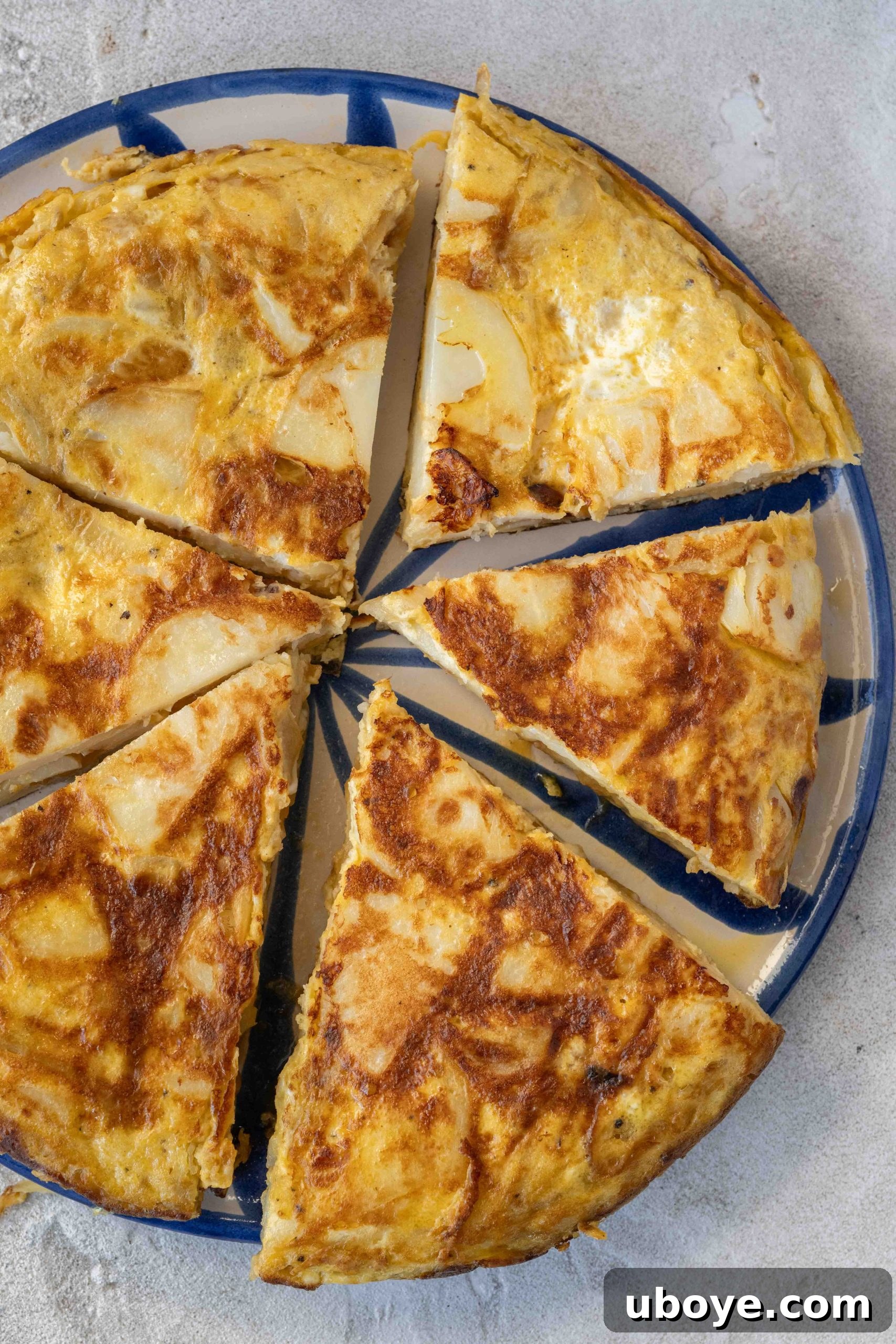
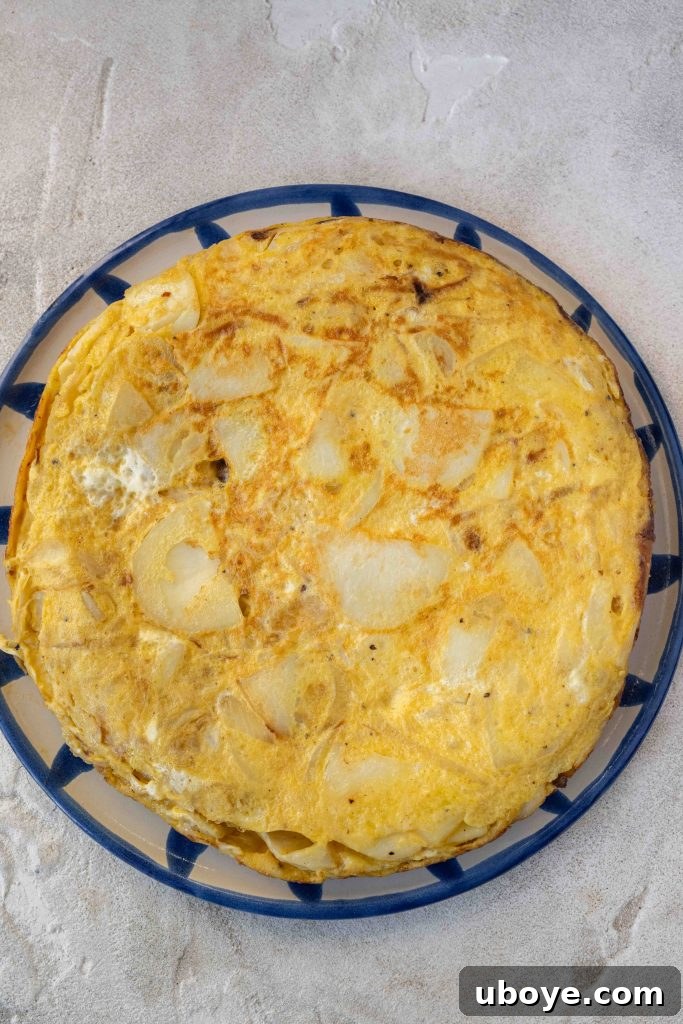
The Spanish Tortilla, often referred to as tortilla española or tortilla de patatas, is more than just an omelette; it’s a culinary icon of Spain. Crafted from simple, wholesome ingredients – thinly sliced potatoes and onions, slowly fried in rich extra virgin olive oil, then bound together with whisked eggs – it embodies the heart of Spanish comfort food. This versatile dish is traditionally savored cold or at room temperature, making it an excellent choice for preparation a few hours, or even a day, in advance. While mastering the art of a truly perfect Spanish tortilla might seem daunting, fear not! With the right techniques and a few expert tips, you’ll be creating this velvety, flavorful masterpiece in your own kitchen.
Jump to Recipe Print Recipe
What is Spanish Tortilla? An Introduction to Tortilla Española
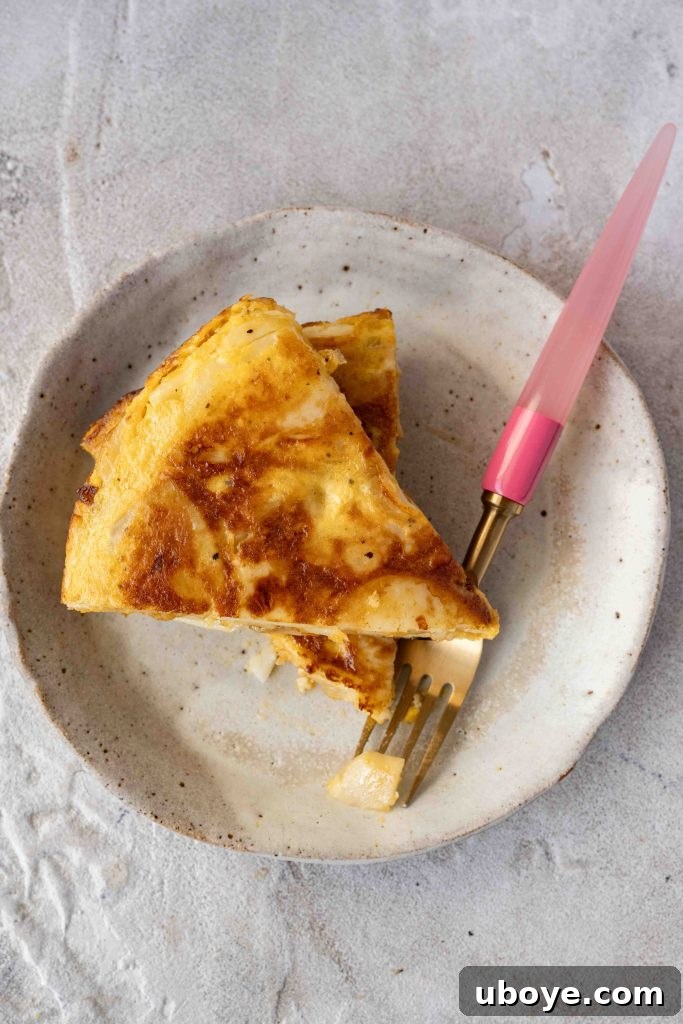
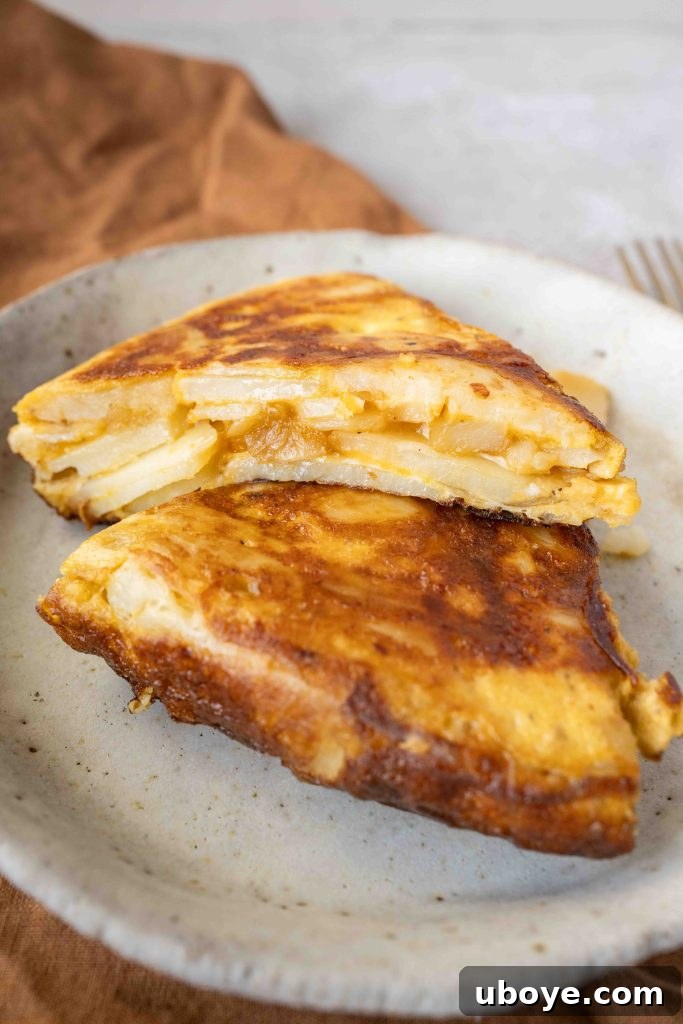
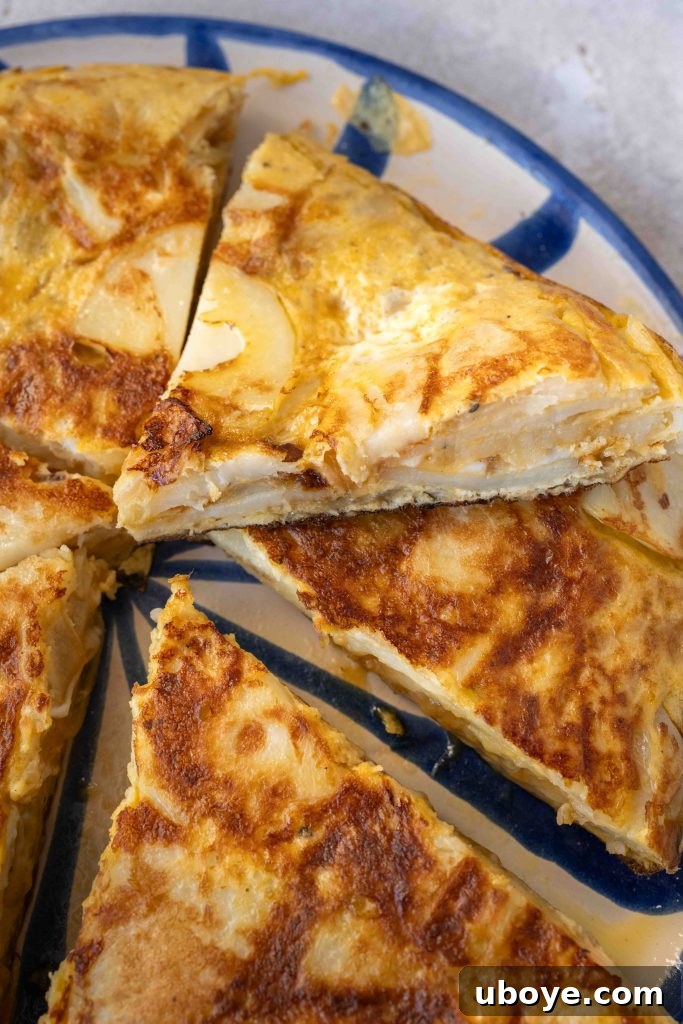
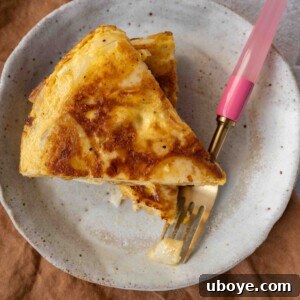
At its core, a Spanish tortilla is a traditional Spanish omelette, but it stands apart from its French or American counterparts due to its unique preparation and ingredients. Unlike a thin, quick-cooked omelette, the Spanish tortilla is a substantial dish, typically thick and dense, made primarily with potatoes and onions that are gently cooked in generous amounts of extra virgin olive oil before being mixed with beaten eggs and slowly set into a cohesive, golden-brown cake. It’s a staple across Spain, enjoyed at any time of day – whether as a hearty breakfast, a satisfying lunch, a light dinner, or a beloved tapa. The secret to a truly authentic tortilla lies in its texture: it should be dense and firm enough to hold its shape, yet remarkably tender on the inside, with a hint of gooeyness in the center, all encased in a lightly browned exterior.
The beauty of this dish lies in its deceptive simplicity. With just a handful of ingredients, the quality of each component becomes paramount. The slow frying of the potatoes and onions in olive oil is not just a cooking step; it’s a flavor infusion process that creates the unique depth and richness Spanish tortilla is famous for. This meticulous approach transforms humble ingredients into an extraordinary culinary experience.
The Essential Ingredients for an Authentic Spanish Tortilla
Because the Spanish tortilla relies on so few ingredients, selecting high-quality produce is crucial for achieving the best flavor and texture. Think of it as an investment in taste!
- Potatoes: The foundation of our tortilla. Waxy potatoes, such as Yukon Gold or New Potatoes, are highly recommended. Their lower starch content helps them retain their shape better when fried, resulting in a tender yet intact potato texture. However, don’t let the absence of waxy potatoes deter you; any potato variety can work, though starchier ones might yield a slightly creamier, more broken-down texture, which some prefer. Aim for consistency in slicing.
- Onions: The unsung hero that adds a subtle sweetness and depth of flavor. Brown onions are a classic choice, caramelizing beautifully as they cook. For a sweeter profile, red onions can be used, adding a lovely color contrast as well. Finely slicing the onions ensures they soften and blend seamlessly into the tortilla, rather than dominating it with chunky pieces.
- Eggs: The binding agent and key to the tortilla’s structure. Since eggs play such a significant role, opt for the freshest, highest-quality eggs you can find. Free-range eggs often boast richer yolks and superior flavor, contributing to a more vibrant and delicious final product. Don’t over-whisk them; a gentle whisk to combine yolks and whites is all that’s needed to maintain their moisture.
- Extra Virgin Olive Oil: This isn’t just for frying; it’s an ingredient in its own right. Spanish tortillas require a generous amount of olive oil for frying the potatoes and onions, a process akin to confiting. Therefore, using a good quality extra virgin olive oil is non-negotiable. A robust, fruity olive oil will impart a magnificent depth of flavor, enriching the entire dish. If you prefer a milder taste, a lighter extra virgin olive oil can be used, but avoid anything less than extra virgin for authenticity and flavor. The oil becomes infused with potato and onion flavors, and reserving a portion of it for future cooking is a chef’s secret!
- Salt and Pepper: Simple seasonings are all that’s needed to enhance the natural flavors of the ingredients. A generous pinch of salt is essential, particularly for the eggs, to bring out their best. Freshly ground black pepper adds a subtle warmth.
Mastering the Technique: Cooking Your Perfect Spanish Tortilla
As mentioned, preparing a Spanish Tortilla is a delightful culinary art form. Each step contributes significantly to the final masterpiece. Here’s a deeper dive into the key stages:
1. The Potato and Onion Filling: Precision in Preparation
The foundation of a great tortilla begins with impeccably prepared potatoes and onions. Thinness is key here. You can achieve this with a mandolin for uniform, paper-thin slices, or with a sharp knife and a steady hand. The thinner your potatoes are sliced, the more tender and velvety they will become when fried, contributing to that distinctive melt-in-your-mouth texture of a traditional Spanish tortilla. Similarly, finely slicing the onions ensures they caramelize evenly and integrate seamlessly into the mixture, providing a sweet counterpoint without overpowering the other flavors.
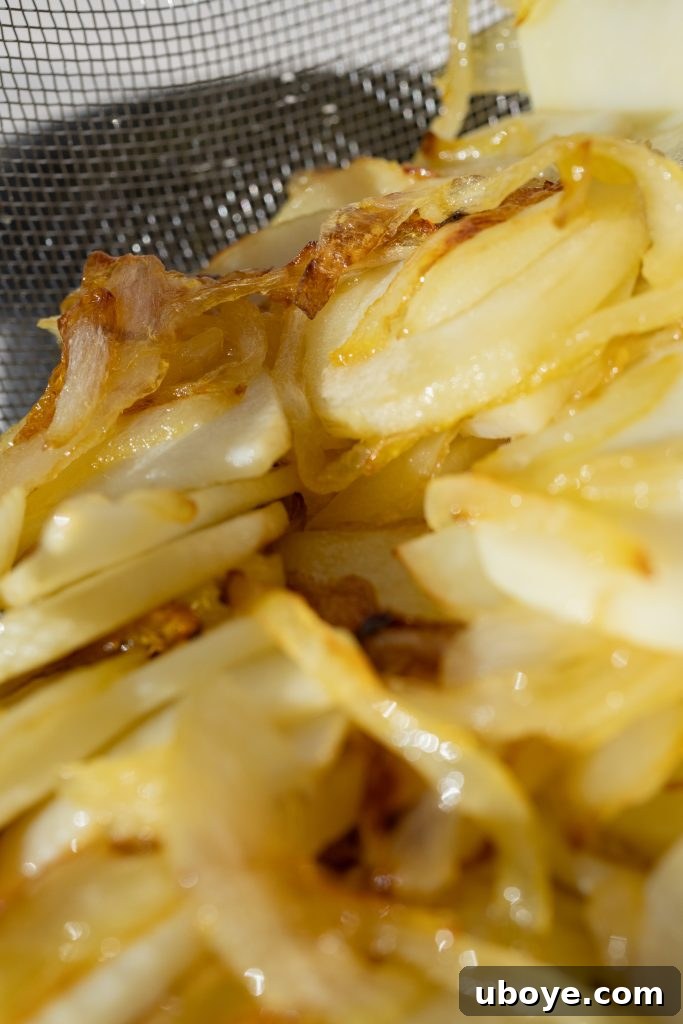
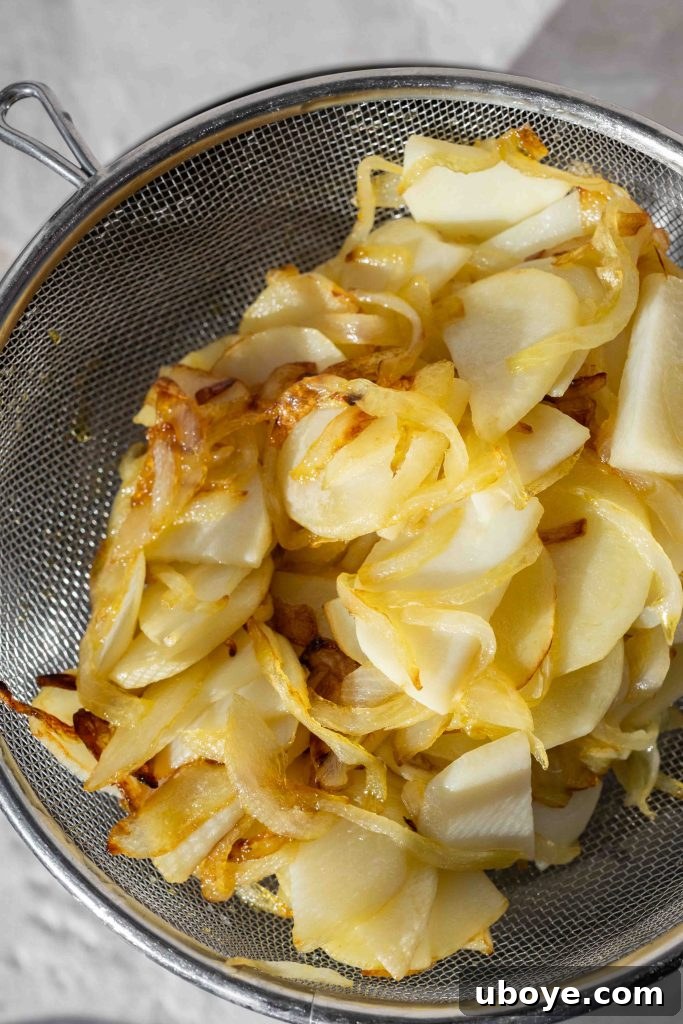
Once sliced, the potatoes and onions are slowly fried in a generous bath of extra virgin olive oil. This isn’t deep-frying to crisp them, but rather a gentle confit process that slowly cooks them until they are soft and infused with the rich olive oil flavor. The potatoes should be tender enough to break apart easily but not turn into mash, while the onions should be translucent and slightly caramelized. This slow cooking is crucial for developing the depth of flavor that defines a true tortilla.
2. Choosing and Utilizing the Right Oil: A Flavor Infusion
The choice of oil for frying is paramount – it must be extra virgin olive oil. While the recipe calls for a substantial amount, rest assured, none of it goes to waste. The potatoes and onions gently simmer in the oil, which then becomes beautifully infused with their flavors. This infused oil is a culinary treasure! After straining the cooked potatoes and onions, reserve the leftover oil. It can be used for future cooking, adding a wonderful potato and onion essence to other dishes like sautéed vegetables, dressings, or even for making your next tortilla. A small amount of this reserved oil will also be used to cook the tortilla itself in the pan.
3. Crafting the Egg Mixture: The Binding Elegance
The egg mixture needs care, but not excessive effort. Gently whisk the eggs until the yolks and whites are just combined, ensuring you don’t over-aerate them. Over-whisking can lead to a drier, more cake-like tortilla. Crucially, salt the eggs generously before cooking. This ensures the seasoning penetrates evenly and helps the eggs retain their moisture, contributing to that desirable tender and slightly gooey interior. Once the potatoes and onions have cooled slightly, fold them into the seasoned eggs. Let the mixture rest for about 10-15 minutes; this allows the flavors to meld and the potatoes to absorb some of the egg, resulting in a more cohesive and evenly cooked tortilla.
4. The Art of the Flip: Conquering the Challenge
This is often considered the most intimidating part of cooking a Spanish tortilla, but with the right tools and confidence, it’s easily mastered. The key is to use a pan that is relatively light and, ideally, nonstick. Heavy cast iron pans can make flipping cumbersome. Once your tortilla is partially cooked and the edges are set, cover the pan with a large, flat plate (one that is slightly larger than the pan’s opening). Hold the plate firmly against the pan, and with a swift, confident motion, flip the pan and plate together, turning the tortilla onto the plate. Then, carefully slide the inverted tortilla back into the pan to cook the other side. This method makes the flip much less daunting and significantly reduces the risk of breakage.
5. Choosing the Right Pan: Your Culinary Canvas
The pan you use is incredibly important for success. A good quality nonstick skillet, preferably one that is lightweight and has smooth, sloping sides, is ideal. The nonstick surface ensures the tortilla doesn’t adhere to the pan, while a lighter weight makes the crucial flipping step much easier and safer. A pan with a diameter of about 8-10 inches (20-25 cm) is perfect for achieving the traditional thickness of a Spanish tortilla.
What to Serve with Spanish Tortilla: Delightful Pairings
Spanish tortilla is incredibly versatile and delicious enough to be enjoyed on its own as a fulfilling and nutritious meal. However, it also pairs beautifully with a variety of side dishes that complement its rich flavors and hearty texture.
- Light Salads: A fresh, crisp salad offers a wonderful contrast to the tortilla’s richness. Consider simple green salads with a vinaigrette, or more elaborate options like a tomato and burrata salad, a refreshing tabbouleh salad, or even a unique rockmelon and prosciutto salad for a sweet and savory touch.
- Vegetable Sides: Garlicky green beans, roasted asparagus, or grilled bell peppers (especially red ones) make excellent accompaniments, adding color, nutrients, and complementary flavors. My garlicky green beans are a perfect match.
- Traditional Spanish Pairings: For an authentic experience, serve slices of tortilla with a side of crusty bread and a dollop of homemade aioli (garlic mayonnaise). Pimientos de Padrón (fried small green peppers) or marinated olives also make fantastic additions.
To further elevate this delicious dish, consider incorporating additional ingredients into the tortilla itself or serving them alongside:
- Crispy Prosciutto: Adds a delightful salty crunch, either crumbled over the top or served on the side. Try it with my peach and crispy prosciutto crostini.
- Broccoli: For a boost of greens and added texture, steamed or lightly roasted broccoli can be folded into the potato and egg mixture. Check out my broccoli pasta for inspiration.
- Feta: A crumble of feta cheese adds a tangy, salty zest that brightens the flavors. Explore recipes like my spicy capsicum and feta dip for how feta can enhance a dish.
- Chorizo or Ham: For a more robust flavor, diced Spanish chorizo or serrano ham can be fried with the potatoes and onions.
Storing and Enjoying Leftover Spanish Tortilla
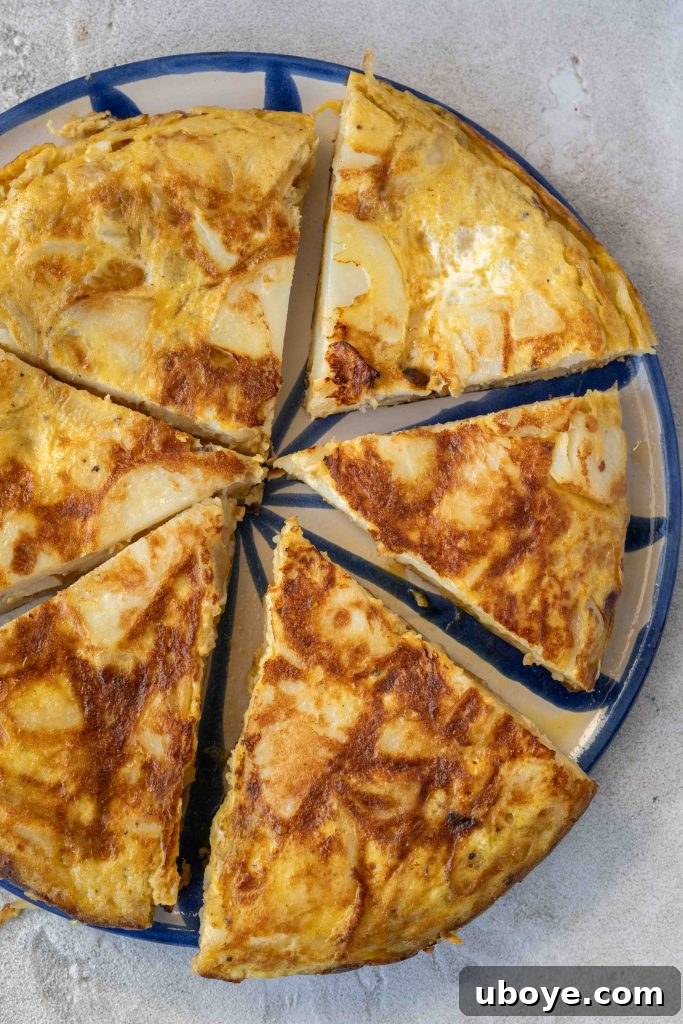
One of the many charms of Spanish tortilla is how wonderfully it keeps, making it perfect for meal prepping or enjoying over several days. If you have any leftovers, simply allow the tortilla to cool completely to room temperature. Then, transfer it to an airtight container, such as a Tupperware, and store it in the refrigerator. Your tortilla will remain fresh and delicious for up to 3 days.
Traditionally, Spanish tortilla is often served cold or at room temperature, making leftovers a convenient and delightful grab-and-go meal or snack. However, if you prefer it warm, you have a couple of excellent options:
- Microwave: For a quick reheat, warm individual slices in the microwave for 30-60 seconds, or until heated through. Be careful not to overheat, as this can dry out the eggs.
- Stovetop: For best results and to restore some of its initial texture, gently reheat slices in a nonstick pan lightly drizzled with a touch of olive oil over medium-low heat. Cover the pan and cook for a few minutes on each side until warmed through. This method helps maintain moisture and can even re-crisp the exterior slightly.
No matter how you choose to enjoy it, leftover Spanish tortilla remains a testament to simple, delicious cooking.
If you create this incredible Spanish tortilla using my recipe and tips, I’d absolutely love to see your culinary masterpiece! Please tag me on Instagram, TikTok, or Pinterest so I can admire your wonderful creations and share them with our community!
Should you have any questions during your cooking adventure or wish to share your feedback on the recipe, please don’t hesitate to leave a review or comment below. I always enjoy answering your food and recipe-related queries and hearing about your experiences with my dishes.
Pin
Spanish Tortilla
Ingredients
- 2 lb waxy potatoes, approx. 1kg
- 3 onions, finely sliced
- 8 eggs
- 2 cups extra virgin olive oil
- salt and pepper, to taste
Instructions
-
Peel the potatoes and onions. Cut them in half lengthwise, then slice each half into thin moon shapes using a mandolin or a sharp knife. Aim for uniform thinness.
-
In a large, deep pan, heat the 2 cups of extra virgin olive oil over medium-high heat. Add the sliced onions and cook for 5 minutes, or until softened and lightly caramelized. They will continue to brown. Add the sliced potatoes to the pan and continue to cook for 10-15 minutes, stirring occasionally, until they are tender. Some of the thinner potato slices may break apart, which is perfectly fine and contributes to the tortilla’s texture. Strain the cooked potatoes and onions through a fine mesh strainer set over a heatproof bowl to catch the olive oil. Reserve approximately 1-2 tablespoons of this infused olive oil for cooking the tortilla later. The rest can be saved for future use. Allow the potatoes and onions to cool slightly in the strainer.
-
While the potatoes and onions cool, crack the 8 eggs into a large mixing bowl. Whisk them gently until the yolks and whites are just combined, ensuring not to over-aerate. Season generously with salt and a pinch of black pepper.
-
Add the slightly cooled potato and onion mixture to the whisked eggs. Gently stir with a spatula to combine, being careful not to over-mix or mash the potatoes. Cover the bowl with foil or plastic wrap and let it rest for 15 minutes. This resting period allows the potatoes to absorb some of the egg mixture, resulting in a more cohesive tortilla.
-
In a nonstick deep pan (approximately 8-10 inches), add 1-2 tablespoons of the reserved olive oil and heat over medium heat. Pour the egg and potato mixture into the hot pan, spreading it evenly with a spatula. Cook for 3-4 minutes, or until the edges are set and lightly bubbling. To flip, place a large, flat plate (larger than the pan) over the pan, hold firmly, and invert the pan, allowing the tortilla to land on the plate. Then, carefully slide the tortilla back into the pan, uncooked side down. Cook for an additional 3-4 minutes, or until the second side is golden brown and the center is set but still moist. Once cooked, place the plate back onto the pan and flip the tortilla onto it again, so it’s right-side up.
-
Remove from heat and let the Spanish tortilla rest for 5 minutes before slicing. Serve immediately, while slightly warm, or allow it to cool completely and enjoy it at room temperature or cold the next day.
 Like this? Leave a comment below!