
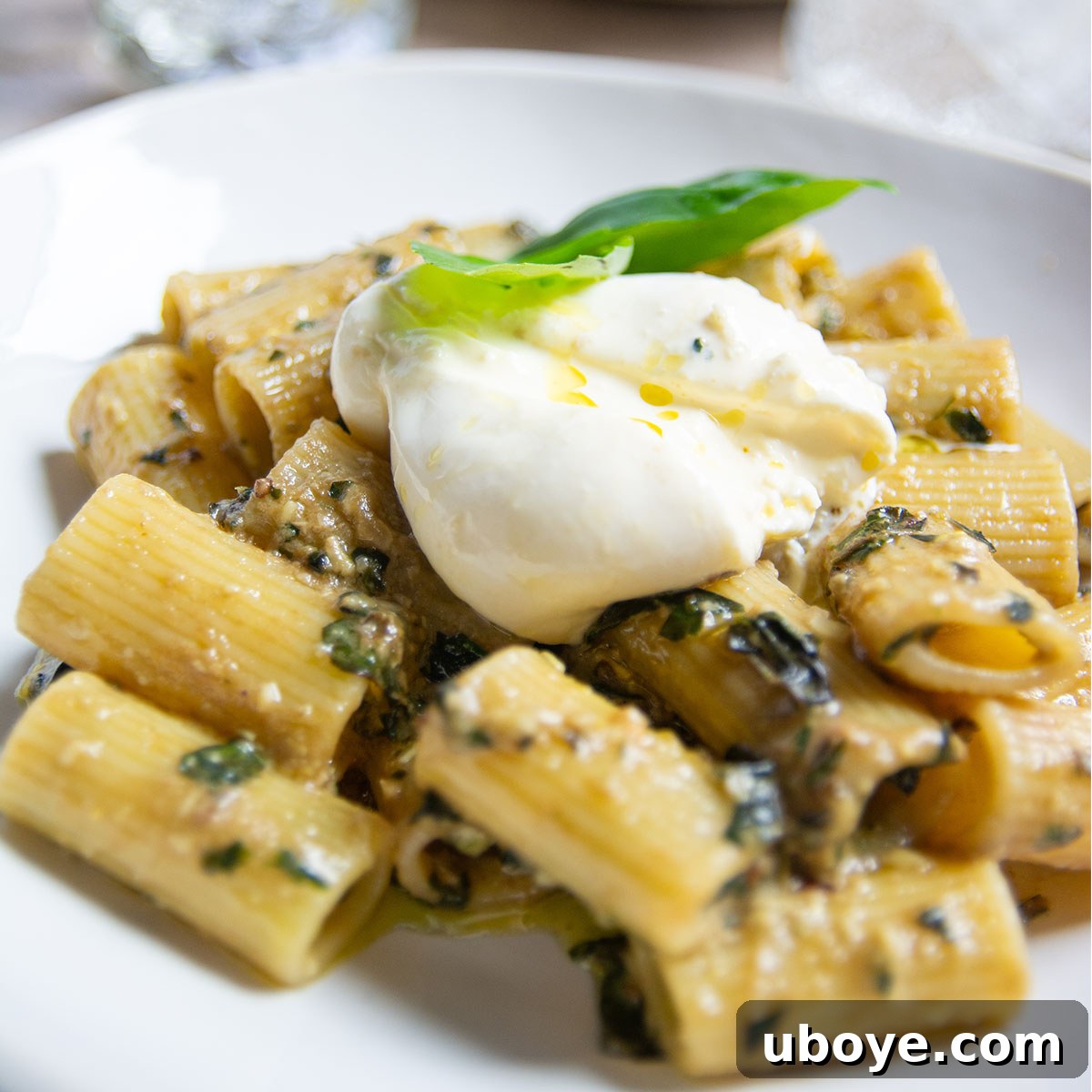
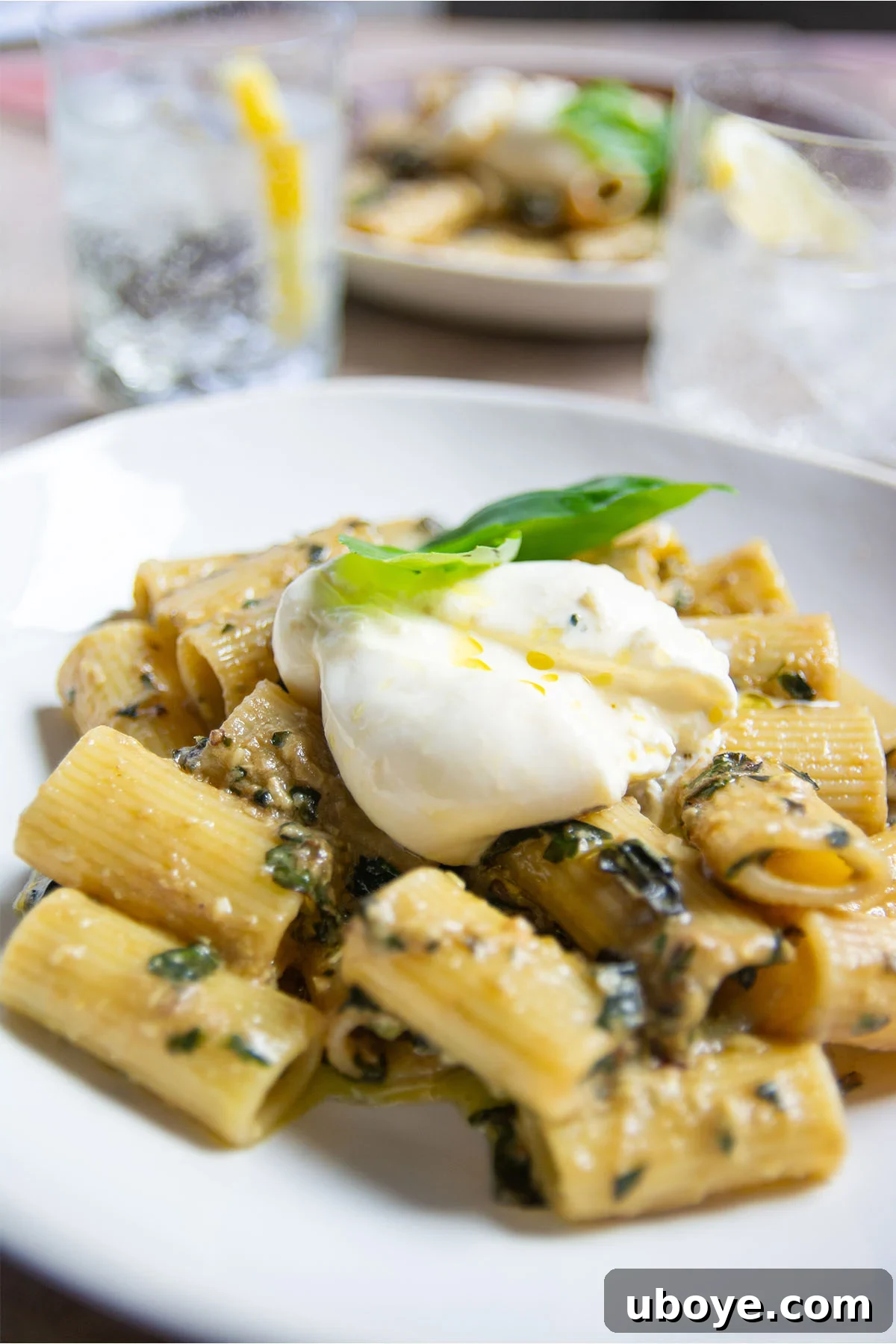
Garlic Confit Pesto Pasta: Elevate Your Weeknight Meal
Pesto pasta is a cherished comfort food, often hailed as a go-to dish for busy evenings. But what if you could transform this simple staple into a truly gourmet experience with minimal effort? Our **Garlic Confit Pesto Pasta** recipe takes this beloved classic to an unparalleled level of flavor, making it a contender for your new signature dish. By incorporating my renowned oven-roasted garlic confit, this pasta becomes an unforgettable culinary delight that will captivate your taste buds.
For those who share my profound appreciation for garlic, you won’t want to miss these other exceptional recipes: our garlic confit chicken wings offer a sticky, savory twist, and our tomato and garlic confit pasta provides another delightful way to enjoy this incredible ingredient. Bookmark them now for future culinary adventures!
Jump to Section
- The Magic of Garlic Confit
- Why Homemade Pesto Makes All the Difference
- Ingredients for the Perfect Pesto Pasta
- Creative Variations for Your Pesto Pasta
- Step-by-Step: How to Make Garlic Confit Pesto Pasta
- Common Questions (FAQs)
- Perfect Pairings: Serving Suggestions
- Chef Notes and Expert Tips
- Explore More Pasta Recipes
- Full Recipe Card
The Magic of Garlic Confit in Pesto Pasta
For those familiar with my culinary philosophy, my deep affection for garlic confit is no secret—and for excellent reason! This straightforward yet transformative method of preparing garlic unlocks a remarkably nuanced flavor profile. Slow-roasting garlic cloves in olive oil renders them incredibly tender, sweet, and mellow, shedding the harsh pungency of raw garlic. This process imbues them with a delicate, nutty aroma that elevates any dish. When introduced to our pesto pasta, this garlic confit not only adds an irresistibly beautiful savory depth but also a delightful creamy texture that melts into the sauce, taking your everyday meal from ordinary to extraordinary. It’s the secret weapon for an unforgettable pasta dish.
Why Homemade Pesto Makes All the Difference
Pesto sometimes gets an undeserved bad reputation, often associated with poorly made, store-bought jars that lack genuine flavor. We’ve all encountered those lifeless, bland sauces, perhaps during our university days when convenience trumped quality. However, when pesto is crafted with fresh, high-quality ingredients, patience, and a touch of love, it’s nothing short of culinary perfection. The vibrant green hue, the aromatic burst of fresh basil, the rich nuttiness of pine nuts, the sharp tang of aged cheese, and the smooth embrace of premium olive oil create a harmonious symphony of flavors that simply cannot be replicated by mass-produced alternatives. Embracing homemade pesto for this garlic confit pasta is a commitment to experiencing pesto in its truest, most delicious form.
Ingredients for the Perfect Pesto Pasta
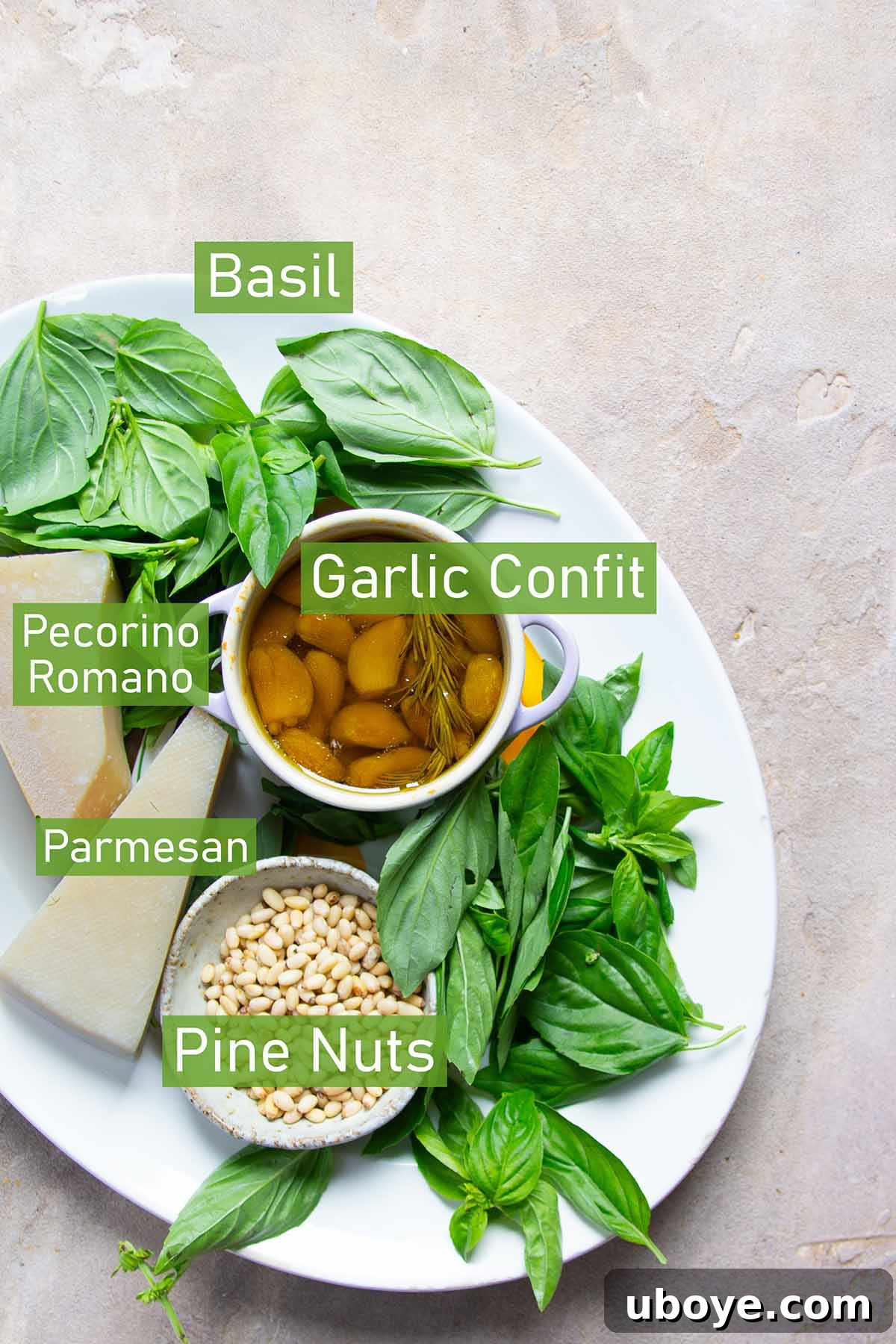
For dishes as seemingly simple as this garlic confit pesto pasta, the secret to achieving truly remarkable flavors and textures lies entirely in the quality of your ingredients. Think of them as the building blocks of your culinary masterpiece. Investing in fresh, premium produce will pay dividends in taste. Here are some detailed tips on selecting the key components for this show-stopping pasta:
- Fresh Basil: This is the soul of your pesto. Always opt for fresh basil leaves. If you’re fortunate enough to have a basil plant in your garden, picking your own leaves just before use will yield the most potent and vibrant flavor. Look for bright green leaves without any wilting or dark spots. The fresher the basil, the more aromatic and delicious your pesto will be.
- Exceptional Olive Oil: Just like basil, olive oil is a foundational element. Do not compromise on quality here. Use the absolute best extra virgin olive oil you can find. A high-quality oil not only contributes to the texture of your confit and pesto but also imparts a fruity, sometimes peppery, depth of flavor. I personally adore using olive oil from my friends at Cobram Estate; their dedication to quality shines through in every drop.
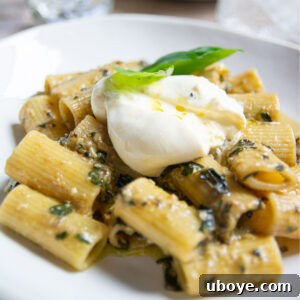
- Premium Cheese: In my culinary world, no pasta dish is truly complete without a generous amount of cheese – and I mean *lots*! For this particular recipe, I’ve chosen to add a luxurious touch with creamy burrata cheese, nestled right on top. As it warms, the burrata gracefully oozes out its silky, rich creaminess, mingling perfectly with the warm pasta and creating an incredibly indulgent experience. While this step isn’t strictly crucial for the pesto itself, I genuinely wouldn’t recommend skipping it for the ultimate textural and flavor enhancement. For the pesto, a blend of freshly grated Pecorino Romano and Parmesan cheese adds the perfect salty, umami notes.
- Quality Pasta: The type of pasta you choose can significantly impact the dish. While any pasta will work, shapes like pipette, rigatoni, fusilli, or orecchiette are excellent choices as their nooks and curves are perfect for capturing and holding onto the rich, silky pesto sauce and tender garlic confit. Choose a brand known for its quality, as the texture of the pasta greatly affects the overall enjoyment of the dish.
Refer to the comprehensive recipe card below for exact quantities and a complete list of all ingredients required.
Creative Variations for Your Garlic Confit Pesto Pasta
While this garlic confit pesto pasta is a masterpiece on its own, don’t hesitate to personalize it! Pesto is wonderfully adaptable, allowing for endless creative modifications to suit your taste or what you have on hand. Here are some fantastic ideas to inspire your culinary exploration:
- Enhance the Nutty Flavor: For an extra layer of depth and aroma, lightly toast your pine nuts in a dry pan before adding them to the pesto. This simple step brings out their natural oils and intensifies their nutty essence. You could also experiment with other nuts like walnuts or almonds for a different flavor profile.
- Add a Subtle Kick: If you enjoy a touch of heat, sprinkle a few red pepper flakes (chilli flakes) into the pesto mixture. Start with a small amount and adjust to your preference. The gentle warmth will beautifully complement the rich garlic and basil flavors.
- Boost Color and Tang: Stir in some halved kalamata olives or chopped roasted red peppers at the very end. These additions not only introduce vibrant colors but also provide a delightful burst of briny or sweet-smoky flavors that contrast wonderfully with the creamy pesto.
- Protein Power-Up: Transform this side dish into a complete meal by adding your favorite protein. Grilled chicken breast, pan-seared shrimp, or even some crumbled Italian sausage would be delicious additions. For a vegetarian option, roasted chickpeas or white beans can add texture and sustenance.
- A Zesty Brightness: A squeeze of fresh lemon juice, added at the very end, can brighten up the entire dish, cutting through the richness of the pesto and confit with a refreshing citrusy note.
- Seasonal Vegetables: Incorporate seasonal vegetables for added nutrition and flavor. Blanched asparagus, cherry tomatoes, sautéed spinach, or tenderstem broccoli would all be fantastic choices, adding freshness and texture.
Step-by-Step: How to Make Garlic Confit Pesto Pasta
Creating this gourmet pasta dish is a straightforward process, broken down into three main phases: making the garlic confit, preparing the vibrant pesto, and finally, bringing it all together with the pasta. Follow these steps for a perfect result:
- Make the Garlic Confit:
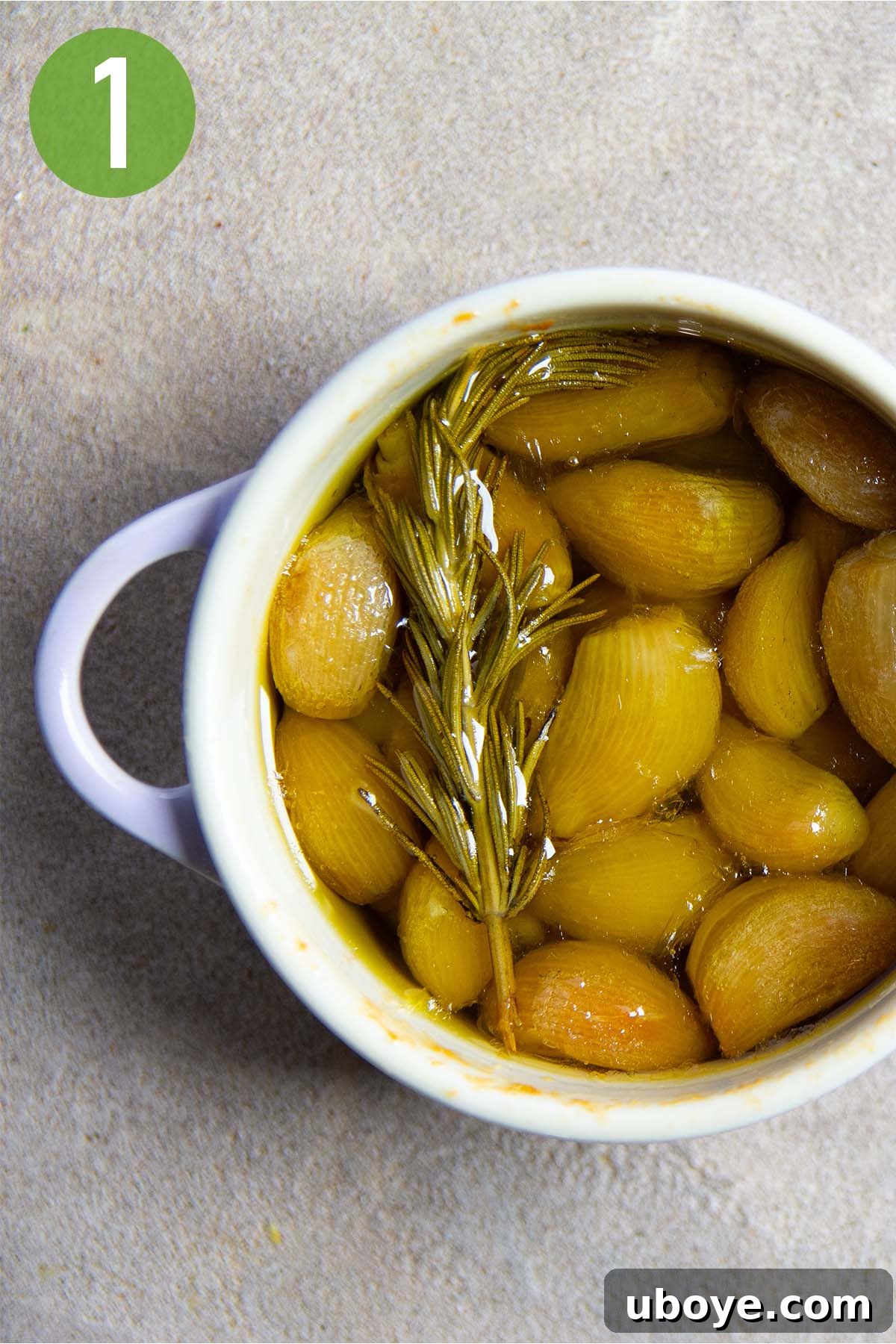
- Preheat Oven & Prep Garlic: Begin by preheating your oven to a low 265°F (130°C). Separate the cloves from two bulbs of garlic. For easy peeling, place the cloves in a heatproof bowl, cover them with boiling water, and let them soak for 5 minutes. This softens the skins, making them incredibly simple to remove. Drain the water and peel the garlic cloves.
- Roast: Place the peeled garlic cloves into a small, ovenproof dish. Sprinkle them generously with flaky sea salt. Pour enough high-quality extra virgin olive oil over the garlic to ensure all cloves are fully submerged; this is crucial to prevent them from burning and ensures even cooking. Bake for approximately 2 hours. The oil will gently bubble, and the garlic cloves will turn wonderfully soft and golden.
- Cool & Drain: Once roasted, remove the dish from the oven and allow the garlic confit to cool briefly. Carefully drain the tender garlic cloves from the oil, reserving the infused olive oil. This flavorful oil is gold and can be used for the pesto or other dishes.
- Prepare the Pesto:
- Basil Prep: Remove fresh basil leaves from their stems. To preserve their vibrant green color and freshness, soak them in a bowl of ice water for 5 minutes. This “shocking” step helps the basil retain its bright hue. Drain the leaves thoroughly and pat them completely dry with paper towels.
- Toast Pine Nuts (Optional but Recommended): In a dry pan over medium heat, toast the pine nuts for a few minutes until they are lightly golden and emit a fragrant, nutty aroma. Be careful not to burn them.
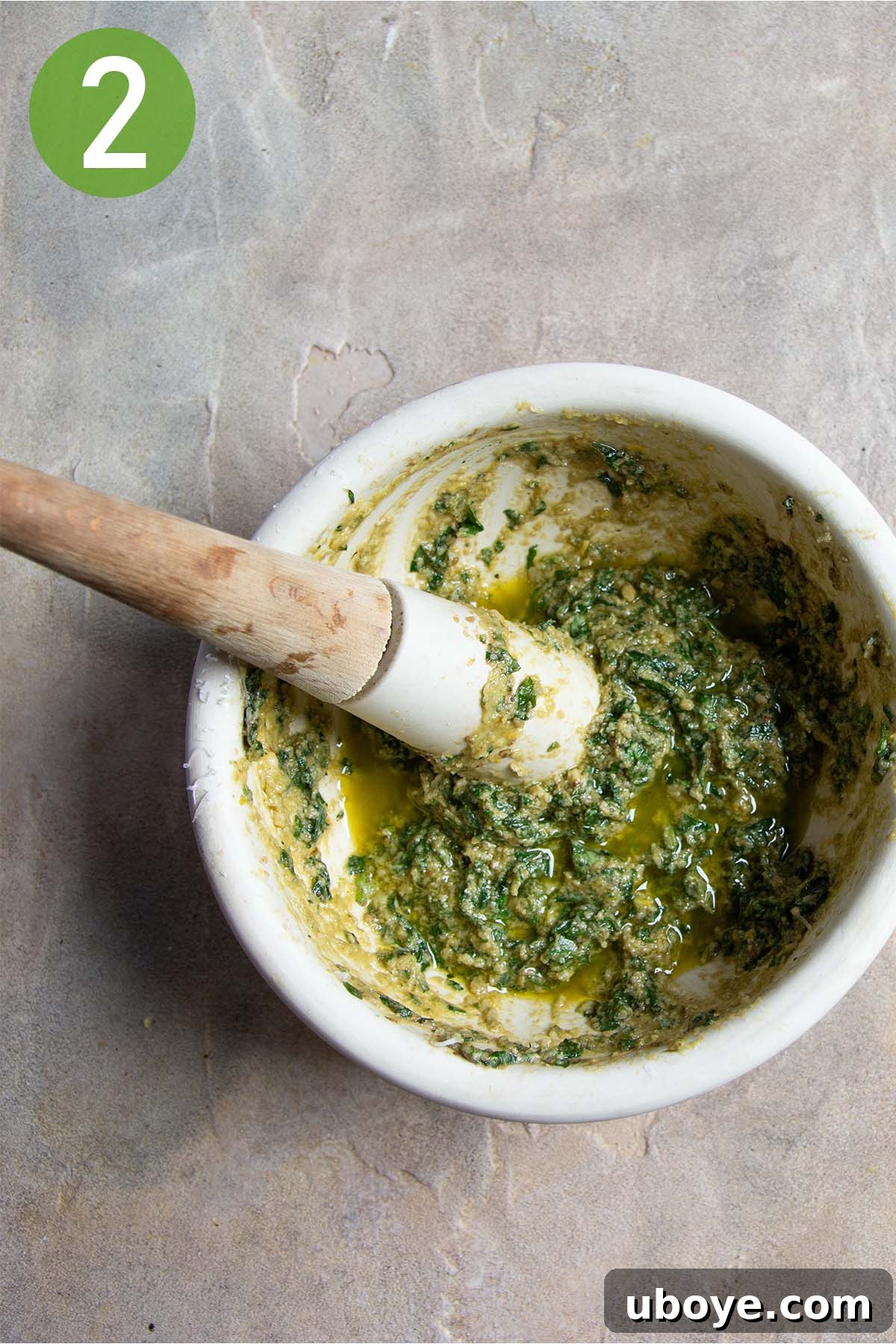
- Make the Paste: In a mortar and pestle (or a food processor, if preferred), combine the cooked garlic confit cloves with a generous sprinkle of sea salt. Mash and pound until a smooth paste begins to form. Add the toasted pine nuts and continue pounding until they are broken down but still offer some texture. Gradually add the prepared basil leaves in three or four batches, pounding until you achieve a bright, uniform green paste.
- Add Cheese & Oil: Incorporate the grated Pecorino Romano and Parmesan cheese in three batches, mixing well after each addition to ensure it’s fully integrated. Slowly drizzle in some of the reserved garlic-infused olive oil from the confit until the pesto reaches your desired silky consistency. You may not need all of the oil.
- Finish the Dish:
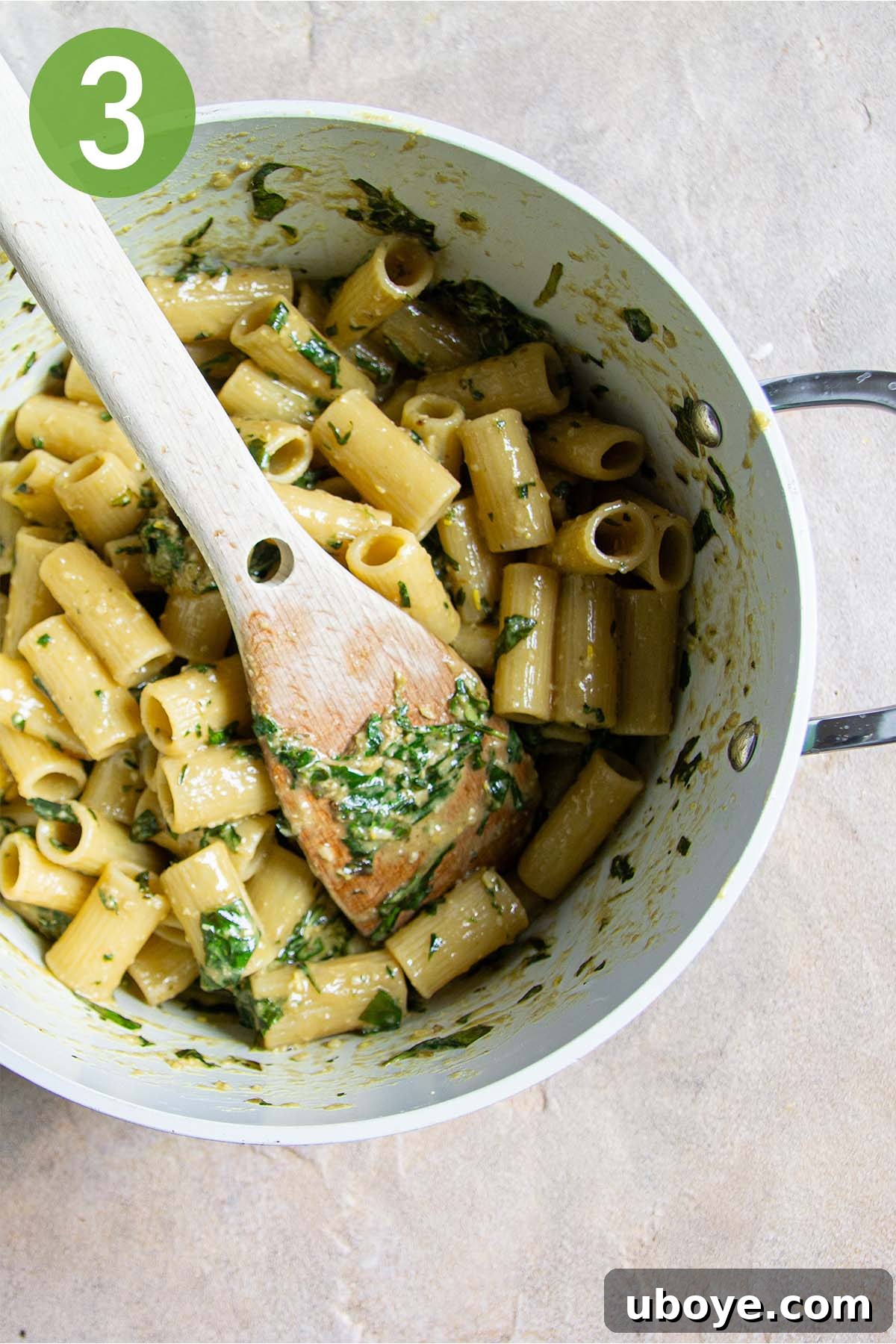
- Cook Pasta: Bring a large pot of water to a rolling boil. Add a generous amount of salt and stir until dissolved. Add your chosen dried pasta (such as pipette or rigatoni) and cook according to package directions until it’s al dente – firm to the bite but cooked through. Before draining, reserve about 1 cup of the starchy pasta water; this is essential for achieving a silky sauce. Drain the pasta thoroughly.
- Combine & Emulsify: Return the drained pasta to the pot (off the heat) or a large mixing bowl. Add the freshly prepared garlic confit pesto. Toss the pasta vigorously to coat every strand evenly. Gradually drizzle in the reserved pasta water, adding it in small batches and continuing to toss. The starchy water will help emulsify the pesto and create a beautifully smooth, creamy, and clingy sauce. You might not need the entire cup, so add until your desired consistency is achieved.
- Serve Immediately:
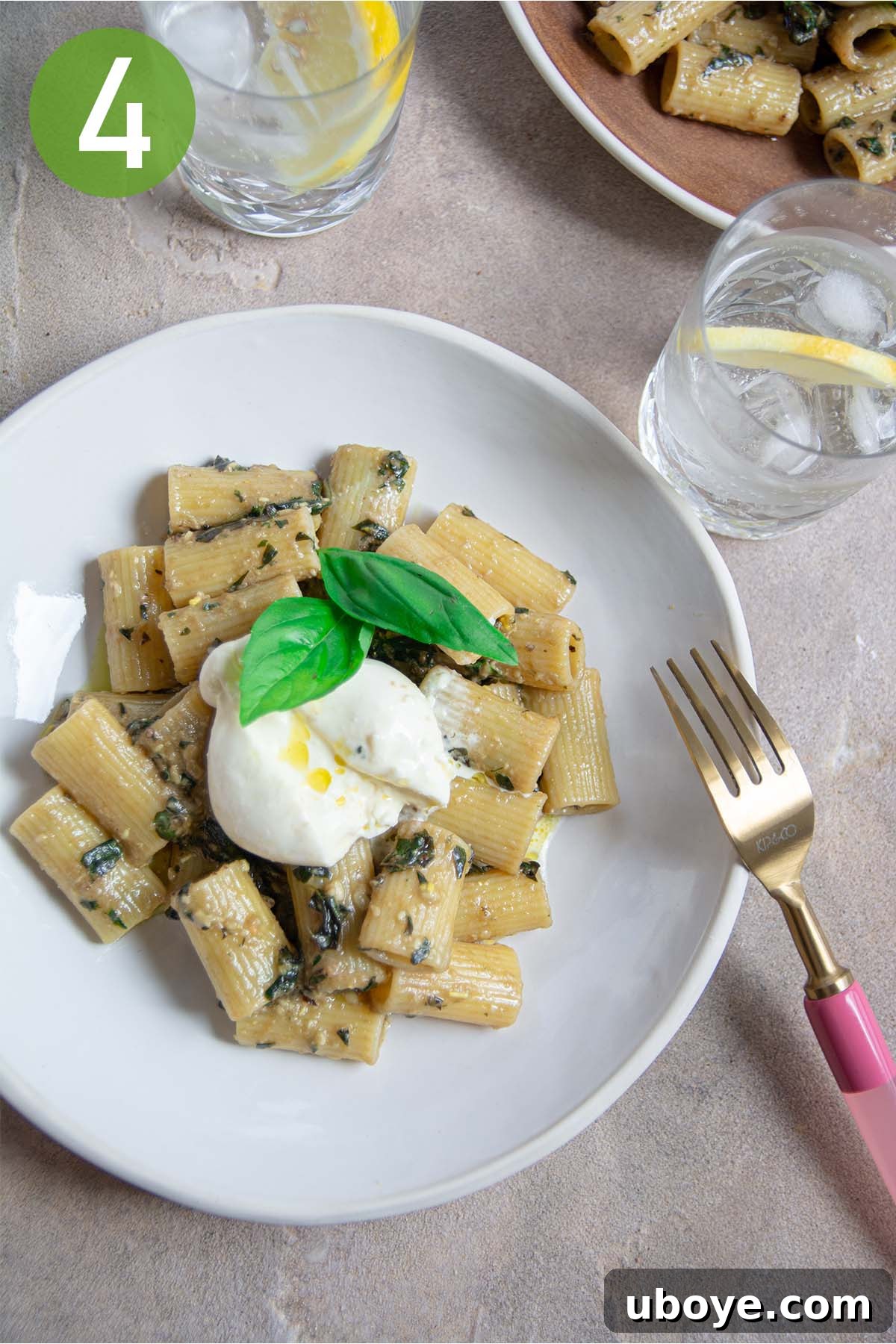
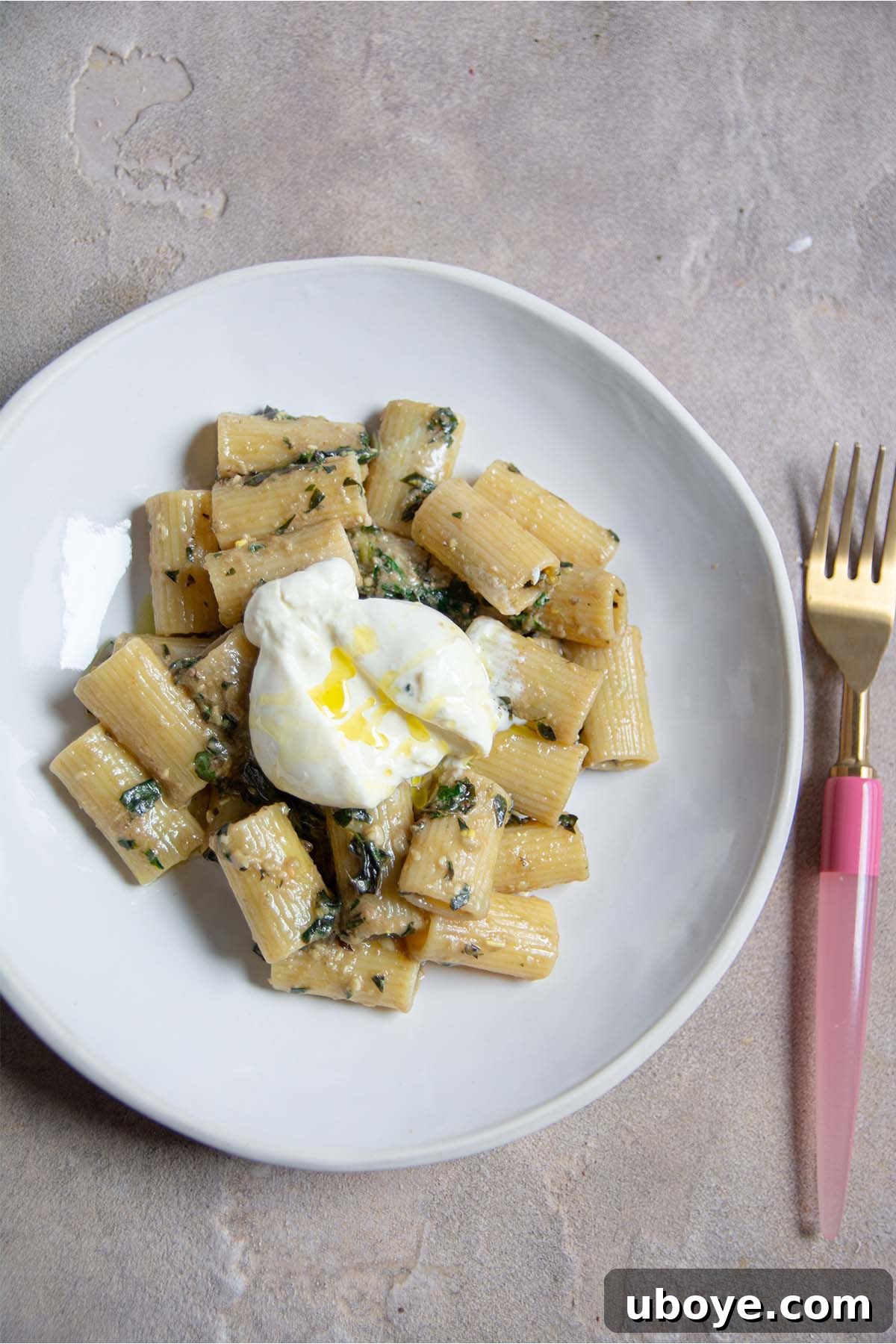
- Garnish & Enjoy: Transfer the piping hot pasta into individual serving bowls. For the ultimate indulgence, tear open a ball of fresh burrata and place a generous portion on top of each serving. Garnish with a few extra fresh basil leaves and, if desired, a sprinkle of chili flakes for an added zing. Serve this exquisite garlic confit pesto pasta immediately to savor it at its best!
Common Questions (FAQs)
Can I make the pesto in advance?
Absolutely! Pesto is excellent for meal prep and will keep fresh for several days in the refrigerator. To store it, transfer the pesto to an airtight container and pour a layer of extra virgin olive oil (about 1-2 cm deep) over the surface. This protective layer prevents the basil from oxidizing and browning, keeping your pesto vibrant and fresh. When ready to use, simply stir the oil into the pesto.
Why do you soak the basil in ice water for pesto?
Soaking basil leaves in ice water is a simple yet effective trick that helps maintain their beautiful, vibrant green color. The cold shock prevents the basil from oxidizing and turning dark during the blending or pounding process, resulting in a much more aesthetically pleasing and appetizing pesto. It only takes 5 minutes, but it makes a noticeable difference!
Which olive oil is best for pesto?
For the best results and flavor, I highly recommend using the highest quality extra virgin olive oil you can find. A premium olive oil contributes significantly to the overall taste and texture of your pesto. My personal favorite is produced by Cobram Estate, and I encourage you to try theirs for this recipe if possible. The richer the oil, the more depth it adds.
How should I store leftover garlic confit?
Garlic confit, when properly stored, can be kept for up to two weeks in the refrigerator. Ensure both the garlic cloves and the infused oil are transferred to a sterilized, airtight container. Make sure the garlic cloves are fully submerged in the oil to prevent spoilage. For longer storage, you can freeze individual cloves in ice cube trays with some oil, then transfer to a freezer bag for up to several months. Always use clean utensils to retrieve the confit to prevent contamination.
Can I use a food processor instead of a mortar and pestle for the pesto?
Yes, absolutely! While a mortar and pestle are traditional and can yield a slightly chunkier, more rustic pesto with a unique texture, a food processor works perfectly well for a quicker and smoother pesto. Just be careful not to over-process; pulse the ingredients until combined to avoid heating the basil and dulling its color and flavor.
Perfect Pairings: Serving Garlic Confit Pesto Pasta
This garlic confit pesto pasta is robust enough to stand alone as a satisfying meal, but if you’re looking to create a more rounded and impressive spread for a weeknight dinner or a casual gathering, here are some delightful pairing ideas:
- Hearty Bread: A crusty artisan bread, a warm baguette, or some garlic bread is ideal for soaking up any leftover pesto sauce. The simple act of dipping bread into the rich, garlicky oil and sauce is pure bliss.
- Vibrant Green Salad: A simple, crisp green salad with a light vinaigrette dressing offers a refreshing contrast to the richness of the pasta. Think mixed greens, cherry tomatoes, and thinly sliced cucumber.
- Garlicky Green Beans: Enhance the garlic theme with a side of quick and easy garlicky green beans. Their tender-crisp texture and complementary flavors make them a perfect match.
- Balsamic Roasted Carrots: For a touch of sweetness and earthy depth, these balsamic roasted carrots provide a beautiful contrast in both color and taste.
- Light Protein: If you desire additional protein, consider serving with grilled chicken, pan-seared scallops, or flaky white fish. Keep the seasoning simple to let the pasta shine.
And to finish off your magnificent meal with a sweet flourish, a delicate blueberry and lemon galette offers a wonderful balance of sweet and tart flavors.
Chef Notes and Expert Tips for Perfection
Achieving the perfect garlic confit pesto pasta isn’t just about following the steps; it’s about understanding the nuances. Here are some expert tips to ensure your dish is nothing short of spectacular:
- Pesto Tools: Mortar and Pestle vs. Food Processor: While I prefer a mortar and pestle for my pesto, as it gently bruises the basil to release maximum flavor and creates a wonderfully rustic texture, a food processor is a perfectly acceptable alternative, especially if you’re short on time. If using a food processor, pulse the ingredients in short bursts rather than continuously blending. This prevents the basil from overheating, which can dull its vibrant color and taste. The key is to achieve a fine paste that can evenly coat the noodles, regardless of the tool used.
- Customizing Your Pesto: This recipe provides an excellent foundation, but don’t hesitate to make it your own! Feel free to tweak the pesto to suit your personal tastes.
- For a Kick: Add extra chili flakes for a more pronounced spicy heat.
- For Acidity: A squeeze of fresh lemon juice or a dash of lemon zest can brighten the flavors and cut through the richness.
- For Herbaceousness: Experiment with adding a small amount of parsley or spinach alongside the basil for a slightly different herbal note or to boost the green color.
Let your culinary imagination soar and make this recipe truly yours!
- The Importance of Pasta Water: Never underestimate the power of starchy pasta water! It’s not just for thinning the sauce; the starch helps to emulsify the pesto and oil, creating a cohesive, velvety sauce that clings beautifully to the pasta. Add it gradually until you reach your desired consistency.
- Al Dente Perfection: Cook your pasta to a perfect al dente texture. It should be firm to the bite but not hard or chewy. Overcooked pasta can become mushy and won’t hold the sauce as well. Always taste-test your pasta a minute or two before the package instructions suggest it’s done.
- Freshly Grated Cheese: Always use freshly grated Pecorino Romano and Parmesan cheese. Pre-grated cheeses often contain anti-caking agents that can affect the texture and melt of your sauce, and their flavor is simply inferior to fresh.
- Temperature Matters: Ensure your garlic confit is at least slightly cooled before adding it to the pesto. Hot garlic confit can cook the basil, changing its color and flavor.
Other Irresistible Pasta Recipes You’ll Love
- Lobster Mac and Cheese
- Baked Mac & Cheese With Garlic Confit
- Pastina With Chicken Broth
- Buttered Lobster Pasta with Cherry Tomatoes
Got questions about this recipe or want to share your experience? Please leave a comment or review below the recipe card! I genuinely enjoy answering your questions and hearing your valuable feedback. Your insights help other home cooks discover and perfect this dish.
If you create this delicious garlic confit pesto pasta, I would love to see your wonderful creations! Please follow me and tag me on Instagram, TikTok, or Pinterest. Happy cooking!
Pin Recipe
Print Recipe
Garlic Confit Pesto Pasta
Daen Lia
10 minutes
15 minutes
2 hours
2 hours 25 minutes
4
Ingredients
For the Garlic Confit
- 2 bulbs garlic, peeled
- 1 cup extra virgin olive oil
- flaky sea salt
For the Pesto
- garlic confit
- garlic infused olive oil, from the confit
- 1 cup fresh basil
- 1/4 cup pine nuts
- 1.4 ounces Pecorino Romano cheese, grated
- 0.7 ounce Parmesan cheese, grated
For the Pasta
- 9 ounces dried pasta, such as pipette or rigatoni
- salt, to taste
- 1 cup pasta water, reserved from cooking the pasta
For Garnish
- 4.5 ounces burrata
Instructions
Making the Garlic Confit
-
Preheat: Preheat the oven to 265°F (130°C).
-
Peel Garlic: Separate the cloves in the garlic bulbs and place in a heatproof bowl. Cover with boiling water and let it stand for 5 minutes, then drain and peel. (Soaking the garlic loosens the skins, making them easy to peel off.)
-
Bake: Place the garlic cloves and a generous amount of salt into an ovenproof dish and cover with olive oil, ensuring that the garlic is fully submerged in olive oil so it does not burn. Roast for 2 hours; the oil will bubble slightly as it cooks. Set aside to cool briefly.
-
Drain: Remove the garlic cloves from the oil, then reserve the oil for later.
Making the Pesto
-
Soak Basil: Remove the basil leaves from the stems and soak them in a bowl of iced water for 5 minutes. Remove and pat them dry with paper towels.
-
Toast the pinenuts: In a dry pan on a medium heat, toast the pinenuts until slightly golden and they have a nutty aroma.
-
Make a Paste: Place the cooked garlic cloves and a generous sprinkle of sea salt into a mortar and pestle and crush until a paste forms. Add the pine nuts and pound until they are broken down but still have some texture to them. Add the basil leaves in three or four batches and pound until you have a bright green paste.
-
Add Cheese & Oil: Add the grated Pecorino Romano and Parmesan in three batches, mixing well between each addition. Gradually stir in the reserved olive oil until the pesto is at a consistency you like.
Finishing the Dish
-
Cook Pasta: Bring a pot of water to a boil, then add a generous amount of salt and stir until it’s dissolved. Cook the pasta until it’s al dente, then drain it, reserving 1 cup of pasta water.
-
Mix: Toss the pasta with the pesto, and slowly drizzle in the pasta water until you have a smooth and silky sauce. You may not need the full cup of pasta water, so do this step in batches.
-
Serve: Transfer the pasta to individual bowls and top each serving with burrata, basil leaves, and chili flakes if you desire. Serve immediately and enjoy!
Video
Notes
- I used a mortar and pestle for my pesto, but if you’re missing this kitchen tool or are pressed for time, a food processor also works. Whizzing the pesto into a fine paste can take some patience using a mortar and pestle, but it’s important to do this so it coats the noodles evenly.
- Tweak the pesto to suit your tastes, whether it’s adding in some chilli flakes for a kick or lemon juice for some acidity. This recipe is a great starting point; let your imagination take flight!
Nutrition
Calories: 920kcal
Carbohydrates: 49g
Protein: 20g
Fat: 72g
Saturated Fat: 15g
Polyunsaturated Fat: 9g
Monounsaturated Fat: 45g
Cholesterol: 38mg
Sodium: 336mg
Potassium: 245mg
Fiber: 2g
Sugar: 2g
Vitamin A: 1326IU
Vitamin C: 1mg
Calcium: 891mg
Iron: 2mg
Nutrition information is automatically calculated, so should only be used as an approximation.
 Like this? Leave a comment below!