
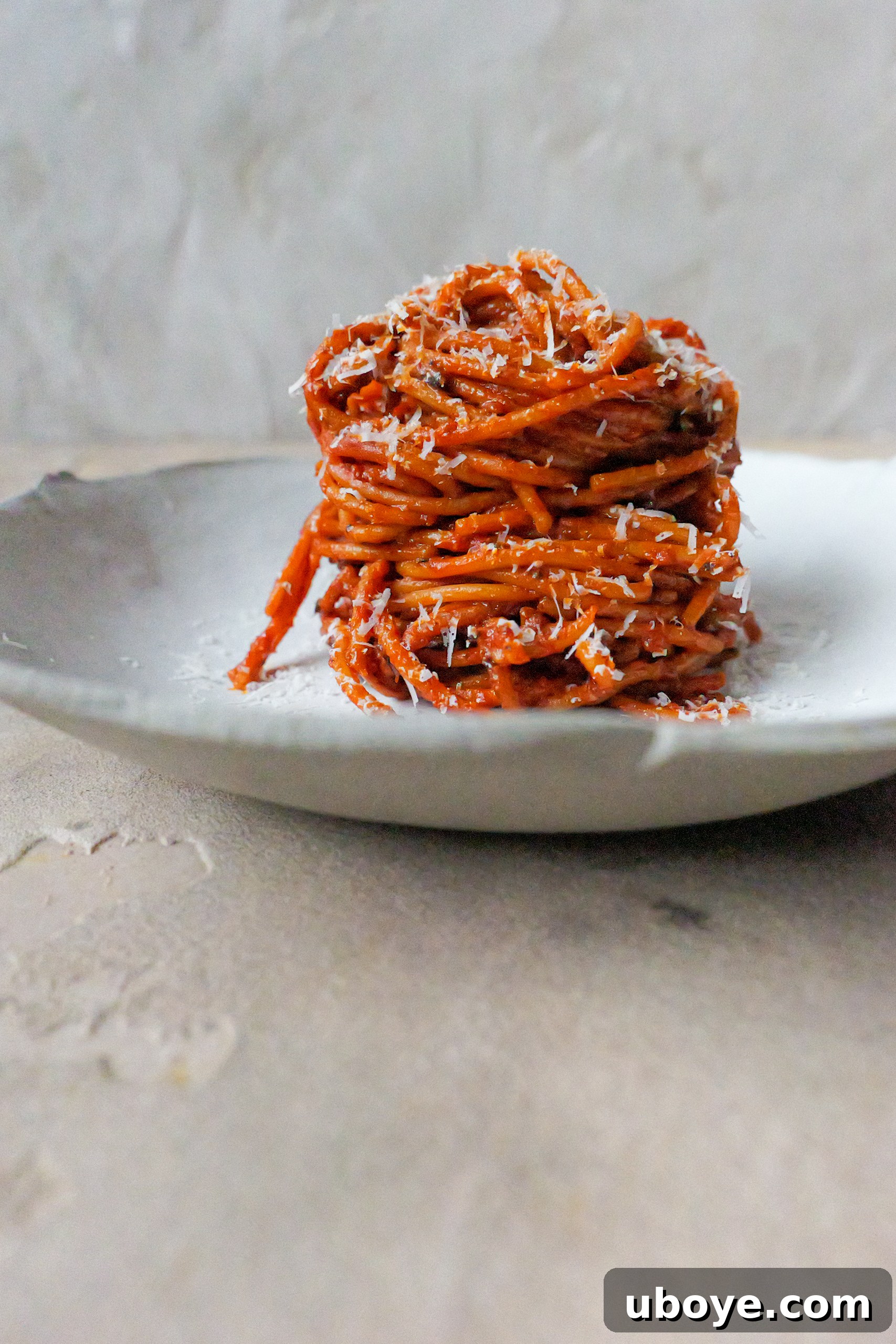
Tired of the same old spaghetti recipes? While classics like Spaghetti Vongole, Tomato and Basil Pasta, and Aglio e Olio are undoubtedly delicious, it’s time to embark on a culinary adventure that will truly awaken your taste buds. Get ready to meet Pasta all’Assassina, famously known as “Assassin’s Spaghetti.” This dish, roughly translating to “killer spaghetti,” isn’t just a meal; it’s an experience designed to assassinate your expectations with its bold flavors and unique texture. If you’re a fan of spicy food and crave an unforgettable pasta dish, then this recipe is definitely for you!
Assassin’s Spaghetti: Unveiling Pasta all’Assassina
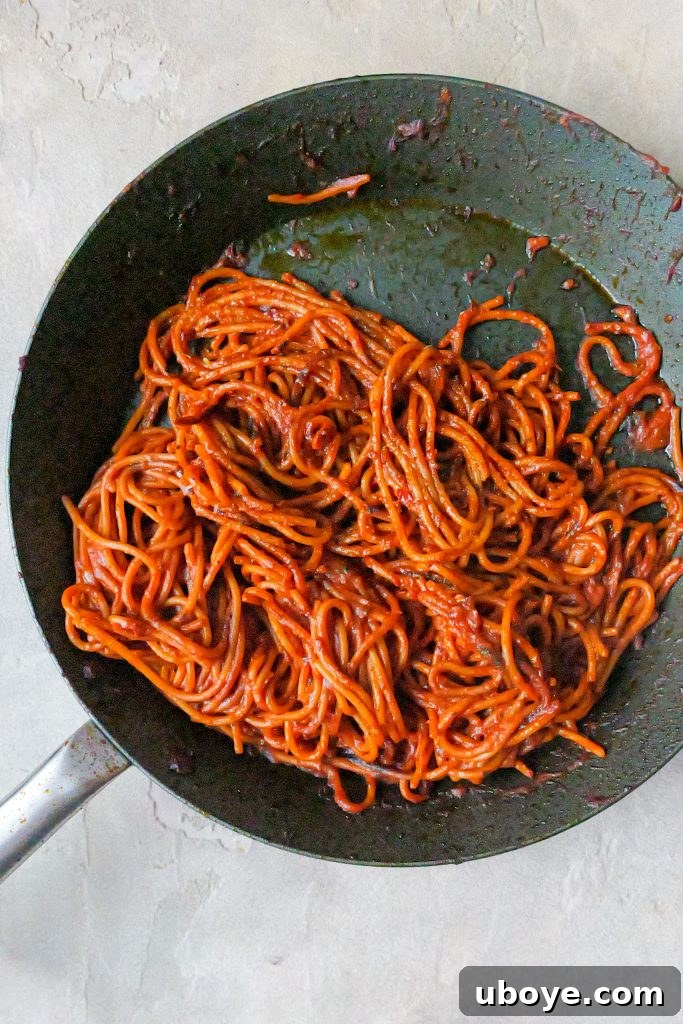
Pasta all’Assassina stands out in the vast world of Italian cuisine for its remarkably distinctive preparation. Unlike conventional pasta dishes where spaghetti is boiled and then tossed in sauce, this recipe takes a daring detour, akin to the creation of a magnificent paella. The secret lies in directly cooking raw spaghetti in a skillet, allowing it to char slightly and absorb the intense flavors of the sauce as it gradually cooks. This unconventional method imbues the pasta with an extraordinary crispy texture and a depth of flavor that is simply unparalleled.
The judicious addition of chili peppers is not merely for heat; it’s a foundational element that elevates the dish’s entire profile. It contributes a vibrant spiciness that perfectly balances the rich tomato and garlic notes, creating a symphony of flavors with every bite. Furthermore, the choice of high-quality extra virgin olive oil is non-negotiable. It’s crucial for achieving that desired crispy texture and ensures the pasta is perfectly coated and deeply flavorful. While this technique might initially challenge your culinary instincts, trust in the process. The reward is a pasta dish unlike any other you’ve experienced – a true revelation of texture and taste.
The Origins of Killer Spaghetti: A Modern Italian Masterpiece
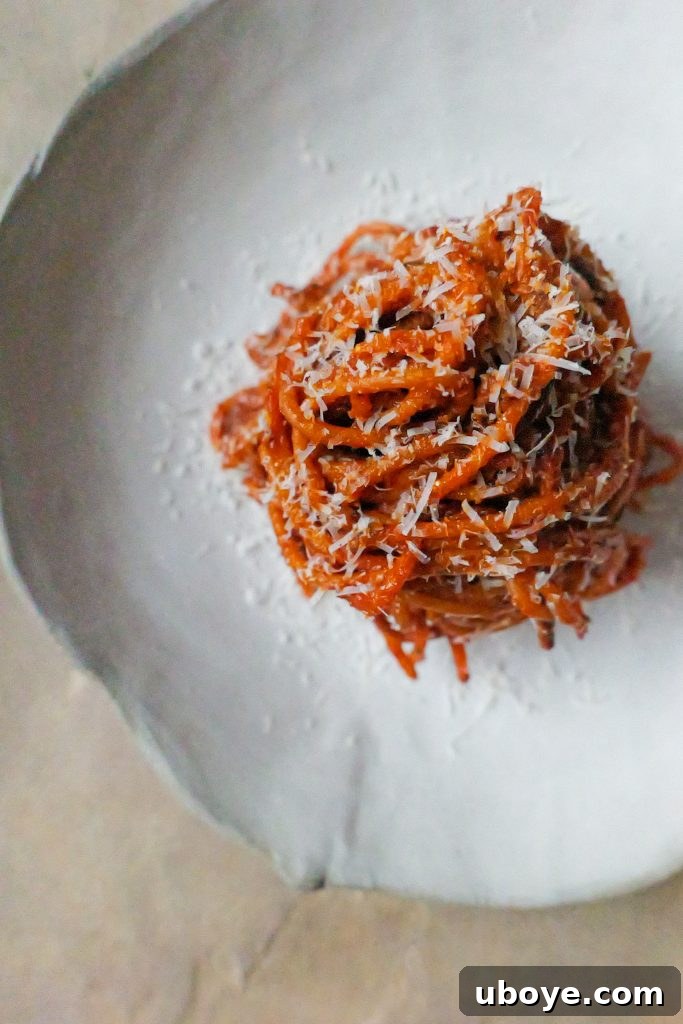
Spaghetti all’Assassina, affectionately dubbed “Killer Spaghetti,” is a contemporary Italian dish that has rapidly captivated food enthusiasts worldwide. This culinary innovation originated in Bari, the vibrant capital city of Puglia, a region renowned for its rich gastronomic traditions. Breaking away from centuries-old pasta-making rules, Spaghetti all’Assassina employs a groundbreaking technique: frying raw pasta directly in a small amount of concentrated tomato sauce before slowly simmering it in a light, flavorful tomato broth.
This method not only yields an exquisitely crispy and chewy texture but also infuses the spaghetti with an intense, layered flavor from the very core of each strand. It’s a dish that challenges conventions and delivers an unforgettable experience, making it a firm favorite among those seeking bold and adventurous Italian flavors. Its growing international popularity is a testament to its unique appeal and delicious execution, solidifying its place as a modern classic.
The Secret Weapon: Garlic Confit and Premium Extra Virgin Olive Oil
While traditional recipes for Pasta all’Assassina might call for raw garlic, we’re taking a step further to achieve an even more profound flavor profile: garlic confit. It’s been a while since we’ve highlighted garlic confit, but its return here is absolutely essential for truly mastering this dish. Garlic confit, made by slowly simmering garlic cloves in olive oil until they are tender and caramelized, transforms garlic from pungent to sweet and mellow, yet intensely aromatic.
This dish offers a remarkable “bite” in two distinct ways: the delightful charring of the pasta itself, and the robust, yet nuanced, garlic flavor. I firmly believe that this depth of garlic flavor is uniquely achievable through garlic confit. The oil from the confit also carries this incredible essence, making it a double win. Using this flavorful oil, rich with garlic, rather than plain extra virgin olive oil for the initial cooking, adds another layer of complexity and richness that truly sets this Assassin’s Spaghetti apart.
Crafting the Killer Sauce: A Foundation of Flavor
The sauce for Spaghetti all’Assassina is a crucial component that requires a specific preparation to achieve its distinctive intensity. It’s built upon a vibrant combination of quality tomato passata and a rich tomato broth. To begin, heat the passata with 3½ cups of water over medium heat in a separate pot. This forms the base of your simmering liquid. Next, add the tomato paste to the pot and cook it until it starts to melt and toast slightly. This crucial step deepens the tomato flavor, enhancing its richness and developing a subtle caramelization that adds complexity to the final broth.
In a heavy-based skillet (preferably cast iron, which excels at charring), begin the aromatics. Heat your extra virgin olive oil (ideally, the garlic confit oil) and add the garlic (confit cloves or minced raw garlic) and red pepper flakes. Cook these just until the garlic starts to turn golden, ensuring not to burn it. This infuses the oil with a robust, spicy, and deeply aromatic foundation. Transfer a portion of this flavorful oil with the aromatics into your simmering tomato broth, then season the broth with salt and pepper to taste, ensuring a perfect balance of savory and spicy notes. This method creates a multi-layered sauce that is both robust and perfectly seasoned, ready to transform your spaghetti.
Cooking the Pasta to Perfection: The Charring Technique
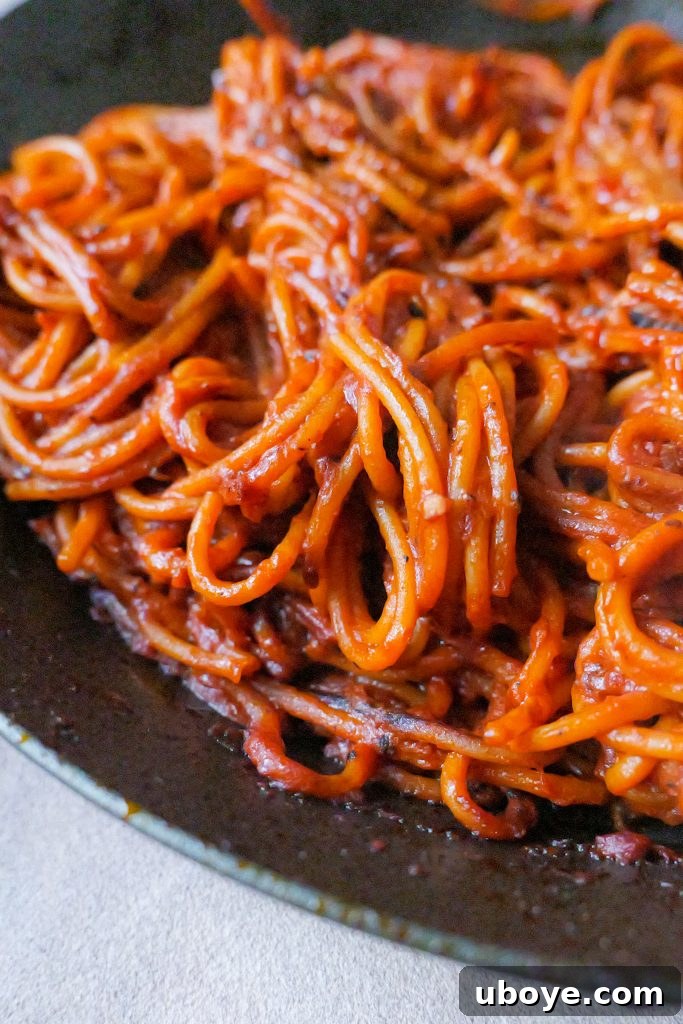
The true magic of Pasta all’Assassina lies in its unique cooking method, which deviates significantly from typical pasta preparation. Instead of boiling, the spaghetti is cooked directly in a wide, heavy-based pan, preferably cast iron, allowing for characteristic charring. Here’s a detailed breakdown of the process:
- Initial Sauté: Heat a generous amount of extra virgin olive oil in your 12- to 14-inch cast iron skillet over medium-high heat. Add your garlic confit cloves (or minced raw garlic) and red pepper flakes. Sauté until the garlic is fragrant and just beginning to brown. This step is vital for infusing the oil with a robust, spicy aroma that forms the foundation of the dish.
- Toasting the Tomato Paste: Next, add the tomato paste directly into the skillet with the aromatics. Cook it down, stirring frequently, until it begins to melt, toast, and deepen in color. This process, known as “caramelizing” or “frying” the tomato paste, removes its raw edge and concentrates its sugars, creating a rich, intensely flavored base.
- First Broth Addition: Ladle about 1/2 cup of the warm tomato broth (prepared as described in “Crafting the Killer Sauce”) into the pan. Swirl it vigorously to combine with the toasted tomato paste, garlic, and chili, forming a concentrated, flavorful initial sauce.
- Laying the Spaghetti: Carefully place the raw spaghetti strands directly into the pan, arranging them as evenly as possible over the simmering sauce. Ladle an additional 1 cup of the tomato broth over the pasta, using a fork to gently move the strands until they are evenly coated. Resist the urge to stir vigorously at this stage.
- The Charring Phase: Allow the pasta to cook undisturbed for about 3-5 minutes, or until the bottom layer begins to visibly char and crisp up. You’ll hear sizzling and see the edges darken. This creates the signature “burnt” or crispy texture that is essential to the dish.
- Gradual Broth Absorption: Once the first side is charred, add another 1½ cups of tomato broth. Continue cooking, allowing the pasta to absorb the liquid. As the liquid diminishes and the pan looks dry, continue adding the warm tomato broth, one ladleful at a time, just as you would risotto. The key is to add liquid only when the previous addition has been mostly absorbed. This ensures the pasta cooks slowly, absorbing maximum flavor and developing its unique texture.
- Flipping and Finishing: Periodically, you will need to gently flip or turn sections of the pasta to ensure even cooking and charring on different sides. Continue this process until the spaghetti is cooked al dente, all the tomato broth has been absorbed, and the pasta has achieved a delightful crispy, chewy texture throughout. This meticulous method guarantees that the pasta absorbs all the delicious flavors while achieving that signature “assassin-like” texture.
Customizing Your Assassin’s Spaghetti: Enhance Flavor and Heat
One of the beauties of Pasta all’Assassina is its adaptability to personal taste, particularly when it comes to flavor and spice. While the core recipe delivers a powerful punch, there are several ingredients you can incorporate to further tailor the dish to your preference:
- Red Pepper Flakes: For those who truly love heat, a generous extra sprinkling of red pepper flakes during cooking or as a garnish will amplify the spice profile, delivering an even more intense “killer” kick.
- Chili Olive Oil: Drizzling a high-quality chili-infused olive oil over your finished pasta adds another layer of both flavor and spicy warmth. It also contributes a lovely sheen and aroma.
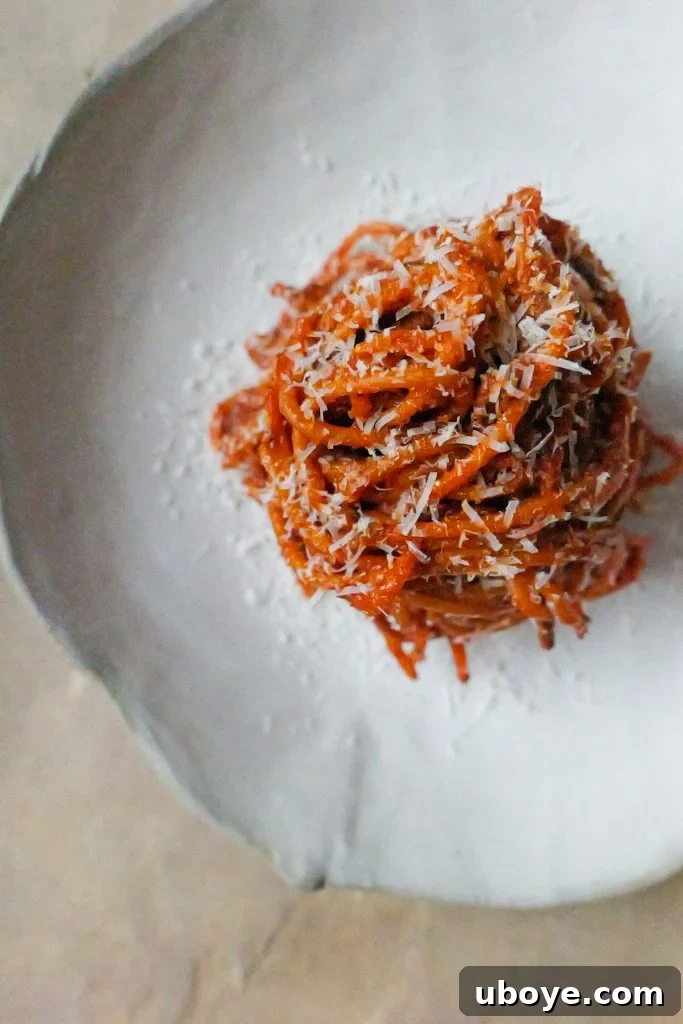
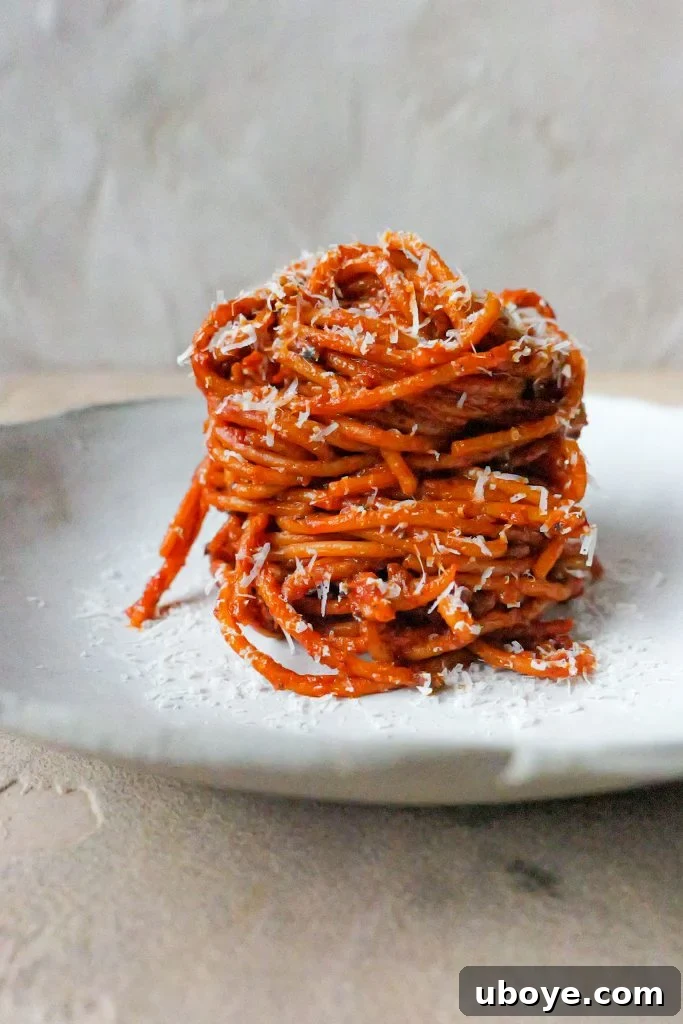
- Parmigiano Reggiano Cheese: While the original Bari tradition might skip cheese with seafood pasta, for many, a sprinkle of freshly grated Parmigiano Reggiano offers a salty, nutty counterpoint to the dish’s robust flavors. It melts slightly with the pasta’s heat, adding a creamy dimension.
- Tomato Purée (Passata): If you desire an even thicker, more intensely tomato-rich sauce, you can opt for a high-quality tomato purée (passata) instead of a lighter tomato sauce, or even blend half purée with half regular sauce for a deeper concentration.
- Fresh Herbs: A final flourish of fresh basil or parsley, roughly chopped and sprinkled just before serving, can add a burst of freshness and color that brightens the entire dish.
- Smoked Paprika: For a subtle smoky depth, a pinch of smoked paprika added with the chili flakes can introduce a new layer of complexity without overpowering the dish.
- Anchovy Paste: A small amount of anchovy paste dissolved in the initial oil with garlic can provide an umami boost, enhancing the savory qualities without making the dish taste “fishy.”
These additions empower you to take your Spaghetti all’Assassina to the next level, ensuring it’s even more irresistible and perfectly suited to your palate. Whether you crave an extra spicy kick or a touch of creamy richness, these customization options allow for culinary creativity. Serve immediately and revel in the truly killer flavors!
Serving Suggestions: The Grand Finale
The immediate service of Pasta all’Assassina is paramount to enjoying its unique textures – the crispy bits are best savored right off the pan. While traditionally this killer spaghetti might be served with a simple dusting of Parmigiano, don’t hesitate to venture beyond convention. For an absolutely divine and incredibly creamy addition, I highly recommend topping it with a generous dollop of fresh burrata cheese. The cool, luscious creaminess of the burrata melts beautifully against the hot, spicy pasta, creating an exquisite contrast.
Finish your plate with an extra sprinkling of chili flakes for an undeniable visual appeal and an added kick, and perhaps a fresh grind of black pepper. With these simple final touches, you’ve not just prepared a meal; you’ve crafted a truly “killer” culinary experience with this remarkable Pasta all’Assassina.
Pasta all’Assassina
This is a unique way to serve pasta, but this Pasta all’Assassina is one killer meal!
Prep Time: 10 mins
Cook Time: 25 mins
Servings: 4
Ingredients
- 1 L water (4 cups)
- 150 g tomato paste (5 oz)
- 3/4 cup extra virgin olive oil (preferably garlic confit oil)
- 20 garlic confit cloves (or 2 raw garlic cloves, minced)
- 1 tsp dried chili flakes
- 300 g spaghetti (10 oz)
- 300 g passata (10 oz)
- Salt and freshly ground pepper, to taste
- Parmesan or fresh burrata, to serve
Instructions
- In a saucepan, bring the 1 L water to a boil over high heat. Stir in about half of the tomato paste and a generous amount of salt. Cook for 5-7 minutes, then remove from heat. Keep warm. This is your tomato broth.
- In a large, heavy-based skillet (preferably cast iron) over medium-high heat, add the olive oil. Once shimmering, add the garlic (confit cloves or minced raw garlic) and chili flakes. Cook for 30 seconds, stirring constantly to prevent the garlic from burning.
- Add the remaining tomato paste to the skillet with the garlic and chili. Cook, stirring, for 1-2 minutes until the paste begins to toast and deepen in color.
- Carefully place the raw spaghetti into the skillet, coating it in the oil and tomato paste mixture. Using the back of a wooden spoon or a spatula, gently press the pasta down onto the hot surface. Allow it to cook undisturbed for 5-7 minutes, or until the bottom side is noticeably charred and crispy.
- Once charred, add the passata to the pan and gently coat the pasta. Cook for an additional 2-4 minutes until the passata is bubbling and slightly reduced. Gently roll or flip the pasta to expose different sections to the charring process, cooking for another 2 minutes.
- When the pan starts to look dry and the pasta has absorbed most of the liquid, add one ladleful of the warm tomato broth. Do not stir the pasta vigorously. Allow the pasta to absorb most of the liquid before adding another ladleful. Repeat this process, adding broth ladle by ladle, until about half of the tomato broth has been used.
- Flip the pasta entirely. It should be beautifully charred on the bottom. Continue adding the remaining tomato broth in ladlefuls, allowing each addition to be absorbed before adding the next. Continue until all the tomato broth has been used and absorbed, and the spaghetti is cooked al dente with crispy, charred bits.
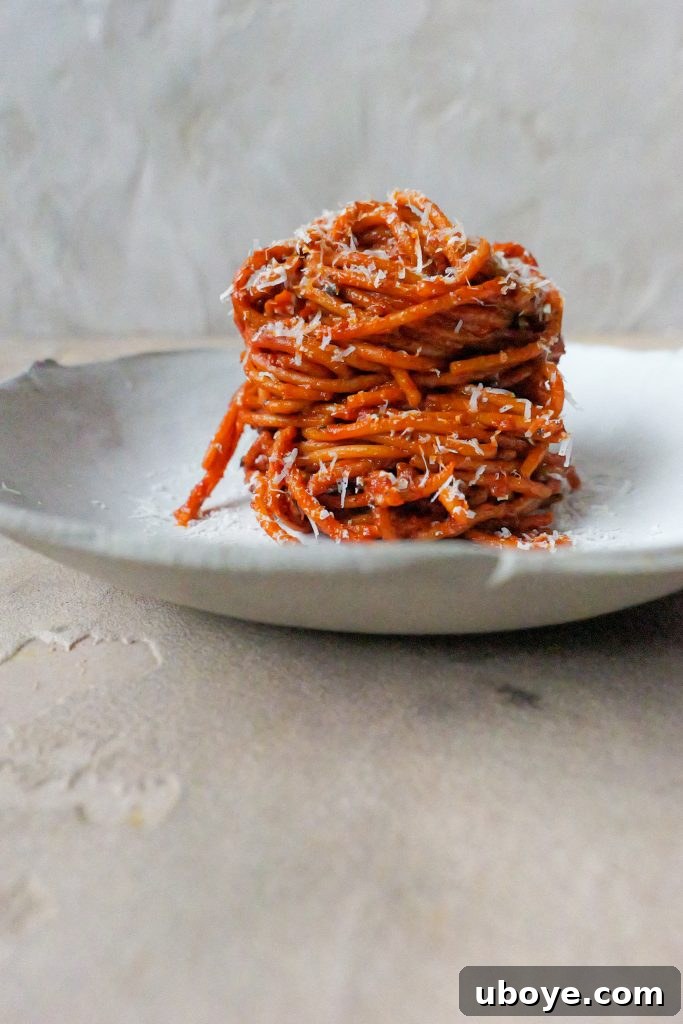
- Remove the spaghetti from the pan and plate immediately. Serve with an extra sprinkling of chili flakes and freshly grated Parmesan cheese, or for a creamy indulgence, top with a spoonful of fresh burrata cheese. Enjoy the fiery flavors!

If you create this recipe, please share your wonderful creations and tag me on Instagram, TikTok, or Pinterest!
Have questions or want to leave a review? Please do so below! I always enjoy answering your food and recipe-related questions and hearing your feedback.