
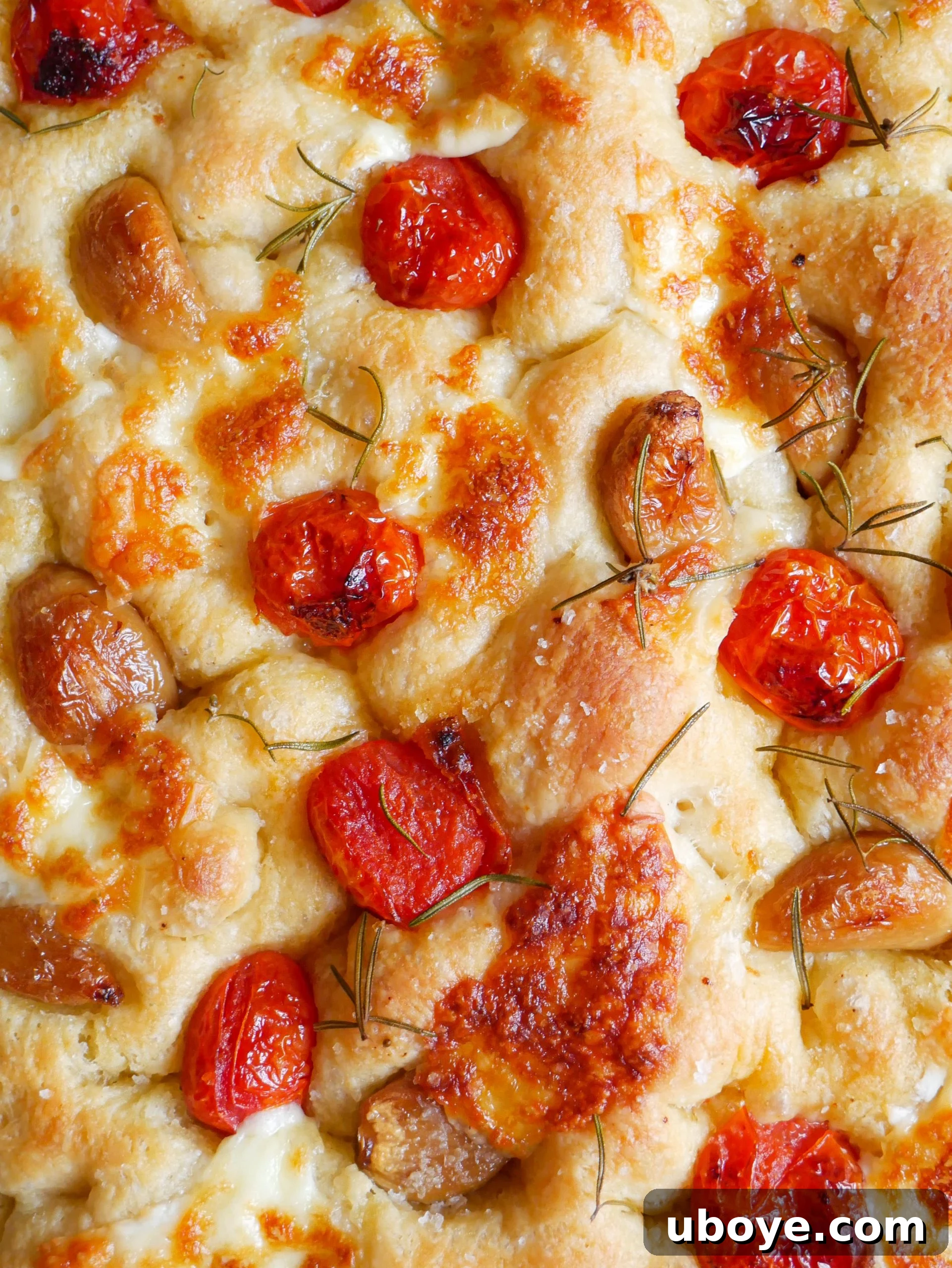
Prepare to bake the most delightful bread you’ve ever tasted – a cheesy focaccia elevated with savory tomato and garlic confit. This isn’t just any bread; it’s a testament to simple, delicious baking, offering a perfect harmony of textures and flavors. With a golden, irresistibly crispy exterior and an interior so soft and fluffy it practically melts in your mouth, every bite is a revelation. Infused with the aromatic “liquid gold” of garlic-infused olive oil, this no-knead wonder tastes like the best pizza bread imaginable, but with an unparalleled depth of flavor that makes it truly extraordinary.
Jump to Recipe Print Recipe
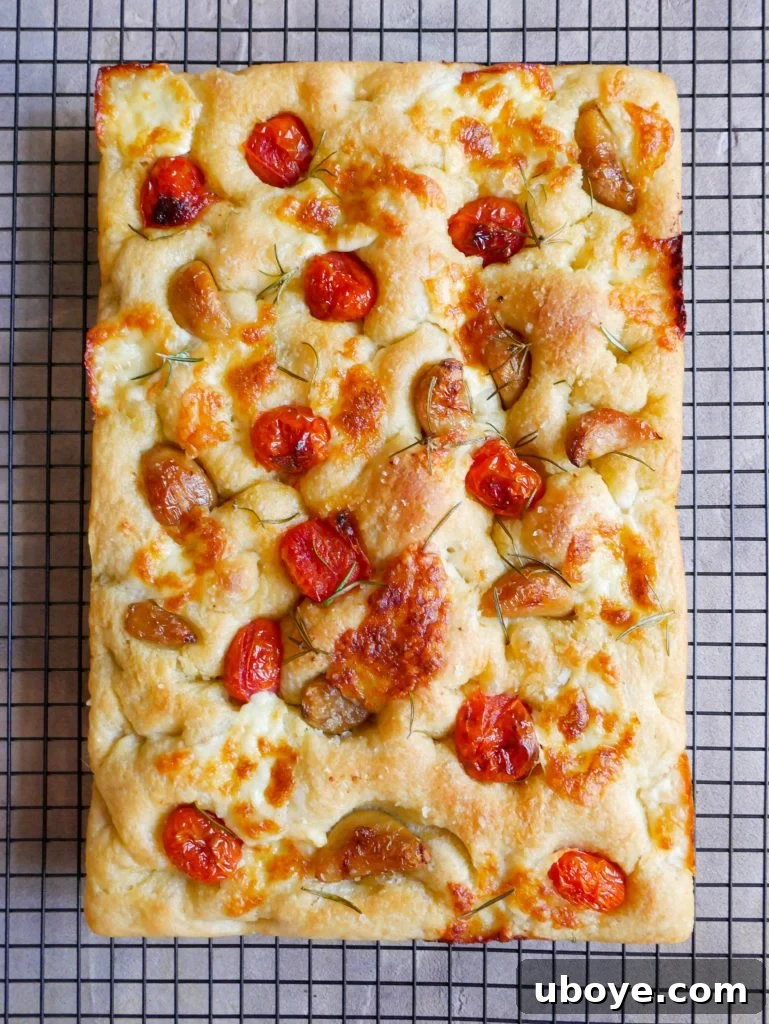
The Ultimate No-Knead Cheesy Focaccia with Tomato & Garlic Confit
This focaccia recipe is a dream come true for baking enthusiasts, especially beginners. It ingeniously brings together a symphony of my absolute favorite flavors: the profound aroma of homemade garlic confit, the sweet tang of cherry tomato confit, and the creamy richness of ample mozzarella cheese. Each piece is meticulously finished with a generous drizzle of that precious garlic-infused extra-virgin olive oil, a scattering of fresh herbs like rosemary, flaky sea salt, and a dash of freshly ground black pepper. For an added layer of complexity, consider incorporating a teaspoon of dried oregano into the dough or as a topping. This versatile focaccia isn’t just a side dish; it forms the perfect foundation for gourmet sandwiches, like my renowned Chicken Parma Focaccia Sandwich, transforming a simple meal into an unforgettable culinary experience.
Why This Cheesy Focaccia is a Must-Try
There are countless reasons to fall in love with this particular focaccia recipe. Beyond its inherent simplicity, being a no-knead dough, it delivers on every front where flavor and texture are concerned. The slow fermentation process, coupled with the generous use of quality olive oil, creates an irresistible crust that crackles with a satisfying crunch, giving way to an incredibly soft, airy crumb. The marriage of sweet roasted garlic and juicy cherry tomatoes, softened and intensified through the confit process, creates pockets of concentrated flavor throughout the bread. When these vibrant ingredients meet melted mozzarella, the result is a savory, umami-rich explosion that truly defines comfort food. It’s a versatile bread that shines on its own, accompanies any meal beautifully, and elevates sandwiches to new heights. Once you try this focaccia, you’ll understand why it quickly becomes a staple in any home baker’s repertoire.
Mastering the Art of Confit: Tomato and Garlic
Confit, a traditional French cooking method, involves slowly cooking ingredients in fat at a low temperature until they are tender and deeply flavorful. This technique is not just about preservation; it transforms ordinary ingredients into something truly extraordinary. For this focaccia, we harness the power of confit for both garlic and cherry tomatoes. Garlic confit yields cloves that are buttery soft, sweet, and imbued with an incredible aroma, completely losing their raw pungency. Tomato confit, on the other hand, brings out the natural sweetness of cherry tomatoes, concentrating their flavor into luscious, burst-in-your-mouth gems. The olive oil used in the confit process itself becomes an intensely flavored elixir, perfect for drizzling over the finished focaccia, enriching dishes, or simply for dipping with crusty bread. This slow cooking method is the secret weapon behind the focaccia’s profound taste, infusing every fiber with a savory, herbaceous essence that cannot be replicated.
Essential Tips for Making the Best Cheesy Focaccia
Achieving focaccia perfection is simpler than you might think, especially with these insider tips:
Prioritize Dough Rest and Rise Time
Patience is truly a virtue when it comes to no-knead focaccia. If your schedule allows, letting the dough rest and rise for 24 to 48 hours in the refrigerator is highly recommended. This extended cold fermentation period allows the yeast to work slowly, developing complex flavors and a superior texture, resulting in an exceptionally fluffy and light dough with large, airy pockets. If time is a constraint, aim for a minimum of 8 hours for the first rise. Always ensure your dough rises in a spacious bowl, covered with a silicone lid or plastic wrap, as it will significantly double or even triple in size, requiring ample room to expand.
Embrace High-Quality Extra Virgin Olive Oil
This focaccia recipe thrives on the quality and quantity of extra virgin olive oil. It’s not merely a flavor enhancer but a crucial component for achieving that signature golden, crunchy crust and moist interior. Skimping on quality will compromise the final result, which is why I strongly advocate for using a premium brand like Rich Glen olive oil, known for its exceptional taste and purity. Should you prefer to omit the garlic confit, consider using Rich Glen’s Wild Garlic Olive Oil or their signature extra virgin blend for an equally fragrant and flavorful outcome. Don’t be shy; a generous hand with olive oil is key to focaccia success.
Cultivate a Warm Environment for the Second Rise
The second rise, often called the proofing stage, benefits significantly from a warm, consistent room temperature. This encourages the yeast to become active again, allowing the dough to achieve its final volume and airy structure before baking. During colder months, a clever trick is to turn on your oven light (without heat) and let the focaccia dough proof inside. The gentle warmth from the light creates an ideal environment for the dough to swell and become beautifully dimpled, ensuring a spectacular rise.
Unleash Your Creativity with Toppings
While my personal favorite combination for cheesy focaccia features garlic confit and fresh rosemary, the beauty of this bread lies in its adaptability. Consider these toppings as mere suggestions, an invitation to personalize your focaccia to your unique taste. Explore options such as briny Kalamata olives, thinly sliced potatoes and onions for a rustic touch, sweet caramelized shallots, or even keep it simple with a sprinkle of coarse kosher salt and a tablespoon of extra olive oil for a classic rendition. Don’t hesitate to experiment and make it truly your own; the possibilities are endless.
Select the Right Flour for Texture
The choice of flour plays a subtle yet important role in the focaccia’s final texture. While bread flour can yield a chewier focaccia due to its higher protein content, it can sometimes be challenging to source. Fortunately, common all-purpose white flour works just as wonderfully, producing a tender crumb that is equally satisfying. Whichever you choose, ensure it’s fresh and stored correctly to guarantee optimal leavening and flavor.
The Importance of Your Baking Vessel
The baking dish you select significantly influences the focaccia’s shape and thickness. I personally achieve excellent results with a rectangular baking dish measuring 34cm x 23cm x 5cm, which allows for a good rise and a manageable slice size. Alternatively, a rimmed baking sheet will produce a flatter, broader focaccia, while a round cake pan will give it a charming, deep circular form. Ultimately, the choice comes down to your aesthetic preference and desired focaccia style.
Confirm Yeast Activation: Rise, Baby, Rise!
If you’re using active dry yeast, it requires a little pre-action to ensure it’s alive and ready to leaven your dough. This involves “feeding” it with a touch of honey (or sugar) in warm water. After mixing, allow it to sit for approximately 5 minutes. The appearance of a foamy, bubbly layer on the surface indicates that your yeast is active and eager to perform its magic, guaranteeing a successful rise for your focaccia.
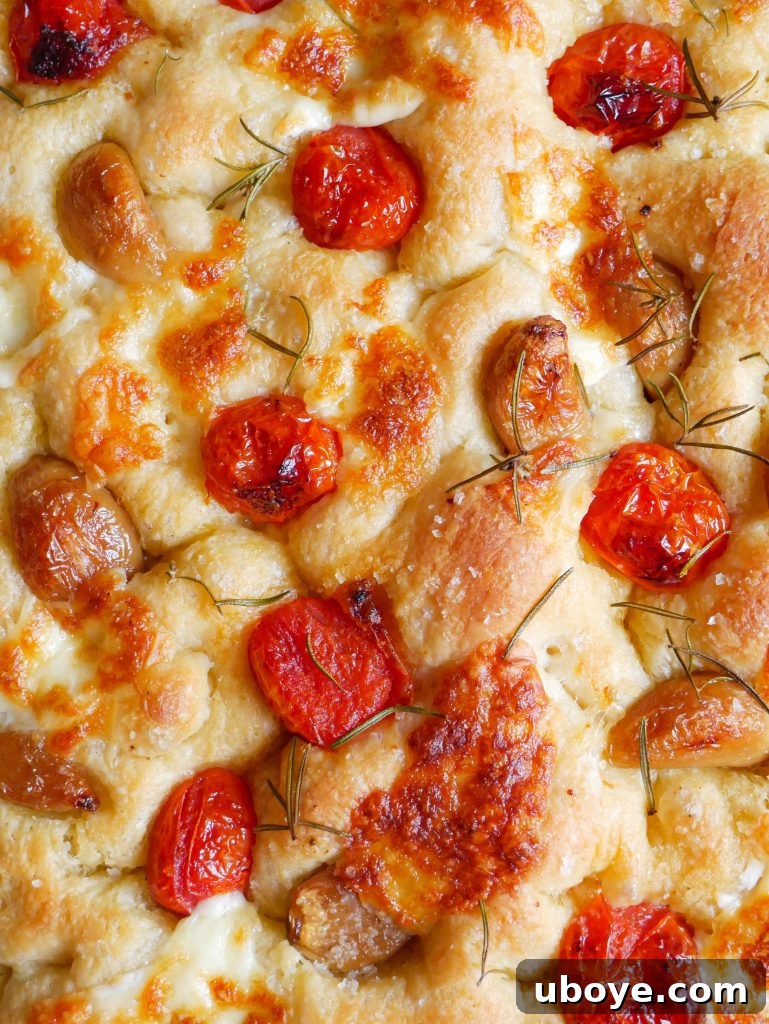
Frequently Asked Questions About Focaccia
Let’s address some common queries to help you master this delicious bread:
Can I leave my dough to rise for a shorter period of time?
While some quick-rise focaccia recipes exist, this particular recipe is formulated for a longer fermentation to develop its signature flavor and texture. For optimal results, adhere to the minimum rising times: at least 8 hours for the first rise in the fridge, and a minimum of 2 hours in a warm place for the second rise. I always strongly recommend allowing the dough to rise for as long as possible within the suggested window (up to 24-48 hours for the first rise) to achieve the most profound flavor and lightest crumb.
What size baking tin do you use for this focaccia?
For this recipe, I use a rectangular baking tin that measures 34cm x 23cm x 5cm (approximately 13.4 inches x 9 inches x 2 inches). It’s crucial that your baking dish is sufficiently large and deep enough to accommodate the dough as it rises, ensuring it has ample space to expand without overflowing, which helps create a thick, airy focaccia.
Can I use an active yeast instead of dry yeast?
Absolutely! The recipe specifies a non-active dry yeast, which requires initial activation with honey in warm water. If you are using instant yeast (also known as rapid-rise or fast-acting yeast), you can bypass this first activation step. Simply combine the instant yeast directly with your flour, water, and salt as outlined in the subsequent steps.
How long does the focaccia keep for, and how should I store it?
Like most freshly baked bread, focaccia is undeniably at its peak deliciousness on the day it’s made. To extend its freshness for as long as possible, I highly recommend freezing any leftover focaccia on the same day it’s baked. Wrap it tightly in plastic wrap and then in foil, and it will keep well for several weeks. If stored at room temperature, it will remain enjoyable for up to 3 days before gradually starting to go stale. But don’t despair if it does; stale focaccia can be repurposed into fantastic, golden-brown breadcrumbs or toasted for croutons, giving it a delicious second life!
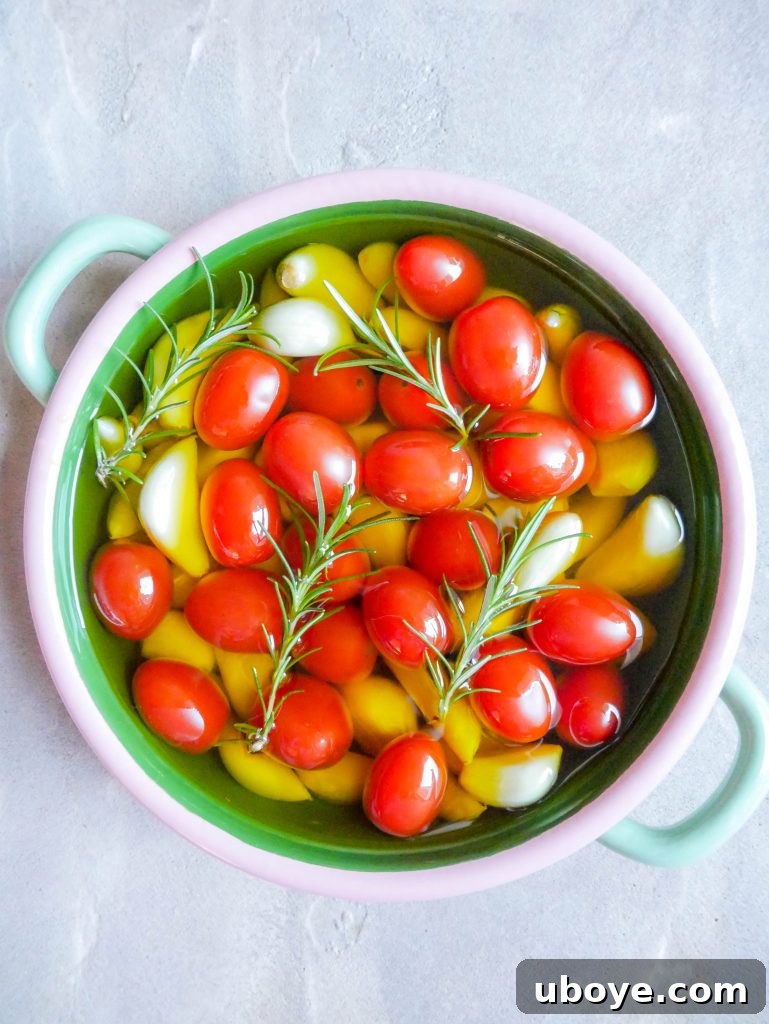
Confit: My Secret Ingredient Obsession
I’ve developed a reputation among friends and followers as “the garlic and olive oil girl,” and I wholeheartedly embrace it! My favorite method for cooking practically anything is confit, and among my most beloved ingredients to eat is garlic. It was inevitable, then, that I would combine these two passions. Confit elevates both garlic and tomatoes to new culinary heights, turning them into tender, richly flavored morsels that are unparalleled. You can delve deeper into the wonders of garlic confit here, and discover the magic of tomato confit here. These essential preparations are not just additions to the focaccia; they are the heart and soul of its exceptional flavor profile.
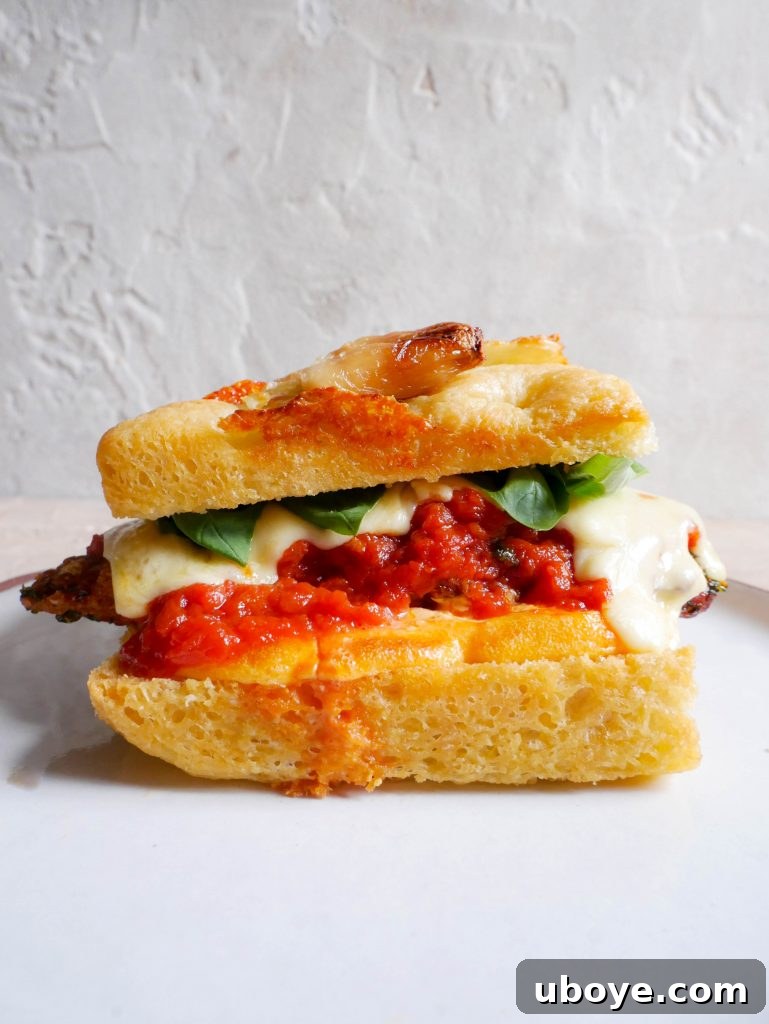
Serving Suggestions for Your Cheesy Focaccia
Once baked, your Cheesy Focaccia with Tomato & Garlic Confit is incredibly versatile and can be enjoyed in numerous ways. It’s truly magnificent served warm, straight from the oven, allowing the flavors to shine on their own. For an extra treat, serve slices alongside a small dish of the remaining confit olive oil, perhaps with a splash of good quality balsamic vinegar, perfect for dipping. This focaccia makes an excellent accompaniment to a variety of meals, from hearty Italian pasta dishes and roasted meats to light summer salads. It’s also the ideal bread for crafting incredible sandwiches; layer it with your favorite deli meats, cheeses, and fresh vegetables for a lunch that’s anything but ordinary. Leftovers (if there are any!) can be quickly reheated in a toaster oven for a delightful snack. However you choose to enjoy it, this focaccia is sure to be a crowd-pleaser and a memorable addition to any table.
If you create this incredible recipe, please share your culinary masterpieces by tagging me on Instagram, Tik Tok, or Pinterest. I absolutely love seeing your wonderful creations and how you bring my recipes to life!
Should you have any questions or wish to share your feedback, please don’t hesitate to leave a review or comment here. I always look forward to answering your food and recipe-related queries and hearing your thoughts on my culinary adventures.
Explore more of my focaccia variations, including my garlic confit focaccia, green and black olive focaccia, and the tantalizing spicy garlic confit butter recipe.
Cheesy Focaccia with Tomato & Garlic Confit Recipe
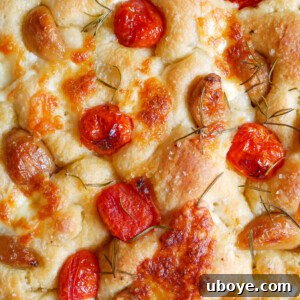
Cheesy Focaccia with Tomato & Garlic Confit
By Daen Lia
This cheesy no-knead focaccia with tomato and garlic confit is the perfect bread. It’s crispy and golden on the outside, soft and fluffy on the inside, and full of garlic-infused olive oil, truly liquid gold.
Prep Time: 1 day
Cook Time: 30 mins
Servings: 8
Ingredients
Tomato & Garlic Confit
- 250 g cherry tomatoes
- 3 heads garlic
- 3 cups olive oil
- 3 sprigs rosemary
Focaccia
- 2.5 cups lukewarm water (600ml – mix 2 cups cold water + 1/2 cup boiling hot water)
- 1 sachet dry yeast (7g)
- 2 tbsp honey or maple syrup
- 5 cups all-purpose white flour (740g)
- 2.5 tsp flakey sea salt
- 10 garlic confit cloves
- 10 confit tomatoes
- 125 g buffalo mozzarella
- 8 tbsp garlic and tomato confit olive oil (from your confit)
Instructions
Tomato & Garlic Confit
- Preheat the oven to 120 degrees Celsius.
- Peel the garlic by breaking the cloves away and placing them into a heatproof bowl. Submerge in boiling hot water for 5 minutes and drain. The skin will become loose and easy to peel away.
- Place the peeled garlic cloves, cherry tomatoes, and rosemary into an ovenproof dish and fully submerge in olive oil. It’s important the garlic and tomatoes are completely covered by the olive oil to prevent burning. Bake for 2 hours or until the garlic has browned in color and is tender.
- Allow the confit to cool completely. Store in an airtight container or jar, ensuring the garlic cloves and tomatoes are fully submerged in the olive oil. This can be kept in the fridge for up to several weeks.
Focaccia
- In a medium bowl, whisk together the lukewarm water, yeast, and honey. Let it sit for 5 minutes, or until the yeast has foamed and appears active.
- In a large mixing bowl, combine the flour and salt, whisking them together thoroughly. Pour the yeast mixture into the flour bowl and bring the dough together with your hands or a spatula until a shaggy, sticky dough forms.
- Coat a separate large mixing bowl generously with 4 tablespoons of the garlic confit olive oil. Transfer the dough to this bowl, turning it to ensure it’s fully coated in the olive oil. Cover the bowl tightly with plastic wrap and place it into the fridge. Allow the dough to rise for a minimum of 6 hours, but ideally for 24 hours. The dough should double in size and look visibly bubbly.
- Once risen, take the dough out of the fridge. Gently fold the dough over itself in quarters within the bowl. Gather up each edge of the dough with your hands and fold it towards the center while rotating the bowl. The dough will deflate slightly as you shape it into a neat ball.
- Coat a deep rectangular baking dish (my pan is 34cm x 23cm x 5cm) with 2 tablespoons of the garlic confit olive oil. Transfer the dough ball into the baking dish. Using your fingertips, gently stretch the dough out slightly into a rough rectangular shape. There’s no need to force it to the edges, as the dough will continue to rise and spread during the second proof. Cover the pan loosely with a clean tea towel and let the dough rise in a warm area of your house for 3 to 4 hours. Ensure the dough is covered to prevent it from drying out and forming a crusty layer.
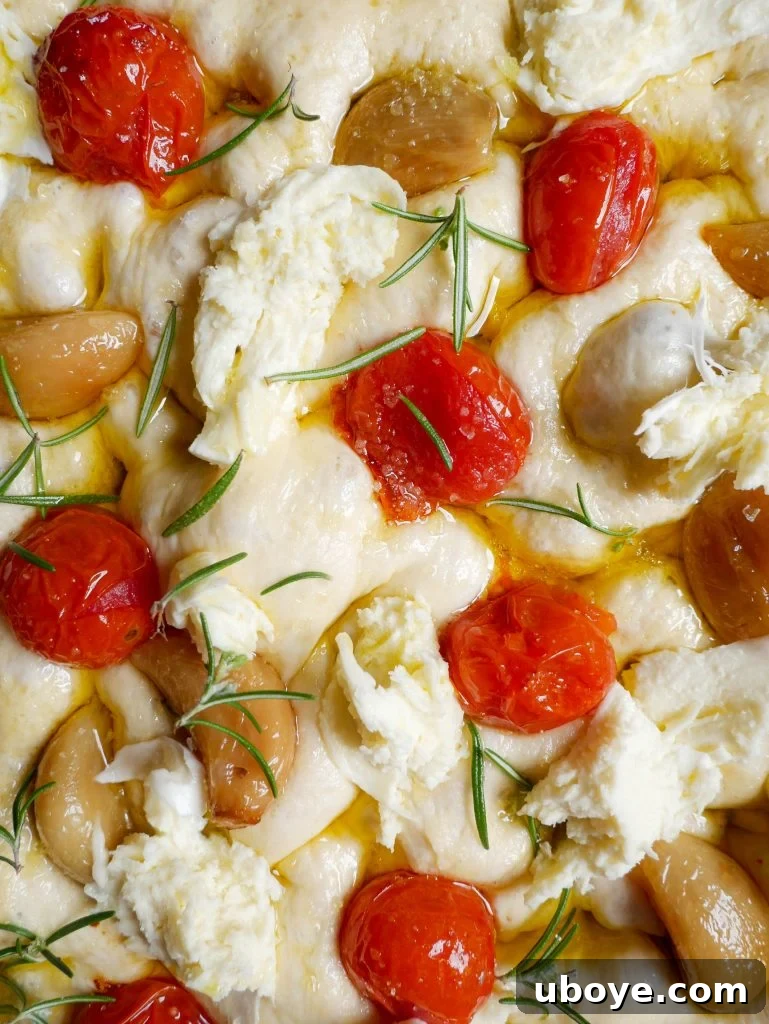
- Preheat your oven to 200 degrees Celsius (390 degrees Fahrenheit). Once the dough has completed its second rise, use your fingers to create deep indentations or “dimples” across the entire surface of the dough. Evenly scatter the reserved garlic confit cloves, confit cherry tomatoes, torn pieces of mozzarella, and fresh rosemary over the dough. Drizzle the entire surface with the remaining 2 tablespoons of garlic confit olive oil, which will contribute to a wonderfully golden and crispy crust. Finish with a generous sprinkling of flaky sea salt. Bake for 20 to 30 minutes, or until the focaccia has developed a rich, golden-brown crust on top and is cooked through.
- Allow the baked focaccia to cool slightly in the baking tray for a few minutes before carefully transferring it to a wire rack to cool completely.
- Slice the warm focaccia and enjoy it on its own, dipped into the flavorful confit olive oil, or with a splash of balsamic vinegar.
Video
 Like this? Leave a comment below!