
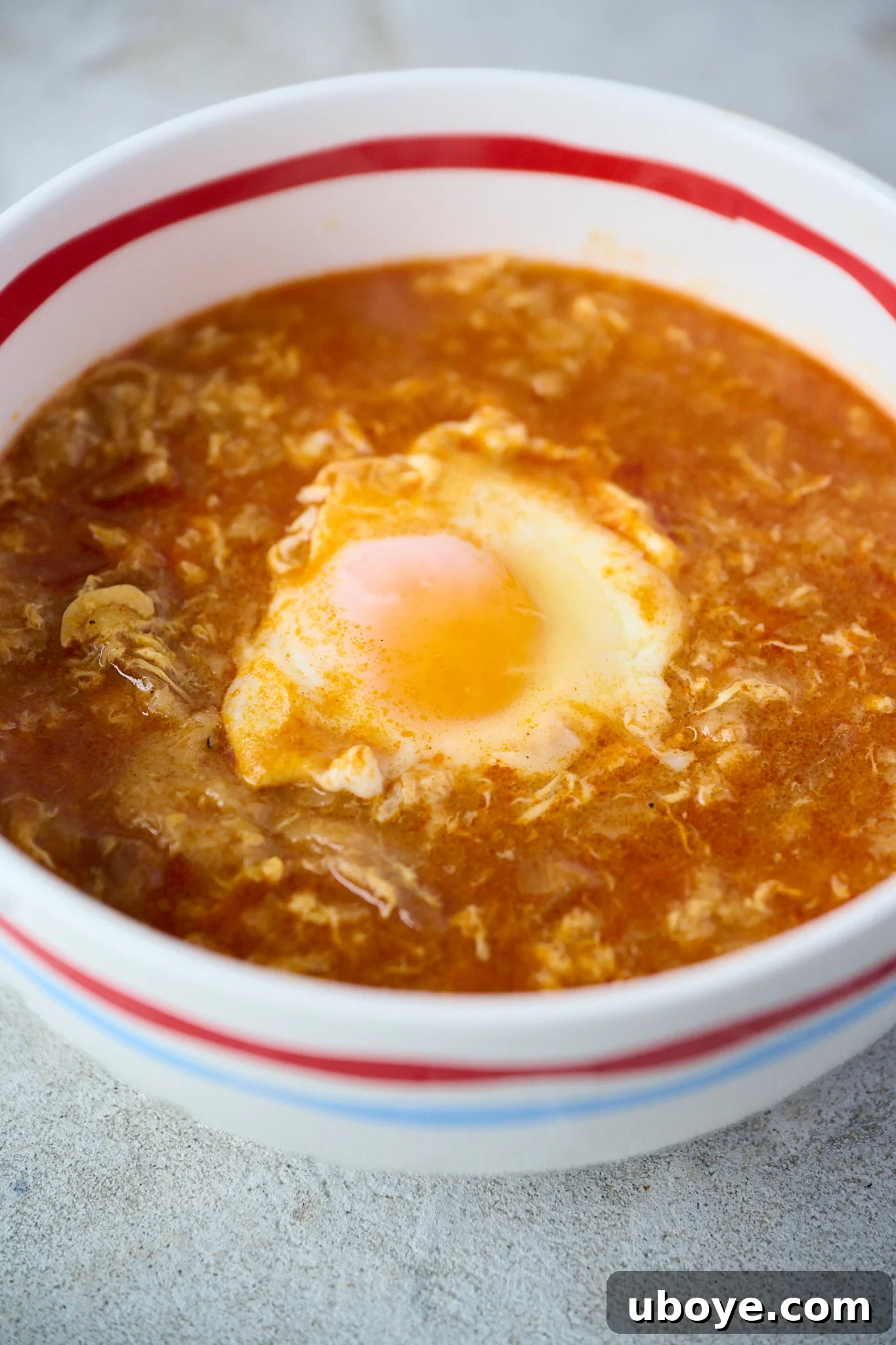
Growing up with a Spanish mother meant our kitchen was a vibrant hub of traditional aromas, and among them, Sopa de Ajo (or authentic Spanish Garlic Soup) holds a particularly cherished and nostalgic place in my heart. This rustic, soul-warming soup isn’t just a meal; it’s a journey back to childhood memories, a testament to the power of simple ingredients, and a foundational dish in countless Spanish households. Crafted from humble pantry essentials like abundant fresh garlic, rich extra virgin olive oil, crusty day-old bread, and farm-fresh eggs, this comforting soup is remarkably easy, quick, and incredibly economical to prepare. It truly embodies the essence of Spanish cooking: creating something extraordinary and deeply satisfying from very little.
Looking for more delightful and comforting soup recipes to warm your soul? You will undoubtedly fall in love with my creamy potato & leek soup and another beloved garlic soup creation, both designed to bring warmth and robust flavor to your table.
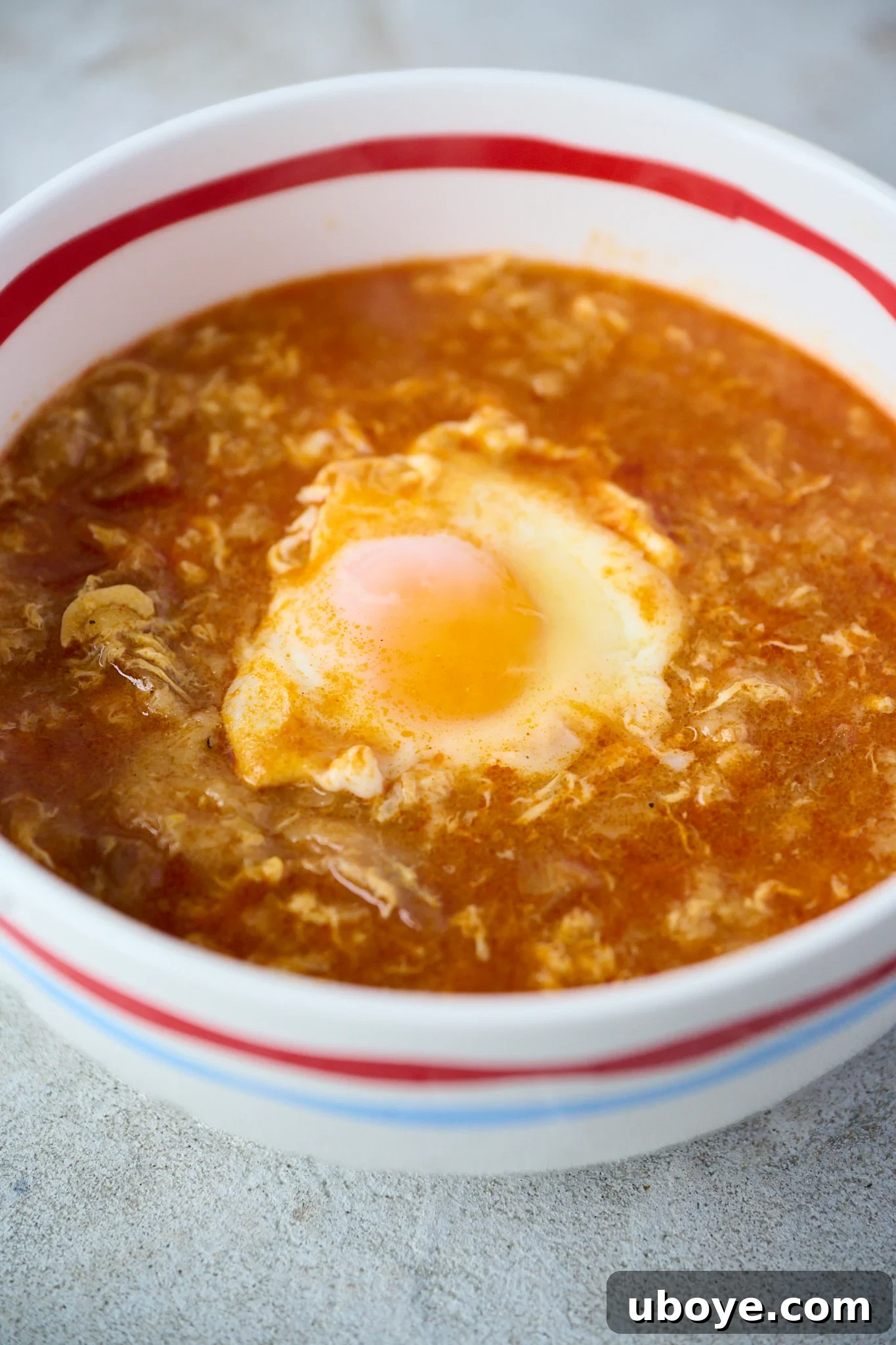
Why You’ll Adore This Authentic Sopa de Ajo!

As someone who proudly embraces the title of “the internet’s garlic girl,” it’s almost unbelievable that this quintessential Spanish garlic soup recipe hasn’t made its debut on my platform sooner! This isn’t just any garlic soup; it’s *the* Sopa de Ajo, a foundational dish from Spain that truly celebrates the aromatic bulb. We’re talking about two whole bulbs of garlic here, transforming into a mellow, rich, and utterly divine broth that’s both robust and incredibly soothing. The sheer quantity of garlic might seem daunting to some, but don’t fret; when cooked slowly in olive oil, its sharpness mellows into a sweet, earthy depth that forms the very soul of this soup.
What makes this Spanish garlic soup truly special, beyond its incredible flavor, is its inherent simplicity and resourcefulness. Most of the ingredients required are likely already residing in your pantry, making it an ideal last-minute meal solution for busy weeknights or when unexpected guests arrive. This recipe proves that you don’t need exotic components to create something extraordinary. But perhaps its most brilliant feature is how it cleverly utilizes day-old or stale bread – often an item destined for the bin – transforming it into a delightful, texturally satisfying component of the soup. This ‘no-waste’ philosophy is deeply embedded in traditional Spanish cuisine, reflecting a timeless approach to cooking that values every morsel and turns humble staples into culinary treasures.
This Sopa de Ajo recipe isn’t just quick and easy to prepare, coming together in under 15 minutes; it’s a true culinary hug in a bowl. It’s perfect for chilly evenings when you need a comforting pick-me-up, a light yet satisfying lunch, or a unique starter to a Spanish-themed dinner. Its humble origins and straightforward preparation belie a depth of flavor that feels both ancient and profoundly satisfying. Each spoonful offers a nostalgic embrace, a warmth that radiates from the inside out, making it a guaranteed favorite that you’ll want to revisit again and again.
Essential Ingredients for an Authentic Sopa de Ajo
One of the most appealing aspects of Sopa de Ajo is its reliance on readily available ingredients. You’ll likely find everything you need right in your kitchen, minimizing grocery trips and maximizing convenience. Each component plays a crucial role in building the soup’s distinctive Spanish character, and understanding their individual contributions will help you create the most flavorful result.
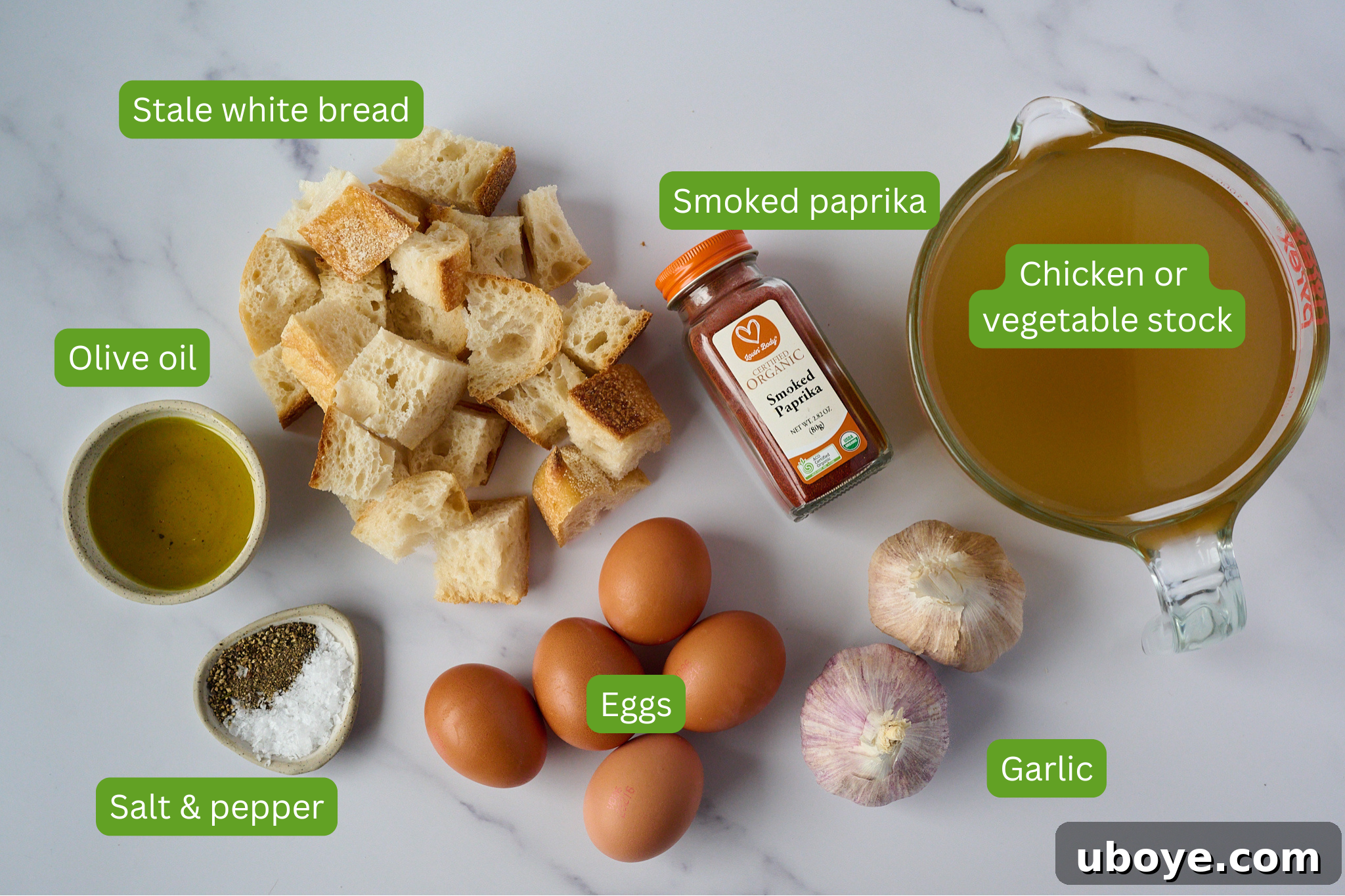
- Garlic: The Heart of the Soup: This isn’t a dish where garlic plays a supporting role; it’s the undeniable star! You’ll need a generous amount of fresh garlic cloves, typically the equivalent of two whole bulbs (around 15 cloves for four servings). The key is to slice them thinly. This ensures they soften beautifully and almost “melt” into the broth, infusing every spoonful with a sweet, pungent, and incredibly aromatic essence without being overpowering. Freshness is paramount here for the brightest, most vibrant garlic flavor.
- Extra Virgin Olive Oil: The Golden Foundation: As with much of Mediterranean cuisine, a good quality extra virgin olive oil is non-negotiable. It forms the essential flavor base, allowing the garlic and paprika to bloom and release their full potential. Choose an oil with a pleasant, fruity aroma and a slightly peppery finish – using a premium olive oil truly makes a significant difference in the overall richness and authenticity of the soup.
- Day-Old Bread: The Rustic Thickener: Forget fresh, fluffy bread! The magic of Sopa de Ajo lies in using day-old (or even two-day-old) rustic white bread. Traditionally, a hearty Spanish country loaf is preferred, but I find that a good quality sourdough or any crusty artisan bread works wonderfully. Stale bread has a firmer texture, allowing it to soak up the flavorful broth without disintegrating completely, providing a delightful chewiness and naturally thickening the soup as it simmers.
- Smoked Paprika (Pimentón): The Soul of Spain: This spice is the secret to Sopa de Ajo’s signature deep, smoky Spanish flavor and its gorgeous, inviting golden-red hue. Aim for a high-quality Spanish smoked paprika – either ‘dulce’ (sweet) for a milder, more rounded taste or ‘agridulce’ (bittersweet) for a bit more complexity and a subtle kick. Its aroma, once toasted lightly in olive oil, is intoxicating and truly transports you to the heart of Spain.
- Chicken or Vegetable Broth: The Liquid Gold: The broth forms the body of the soup, providing a savory foundation. While homemade chicken broth offers unparalleled depth and richness, a good quality store-bought version works perfectly for convenience. If you’re aiming for a vegetarian Sopa de Ajo, simply opt for a rich vegetable broth. Ensure your chosen broth is well-seasoned, as its flavor will significantly impact the final taste of the soup.
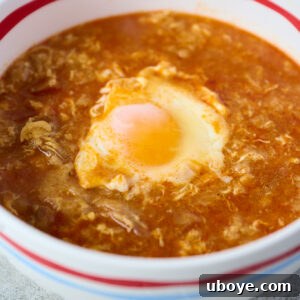
- Eggs: The Silken Finish and Protein Boost: Eggs serve a dual purpose in this recipe, adding both texture and a boost of protein. A couple of whisked eggs are drizzled into the simmering soup, creating beautiful, silken strands that gently thicken the broth and add a subtle richness. Additionally, one or two eggs are often cracked directly into the soup just before serving, poaching gently in the hot liquid, yielding a wonderfully runny yolk that enriches each individual bite and makes the soup even more satisfying.
- Salt and Pepper: Essential Seasoning: Simple sea salt and freshly ground black pepper are all that’s needed to enhance the natural flavors of this rustic soup. Remember to season to your preference, taking into account that your chosen broth may already contain some sodium. Taste and adjust as you go!
Crafting Your Sopa de Ajo: A Simple Step-by-Step Guide
One of the most appealing aspects of Sopa de Ajo is its straightforward preparation. This comforting soup comes together effortlessly in under 15 minutes, making it a perfect choice for a quick and satisfying meal any day of the week. Follow these simple steps for a truly authentic and delicious experience, complete with essential tips for success.
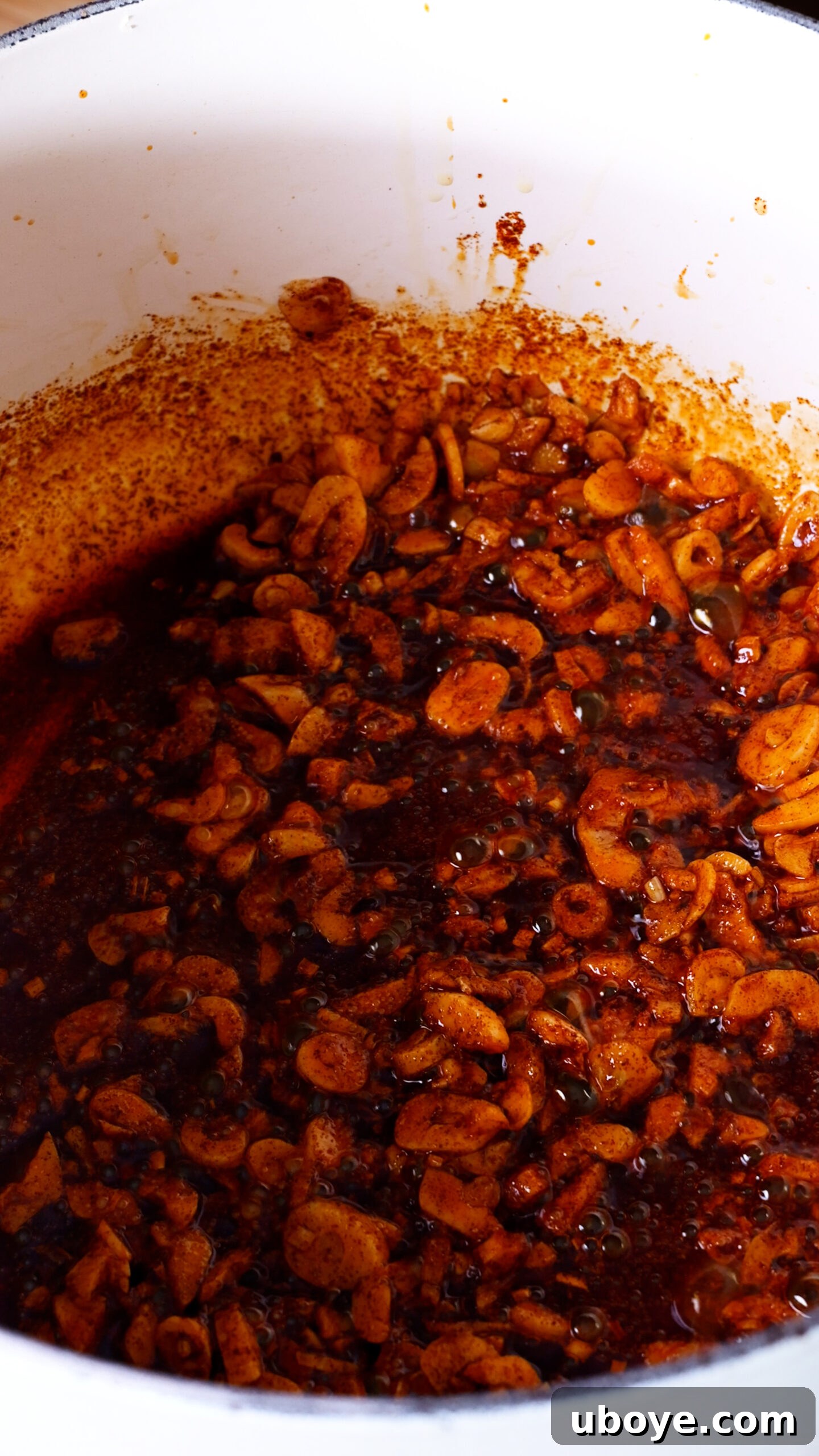
Step 1: Fry Your Aromatics. Begin by heating the generous amount of extra virgin olive oil in a large, heavy-bottomed pot or Dutch oven over medium-high heat. Once the oil shimmers slightly, indicating it’s hot enough, add the thinly sliced garlic. Fry the garlic for approximately 2 minutes, stirring frequently with a wooden spoon to ensure even cooking and to prevent it from burning. Garlic can turn bitter very quickly if overcooked, so watch it closely until it just starts to become fragrant and takes on a very light golden hue. Immediately after, add the smoked paprika and stir it through vigorously for another 1 to 2 minutes, or until it releases its full smoky aroma. This brief toasting period allows the paprika to “bloom” in the hot oil, intensifying its flavor and vibrant color. Again, be extremely careful not to burn the paprika, as this can also lead to an unpleasant bitter taste.
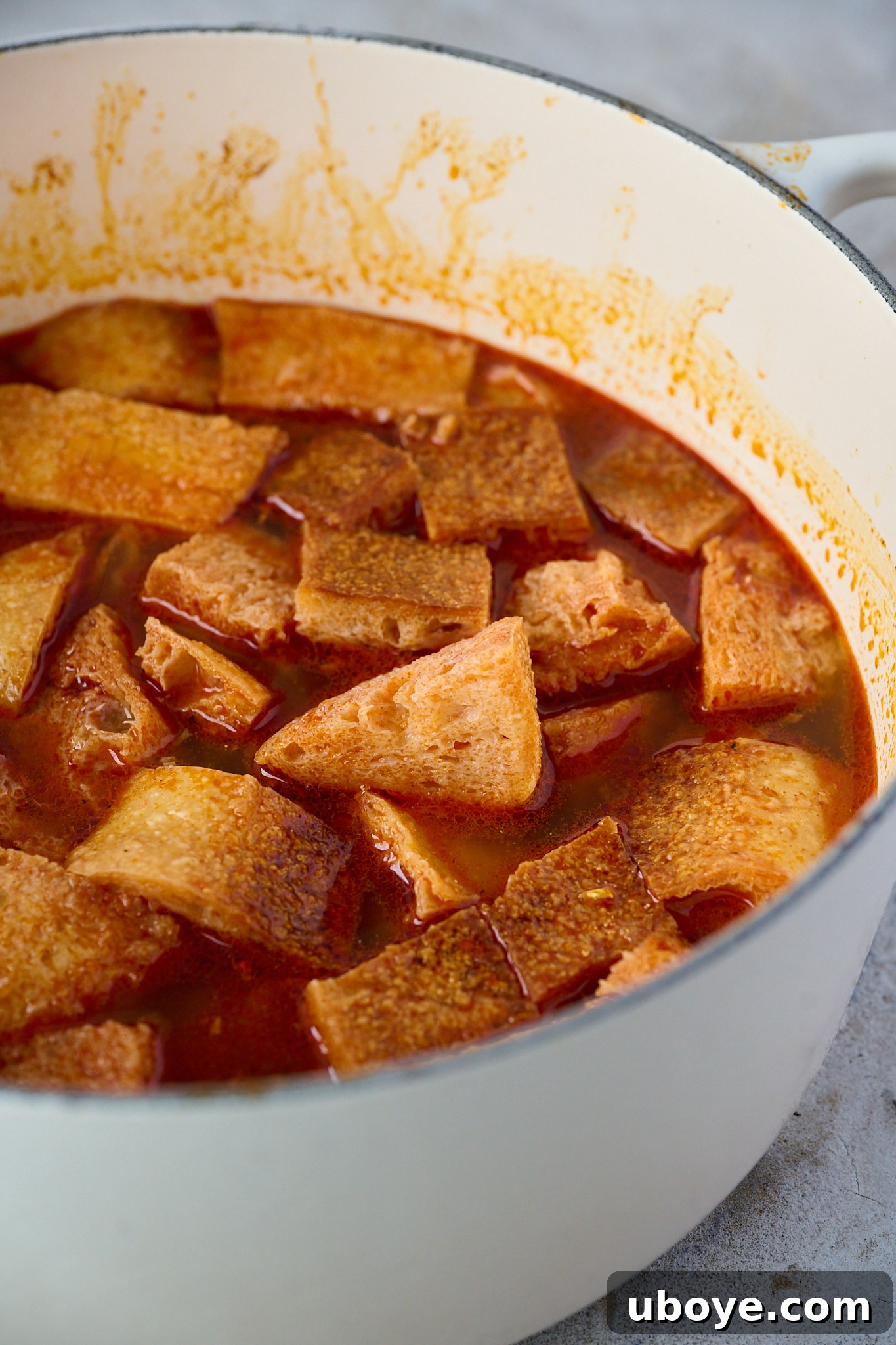
Step 2: Incorporate Bread and Broth. Next, add the torn or roughly cut-up day-old bread pieces to the pot. Stir them thoroughly with your spoon, ensuring every piece is well coated in the aromatic olive oil, garlic, and smoked paprika mixture. This initial coating step is crucial as it allows the bread to begin absorbing the foundational flavors before the liquid is added, preventing it from becoming soggy too quickly. Pour in the chicken or vegetable stock and season generously with salt and freshly ground black pepper to taste. Bring the entire mixture to a rolling boil over medium-high heat, then immediately reduce the heat to low. Allow the soup to gently simmer for 10 minutes. This simmering time is vital; it allows the bread to soften and absorb the flavorful broth, helps to slightly thicken the soup, and ensures all the wonderful flavors from the garlic and paprika meld beautifully together.
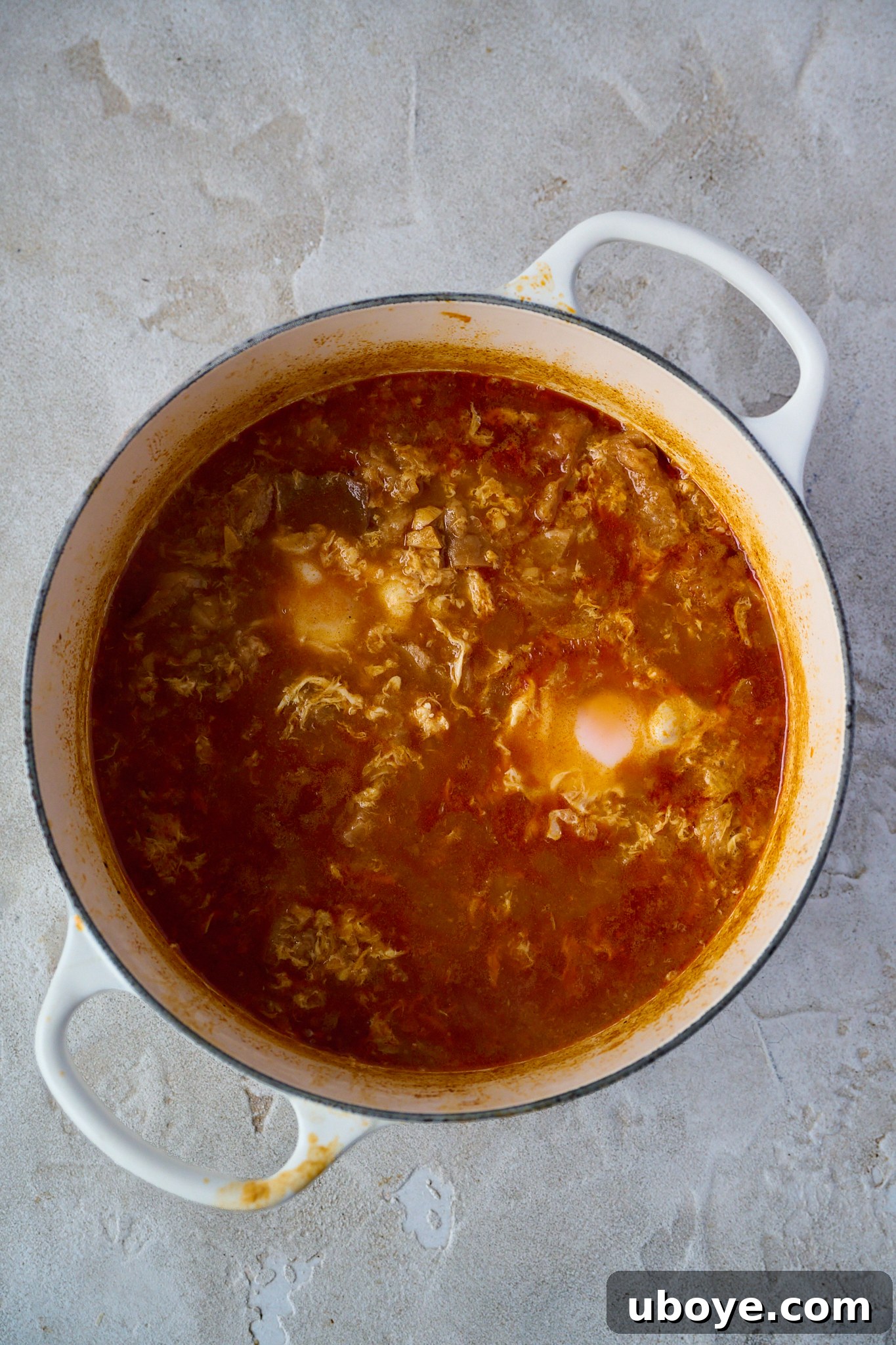
Step 3: Add the Eggs for Richness. While your soup continues to simmer gently, whisk two of your eggs vigorously in a small bowl until they are lightly frothy and well combined. Slowly and steadily drizzle the whisked eggs into the simmering soup in a thin stream. As you pour, continuously stir the soup with a wooden spoon or a whisk. This technique is designed to create delicate, silken strands of cooked egg throughout the broth, which adds a lovely texture and subtle richness to the soup. Next, carefully crack the remaining two eggs directly into the soup, spacing them apart if possible so they poach individually. Cover the pot with a lid and continue to simmer for an additional 5 minutes, or until the eggs are poached to your desired doneness, with yolks ranging from beautifully soft and runny to slightly firmer. This step brings both a visual appeal and a satisfying creaminess to the final dish.
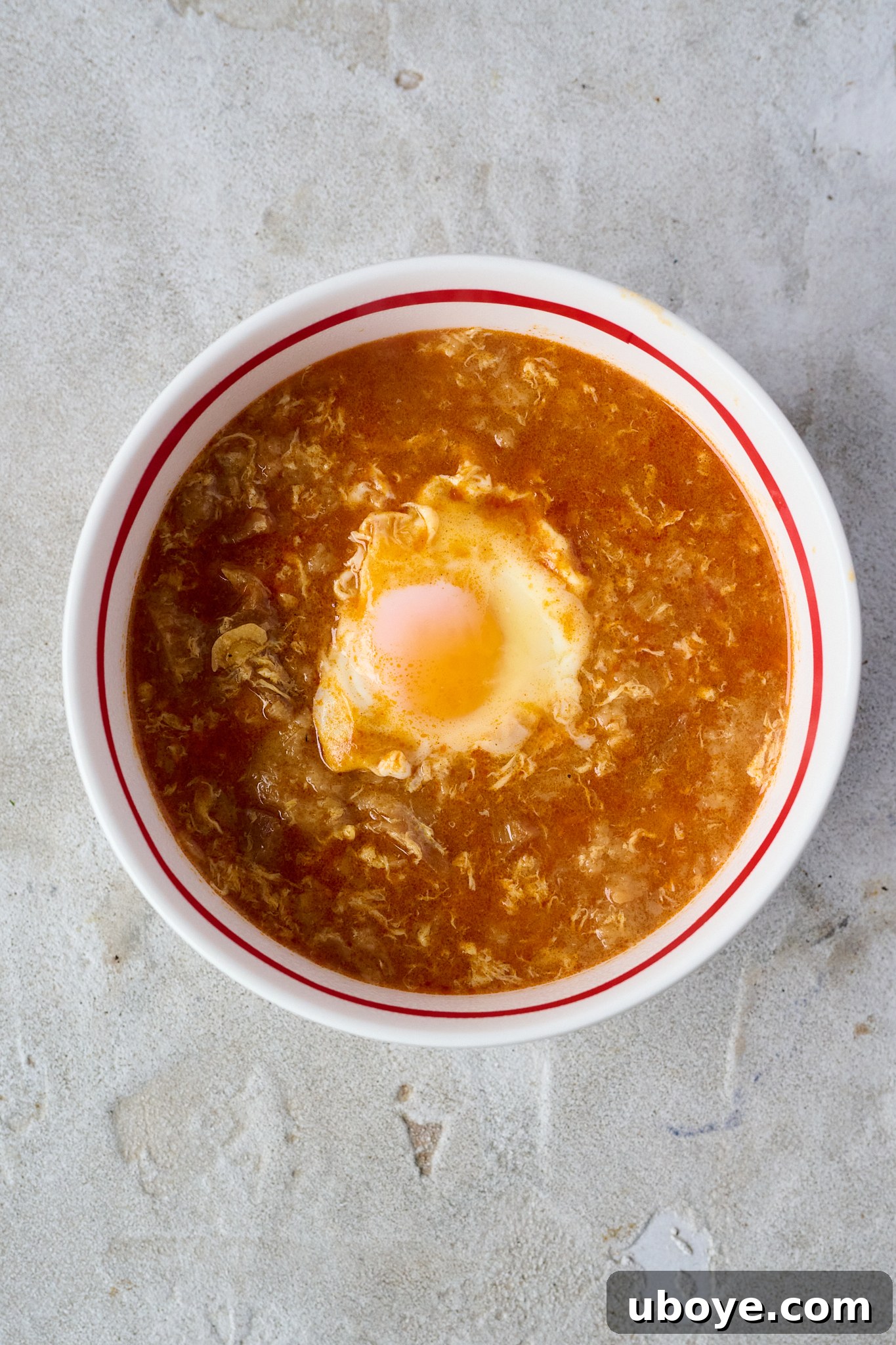
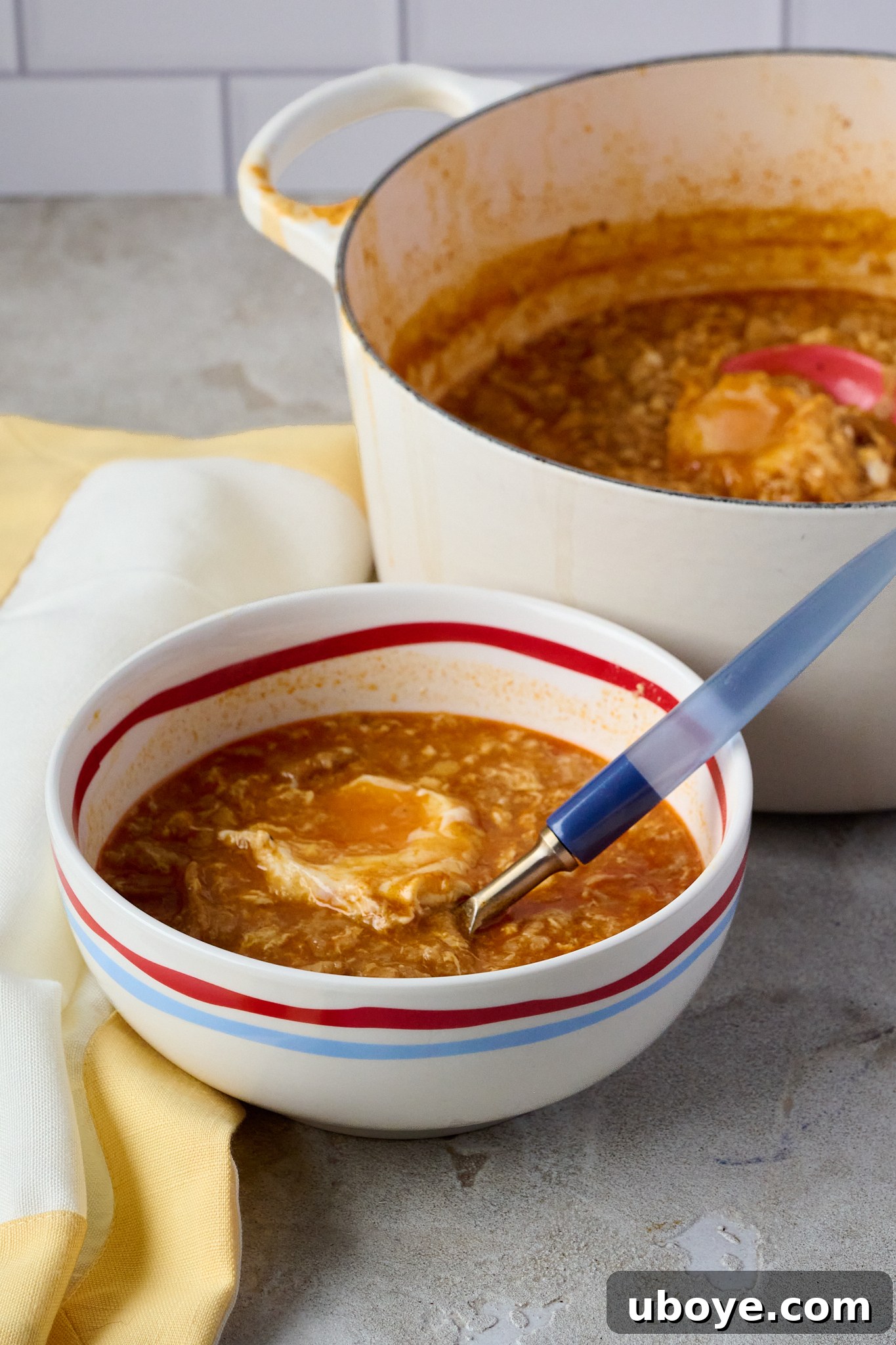
Step 4: Serve Immediately. Once the eggs are perfectly poached and the bread has absorbed the wonderful flavors, your Sopa de Ajo is ready to be savored! Ladle the hot soup carefully into individual bowls, making sure each serving gets a good mix of the garlicky broth, softened bread, and a perfectly poached egg. Serve it piping hot and fresh straight from the pot to experience its comforting warmth, ideal texture, and vibrant flavors at their best. A garnish of fresh, finely chopped parsley or a final drizzle of premium olive oil can add a wonderful finishing touch and a burst of freshness.
Frequently Asked Questions About Sopa de Ajo
For the best Sopa de Ajo, always opt for a rustic, crusty bread that is a day or two old – slightly stale works perfectly. A traditional Spanish-style loaf, sourdough, or a country bread with a good crumb are excellent choices. The slight staleness gives the bread a firmer texture, allowing it to maintain its structure while soaking up the rich, garlicky broth beautifully without becoming completely mushy. This creates a delightful chewiness that is integral to the soup’s appeal. Avoid very soft or fresh bread, as it tends to disintegrate too quickly into the broth.
Yes, Sopa de Ajo can absolutely be made vegetarian! The traditional recipe is inherently simple and, by nature, often vegetarian-friendly. The only non-vegetarian ingredient typically found in many recipes is chicken broth. To make it suitable for vegetarians, simply swap the chicken broth for a good quality vegetable broth. This substitution will maintain all the delicious flavors and comforting qualities of the soup without compromising on taste or texture, making it a versatile dish suitable for various dietary preferences.
Absolutely! Sopa de Ajo is a wonderfully versatile soup that welcomes additions, allowing you to personalize it to your taste. Some traditional variations in Spain include incorporating small pieces of crispy jamón (Spanish cured ham) or sliced chorizo. These additions impart an extra layer of savory, smoky depth that complements the garlic and paprika beautifully. For a touch of green and added nutrients, you can also stir in a handful of fresh spinach or kale during the last few minutes of simmering. Feel free to experiment with other vegetables like thinly sliced mushrooms or roasted red bell peppers for your unique twist, always remembering to maintain the core garlic and paprika flavors.
Sopa de Ajo, also known as Castilian Garlic Soup, boasts humble origins rooted deeply in the culinary traditions of Castile, a historical region in Spain. It’s a classic example of “comida de aprovechamiento,” or food made from leftovers, primarily developed by peasants and shepherds. The soup’s ingenious use of stale bread, garlic, and water (which later evolved to broth) made it a cheap, filling, and highly nutritious meal that provided essential energy for hard workers. Over centuries, it has evolved from a necessity to a beloved national dish, celebrated for its simplicity, profound flavor, and its embodiment of Spanish resourcefulness and cultural resilience. It’s often enjoyed during colder months or even as a breakfast item in some regions.
While Sopa de Ajo is truly at its best when enjoyed immediately after preparation, particularly with its silky, perfectly poached eggs and ideally textured bread, you can prepare the base broth ahead of time. Cook the garlic, paprika, and stale bread with the broth, then store this mixture in an airtight container in the refrigerator for up to 2 days. When you’re ready to serve, gently reheat the base on the stovetop, bring it to a simmer, and then proceed with adding and poaching the eggs as instructed. This method ensures you still get the freshest possible texture for the eggs and bread, which are crucial to the soup’s appeal. The bread will soften more over time, but the overall flavor will still be fantastic.
Enhance Your Sopa de Ajo Experience: Serving Suggestions
Sopa de Ajo, while deceptively simple, can be elevated with thoughtful serving choices that highlight its rustic charm and robust flavors. Here are some suggestions to make your Spanish garlic soup truly shine and create a memorable meal:
- Serve Hot and Fresh: This soup is undeniably at its peak when served piping hot, straight from the pot. The bread will have softened perfectly, absorbing the broth while still holding a pleasing texture, and the eggs will have that luscious, runny yolk that enriches every spoonful. Don’t delay serving after preparation for the optimal experience, as the bread can become too soft if left standing.
- A Drizzle of Gold and a Sprinkle of Green: Before serving, a final drizzle of high-quality extra virgin olive oil over each bowl not only enhances the flavor profile but also adds a beautiful sheen and a touch of richness. A sprinkle of freshly chopped parsley provides a vibrant pop of color and a fresh, herbaceous counterpoint to the rich, savory broth, balancing the intense garlic flavor.
- Traditional Spanish Touches: For a richer and more traditionally inspired touch, consider garnishing your Sopa de Ajo with a few thin slices of pan-fried jamón serrano or crispy, sautéed chorizo. The salty, smoky notes of these Spanish cured meats perfectly complement the garlicky broth, adding an authentic depth of flavor and a delightful textural contrast.
- Perfect for Dipping: To fully enjoy every last drop of the flavorful broth, pair your Sopa de Ajo with an extra side of crusty artisan bread, or even better, a slice of my homemade focaccia. The porous texture of these breads is ideal for soaking up the golden, garlicky liquid, ensuring no flavor goes to waste and adding another layer of satisfaction.
- A Simple Accompaniment: To complete the meal and provide a refreshing contrast to the hearty soup, a light, crisp green salad dressed with a simple vinaigrette can be a wonderful addition. It offers brightness and a palate cleanser between spoonfuls of the rich soup.
- Wine Pairing: For adult diners, a crisp, dry Spanish white wine like Albariño or Verdejo can beautifully cut through the richness of the soup and complement its savory notes. Alternatively, a light-bodied Spanish red such as a young Tempranillo or Garnacha can also pair well with its rustic, earthy flavors.
Storing and Reheating Sopa de Ajo for Best Enjoyment
While Sopa de Ajo is a dish that truly shines when consumed immediately, sometimes leftovers are inevitable. Here’s how to best store and reheat your Spanish garlic soup to maintain as much of its original quality as possible:
- Best Served Fresh: It’s worth reiterating that Sopa de Ajo is designed to be eaten as soon as it’s made. At this point, the bread will have softened perfectly, absorbing the broth while still holding a pleasing texture, and the eggs will be wonderfully silky with a runny or semi-firm yolk. These elements are truly at their prime right off the stove, offering the most authentic and satisfying experience.
- If You Must Store It: If you find yourself with leftovers, transfer the cooled soup to an airtight container and store it promptly in the refrigerator for up to 2 days. Be aware that the bread will continue to soften and absorb more liquid, potentially altering its texture further and making the soup thicker. The flavors, however, will often deepen.
- Reheat Gently: To reheat, transfer the desired portion of soup to a pot on the stove and warm it over low heat. Stir occasionally to ensure even heating and prevent any sticking to the bottom of the pot. You may notice the soup has thickened considerably in the fridge; if so, add a splash of chicken or vegetable broth (or even a little water) to loosen the texture back to your desired consistency. Avoid aggressive boiling, which can overcook the remaining egg and make the bread mushy.
- Avoid Freezing: Unfortunately, Sopa de Ajo does not freeze well, and it’s generally not recommended. The bread, once thawed, tends to become mushy and lose its appealing texture, while the poached eggs can become rubbery, watery, and unappetizing. For these reasons, it’s best to enjoy this soup fresh or consume any leftovers within a couple of days from the refrigerator to preserve its intended quality.
More Delicious Soup Recipes to Love!
Soups
Cauliflower Soup
Soups
Garlic Soup
Soups
Potato and Leek Soup
Soups
Pumpkin Soup with Garlic Bread
If you recreate this heartwarming Sopa de Ajo (Spanish Garlic Soup), I would absolutely love to see your culinary masterpieces! Please remember to tag me on Instagram, TikTok, or Pinterest so I can share in your wonderful creations and celebrate your cooking success!
Should you have any questions about the recipe or wish to share your feedback and leave a review, please feel free to do so in the comments section below! I always enjoy connecting with you, answering your food and recipe-related queries, and hearing your thoughts on my dishes.
Pin Recipe
Print Recipe
Sopa de Ajo (Spanish Garlic Soup)
Daen Lia
Made with simple pantry staples like garlic, olive oil, eggs and day-old bread, Sopa de Ajo (Spanish garlic soup), is extremely easy and cheap to make!
5 mins
15 mins
4
Ingredients
- 1/4 cup extra virgin olive oil
- 15 garlic cloves, finely sliced (approx. 2 whole bulbs)
- 1 tbsp smoked paprika (pimentón)
- 4 oz stale white bread, torn or cut into small pieces (4 – 5 large slices of rustic bread or sourdough)
- 6 cups vegetable or chicken stock
- 4 eggs
- Salt and freshly ground black pepper, to taste
Instructions
- Fry Aromatics: In a large pot over medium-high heat, warm the olive oil. Add the thinly sliced garlic and fry for 2 minutes, stirring frequently to prevent burning, until fragrant and lightly golden. Stir in the smoked paprika for another 1-2 minutes until fragrant, being careful not to burn it.
- Add Bread & Stock: Add the torn stale bread to the pot and stir until it’s well coated in the oil and spices. Pour in the chicken or vegetable stock and season with salt and pepper. Bring to a boil, then reduce the heat to low and let it simmer gently for 10 minutes.
- Incorporate Eggs: While the soup simmers, whisk two of the eggs in a small bowl. Slowly drizzle the whisked eggs into the soup in a steady stream, stirring continuously with a wooden spoon to create delicate strands. Carefully crack the remaining two eggs directly into the soup. Cover the pot with a lid and continue to simmer for 5 minutes, or until the eggs are poached to your liking.
- Serve: Ladle the hot soup into bowls immediately. Garnish with fresh parsley and an extra drizzle of olive oil if desired, and serve straight away to enjoy its optimal texture and flavor.
Video
Notes
Bread: It is essential to use day-old or stale white bread for this recipe. A rustic white loaf or sourdough provides the best texture and absorption.
Eggs: Feel free to adjust the number of eggs to poach based on the number of servings or your personal preference.
Paprika: The quality of your smoked paprika truly impacts the authentic Spanish flavor. Seek out the best quality pimentón you can find, whether it’s sweet (dulce) or bittersweet (agridulce).
Nutrition
Carbohydrates: 19g
Protein: 9g
Fat: 19g
Saturated Fat: 4g
Polyunsaturated Fat: 3g
Monounsaturated Fat: 12g
Trans Fat: 0.03g
Cholesterol: 164mg
Sodium: 201mg
Potassium: 179mg
Fiber: 1g
Sugar: 2g
Vitamin A: 1101IU
Vitamin C: 4mg
Calcium: 109mg
Iron: 2mg
Nutrition information is automatically calculated and should only be used as an approximation.
 Like this recipe? Leave a comment below!