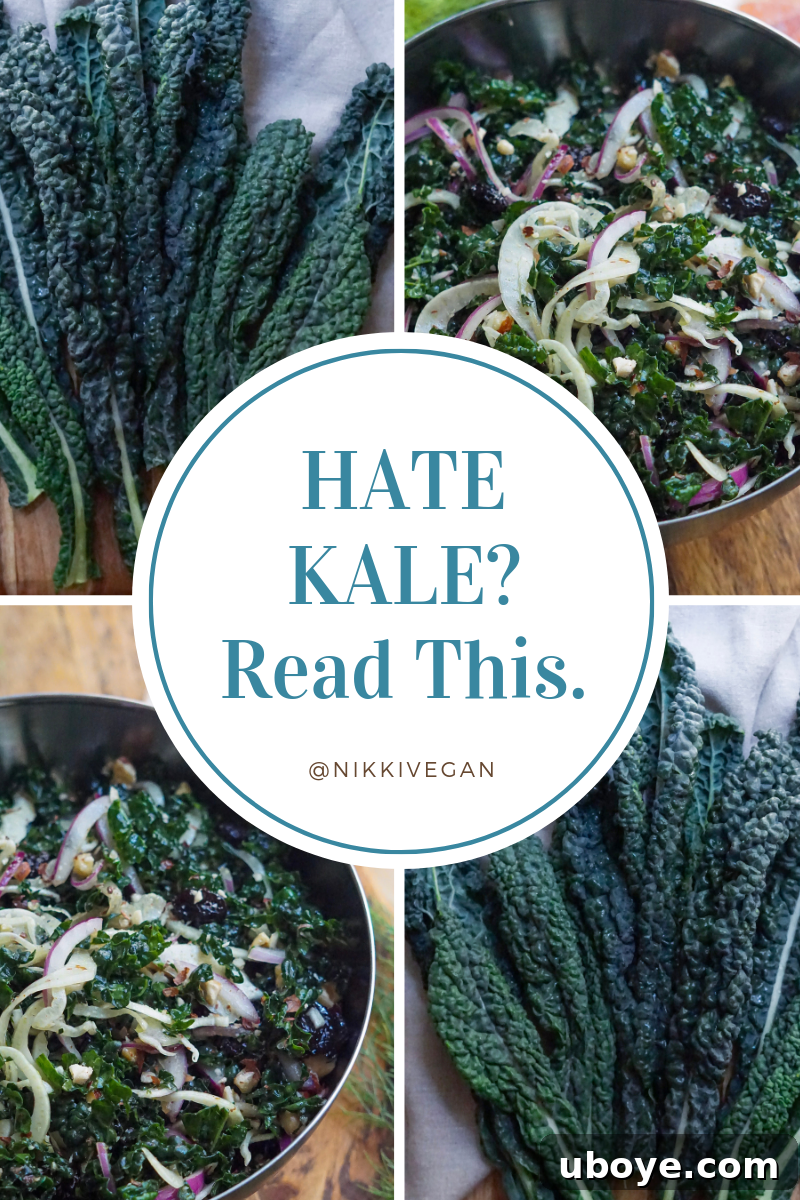
Mastering Kale: From Tough Leaves to Delicious, Digestible Delight
Kale. For many, this robust, deep green superfood has a reputation that precedes it – often associated with a somewhat bitter taste and a remarkably fibrous texture. To be entirely honest, for a long time, I found myself in that camp, struggling not only with the act of eating kale but also with its digestion. Despite its formidable nutritional profile – brimming with essential vitamins like K, A, and C, and vital minerals such as calcium, iron, and potassium – its inherent toughness can make it a laborious chew and, unfortunately, quite upsetting for sensitive stomachs. It’s a health powerhouse, no doubt, but one that often comes with a culinary challenge.
But fear not! I’ve embarked on a journey of discovery that has completely revolutionized my relationship with this incredible leafy green. I’ve uncovered a series of simple, yet transformative methods for preparing kale that not only render it incredibly delicious but also soften its notoriously tough leaves. The result? Kale that is easy to eat, wonderfully palatable, and remarkably gentle on the digestive system, allowing you to fully enjoy all its health benefits without any discomfort. Gone are the days of dreading kale; now, it’s a welcomed and eagerly anticipated part of my diet.
Unlocking Kale’s Potential: Essential Techniques for Tender & Flavorful Results
Transforming kale from a culinary chore into a genuine pleasure is achievable with just a few key techniques. These aren’t just tips; they’re game-changers that will forever alter your perception of this verdant superfood. Here’s what you absolutely need to know to make your kale dishes shine:
-
The Magic Touch: Why Massaging Kale is Non-Negotiable
This might sound like an absurd suggestion, perhaps even a whimsical culinary ritual, but massaging kale is the single most important step for making it tender, palatable, and easier to digest. Raw kale’s robust structure comes from its tough cell walls, predominantly made of cellulose. A gentle, yet firm, massage physically breaks down these fibers, essentially “pre-digesting” the kale and softening its texture without any cooking.
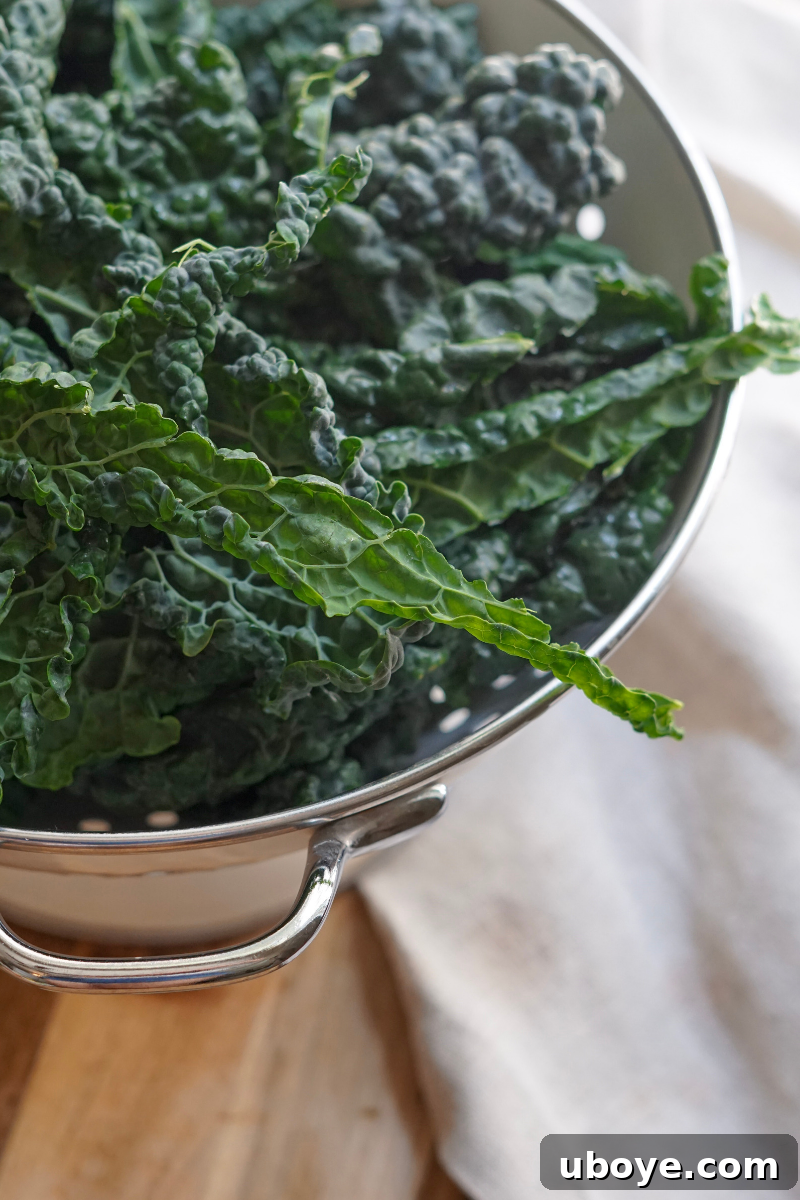
How to do it effectively: First, thoroughly wash and dry your kale, then tear the leaves into bite-sized pieces. Drizzle a small amount of a healthy fat, like extra virgin olive oil, and a crucial splash of acid – fresh lemon juice, apple cider vinegar, or even balsamic vinegar work wonderfully – over the leaves. Now, with clean hands, firmly yet gently rub, squeeze, and scrunch the leaves between your fingers. You’ll notice an almost immediate transformation: the leaves will soften, darken in color, and become visibly more pliable. Continue this massaging process for at least one to two minutes. This crucial step not only tenderizes the kale but also mellows its sometimes-bitter flavor, making it a true delight to eat. Never skip this fundamental step when preparing raw kale.
-
Navigating the Stems: To Keep or Not to Keep (Raw)
While the leafy greens of kale become beautifully tender with a good massage, the central stem and thick ribs are a different story. These parts are significantly tougher, more fibrous, and notably harder to chew and digest when raw. For optimal taste and texture in a salad, or if you have any gut sensitivities, my strong recommendation is to remove the woody stem and the main rib that runs all the way up the leaf before chopping the greens. This simple act will dramatically improve the eating experience of your next kale salad.
Preventing Food Waste: Removing the stems doesn’t mean they have to go to waste! Kale stems are actually packed with nutrients and can be quite delicious when cooked properly. Many resourceful home cooks finely chop and sauté the stems until tender, then incorporate them into a variety of dishes. They’re excellent additions to vegetable soups, hearty stews, stir-fries, omelets, frittatas, or even blended into green smoothies for an extra nutritional boost. This way, you get to enjoy all the goodness of kale while minimizing food waste, embracing a more sustainable kitchen practice.
-
Crafting the Perfect Dressing: The Quintuple Threat (Acid, Fat, Salt, Sweet, Crunchy)
A truly exceptional kale salad hinges on more than just tender leaves; it demands a perfectly balanced dressing that elevates and harmonizes with kale’s unique character. The secret to achieving this culinary alchemy lies in combining five essential elements that create a symphony of flavors and textures in every bite:
- Acid: The Flavor Brightener & Tenderizer
Acid is the lifeblood of a vibrant dressing. It cuts through any potential bitterness in the kale, brightens all the flavors, and further aids in tenderizing the leaves after massaging. Freshly squeezed lemon juice is a perennial favorite, offering a clean, zesty punch. Other excellent choices include apple cider vinegar, red wine vinegar, or even a nuanced balsamic vinegar for a richer profile. Don’t be shy with the acid; it’s what makes the dressing truly sing. - Fat: The Richness Provider & Nutrient Carrier
Healthy fats are crucial for delivering a luxurious mouthfeel and for helping your body absorb the fat-soluble vitamins (A, E, K) that kale is so rich in. Extra virgin olive oil is a timeless choice, imparting a fruity, sometimes peppery, depth. For a creamier dressing, consider using creamy tahini, a ripe avocado, or a nut butter like almond or cashew. These fats bind the ingredients together, creating a smooth texture that beautifully coats the massaged kale. - Salt: The Universal Flavor Enhancer
No dressing is complete without salt. It’s the ultimate flavor enhancer, awakening and intensifying all the other ingredients. A sprinkle of chunky sea salt or flaky kosher salt not only seasons the dressing but can also add a subtle textural pop. Always season gradually and taste as you go, until the flavors of the dressing truly come alive. - Sweet: The Balancing Act & Intrigue Adder
A touch of sweetness is often the secret ingredient that transforms a good kale dressing into an unforgettable one. It masterfully balances the acidity, mellows any lingering bitterness from the kale, and adds an intriguing layer of complexity. A drizzle of pure maple syrup, agave nectar, or a teaspoon of honey works wonders. Beyond the dressing, incorporating sweet elements directly into your salad, such as dried cranberries, chopped apples, segments of citrus, or roasted sweet potatoes, provides delightful bursts of contrasting flavor and texture, making each forkful more exciting. - Crunchy: The Textural Contrast
Texture is paramount to an enjoyable salad experience. Adding a crunchy element provides a satisfying contrast to the tender kale and creamy dressing, elevating the dish from merely healthy to truly sensational. Consider toasted nuts (almonds, walnuts, pecans, pine nuts), various seeds (sunflower, pumpkin, sesame), homemade garlicky croutons, or even crisp, finely diced vegetables like carrots, bell peppers, or radishes. This interplay of soft and firm, creamy and crisp, ensures every bite is a delightful adventure.
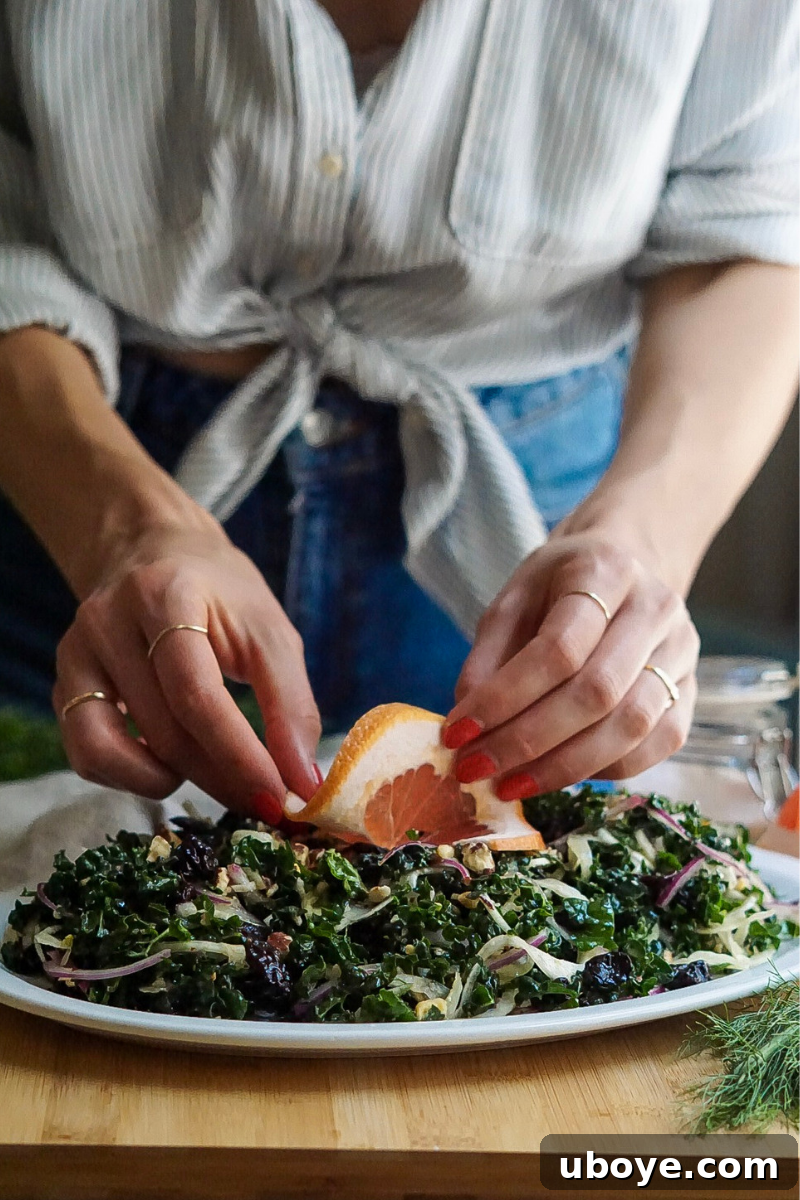
For me, a blend of fresh, tart lemon juice with creamy tahini and a good sprinkle of chunky sea salt forms the bedrock of an ideal kale salad dressing. This robust base is then beautifully complemented by something sweet, like dried cranberries, and a satisfying crunch, ensuring a perfectly balanced and incredibly enjoyable eating experience.
- Acid: The Flavor Brightener & Tenderizer
Beyond the Basics: Making Kale a Staple in Your Healthy Diet
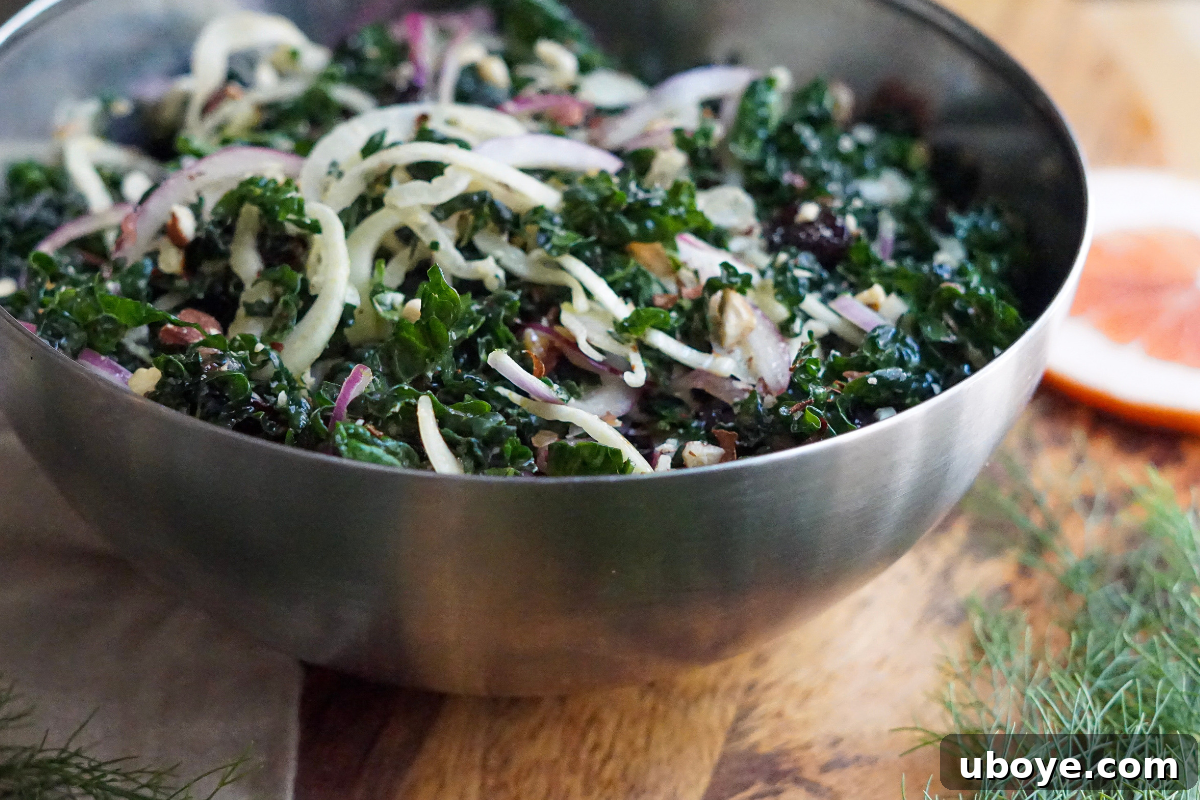
With these transformative techniques under your belt, you’re ready to dive into making kale a delicious and regular part of your meals. To truly experience the magic, I wholeheartedly recommend trying My Favorite Kale Salad recipe. It’s more than just a recipe; it’s a testament to how simple yet profound these preparation methods are. In fact, it’s become such a reliable and cherished meal in my kitchen that I often refer to it as “My Staple Kale Salad” because I enjoy it so regularly.
The Power of Meal Prep: Kale as a Convenient Side Dish
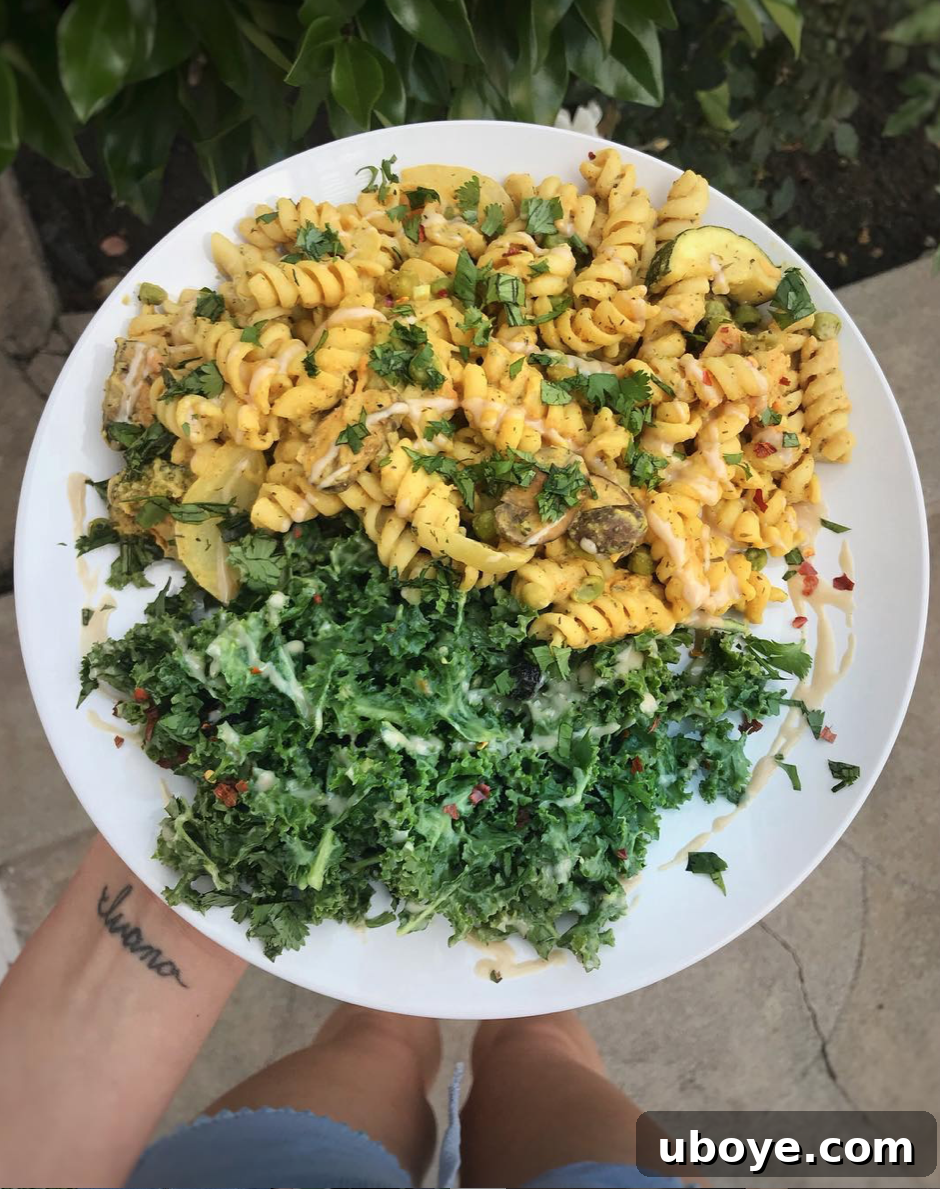
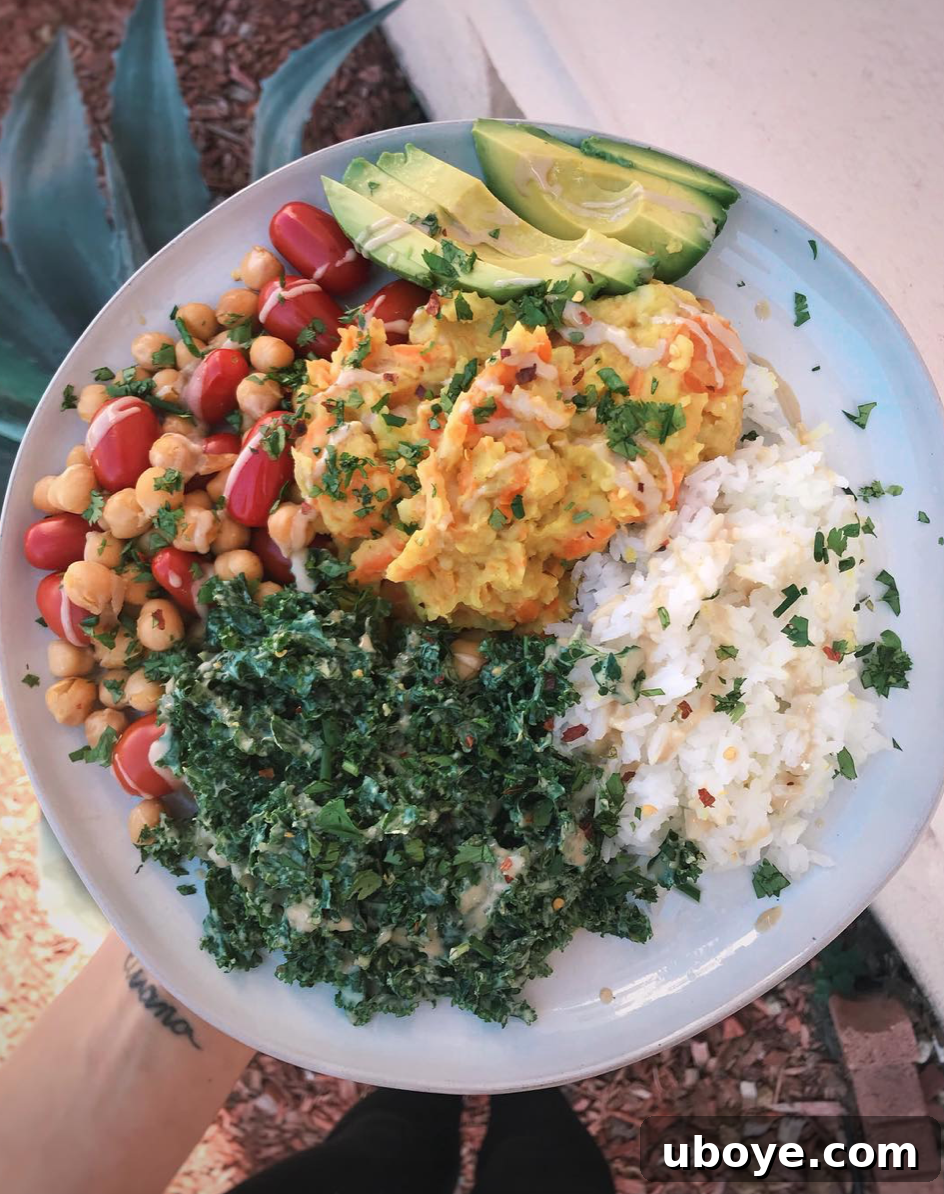
- While consuming a massive bowl of kale as a main course might still be a bit much for my stomach in one sitting, having a batch of this prepared salad waiting in the fridge is absolutely invaluable. It transforms the challenging task of preparing a healthy meal into a quick, convenient, and incredibly nutritious side dish that pairs wonderfully with almost any weeknight dinner. This strategic approach makes incorporating this powerful superfood into my diet effortless and enjoyable. I genuinely look forward to having this vibrant salad with my dinner multiple nights a week. Consider this another invaluable tip: integrating kale as a versatile, ready-to-eat side rather than always demanding it as the main event can significantly increase your consistent consumption of this incredibly healthy green. It’s an easy way to ensure consistent nutrient intake without feeling overwhelmed or spending extra time during busy evenings.
Exploring the Wonderful World of Kale Varieties
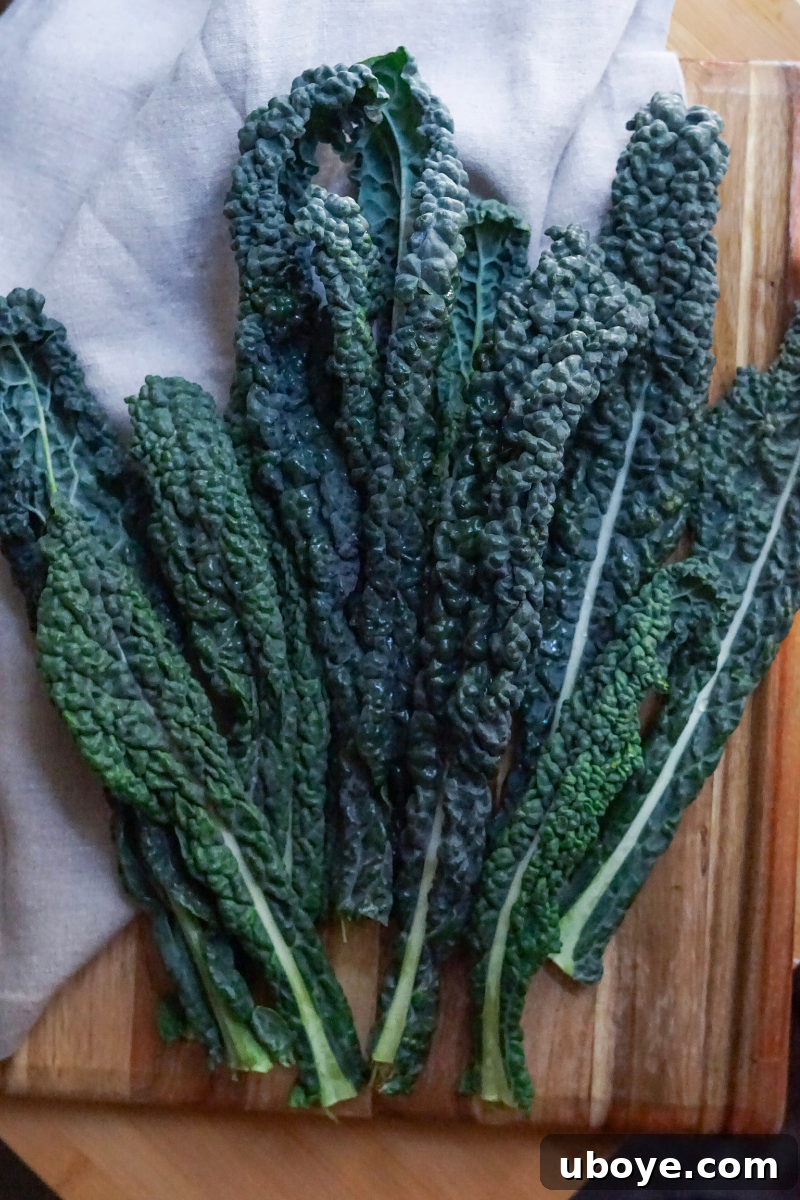
It’s also worth remembering that “kale” isn’t just one type of green; there’s a fascinating diversity to explore. Each variety offers subtle differences in texture, flavor, and appearance, which can further enhance your culinary experience. Curly kale, with its characteristic ruffled leaves, is perhaps the most common and has a slightly peppery bite. Lacinato kale, often called dinosaur or Tuscan kale, boasts darker, flatter, and generally more tender leaves with a sweeter, earthier flavor. Red Russian kale, distinguished by its purplish stems and frilly edges, tends to be milder and sweeter. While the core preparation tips apply universally, experimenting with different varieties can help you discover your personal favorites and broaden your kale horizons.
If your previous encounters with kale have been less than successful or even disappointing, I sincerely hope these comprehensive tips and insights will empower you. Approach this incredibly healthy and versatile green with renewed confidence and enthusiasm. With the right preparation, kale can truly transition from a challenging ingredient to a delightful, indispensable, and much-loved component of your healthy lifestyle.
Join the Kale Conversation!
For those of you who are already passionate fans and seasoned masters of kale, I am eager to learn from your expertise! I would absolutely love to hear about your favorite preparation methods, clever cooking tips, unique dressing combinations, and go-to recipes for this fantastic vegetable. Sharing your culinary wisdom not only enriches our community but also provides endless inspiration for new and exciting dishes. Please don’t hesitate to share your cherished kale tips and recipes in the comments section below – I’m always looking for new variations to try out in my own kitchen!
Happy and healthy eating!
Nicole