
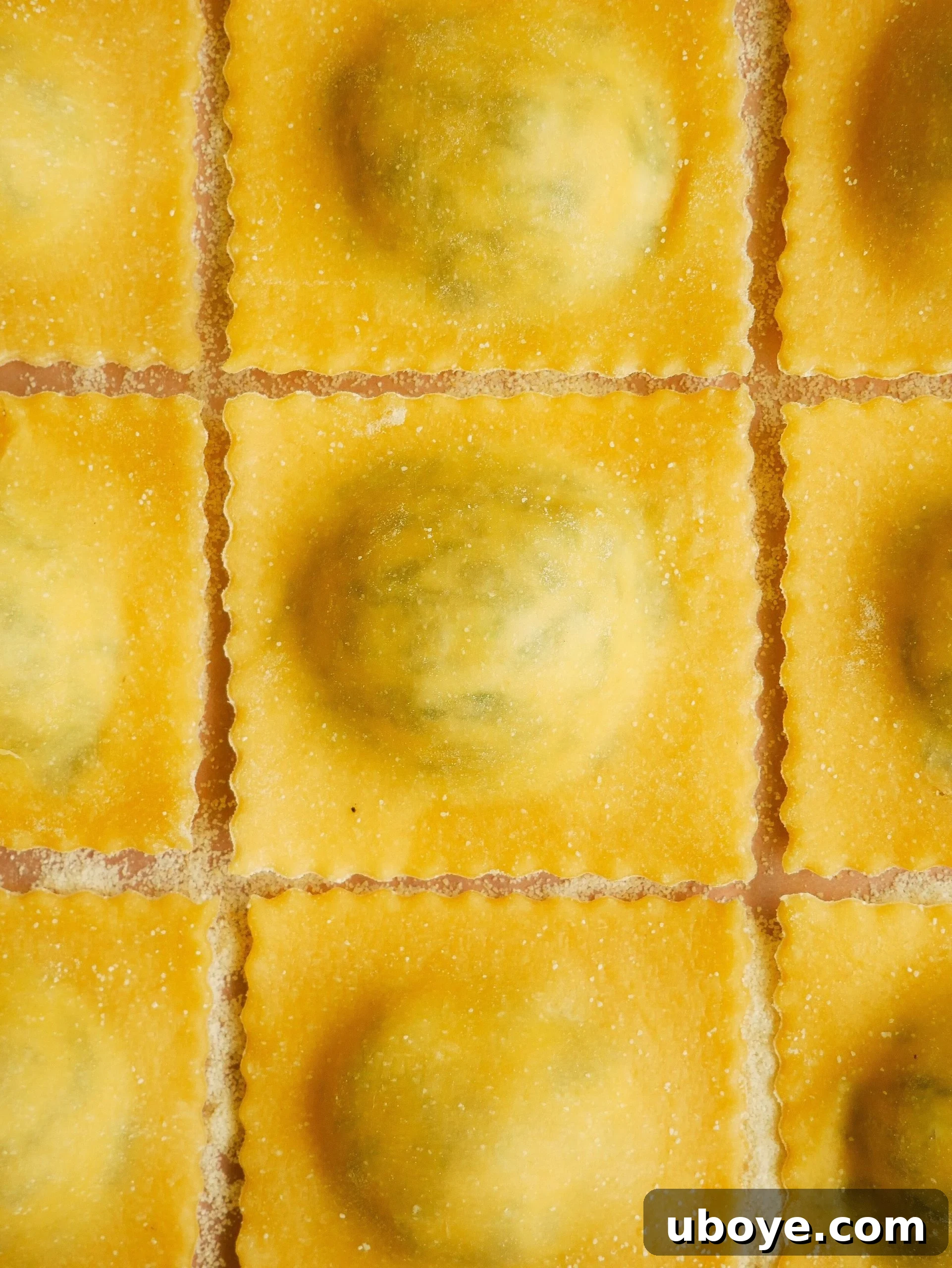
Handmade Spinach and Ricotta Ravioli with Zesty Lemon Butter Sauce
There’s a unique comfort in the rhythm of homemade pasta, and this recipe for spinach and ricotta ravioli is a testament to that joy. Inspired by cherished childhood memories of store-bought delights served with a vibrant lemon butter sauce, this journey into crafting fresh ravioli from scratch brings forth an unparalleled sense of accomplishment and a truly exquisite flavor. While patience and a touch of skill are certainly ingredients, the reward of perfectly tender, silky pasta embracing a rich, creamy filling is simply irresistible. This guide will walk you through every step, transforming simple ingredients into a gourmet meal that celebrates the beauty of Italian culinary tradition.
The Irresistible Charm of Hand-Rolled Ravioli
In a world of convenience, choosing to make ravioli by hand is an act of love and a pursuit of culinary excellence. Unlike their mass-produced counterparts, hand-rolled ravioli carry a charming uniqueness – visible imperfections that tell a story of dedication and craftsmanship. Each piece is a small work of art, reflecting the care poured into its creation. For me, making pasta is a cherished ritual, a tranquil escape into the kitchen where time seems to slow down, allowing for moments of peaceful solitude and focused creativity. The texture of fresh pasta, glossy and tender, is truly a revelation, offering a sublime canvas for any filling, from classic lemon and ricotta to savory veal.
Mastering the Art of Perfect Pasta Dough
The foundation of exceptional ravioli lies in a flawless pasta dough. While it might seem daunting, it’s a skill easily mastered with a few key principles. The most crucial tip I’ve learned is the importance of precision: always weigh your pasta dough ingredients. This practice eliminates guesswork and ensures a consistently smooth and pliable dough every single time. Pasta dough is incredibly sensitive to external factors like humidity and the specific ingredients used, making precise measurements invaluable. The quantities provided in this recipe serve as a reliable starting point, but remember that dough making is also about feel and touch.
Achieving the right dough consistency is paramount. If your dough feels too dry and crumbly, gradually add a tiny bit of water to your hands or directly to the dough as you knead. Conversely, if it’s overly sticky or wet, incorporate a small amount of flour, again, either directly to the dough or onto your hands. Kneading is another critical step; it develops the gluten, giving the pasta its characteristic chewiness. Aim for about 10 minutes of consistent kneading until you achieve a firm, smooth, and elastic ball of dough that is moist but no longer sticky. After kneading, allowing the dough to rest for at least 30 minutes, covered, is essential. This resting period relaxes the gluten, making the dough much easier to roll thinly without tearing.
Crafting the Delightful Spinach and Ricotta Filling
The heart of these ravioli is a rich and flavorful filling that perfectly balances the freshness of spinach with the creamy texture of ricotta. Preparing this filling is straightforward, allowing you to focus on the pasta. Begin by wilting fresh baby spinach in a large fry pan over high heat with a pinch of salt and pepper. This process dramatically reduces its volume. Once wilted, transfer the spinach to a colander and press out as much liquid as possible – this step is crucial to prevent a watery filling. After it cools, roughly chop the spinach.
Next, combine the drained and dried ricotta cheese (straining excess moisture from ricotta is key for a firm filling), grated Parmesan, the chopped wilted spinach, a pinch of nutmeg, and additional salt and pepper to taste in a large bowl. Mix all ingredients thoroughly with a spoon until well combined. The nutmeg adds a subtle, warm note that beautifully complements the creamy cheese and earthy spinach. This filling can be prepared up to two days in advance, stored in an airtight container in the refrigerator, making your ravioli-making day even smoother.
Assembling and Shaping Your Homemade Ravioli
Shaping ravioli is where the magic truly comes alive, transforming simple pasta sheets into elegant parcels. Once your dough has rested, divide it into manageable quarters, keeping the unused portions covered to prevent drying. Work with one piece at a time, rolling it with a rolling pin into a rectangular shape about 3mm thick. Then, pass it through a pasta machine, starting with the widest setting. Fold the dough in half and pass it through the widest setting again. Continue to roll it through progressively narrower settings, usually twice per setting, until you reach your desired thinness – typically the second narrowest setting on most machines. This process creates long, smooth, and consistently thin pasta sheets, roughly 10cm wide. Lightly dust each sheet with flour and cover it with a towel as you prepare the others.
With your pasta sheets ready, it’s time for the filling. For ease and consistency, I recommend using a piping bag to portion the filling. If you don’t have one, a spoon works just as well. Pipe or spoon small dollops of filling, about the size of a 20-cent coin, onto one pasta sheet. Leave a 5cm border along the edge and an equal 5cm gap between each dollop. Once the sheet is filled, gently dampen the borders and the spaces between the filling with a wet index finger. Carefully lay a second pasta sheet over the filled one. Press firmly around each dollop and along the edges to seal the ravioli and expel any air bubbles, which can cause them to burst during cooking.
Here’s a clever trick I learned for perfect shapes and better sealing: use a small shot glass (or a round cookie cutter) to press down over each filling mound. This helps shape the ravioli into a beautiful circle and further pushes out air. Finally, use a ravioli cutter or a sharp knife to cut around the filling, creating individual ravioli. While a ravioli cutter provides those classic ruffled edges, a knife offers clean, straight lines. Aim for uniform sizes to ensure even cooking. Place your freshly shaped ravioli on a baking tray lightly dusted with semolina flour, ensuring they don’t touch, and cover them with a towel while you finish the rest.
The Exquisite Lemon Butter Sauce
No spinach and ricotta ravioli would be complete without a luscious and bright lemon butter sauce. This simple yet elegant sauce perfectly complements the rich filling, adding a vibrant tang and a silky texture. To prepare, bring a large pot of heavily salted water to a rolling boil. Carefully add your fresh ravioli; they cook quickly, typically rising to the surface within 1-2 minutes when fresh (slightly longer if frozen). While the ravioli cook, melt butter in a large fry pan over medium heat. As the butter begins to foam, add the lemon zest and a pinch of salt. Swirl the pan for a minute or two, allowing the flavors to meld beautifully.
Using a slotted spoon, transfer the cooked ravioli directly into the lemon butter sauce, ensuring that some of the pasta cooking water is carried over into the pan. This starchy water is crucial for emulsifying the sauce, creating a glossy, rich coating. Turn the heat to low and gently toss the ravioli in the sauce for about a minute. To finish, squeeze in fresh lemon juice and sprinkle generously with grated Parmesan cheese. This sauce is designed to coat two servings of ravioli (approximately 12 pieces), so adjust quantities if serving more. The balance of acidity from the lemon and the richness of the butter creates a harmonious and unforgettable experience.
Expert Tips for Ravioli Success
- Weigh Your Ingredients: Precision is key for pasta dough. Always weigh your flour and eggs for consistent results.
- Dough Consistency: Pasta dough is very tactile. If it feels too dry, add a few drops of water. If too sticky, add a sprinkle of flour. Adjust gradually.
- Quality Eggs: For the best pasta, use rich, orange-yolked eggs. These contribute to the pasta’s vibrant color and flavor.
- Resting the Dough: Don’t skip the 30-minute rest for your pasta dough. It allows the gluten to relax, making the dough much easier to roll and less likely to tear.
- Prevent Drying: Always keep unused pasta dough and freshly made ravioli covered with plastic wrap or a damp towel to prevent them from drying out.
- Even Thickness: Aim for consistent pasta sheet thickness, especially for the final roll, to ensure even cooking of your ravioli.
- Seal Properly: Press firmly around the filling and between ravioli sections to remove air bubbles. This prevents them from opening during cooking.
- Make Ahead Filling: The spinach and ricotta filling can be prepared up to two days in advance and stored in the fridge.
Storing Your Homemade Ravioli
One of the great advantages of making fresh ravioli is the option to store them for future enjoyment. If you don’t plan to cook all your ravioli immediately, proper storage is essential to maintain their quality. To freeze fresh ravioli, lay them in a single layer on a baking tray that has been lightly dusted with semolina flour. Ensure there is no contact between individual ravioli to prevent them from sticking together. Place the tray into the freezer for 30-45 minutes, or until the ravioli are completely solid.
Once frozen, transfer the ravioli to an airtight container or a freezer-safe bag. They can be stored in the freezer for up to one month. When you’re ready to cook your frozen ravioli, there’s no need to thaw them. Simply drop them straight into a pot of heavily salted boiling water. Cook them for 1-2 minutes longer than you would fresh ravioli, typically around 3-4 minutes, until they float to the surface and are tender. This method allows you to enjoy the taste of homemade pasta with minimal effort on busy weeknights.
Frequently Asked Questions
What type of eggs are best for pasta dough?
For the richest color and flavor in your pasta dough, I recommend using eggs from 500g egg cartons. These eggs typically have vibrant orange yolks that contribute significantly to the pasta’s overall quality and appearance.
What should I do if my pasta dough is too dry or too moist?
Pasta dough is highly sensitive to environmental factors and ingredient specifics. The key is to trust your instincts and adjust as you go. If your dough feels too dry and isn’t coming together, add a very small amount of water to your hands or directly to the dough, kneading it in until the texture improves. If it’s too moist and sticky, incorporate a small sprinkle of white 00 flour or semolina flour, kneading until it reaches a smooth, non-sticky consistency. Always make these adjustments gradually.
Is a ravioli cutter essential?
While a ravioli cutter is fantastic for achieving those distinctive ruffled edges, it’s not strictly necessary. You can easily use a sharp knife or a pastry wheel to cut your ravioli into squares, circles, or any desired shape. The only difference will be the aesthetic of the edges.
How should I store leftover homemade ravioli?
To store un-cooked ravioli, dust them lightly with semolina flour, place them in a single layer on a baking sheet (not touching each other), and freeze for 30-45 minutes until firm. Once firm, transfer them to an airtight container or freezer bag. They can be stored for up to a month. Cook from frozen in heavily salted boiling water for 1-2 minutes longer than fresh.
Can I make this recipe without a pasta machine?
Yes, absolutely! While a pasta machine makes rolling thin sheets easier, you can achieve excellent results with a rolling pin. The key is to be patient and apply even pressure. Roll the dough out thinly and uniformly. This might take a bit more effort, but the result is equally rewarding.
Print Recipe
Spinach and Ricotta Ravioli with Lemon Butter Sauce
By Daen Lia
Handrolled spinach and ricotta ravioli in a rich lemon and butter sauce.
Prep Time: 1 hr
Cook Time: 10 mins
Servings: 4
Ingredients
Pasta Dough
- 250 g eggs (3-4 whole eggs and 2 egg yolks)
- 400 g white 00 flour
- 50 g semolina flour
- 1 tsp salt
Spinach and Ricotta Filling
- 250 g ricotta, strained and patted dry
- 3/4 cup Parmesan, grated
- 200 g fresh baby spinach
- 1 pinch nutmeg
- Salt and pepper to taste
Lemon Butter Sauce
- 100 g salted butter
- 1 lemon, zested and juiced
- Pinch of salt
Instructions
Spinach and Ricotta Filling
- In a large fry pan on a high heat, cook your baby spinach with a pinch of salt and pepper until it has wilted entirely. Transfer to a colander and drain out as much liquid as possible. Set aside to cool and then roughly chop.
- Combine all ingredients (strained ricotta, grated Parmesan, chopped spinach, nutmeg, salt, and pepper) into a large bowl and mix well with a large spoon. Keep your filling covered in the fridge until ready to use.
Ravioli Assembly
- In a large mixing bowl, mix together the white 00 flour, semolina, and salt. Place the flour onto a pasta board or clean surface and make a deep, wide well in the middle with your fist or the bottom of your mixing bowl, large enough to hold the eggs.
- Place your eggs into the center of the flour well and whisk together with a fork. As you whisk, slowly incorporate flour from the edges into the eggs until a thick, custard-like paste forms. When it becomes too thick to whisk, use your hands or a pasta scraper to bring the remaining flour from the edges into the well and begin kneading the dough into a ball.
- Knead the dough for 10 minutes until a firm, smooth dough ball forms that is moist and not sticky. Adjust with a little water or flour as needed, as every dough is different.
- Place your dough into a bowl and cover well with plastic wrap or a damp towel. Leave to rest for a minimum of 30 minutes.
- Uncover your dough and cut off a quarter piece. Cut that piece in half and keep the rest of the dough covered to prevent it from drying out. Place your dough onto a lightly floured pasta board or bench surface. Roll the dough out with a rolling pin into a rectangular shape that is roughly 3mm thick. Roll the dough through a pasta machine on the widest setting (e.g., number 7). Fold the dough in half and roll it through again. Roll the dough through a narrower setting twice and fold the dough in half for the second pass (e.g., number 4 or 5). Finally, roll the dough on the second narrowest setting (e.g., number 2) until you have a long rectangular pasta sheet that is roughly 10cm wide. Dust the pasta sheet with flour, cover with a towel, and set aside while you repeat this step with the remainder of the dough.
- Place your ravioli filling into a piping bag (or use a spoon). Starting from the edge of the pasta sheet, leaving a 5cm border, begin to pipe (or spoon) a 20-cent piece amount of filling into the center, leaving a 5cm gap between each piece of filling. Continue along the entire pasta sheet.
- Wet your index finger with water and dampen the border of the dough and in between the filling mounds. Use a second piece of pasta sheet and lay it carefully over the pasta sheet with the filling. Press firmly around the edges and in between the filling to remove any trapped air bubbles. A small shot glass or round cookie cutter placed over the filling can help shape it into a nice circle and further remove air.
- Using a ravioli cutter or a sharp knife, cut your ravioli shapes around the filling. Cut them into similar sizes to ensure even cooking.
- Place your finished ravioli onto a baking tray that has been lightly floured with semolina flour and cover with a towel as you continue to make the remainder of the ravioli.
Lemon and Butter Sauce
- In a pot of heavily salted boiling water, cook your ravioli until they begin to rise to the top (1-2 minutes for fresh, 3-4 minutes for frozen).
- In a large fry pan on a medium heat, melt the butter. When the butter starts to foam, add in the lemon zest and a pinch of salt. Swirl around in the pan for 1-2 minutes.
- Using a slotted spoon, transfer the cooked ravioli into the sauce, ensuring some pasta cooking water is carried into the pan. Turn the heat to low and cook for 1 minute, tossing gently. Finish with a squeeze of fresh lemon juice and a generous sprinkling of Parmesan.
Notes
Please note: the lemon and butter sauce quantities are for two servings of ravioli (approximately 12 pieces). Adjust accordingly if serving more.
Love this recipe?  Share your creations and connect with me!
If you make this recipe, please tag me on Instagram, TikTok, or Pinterest so I can see your wonderful culinary achievements!
Feel free to leave a comment or review below if you have any questions or feedback. I always enjoy hearing from you and answering your food and recipe-related queries!